What is the best analysis for the gut microbiota?

What is the best analysis for the gut microbiota?

What is the best analysis of the gut microbiota?  

Nahibu's gut microbiota study is conducted using metagenomics. This is a technique for sequencing DNA from complex samples such as soil, air, or stool samples. In metagenomics, organisms (bacteria in the case of Nahibu's microbiota analysis) are studied in their environment, without going through a culture stage, as in traditional microbiology.

The development of this technique has led to the discovery of many bacteria that cannot be cultured in the laboratory, thereby deepening our knowledge of the gut microbiota. To learn more about the microbiota, this still little-known organ, click here.

What are the methods used to study the microbiota?

There are two main methods for studying the gut microbiota: shotgun metagenomics and 16S RNA sequencing. Why not simply culture the bacteria as in a traditional microbiology lab and observe what grows to study our gut flora? Many gut bacteria cannot live in our environment; they are accustomed to growing without oxygen. What's more, we have around 100,000 billion bacteria in our bodies—imagine the surface area needed to cultivate all these bacteria! There are also hundreds of species of bacteria, each requiring very specific conditions. This is why, in order to study the bacteria in the gut microbiota, we analyze their DNA so that we can identify which bacteria they belong to and then, after analyzing all the DNA in a sample, list the bacteria present.

Targeted fecal or respiratory tests do not study the microbiota as a whole.

Other techniques only measure certain parameters in the stool but do not sequence the genes of the microbiota. These techniques evaluate specific markers such as calprotectin or other compounds present in the feces. They can also target specific bacteria that are cultured in microbiology laboratories to detect their presence. This does not require a sequencing step and does not provide an understanding of the total composition of the intestinal flora, as they only study specific markers or bacteria and not this organ as a whole.

There are also breath tests that measure the exhalation of one or more gases before and after eating a sugary snack. The aim is to assess the body's gas production, but these tests do not allow the bacterial composition of the gut microbiota to be studied, as gut bacteria are present in the stomach and intestine and not in exhaled gases.

Despite the name microbiota test given to certain targeted fecal tests or breath tests, they do not provide a complete analysis of the composition of the gut microbiota, which is made up of hundreds of different species of bacteria. Only metagenomics provides a complete and accurate description of the bacterial composition of our flora.


What is 16S RNA?

16S RNA sequencing studies a gene present in all bacteria, the 16S RNA gene. This gene differs between bacterial genera; this technique therefore makes it possible to identify the bacterial composition of a sample by describing the main genera that compose it.


What is metagenomics?

Metagenomics, or environmental genomics, is a method for studying the overall genetic content of a sample in a complex environment, such as the intestine. It allows all the genes present in the sample to be analyzed.

Why choose shotgun metagenomic analysis?

Shotgun metagenomics, the technique chosen by Nahibu, allows the DNA of all bacteria present in the sample to be studied without bias. Click here to learn about the steps involved in Nahibu's analysis.
When the results are delivered, users receive key indicators such as the diversity or balance of the gut microbiota, a complete and accurate map, and the functional potential of the microbiota. Functional potential explains the role that the detected bacteria play in our bodies. However, we refer to potential because metagenomics analyzes the DNA of bacteria, and not all DNA is constantly expressed; some remains silent and is therefore not active.

Metagenomics targeting 16S RNA is not metagenomics in the strict sense, but metagenetics, as it does not analyze all the genes in the sample, but only a part of them. In fact, it targets only the 16S RNA gene of bacteria.
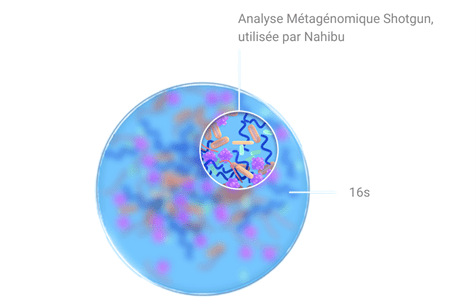
metagenomique

A more accurate description of bacteria

One of the advantages of shotgun metagenomics is that it provides a much more accurate description of the bacteria present in a sample.
Taxonomy is the practice of classifying organisms. It is used to name and classify bacteria. Shotgun metagenomics has better taxonomic resolution, meaning that it defines bacteria more precisely than other approaches. Shotgun metagenomics can characterize bacteria at the species or even strain level, while 16S only describes them at the genus level, and more rarely at the species level.

However, different strains of bacteria have different functions, so it is important to measure these subtleties.
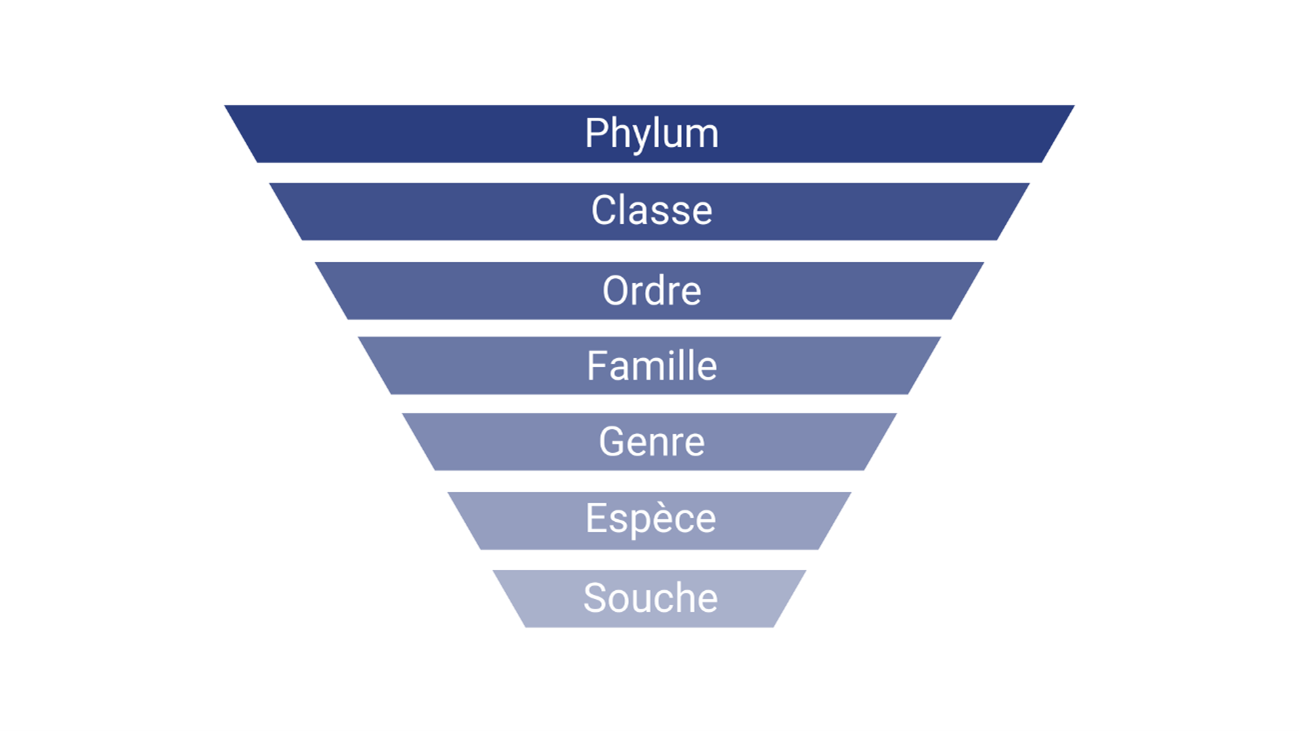
Nahibu

The potential role of the microbiota revealed by shotgun metagenomics

In addition, shotgun metagenomics makes it possible to describe the entire metagenome and thus explain the overall functioning of the microbiota. This allows us to extract the functional potential of the microbiota, which is impossible with an approach using 16S. Functional potential is the way in which the microbiota can hypothetically act on our metabolism and the functions of our body. Functional potential can be thought of as the role of each person in a household: cleaning, repairs, cooking, shopping, etc. Functional potential allows us to understand the role of each bacterium and which tasks an individual's microbiota will or will not be able to perform.

At Nahibu, we believe that providing you with a list of bacteria detected in a sample is not enough to enable you to understand the role your microbiota plays and identify its potential strengths and weaknesses. We have decided that microbiota analysis is part of a process of discovery and progress towards well-being. That's why we analyze your samples using shotgun metagenomics, a reliable, comprehensive, and unbiased approach that reveals the functional potential of your gut flora.

Nahibu's functional potential results are presented in categories with a score for each function. This allows you to clearly and accurately see which functions your microbiota has strong or weak potential for.

Next, how can you act and boost these functions? Foods or supplements are recommended to you on a personalized basis to improve your scores.
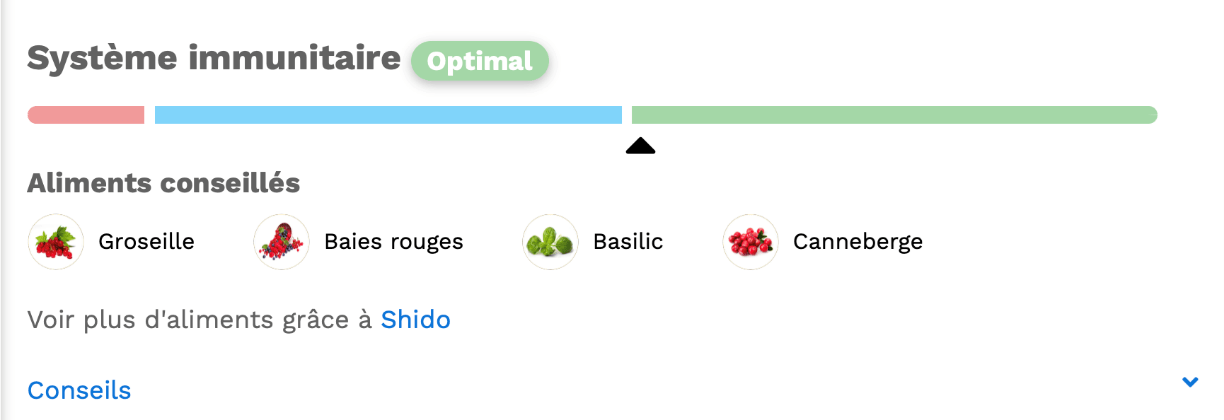
Nahibu

Shotgun metagenomics is a more expensive technique than 16S because it is comprehensive, generating files that take longer to analyze, but also providing much more complete results, a more accurate list of bacterial abundance, and an explanation of the functional potential of the microbiota, allowing you to understand its role in your body.

In conclusion, Nahibu's shotgun metagenomics analysis provides you with a comprehensive, accurate, easily understandable, and unbiased view of your gut microbiota to improve your well-being!

Discover more articles on the microbiota.

Partnership between Bio-Recherche and Nahibu

Partnership between Bio-Recherche and Nahibu

Bio-Recherche Laboratories specialize in researching and marketing high-value-added dietary supplements whose effectiveness has been proven by clinical studies, most of which justify prescription by doctors.
Take care of your microbiota with Nahibu.
Can the microbiota help manage stress and anxiety?

Can the microbiota help manage stress and anxiety?

Can the microbiota help manage stress and anxiety?

In this article, you will discover what stress is, how it affects your body, and how to manage it effectively. Nahibu, as a specialist in gut microbiota, has decided to include a module on the role of gut bacteria in stress and anxiety resistance in its microbiota analysis. You will therefore discover how bacteria in your gut can regulate your brain!

The

What is stress?

Nowadays, few people can claim that they are not stressed. Our societies often impose an ideal of social, professional, and family success that can cause a lot of pressure. Juggling different activities, your professional life, and finding time for yourself can be difficult. Many people say they are stressed. What exactly does that mean?

Stress is a complex phenomenon that triggers emotional, biological, and physical responses. The response to stress is different for each person depending on genetics, environment, and diet.

Stress can be broken down into a trigger (the stressor), a compensatory reaction, and the establishment of a new balance.

There is acute stress, which does not last long, and chronic stress, which lasts over time and can be harmful.

Anxiety, on the other hand, is the tendency to anticipate or dwell on difficulties, thereby amplifying them. It is therefore a source of stress.

Anguish is a specific but intense psychological experience, characterized by a feeling of loss of control and the imminence of serious danger. Anguish manifests itself through several symptoms, including a feeling of oppression, breathing difficulties, and a rapid heartbeat. It is linked to anxiety, which is a more chronic and less destabilizing condition. Anxiety and nervousness are two conditions that cause stress.


What are the triggers and symptoms of stress?

The factors responsible for stress, or stressors, can be internal or external, real or imagined, such as an unpleasant person in one's circle, an illness, or even a car breakdown. Stressors trigger a physiological crisis mode response in the body, the purpose of which is to adapt and restore balance.

The symptoms of stress can be very diverse and include fatigue, sleep disorders, loss of appetite or overeating, skin conditions such as eczema, irritability, decreased libido, heart palpitations, and muscle tension.

The symptoms of an anxiety attack, which is a short and very intense form of anxiety, include heart palpitations, sweating, chest pain, tremors, a feeling of suffocation, dizziness, nausea, and stomach pain. They are accompanied by psychological symptoms such as the feeling of going crazy or imminent death. These symptoms are very frightening and themselves fuel the panic or anxiety attack.

Anxiety is a state of distress that is less intense but more long-lasting. Some symptoms of an anxiety attack may be present, but they are less intense, such as nausea or stomach ache and palpitations.


How important is stress?

The number of people affected by stress and anxiety is constantly growing, mainly due to our lifestyles and socio-economic models. In addition, the health crisis triggered by the emergence of the SARS-CoV-2 virus in late 2019 has contributed to an increase in these disorders worldwide. It has changed our habits, led to the isolation of a large part of the population, called into question many certainties, and increased mortality rates in many countries.

The prevalence of anxiety disorders was estimated at 21.6% in 2010. Women, young people, and low-income individuals were the most at risk. Depressive episodes, alcohol abuse, and drug addiction are often associated with anxiety disorders.

According to a 2012 study, 22% of European workers experience stress.

The COVID-19 health crisis has caused a dramatic increase in stress and anxiety levels: the prevalence of stress is currently estimated at 29.6% and that of anxiety at 31.9%. 

The

What happens in the body under the effects of stress?

The stress response refers to the changes that take place in the body, such as behavioral changes or the secretion of specific hormones. Stress has negative effects if it is severe or prolonged, i.e., if it becomes chronic.

Acute stress occurs when the body is subjected to a threat such as an accident, illness, or a stressful psychological situation that does not last long. Reactions are then triggered to either fight or flee (fight or flight). This is a legacy from our ancestors millions of years ago. When faced with a dangerous animal such as a lion, the threat was perceived by the body, which adapted to increase the chances of survival: flee from the animal or fight it. Nowadays, it is rare to encounter a wild animal, but this mechanism of response to a threat is still present. The physiological changes associated with the stress response are:

  • The mobilization of energy to maintain brain and muscle functions
  • Focusing attention on the perceived threat
  • Increased glucose utilization
  • Increased blood flow and respiration, redistribution of blood flow, increased energy supply to muscles and brain
  • Modulation of immunity
  • Inhibition of reproductive physiology and sexual behavior
  • Decreased hunger and food intake

The brain perceives the threat and signals the adrenal glands (located above the kidneys) to release sufficient amounts of adrenaline. This increases blood and oxygen flow to the muscles, allowing them to perform optimally, and increases brain alertness.

If acute stress persists, cortisol, also known as the stress hormone, is produced by the adrenal glands to increase blood glucose levels, which provide energy to the brain and muscles.

During chronic stress, cortisol is produced continuously. This can have negative effects on the body, as this state leads to excessive fatigue, reduced immunity, disturbed sleep, metabolic problems, and dietary changes that can cause weight loss or gain. Chronic stress thus depletes energy reserves and alters neurotransmitter production. Neurotransmitters are molecules that send signals to neurons, such as serotonin, which regulates many mental and behavioral processes, and melatonin (nicknamed the sleep hormone).


What is the difference between stress, anxiety, anguish, and fear?

Fear, anxiety, and distress or panic are different but related psychological manifestations. Fear can cause anxiety, distress is a very intense form of anxiety, and anxiety can cause stress.

Fear is a disproportionate aversion to something that is characterized by tension, trembling, or sweating.

Anxiety is a tendency to anticipate or dwell on negative things, which can cause stress.

An anxiety attack or panic attack is an intense experience closely linked to anxiety, with very dramatic symptoms such as a feeling of losing control.


Is there a treatment for stress?

There is no miracle cure for stress and anxiety, but certain sophrology or meditation techniques can help you accept your emotions and manage how you react to them.

Discover how meditation can help you relieve pressure. 

Exercise and a balanced diet can also help support your body. One study also showed that listening to relaxing music helped lower salivary cortisol levels more quickly after acute stress.


How do the gut and microbiota regulate our stress?

Within the enteric nervous system, there are one to several hundred thousand neurons that participate in the gut-brain axis. This communication axis allows for constant, two-way dialogue between the two organs. One of the most concrete manifestations of the existence of the gut-brain axis is the alteration of transit (diarrhea or constipation) caused by a stressful event such as public speaking or an exam.

The gut-brain axis is regulated by the gut microbiota, the collection of microorganisms living in the lower part of our digestive tract. Certain microbes, such as intestinal bacteria, produce signals that modulate the messages sent to the brain, known as neurotransmitters. Serotonin, for example, also known as the happiness hormone, is produced largely by the gut microbiota. In addition to our mood and behavior, it also regulates the intestinal barrier. Its production from the amino acid tryptophan is impaired in cases of sustained stress.

Finally, stress can also damage the intestinal barrier that protects our body from bacterial or food residues passing into our cells. If this barrier is impaired, low-level inflammation can develop in the intestine.

All of this tends to demonstrate that there is an important link between the microbiota, the intestinal barrier, and stress and anxiety.

The

How can we measure the impact of our gut microbiota on stress and anxiety?

Studies have shown that gut microbiota regulates stress response and anxiety levels. Initial observations have also concluded that taking certain probiotics consisting of Lactobacillus and Bifidobacteria can reduce stress and anxiety. However, many claims about the effect of probiotics on our mental health still lack clinical evidence.

How can you find out if your microbiota could potentially help you resist stress and anxiety? Take the test and find out in your Nahibu results!

What foods should you eat to combat stress and anxiety?

What should you eat to manage stress? You can increase your serotonin levels by eating a diet rich in complex sugars (whole grains and plant-based products) and low in protein. Tryptophan, from which serotonin is formed, is found in whole grains, but also in chocolate.

Omega-3s are fats that are beneficial for the brain and are associated with a reduced risk of depression. They are found in oily fish, nuts such as walnuts, hazelnuts, almonds, and cashews, and rapeseed, flaxseed, and walnut oils. Feel free to replace meat with fish and use healthy oils to dress your salads.

Plant-based foods such as fruits, vegetables, and legumes contain vitamins that help the body function properly and contribute to good stress resistance.

Stress can cause a decrease in magnesium levels, which in turn can exacerbate its effects. A diet rich in magnesium can therefore help combat stress and anxiety. So don't hesitate to eat dark chocolate made with pure cocoa butter in reasonable quantities, oilseeds, and seafood to optimize your magnesium intake. You can discover more foods to improve your resistance to stress and anxiety thanks to Shido's personalized nutrition algorithm.


How can you manage your stress?

A healthy lifestyle (regular bedtimes, little or no alcohol, and daily physical activity) and a balanced diet can help reduce stress and anxiety levels. In addition, certain foods will be your best allies, such as plant-based products, fatty fish (salmon, herring, tuna, mackerel, etc.), oilseeds, and dark chocolate. Why not replace sugary foods such as cookies or other dessert creams with a handful of almonds or walnuts and a square of dark chocolate?

When faced with difficult emotions, why not try mindfulness meditation or sophrology techniques, which are very effective in reducing stress? They will also teach you not to fight stress but to accept it in order to manage it better. Give yourself time for yourself and enjoy the present moment, alone or with your loved ones. Don't be ashamed to discuss your stress and anxiety with those around you, and seek professional help if necessary.

Finally, test your gut microbiota with Nahibu to discover how your gut flora may contribute to stress and anxiety management, and get personalized dietary advice on how to improve it! 

Sources: 

Prevalence, characteristics and comorbidities of anxiety disorders in France: Results from the Mental Health in General Population Survey (MHGP). E. Leray, A. Camara, D. Drapier, F. Riou, N. Bougeant, A. Pelissolo, K.R. Lloyd, V. Bellamy, J.L. Roelandt, B. Millet. European Psychiatry, 2011.

https://osha.europa.eu/en/publications/management-occupational-safety-and-health-analysis-findings-european-survey-enterprises/view

Prevalence of stress, anxiety, depression among the general population during the COVID-19 pandemic: a systematic review and meta-analysis. Nader Salari, Amin Hosseinian-Far, Rostam Jalali, Aliakbar Vaisi-Raygani, Shna Rasoulpoor, Masoud Mohammadi, Shabnam Rasoulpoor and Behnam Khaledi-Paveh. Globalization and Health, 2020.

Effects of relaxing music on salivary cortisol level after psychological stress. Stéphanie Khalfa, Simone Dalla Bella, Mathieur Roy, Isabelle Peretz, Sonia J. Lupien. Ann. New York Academy of Sciences, 2003.

Breaking down the barriers: the gut microbiome, intestinal permeability and stress-related psychiatric disorders. John R. Kelly, Paul J. Kennedy, John F. Cryan, Timothy G. Dinan, Gerard Clarke, and Niall P. Hyland. Frontiers in Cellular Neuroscience, 2015.

Gut/brain axis and the microbiota. Emeran A. Mayer, Kirsten Tillisch, and Arpana Gupta. The Journal of Clinical Investigation, 2015.

Nutrient and Stress Management, Karuna Singh. The Journal of Nutrition and Food Sciences, 2016.

Discover more articles on the microbiota.

Partnership between Bio-Recherche and Nahibu

Partnership between Bio-Recherche and Nahibu

Bio-Recherche Laboratories specialize in researching and marketing high-value-added dietary supplements whose effectiveness has been proven by clinical studies, most of which justify prescription by doctors.

Take care of your microbiota with Nahibu.

Does the gut microbiota play a role in colorectal cancer?

Does the gut microbiota play a role in colorectal cancer?

Does the gut microbiota play a role in colorectal cancer?

In this article, you will learn a little more about colorectal cancer, also known as colon cancer, even though it can affect the rectum. We explain everything you need to know about the symptoms, causes, and diet to adopt to protect yourself as much as possible from this disease.

What is colorectal cancer?

Colorectal cancer, a global health problem, is a malignant tumor affecting the lining of the colon (60% of cases) or the rectum, the last segment of the digestive tract connecting the colon to the anus (40% of cases). In 60 to 80% of cases, these cancers develop from a benign tumor, also known as a polyp. They generally develop over a period of 10 to 40 years through a sequence of genetic mutations.

Colorectal cancer is usually an adenocarcinoma, a malignant tumor that develops from glandular epithelium (tissue composed of closely packed cells). An adenoma, on the other hand, is a benign tumor of the glandular epithelium.


What are the symptoms?

The symptoms of colorectal cancer can resemble those of other health problems, such as constipation. If you experience any of the following signs, talk to your doctor:

 Bowel problems:

    • new or worsening constipation, or conversely, persistent diarrhea

    • Nausea and vomiting

    • a feeling of incomplete evacuation of the rectum after a bowel movement

    • a feeling that the rectum is full

    • an urgent need to have a bowel movement

    • stools that are narrower than usual

    • painful and ineffective efforts to expel feces.

 Blood in the stool:

    • presence of red or dark blood

    • Abnormally black stools.

 Abdominal or rectal pain.

 General symptoms, including:

    • unexplained weight loss

    • anemia

    • extreme fatigue

    • fever.

Colorectal


Who is affected by colorectal cancer?

Worldwide, there were 1.8 million new cases (about 10% of all new cancer cases) and 881,000 deaths in 2018. It is a global health problem, as it is the third leading cause of cancer death worldwide. The mortality rate for these cancers is declining in industrialized countries thanks to early screening.

In these countries, the lifetime risk of developing this disease is about 5%, and the risk of developing an adenoma, a benign tumor that can develop into cancer, is 20%. When the disease is localized and detected early, the cure rate is 70 to 90%.

In France, colorectal cancer is the third most common cancer in men and the second most common in women. The average age at diagnosis is 71 for men and 75 for women. In 2017, the number of cases was estimated at 45,000 in France.


What are the causes?

Genetic mutations are responsible for the development of cancer. Although certain forms have a genetic factor in their transmission, lifestyle and diet play a major role in their development.

Here are some modifiable factors that may promote the development of colorectal cancer:

  • A diet rich in red meat and processed meats
  • A diet low in fiber
  • Excessive and/or frequent alcohol consumption
  • Being overweight or obese
  • Smoking
  • A sedentary lifestyle.

Age is a non-modifiable factor: the risk of developing this cancer increases for everyone over the age of 50.

Heredity: the risk increases if a close relative (parents, siblings, or children) has already had this cancer. 

People with inflammatory bowel disease (IBD) are also at greater risk.

Take care of your microbiota with Nahibu.

Is the microbiota involved in the development of colorectal cancer?

The colon is a site prone to tumor development and is also where most of the gut microbiota resides.

Several studies have shown that the bacterial communities present in people with colon cancer are different from those in healthy people, which can lead to dysbiosis. Both bacteria associated with the colon mucosa and bacteria found in stool have been studied in these studies. In addition, the composition of the microbiota in cancer patients differs between the tumor and the area surrounding the tumor (see our article to learn all about the gut microbiota).

Several studies have identified different bacteria, but there appears to be an overall enrichment of Fusobacterium and Campylobacter species associated with the tumor mucosa compared to non-tumor tissue in the same patients. An enrichment of these species has also been observed in cancer patients compared to healthy patients.

The study of bacteria has identified several as potential contributors to the development of colorectal cancer. Streptococcus gallolyticus, whose DNA has been found in 20-50% of cancerous tissues, may contribute to tumor growth in some individuals. However, it could also be an opportunistic bacterium that does not contribute to its development but grows easily in the tumor environment. Escherichia coli is found in higher abundance in tumor tissues and may contribute to colon carcinogenesis. Fusobacterium nucleatum may also be involved in the initiation of the disease through its modulation of inflammation.

However, rather than a single bacterium being responsible, it seems more likely that the entire bacterial community and the compounds it produces play a role in carcinogenesis (the process of cancer formation).

Fats and bile acids

Diets high in fat are associated with a higher incidence of colorectal cancer. Diets high in saturated fat (mainly from animal products) increase the production of bile acids. However, the bacteria in the gut microbiota are involved in the metabolism of bile acids and could therefore contribute to the link between cancer and saturated fat. In response to the ingestion of saturated fats, the liver produces bile acids known as conjugated bile acids. These are transformed (or deconjugated) by gut bacteria into secondary bile acids: lithocholic and deoxycholic acids. However, these two compounds are elevated in patients with colon cancer and promote inflammation.

In addition, the bacterium Bilophila wadsworthia is found in greater quantities in people who eat animal products (meat and dairy). It is pro-inflammatory and can be detected by Nahibu's gut microbiota analysis. Controlling the levels of this bacterium could reduce colon inflammation, which plays a role in IBD (inflammatory bowel disease) and cancer.

However, the metabolism of bile acids by microorganisms may also have positive effects. Ursodeoxycholic acid appears to have beneficial effects in humans and animals. It is even approved as a therapy for primary biliary cirrhosis. Certain intestinal bacteria, including strains of Clostridium, Ruminococcus, and Eubacterium, can produce it from chenodeoxycholic acid.

Fiber and short-chain fatty acids

Intestinal bacteria can produce short-chain fatty acids (SCFAs) from the plant fibers we ingest. These fibers, which are not digested by our bodies, are fermented by our intestinal flora. They are found in fruits, vegetables, legumes, and whole grains. The SCFAs produced have an anti-inflammatory effect and may therefore have a protective effect against cancer.

Proteins

On the other hand, a diet rich in protein can lead to the production of harmful compounds by the microbiota, such as polyamines. High levels of these molecules are found in certain diseases, including cancer. The oxidative stress resulting from the breakdown of polyamines is thought to be the cause of their toxicity. In addition, certain pathogenic bacteria use polyamines to increase their virulence. 

Although the involvement of a high-protein diet in colon cancer remains a subject of debate, it is best to avoid consuming too much animal protein. On the other hand, dietary fiber found in fruits, vegetables, and legumes can limit protein fermentation in the colon and may therefore have a protective effect.

Alcohol

The product of alcohol breakdown, acetaldehyde, is carcinogenic and highly toxic. Bacteria in the oral microbiota are thought to be capable of forming this compound from alcohol, and it is possible that bacteria in the gut microbiota have the same property. It is therefore necessary to reduce alcohol consumption to limit the formation of this highly toxic compound.

Colorectal

What should you eat to protect yourself from colon cancer?

Recommendations can be made to reduce the risk of developing this disease. Nutrition plays an important protective role. You should limit your consumption of protein, especially animal protein (see our Top meat alternatives). On the other hand, fatty fish (tuna, sardines, salmon, herring, etc.), thanks to the omega-3 it contains, is believed to have anti-inflammatory properties. Why not include a few vegetarian meals in your weekly menu and choose fish over meat? It is also a good idea to reduce your consumption of fats such as butter, cream, processed foods, and dishes with sauces. Choose healthy fats such as olive oil, rapeseed oil, and flaxseed oil.

It is essential to limit your alcohol consumption, or even stop drinking altogether.

On the other hand, you should eat more vegetables, fruit, legumes, and whole grains. The fiber they contain has a protective role and contributes to the diversity of the microbiome. Replace refined flours with whole grain flours (whole grain bread, brown rice, etc.). Eat a variety of seasonal vegetables; half of a balanced plate should contain vegetables (find out more in our article on healthy and balanced eating). Don't forget to add aromatic herbs such as thyme, oregano, or basil to enrich your dishes with fiber, vitamins, and minerals.

Finally, it is important to maintain a healthy weight. Physical activity plays a beneficial role in weight management and also helps protect against cancer. It is therefore necessary to incorporate it into your daily routine: walking, cycling, swimming, Pilates, dancing, weight training, team sports… there are many ways to combine the useful with the enjoyable!


How is colorectal cancer diagnosed?

As mentioned above, patients with IBD are more prone to developing colon cancer. They should therefore be monitored regularly by a gastroenterologist and undergo appropriate screening.

People with parents who have or have had colon cancer should undergo early screening. Talk to your doctor, as it is essential not to skip these tests: when detected early, this disease has a better chance of being cured with appropriate treatment.

Free for all people between the ages of 50 and 74, screening involves a simple stool sample and can detect early-stage cancer. Talk to your doctor and don't neglect this test, which allows for early detection, prompt treatment, and therefore increased chances of survival.

Sources:

Microbes, Microbiota, and Colon Cancer. Cynthia L. Sears and Wendy S. Garrett. Cell Host & Microbe, March 12, 2014.

The gut microbiota, bacterial metabolites and colorectal cancer. Petra Louis, Georgina L. Hold, and Harry J. Flint. Nature Reviews Microbiology, September 8, 2014.

Microbiota: a key orchestrator of cancer therapy. Soumen Roy and Giorgio Trinchieri. Nature Reviews Cancer, March 17, 2017.

Global trends in colorectal cancer mortality: projections to the year 2035. Marzieh Araghi, Isabelle Soerjomataram, Mark Jenkins, James Brierley, Eva Morris, Freddie Bray, and Melina Arnold. International Journal of Cancer: 144, 2992–3000, 2019.

Ameli.fr

Discover more articles on the microbiota.

Partnership between Bio-Recherche and Nahibu

Partnership between Bio-Recherche and Nahibu

Bio-Recherche Laboratories specialize in researching and marketing high-value-added dietary supplements whose effectiveness has been proven by clinical studies, most of which justify prescription by doctors.

Take care of your microbiota with Nahibu.

What to do (and avoid) before the gut microbiota test

What to do (and avoid) before the gut microbiota test

Preparing for a microbiome test: the essentials

The gut microbiota is a fragile ecosystem: its composition is strongly influenced by our lifestyle and, more specifically, our diet.
When undergoing a microbiota test, what you eat or take in the days leading up to your sample collection can have a significant impact on the results.

It is therefore essential to prepare well in order to maximize the quality of the sample and make the analysis as representative as possible. In this article, find out what to do (and what to avoid) before taking your at-home microbiota test with the Nahibu gut microbiota analysis kit. With this guide, you will optimize the reliability of your gut assessment and ensure that the results reflect the true state of your microbiota.

Why preparation matters

Microbiome tests are essentially based on the analysis of a stool sample at a given moment in time: it is a snapshot of your gut flora.
Certain foods, supplements, or medications can alter the composition of the microbiota in the short or long term, or directly interfere with the analysis. For example, probiotics, antibiotics, and laxatives can alter the results.
Therefore, neglecting to prepare properly can affect the accuracy of the test and make the nutritional recommendations less relevant.

What to avoid before the sample is taken

Here are the main pitfalls to avoid in the days (or weeks) leading up to your test:

Test-microbiote-nahibu

Antibiotics, antifungals, antiparasitics

The role of antibiotics, antifungals, and antiparasitics is to eliminate pathogenic microorganisms responsible for infections. However, by targeting these infectious agents, they inevitably impact the commensal flora.
Taking antimicrobials is therefore a major bias in the analysis of the microbiota. It is therefore preferable to wait a certain amount of time after treatment before taking a sample. It takes about 2 to 3 months for the microbiota to return to complete balance. Nevertheless, to obtain results that are already representative, a period of 4 to 6 weeks after the end of treatment is recommended.

Use of medications

Many non-antimicrobial medications can also disrupt the microbiota. This is the case with certain anti-inflammatory drugs (NSAIDs), proton pump inhibitors (PPIs), antidiabetic drugs (metformin), laxatives, psychotropic drugs, etc.
It is generally recommended to wait 2 to 3 weeks before taking a sample.
For long-term treatments, do not stop your treatment without medical advice. Repeated enemas can also be
aggressive for the microbiota. Again, a delay of at least 4 weeks may be necessary before performing the test.

Probiotics and prebiotics

Biotic substances (probiotics, prebiotics, postbiotics, and synbiotics) aim to support the balance of the microbiota by optimizing its ecosystem. Consuming them therefore has a natural effect on its composition.
If you want to know the state of your microbiota without the recent influence of these biotic substances, it is recommended that you stop taking them 1 to 2 weeks before the sample is taken.
However, if your goal is to evaluate their effects on the microbiota, you can continue to use them.
Foods rich in probiotics (yogurt, kefir, sauerkraut, kimchi, kombucha, etc.) can also alter the microbial composition, so it is best to avoid consuming them in the days leading up to the sample collection.


Drastic dietary changes

Avoid making drastic changes to your diet just before the test, such as a very cleansing diet or prolonged fasting. It is advisable to maintain your usual diet, even if it is specific (low FODMAP, ketogenic, etc.), for at least one week before the sample is taken.
If you have recently moved, returned from a trip abroad, or changed your eating habits, this may disrupt your microbiota and make the sample less representative.

microbiota-intestinal-probiotic

What to do (good habits) before the test

Maintain your usual habits (as far as possible)

Keep up your eating habits and make sure you drink enough water: staying well hydrated promotes bowel movements and makes the sample collection easier.
Continue taking your medication or supplements if necessary; never stop a regular treatment without medical advice.

Track your symptoms and diet

It may be helpful to note your diet, digestive symptoms, and activities for 1 to 2 weeks prior to the test. This information makes it easier to interpret the results and helps connect certain habits to your microbial profile.

The quality of the sample directly affects the quality of the analysis. Proper preparation ensures an accurate picture of your microbiota, without bias related to diet, supplements, or recent treatments.

Follow the test protocol

Following the collection instructions is essential to ensure that the sample is compliant and, therefore, that the results are reliable.
Carefully read the instructions provided in the kit: use of the tube, stool collector (feces catcher), packaging, shipping time, etc. Nahibu provides all the necessary materials and precise instructions in its gut microbiota test kit.
Choose a quiet moment when you are relaxed to take the sample. A calm environment reduces the risk of error and contamination.
Pack the sample correctly in the items provided (shuttle pouch, prepaid envelope, etc.) to ensure its safety and stability during shipping.
The tube provided in the Nahibu kit contains a DNA stabilizer that allows the sample to be stored at room temperature until it is received by our laboratory. It is essential not to empty the tube.

When should you postpone your test?

Here are some situations in which it is best not to take the sample immediately, but to postpone it:

  • You have an acute intestinal infection, diarrhea, or severe digestive symptoms
  • You have just undergone medical treatment: wait long enough (e.g., 4–6 weeks for antibiotics) to allow your microbiota to recover.
  • You have had a colonoscopy
  • You have recently made significant changes to your diet (new diet, fasting, supplementation, etc.): it is best to return to your normal diet for a few days so that the sample is representative.
  • You have recently traveled, especially abroad, or undergone significant changes in your routine: your microbiota may be out of its usual routine.

Specific features of the Nahibu kit

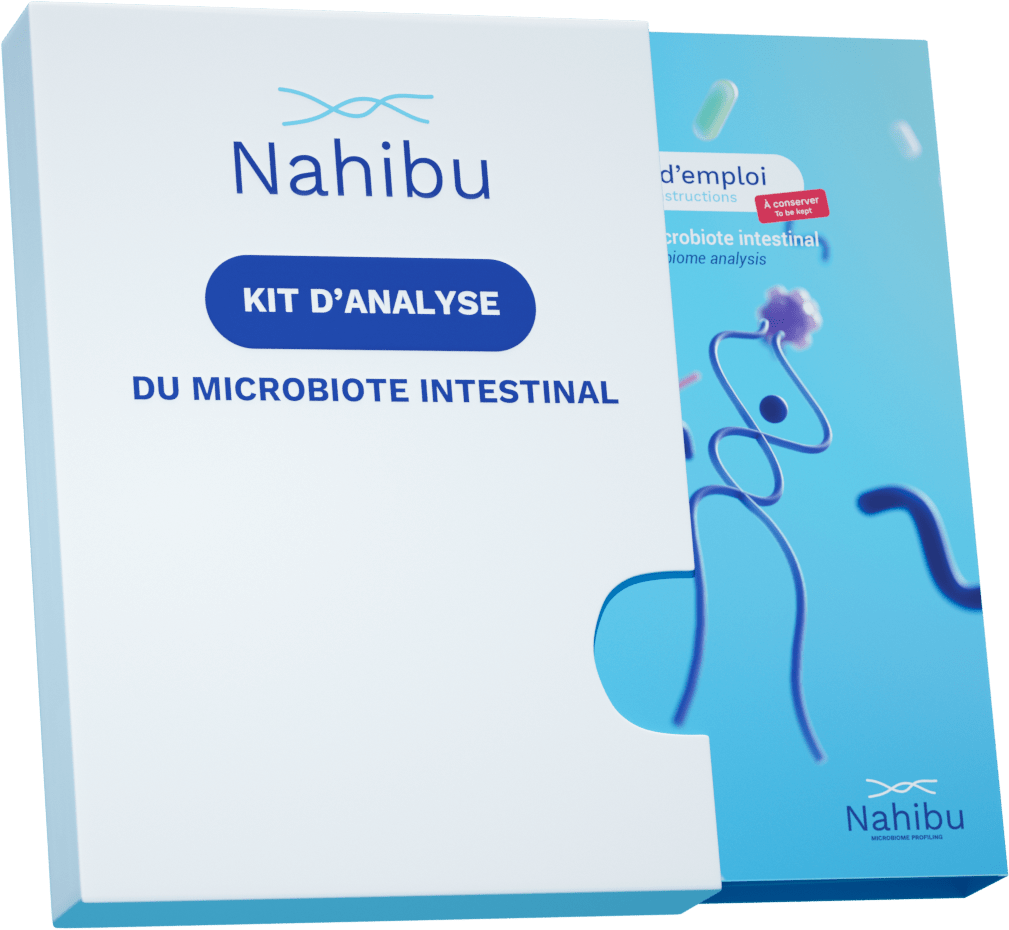
The Nahibu gut microbiota analysis kit is designed for home sampling and includes a stool collector (feces catcher), a tube with DNA stabilizer, and a prepaid envelope for shipping.
Nahibu uses shotgun metagenomic sequencing, which allows for a very detailed analysis of your microbiota. To ensure reliable results, it is essential that the sample is of good quality.
If you are undergoing treatment or taking supplements, it may be useful to consult a professional or contact the Nahibu team to find out if any adjustments are necessary before the test. You can then enter this information in the online questionnaire.

Take care of your microbiota with Nahibu.

FAQ

Should I stop taking probiotics before my test?

Yes, usually 1 to 2 weeks before taking the test, but it depends on the protocol. Some laboratories require you to stop, while others tolerate regular intake if it is part of your routine.

How long should you wait after taking antibiotics before taking the test?

It is generally recommended to wait 4 to 6 weeks after your last antibiotic, to give your microbiota time to recover.

Can I take the test if I travel or change my diet often?

It is best to postpone the test if you have recently changed your eating habits, returned from a trip, or if your routine has changed significantly: these disruptions can make the sample less representative.

How can I ensure that my sample is not contaminated?

Use the items provided in the kit, follow the instructions carefully (do not let the tube touch the toilet water, pack the sample securely), and return it quickly according to the instructions.

Can my usual medications affect the test results?

Certain medications (anti-inflammatories, laxatives, etc.) can affect the microbiota or the sample. Check the instructions in the kit and, if necessary, ask a professional or the Nahibu team for advice.

Conclusion:

Proper preparation is essential for obtaining a reliable and useful microbiota analysis. By avoiding interferences such as antibiotics, probiotics, or drastic dietary changes, and by following the kit's protocol (collection, packaging, shipping), you can ensure the quality of your sample.
With the Nahibu gut microbiota test, which includes a home collection kit and analysis based on shotgun metagenomic sequencing technology, you get an accurate and comprehensive analysis. 📊
Take action now: carefully prepare your sample, send it in, and then use your report to better understand your microbiota and benefit from Nahibu's personalized nutritional recommendations.

Sources and references used: 

This article is based on recommendations from several laboratories specializing in gut microbiota analysis and best practices for sampling:

  • Vibrant Wellness – Gut Zoomer test preparation instructions
  • MyMicroZoo – Recommendations before a microbiome test
  • HealthPath – Sample collection guide for gut tests
  • Amanda Nutrition – Tips for the Complete Microbiome Stool Test
  • The Health Feed – General information on at-home microbiota testing
  • Lepivits – Overview of the Nahibu kit, including collector and DNA stabilization
  • Nahibu – Documentation on shotgun metagenomic sequencing and the kit protocol

Take care of your microbiota with Nahibu.

Discover more articles on the microbiota.

Partnership between Bio-Recherche and Nahibu

Partnership between Bio-Recherche and Nahibu

Bio-Recherche Laboratories specialize in researching and marketing high-value-added dietary supplements whose effectiveness has been proven by clinical studies, most of which justify prescription by doctors.

Take care of your microbiota with Nahibu.