Can the microbiota help manage stress and anxiety?

Can the microbiota help manage stress and anxiety?

Can the microbiota help manage stress and anxiety?

In this article, you will discover what stress is, how it affects your body, and how to manage it effectively. Nahibu, as a specialist in gut microbiota, has decided to include a module on the role of gut bacteria in stress and anxiety resistance in its microbiota analysis. You will therefore discover how bacteria in your gut can regulate your brain!

The

What is stress?

Nowadays, few people can claim that they are not stressed. Our societies often impose an ideal of social, professional, and family success that can cause a lot of pressure. Juggling different activities, your professional life, and finding time for yourself can be difficult. Many people say they are stressed. What exactly does that mean?

Stress is a complex phenomenon that triggers emotional, biological, and physical responses. The response to stress is different for each person depending on genetics, environment, and diet.

Stress can be broken down into a trigger (the stressor), a compensatory reaction, and the establishment of a new balance.

There is acute stress, which does not last long, and chronic stress, which lasts over time and can be harmful.

Anxiety, on the other hand, is the tendency to anticipate or dwell on difficulties, thereby amplifying them. It is therefore a source of stress.

Anguish is a specific but intense psychological experience, characterized by a feeling of loss of control and the imminence of serious danger. Anguish manifests itself through several symptoms, including a feeling of oppression, breathing difficulties, and a rapid heartbeat. It is linked to anxiety, which is a more chronic and less destabilizing condition. Anxiety and nervousness are two conditions that cause stress.


What are the triggers and symptoms of stress?

The factors responsible for stress, or stressors, can be internal or external, real or imagined, such as an unpleasant person in one's circle, an illness, or even a car breakdown. Stressors trigger a physiological crisis mode response in the body, the purpose of which is to adapt and restore balance.

The symptoms of stress can be very diverse and include fatigue, sleep disorders, loss of appetite or overeating, skin conditions such as eczema, irritability, decreased libido, heart palpitations, and muscle tension.

The symptoms of an anxiety attack, which is a short and very intense form of anxiety, include heart palpitations, sweating, chest pain, tremors, a feeling of suffocation, dizziness, nausea, and stomach pain. They are accompanied by psychological symptoms such as the feeling of going crazy or imminent death. These symptoms are very frightening and themselves fuel the panic or anxiety attack.

Anxiety is a state of distress that is less intense but more long-lasting. Some symptoms of an anxiety attack may be present, but they are less intense, such as nausea or stomach ache and palpitations.


How important is stress?

The number of people affected by stress and anxiety is constantly growing, mainly due to our lifestyles and socio-economic models. In addition, the health crisis triggered by the emergence of the SARS-CoV-2 virus in late 2019 has contributed to an increase in these disorders worldwide. It has changed our habits, led to the isolation of a large part of the population, called into question many certainties, and increased mortality rates in many countries.

The prevalence of anxiety disorders was estimated at 21.6% in 2010. Women, young people, and low-income individuals were the most at risk. Depressive episodes, alcohol abuse, and drug addiction are often associated with anxiety disorders.

According to a 2012 study, 22% of European workers experience stress.

The COVID-19 health crisis has caused a dramatic increase in stress and anxiety levels: the prevalence of stress is currently estimated at 29.6% and that of anxiety at 31.9%. 

The

What happens in the body under the effects of stress?

The stress response refers to the changes that take place in the body, such as behavioral changes or the secretion of specific hormones. Stress has negative effects if it is severe or prolonged, i.e., if it becomes chronic.

Acute stress occurs when the body is subjected to a threat such as an accident, illness, or a stressful psychological situation that does not last long. Reactions are then triggered to either fight or flee (fight or flight). This is a legacy from our ancestors millions of years ago. When faced with a dangerous animal such as a lion, the threat was perceived by the body, which adapted to increase the chances of survival: flee from the animal or fight it. Nowadays, it is rare to encounter a wild animal, but this mechanism of response to a threat is still present. The physiological changes associated with the stress response are:

  • The mobilization of energy to maintain brain and muscle functions
  • Focusing attention on the perceived threat
  • Increased glucose utilization
  • Increased blood flow and respiration, redistribution of blood flow, increased energy supply to muscles and brain
  • Modulation of immunity
  • Inhibition of reproductive physiology and sexual behavior
  • Decreased hunger and food intake

The brain perceives the threat and signals the adrenal glands (located above the kidneys) to release sufficient amounts of adrenaline. This increases blood and oxygen flow to the muscles, allowing them to perform optimally, and increases brain alertness.

If acute stress persists, cortisol, also known as the stress hormone, is produced by the adrenal glands to increase blood glucose levels, which provide energy to the brain and muscles.

During chronic stress, cortisol is produced continuously. This can have negative effects on the body, as this state leads to excessive fatigue, reduced immunity, disturbed sleep, metabolic problems, and dietary changes that can cause weight loss or gain. Chronic stress thus depletes energy reserves and alters neurotransmitter production. Neurotransmitters are molecules that send signals to neurons, such as serotonin, which regulates many mental and behavioral processes, and melatonin (nicknamed the sleep hormone).


What is the difference between stress, anxiety, anguish, and fear?

Fear, anxiety, and distress or panic are different but related psychological manifestations. Fear can cause anxiety, distress is a very intense form of anxiety, and anxiety can cause stress.

Fear is a disproportionate aversion to something that is characterized by tension, trembling, or sweating.

Anxiety is a tendency to anticipate or dwell on negative things, which can cause stress.

An anxiety attack or panic attack is an intense experience closely linked to anxiety, with very dramatic symptoms such as a feeling of losing control.


Is there a treatment for stress?

There is no miracle cure for stress and anxiety, but certain sophrology or meditation techniques can help you accept your emotions and manage how you react to them.

Discover how meditation can help you relieve pressure. 

Exercise and a balanced diet can also help support your body. One study also showed that listening to relaxing music helped lower salivary cortisol levels more quickly after acute stress.


How do the gut and microbiota regulate our stress?

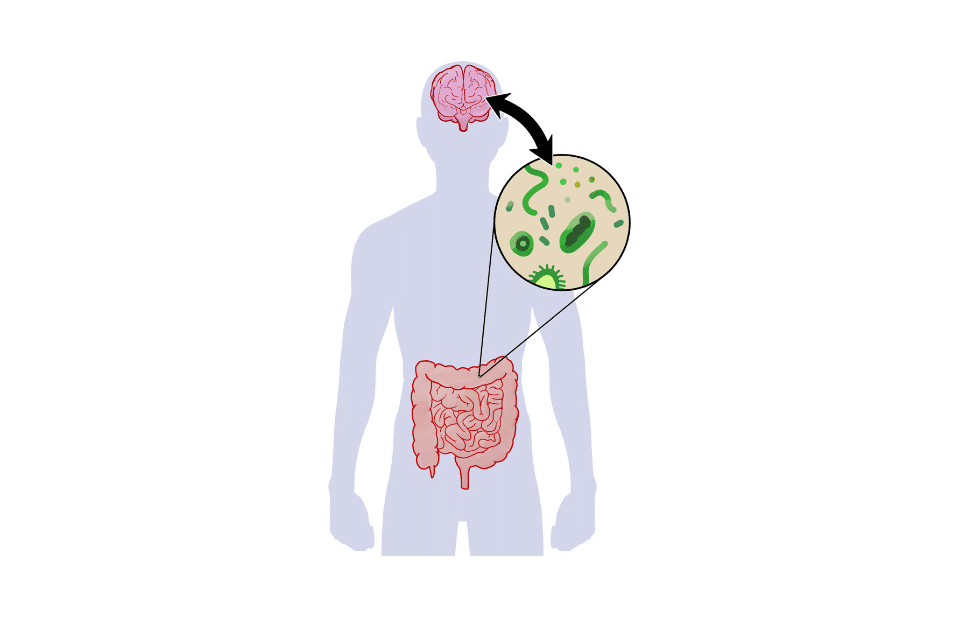
Within the enteric nervous system, there are one to several hundred thousand neurons that participate in the gut-brain axis. This communication axis allows for constant, two-way dialogue between the two organs. One of the most concrete manifestations of the existence of the gut-brain axis is the alteration of transit (diarrhea or constipation) caused by a stressful event such as public speaking or an exam.

The gut-brain axis is regulated by the gut microbiota, the collection of microorganisms living in the lower part of our digestive tract. Certain microbes, such as intestinal bacteria, produce signals that modulate the messages sent to the brain, known as neurotransmitters. Serotonin, for example, also known as the happiness hormone, is produced largely by the gut microbiota. In addition to our mood and behavior, it also regulates the intestinal barrier. Its production from the amino acid tryptophan is impaired in cases of sustained stress.

Finally, stress can also damage the intestinal barrier that protects our body from bacterial or food residues passing into our cells. If this barrier is impaired, low-level inflammation can develop in the intestine.

All of this tends to demonstrate that there is an important link between the microbiota, the intestinal barrier, and stress and anxiety.

The

How can we measure the impact of our gut microbiota on stress and anxiety?

Studies have shown that gut microbiota regulates stress response and anxiety levels. Initial observations have also concluded that taking certain probiotics consisting of Lactobacillus and Bifidobacteria can reduce stress and anxiety. However, many claims about the effect of probiotics on our mental health still lack clinical evidence.

How can you find out if your microbiota could potentially help you resist stress and anxiety? Take the test and find out in your Nahibu results!

What foods should you eat to combat stress and anxiety?

What should you eat to manage stress? You can increase your serotonin levels by eating a diet rich in complex sugars (whole grains and plant-based products) and low in protein. Tryptophan, from which serotonin is formed, is found in whole grains, but also in chocolate.

Omega-3s are fats that are beneficial for the brain and are associated with a reduced risk of depression. They are found in oily fish, nuts such as walnuts, hazelnuts, almonds, and cashews, and rapeseed, flaxseed, and walnut oils. Feel free to replace meat with fish and use healthy oils to dress your salads.

Plant-based foods such as fruits, vegetables, and legumes contain vitamins that help the body function properly and contribute to good stress resistance.

Stress can cause a decrease in magnesium levels, which in turn can exacerbate its effects. A diet rich in magnesium can therefore help combat stress and anxiety. So don't hesitate to eat dark chocolate made with pure cocoa butter in reasonable quantities, oilseeds, and seafood to optimize your magnesium intake. You can discover more foods to improve your resistance to stress and anxiety thanks to Shido's personalized nutrition algorithm.


How can you manage your stress?

A healthy lifestyle (regular bedtimes, little or no alcohol, and daily physical activity) and a balanced diet can help reduce stress and anxiety levels. In addition, certain foods will be your best allies, such as plant-based products, fatty fish (salmon, herring, tuna, mackerel, etc.), oilseeds, and dark chocolate. Why not replace sugary foods such as cookies or other dessert creams with a handful of almonds or walnuts and a square of dark chocolate?

When faced with difficult emotions, why not try mindfulness meditation or sophrology techniques, which are very effective in reducing stress? They will also teach you not to fight stress but to accept it in order to manage it better. Give yourself time for yourself and enjoy the present moment, alone or with your loved ones. Don't be ashamed to discuss your stress and anxiety with those around you, and seek professional help if necessary.

Finally, test your gut microbiota with Nahibu to discover how your gut flora may contribute to stress and anxiety management, and get personalized dietary advice on how to improve it! 

Sources: 

Prevalence, characteristics and comorbidities of anxiety disorders in France: Results from the Mental Health in General Population Survey (MHGP). E. Leray, A. Camara, D. Drapier, F. Riou, N. Bougeant, A. Pelissolo, K.R. Lloyd, V. Bellamy, J.L. Roelandt, B. Millet. European Psychiatry, 2011.

https://osha.europa.eu/en/publications/management-occupational-safety-and-health-analysis-findings-european-survey-enterprises/view

Prevalence of stress, anxiety, depression among the general population during the COVID-19 pandemic: a systematic review and meta-analysis. Nader Salari, Amin Hosseinian-Far, Rostam Jalali, Aliakbar Vaisi-Raygani, Shna Rasoulpoor, Masoud Mohammadi, Shabnam Rasoulpoor and Behnam Khaledi-Paveh. Globalization and Health, 2020.

Effects of relaxing music on salivary cortisol level after psychological stress. Stéphanie Khalfa, Simone Dalla Bella, Mathieur Roy, Isabelle Peretz, Sonia J. Lupien. Ann. New York Academy of Sciences, 2003.

Breaking down the barriers: the gut microbiome, intestinal permeability and stress-related psychiatric disorders. John R. Kelly, Paul J. Kennedy, John F. Cryan, Timothy G. Dinan, Gerard Clarke, and Niall P. Hyland. Frontiers in Cellular Neuroscience, 2015.

Gut/brain axis and the microbiota. Emeran A. Mayer, Kirsten Tillisch, and Arpana Gupta. The Journal of Clinical Investigation, 2015.

Nutrient and Stress Management, Karuna Singh. The Journal of Nutrition and Food Sciences, 2016.

Discover more articles on the microbiota.

Partnership between Naetur and Nahibu

Partnership between Naetur and Nahibu

Naetur is a brand of 100% organic plant-based dietary supplements that promote better sleep, improved digestion, reduced fatigue, and enhanced recovery.

Partnership between the EffiNov Laboratory and Nahibu

Partnership between the EffiNov Laboratory and Nahibu

The French laboratory EffiNov, which specializes in micronutrition, develops a range of dietary supplements and functional foods. Their products are formulated by a team with multidisciplinary expertise (medical, nutritional, and scientific).

Partnership between Umamiz and Nahibu

Partnership between Umamiz and Nahibu

Umamiz offers products made from spirulina, a cyanobacterium with impressive properties. Whether it's Spirulina Givrée or Véritable Spirulina, the spirulina is 100% French and produced on the Umamiz farm.

Take care of your microbiota with Nahibu.

Irritable bowel syndrome: a disease of the microbiota?

Irritable bowel syndrome: a disease of the microbiota?

Irritable bowel syndrome: a disease of the microbiota?

This article will help you understand what irritable bowel syndrome, or functional colopathy, is. Discover the symptoms of irritable bowel syndrome and the role of microbiota in these symptoms: you will learn how to diagnose intestinal dysbiosis in cases of irritable bowel syndrome. We will also explain what the FODMAP diet is and what foods reduce the symptoms of this syndrome.  

What is irritable bowel syndrome or functional colopathy?

Irritable bowel syndrome (IBS), also known as functional bowel disorder or irritable bowel syndrome, affects 10 to 15% of the world's population, two-thirds of whom are women. It is a multifactorial disease involving genetic and environmental factors (stress, diet, age, geographical origin, antibiotic treatment, infections, etc.). This disease is the main reason for gastroenterology consultations, accounting for up to half of them!

Irritable

What are the symptoms of irritable bowel syndrome?

Irritable bowel syndrome is characterized by chronic abdominal pain, bloating, and digestive problems, often associated with fatigue, anxiety, or depression (up to 75% of patients), nausea, headaches, and sleep disorders. This condition is considered benign because it does not develop into cancer (e.g., colorectal cancer). It is also called functional bowel disorder because it does not cause structural changes in the intestine.


Is it difficult to diagnose irritable bowel syndrome?

Patients sometimes have to overcome a real obstacle course to get a diagnosis of irritable bowel syndrome. Diagnosis often takes a long time (from several months to several years), as the symptoms can be associated with other diseases such as chronic inflammatory bowel disease or gluten allergy.

Patients often hear that stress is the source of their problems. This lack of understanding, along with the wide range of symptoms, impacts their quality of life and mental and social well-being. Pain and discomfort lead patients to decline dinner invitations and eat alone to avoid questions from those around them. They may feel guilty, believing that stress is responsible for their problems. In addition, intestinal disorders are a taboo subject that people rarely dare to discuss with their loved ones.

The diagnosis of this disease is based on the Rome criteria. The patient must have experienced recurrent abdominal pain at least once a week for at least the previous three months, with symptoms appearing more than six months ago. This pain must be associated with transit disorders. Functional colopathy can be associated with constipation or diarrhea.

It should be noted that women suffer from IBS associated with constipation more often than men. As these signs can also be observed in other diseases, the practitioner must proceed by process of elimination through questioning and additional tests.

The causes of abdominal pain are motility disorders (progression of stool through the intestine), intestinal hypersensitivity, immune activation, intestinal microbiota imbalance, and intestinal barrier disturbances.

At present, there is no cure for IBS. The available drug and probiotic treatments can relieve certain symptoms but do not cure the disease.

Irritable

Is the microbiota the cause of irritable bowel syndrome?

The gut microbiota, the collection of microorganisms that colonize the intestine, plays a major role in perpetuating symptoms. The gut-brain axis is a bidirectional system that integrates the brain and gastrointestinal functions such as motility, appetite, and weight maintenance, and in which the gut flora plays a key role. In addition, the loss of microbiota balance, known as dysbiosis, is thought to play a role in initiating IBS and contributing to symptoms. This dysbiosis is characterized by an increase in pathogenic species and a decrease in lactobacilli and bifidobacteria.

It triggers an immune response and low-grade inflammation, which is why irritable bowel syndrome is now thought to be a disease of the microbiota and the gut-brain axis. A loss of bacterial diversity has been measured in more than 70% of cases. These abnormalities in the microbiota and the consequences on the gut-brain axis lead to changes in intestinal motility and secretions, contributing to visceral hypersensitivity and alterations in the enterocrine (hormone production) and immune systems.

IBS frequently occurs following a severe intestinal infection, or gastroenteritis, which has reduced the diversity of the intestinal flora and is often accompanied by SIBO (small intestinal bacterial overgrowth). Antibiotic treatments and stress are also risk factors, as are genetic susceptibilities.

Take care of your microbiota with Nahibu.

Is irritable bowel syndrome an inflammatory disease?

A 15 to 50% increase in intestinal permeability has been measured in patients. This hyperpermeability allows the microbiota to cause inflammation and could affect the central nervous system by increasing the level of cytokines (inflammatory molecules) infiltrating the circulation. The low-level inflammation thus created causes visceral hypersensitivity to pain, neuromuscular dysfunction, and transit disorders in cases of irritable bowel syndrome.

The infiltration of immune cells near visceral neurons observed in some patients is associated with bloating, pain, and symptom severity.

Stress is an aggravating factor in IBS because it activates the immune system.

Irritable

What to eat if you have irritable bowel syndrome?

Irritable bowel syndrome is more common in Western societies, suggesting that diet plays a role in IBS, as we know that a Western diet (high in fast-acting sugars, saturated fats, and processed foods) causes the development of pro-inflammatory microbiota.

In addition, up to 89% of patients experience symptoms triggered by meals and the ingestion of specific foods. It is in this context that research began on FODMAPs, fermentable oligosaccharides, disaccharides, monosaccharides, and polyols. These sugars are poorly digested by our bodies but are rapidly fermented by our gut bacteria.

Irritable

Why are FODMAPs bad for IBS patients?

The compounds produced mainly during the fermentation of FODMAPs are short-chain fatty acids (SCFAs), which are beneficial to health. However, in IBS patients, some of the microbes that produce SCFAs are altered, and consuming FODMAPs increases gas volume and abdominal pain. Patients with increased visceral sensitivity experience even more painful bloating and gas. Does this mean we should stop eating FODMAPs? No, in people who do not suffer from irritable bowel syndrome, FODMAPs do not cause any problems and can be consumed without restriction.

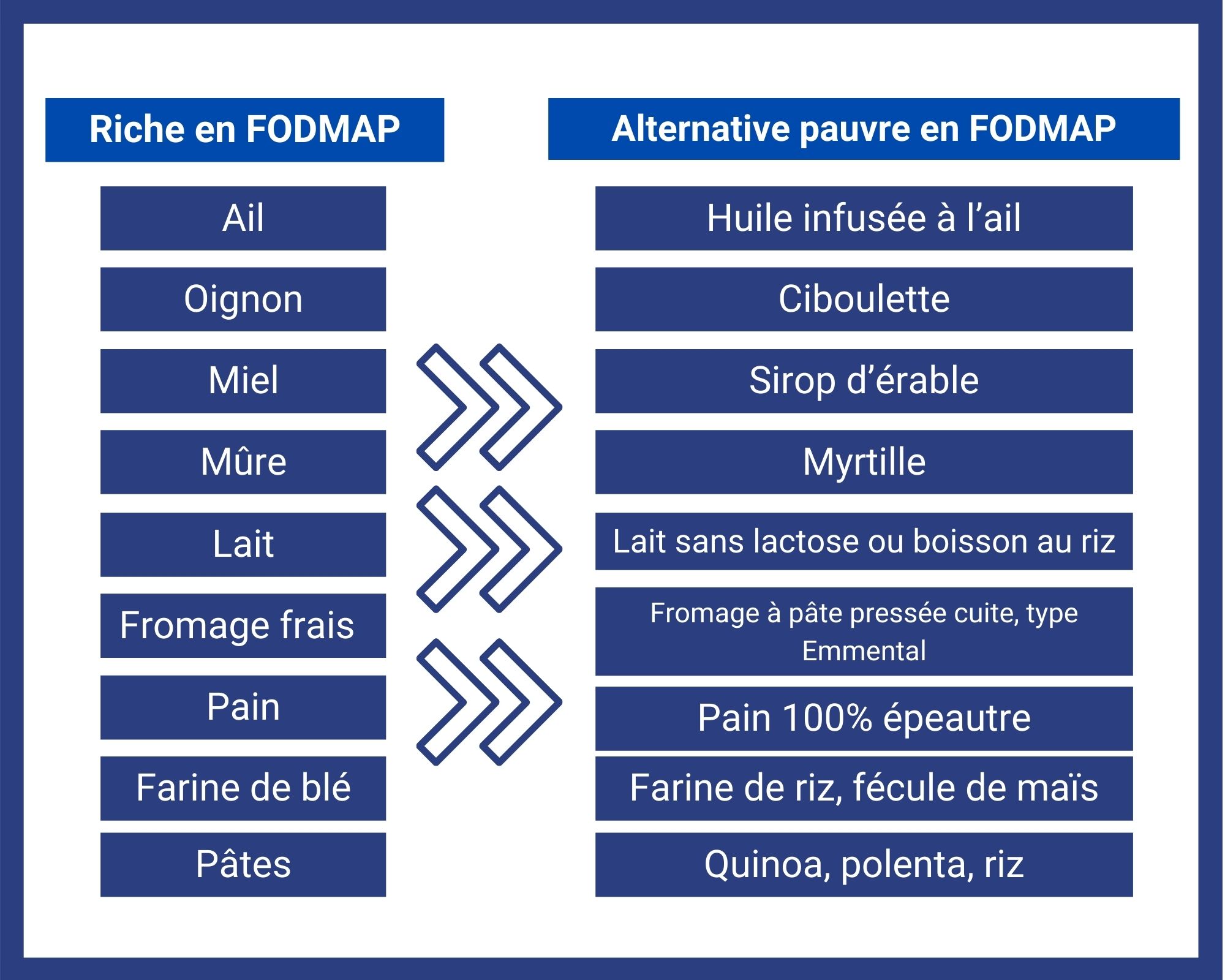
A reduction in the severity of symptoms (bloating, diarrhea, and pain) and an improvement in quality of life are observed in approximately 70% of patients following a low-FODMAP diet. These compounds are found in a wide variety of foods (Photo [Shido*]), such as certain fruits and vegetables, grains, dairy products, and processed foods, so it is difficult to eliminate them from your diet. In addition, a low-FODMAP diet should not be maintained for more than a few months. The implementation of such a diet must be supervised by a dietitian, otherwise it may be ineffective and lead to weight loss, deficiencies, or imbalances.

It should be noted that one study showed that the improvement in pain achieved through a low-FODMAP diet was not accompanied by an improvement in constipation or diarrhea.


What is the low-FODMAP diet?

To relieve symptoms and identify the sugars and foods that patients are intolerant to, they can follow a low-FODMAP diet for 4 to 8 weeks; this is the elimination phase, which aims to give the gut a rest. Following this phase, foods containing FODMAPs (see our low-FODMAP recipes) are reintroduced one by one on a daily basis to test tolerance. This allows patients to identify the foods that cause them symptoms and that they should therefore avoid. Conversely, foods that do not cause symptoms can be kept in the patient's diet.

Irritable

Recipes for the irritable bowel syndrome diet

To relieve pain, bloating, and other symptoms of irritable bowel syndrome, many patients turn to the low-FODMAP diet. At Nahibu, we offer low-FODMAP recipes to support you during the elimination phase. The term low-FODMAP is indicated in the recipe text. To help you in your kitchen, here is also a list of alternatives to high-FODMAP foods. Replace high-FODMAP foods with alternatives that contain little or no FODMAPs.

Low

Can IBS be treated with probiotics?

Probiotics are live microorganisms that, when administered in adequate amounts, have a positive effect on the host. Learn more about probiotics and prebiotics. The combination of lactobacilli and bifidobacteria helps restore the integrity of the intestinal barrier. It is now accepted that regular intake of certain probiotics relieves the symptoms of irritable bowel syndrome.

Studies have shown that in IBS patients with constipation, transit disorders and abdominal distension improve after one month of taking Bifidobacterium lactis. After two months of taking Bifidobacterium infantis, the production of certain inflammatory molecules is normalized and symptoms are improved.

How to live well with irritable bowel syndrome?

Irritable bowel syndrome is a multifactorial condition that is difficult to diagnose and often leaves patients wandering from doctor to doctor and suffering for several years. In addition to physical symptoms, psychological consequences are also observed in patients.

First and foremost, listen to your body: suffering from chronic pain or abdominal distension for several months or even years is not normal. What should you do if you experience these symptoms and think you may have IBS? Consult a doctor who can listen to you and refer you to a specialist if necessary.

Analysis of the intestinal flora to detect dysbiosis.

You can have your gut microbiota analyzed to detect dysbiosis, or an imbalance in your gut flora. The microbiota plays a major role in functional bowel disorders.

Once the diagnosis has been confirmed by a doctor, the question you will ask yourself is what should I eat if I have irritable bowel syndrome? If you want to test your tolerance to certain FODMAPs, you can exclude them for several weeks, with the help of a dietitian, to see if this relieves your symptoms. Then reintroduce the excluded foods one by one to test your tolerance. Seek the support of a dietitian who will motivate you and ensure that you do not suffer from any deficiencies. You will then know which foods to avoid in order to reduce pain, bloating, gas, and other discomforts.

Don't blame yourself. Stress is not the source of all your problems if you suffer from irritable bowel syndrome. However, it is an aggravating factor. It is therefore recommended that you adopt relaxation techniques such as meditation, cardiac coherence, or yoga to prevent your symptoms from worsening.

Finally, don't be afraid to talk about it. A large part of the population suffers from this increasingly well-known condition, so you are not alone. Don't hesitate to explain your symptoms so that those around you understand what you are going through and can support you as best they can, especially at mealtimes. You may also feel a weight lifted off your shoulders!

Sources: 

Irritable Bowel Syndrome: Epidemiology, Pathophysiology, Diagnosis, and Treatment. Dean Nathanial Defrees and Justin Bailey, 2017

Irritable bowel syndrome, the microbiota and the gut-brain axis. Hans Raskov, Jakob Burcharth, Hans-Christian Pommergaard and Jacob Rosenberg, 2016

Pathophysiology of irritable bowel syndrome. Gerald J Holtmann, Alexander C Ford and Nicholas J Talley, 2016

Discover more articles on the microbiota.
Partnership between Naetur and Nahibu

Partnership between Naetur and Nahibu

Naetur is a brand of 100% organic plant-based dietary supplements that promote better sleep, improved digestion, reduced fatigue, and enhanced recovery.

Partnership between the EffiNov Laboratory and Nahibu

Partnership between the EffiNov Laboratory and Nahibu

The French laboratory EffiNov, which specializes in micronutrition, develops a range of dietary supplements and functional foods. Their products are formulated by a team with multidisciplinary expertise (medical, nutritional, and scientific).
Partnership between Umamiz and Nahibu

Partnership between Umamiz and Nahibu

Umamiz offers products made from spirulina, a cyanobacterium with impressive properties. Whether it's Spirulina Givrée or Véritable Spirulina, the spirulina is 100% French and produced on the Umamiz farm.

Take care of your microbiota with Nahibu.
Does the gut microbiota play a role in colorectal cancer?

Does the gut microbiota play a role in colorectal cancer?

Does the gut microbiota play a role in colorectal cancer?

In this article, you will learn a little more about colorectal cancer, also known as colon cancer, even though it can affect the rectum. We explain everything you need to know about the symptoms, causes, and diet to adopt to protect yourself as much as possible from this disease.

What is colorectal cancer?

Colorectal cancer, a global health problem, is a malignant tumor affecting the lining of the colon (60% of cases) or the rectum, the last segment of the digestive tract connecting the colon to the anus (40% of cases). In 60 to 80% of cases, these cancers develop from a benign tumor, also known as a polyp. They generally develop over a period of 10 to 40 years through a sequence of genetic mutations.

Colorectal cancer is usually an adenocarcinoma, a malignant tumor that develops from glandular epithelium (tissue composed of closely packed cells). An adenoma, on the other hand, is a benign tumor of the glandular epithelium.


What are the symptoms?

The symptoms of colorectal cancer can resemble those of other health problems, such as constipation. If you experience any of the following signs, talk to your doctor:

 Bowel problems:

    • new or worsening constipation, or conversely, persistent diarrhea

    • Nausea and vomiting

    • a feeling of incomplete evacuation of the rectum after a bowel movement

    • a feeling that the rectum is full

    • an urgent need to have a bowel movement

    • stools that are narrower than usual

    • painful and ineffective efforts to expel feces.

 Blood in the stool:

    • presence of red or dark blood

    • Abnormally black stools.

 Abdominal or rectal pain.

 General symptoms, including:

    • unexplained weight loss

    • anemia

    • extreme fatigue

    • fever.

Colorectal


Who is affected by colorectal cancer?

Worldwide, there were 1.8 million new cases (about 10% of all new cancer cases) and 881,000 deaths in 2018. It is a global health problem, as it is the third leading cause of cancer death worldwide. The mortality rate for these cancers is declining in industrialized countries thanks to early screening.

In these countries, the lifetime risk of developing this disease is about 5%, and the risk of developing an adenoma, a benign tumor that can develop into cancer, is 20%. When the disease is localized and detected early, the cure rate is 70 to 90%.

In France, colorectal cancer is the third most common cancer in men and the second most common in women. The average age at diagnosis is 71 for men and 75 for women. In 2017, the number of cases was estimated at 45,000 in France.


What are the causes?

Genetic mutations are responsible for the development of cancer. Although certain forms have a genetic factor in their transmission, lifestyle and diet play a major role in their development.

Here are some modifiable factors that may promote the development of colorectal cancer:

  • A diet rich in red meat and processed meats
  • A diet low in fiber
  • Excessive and/or frequent alcohol consumption
  • Being overweight or obese
  • Smoking
  • A sedentary lifestyle.

Age is a non-modifiable factor: the risk of developing this cancer increases for everyone over the age of 50.

Heredity: the risk increases if a close relative (parents, siblings, or children) has already had this cancer. 

People with inflammatory bowel disease (IBD) are also at greater risk.

Take care of your microbiota with Nahibu.

Is the microbiota involved in the development of colorectal cancer?

The colon is a site prone to tumor development and is also where most of the gut microbiota resides.

Several studies have shown that the bacterial communities present in people with colon cancer are different from those in healthy people, which can lead to dysbiosis. Both bacteria associated with the colon mucosa and bacteria found in stool have been studied in these studies. In addition, the composition of the microbiota in cancer patients differs between the tumor and the area surrounding the tumor (see our article to learn all about the gut microbiota).

Several studies have identified different bacteria, but there appears to be an overall enrichment of Fusobacterium and Campylobacter species associated with the tumor mucosa compared to non-tumor tissue in the same patients. An enrichment of these species has also been observed in cancer patients compared to healthy patients.

The study of bacteria has identified several as potential contributors to the development of colorectal cancer. Streptococcus gallolyticus, whose DNA has been found in 20-50% of cancerous tissues, may contribute to tumor growth in some individuals. However, it could also be an opportunistic bacterium that does not contribute to its development but grows easily in the tumor environment. Escherichia coli is found in higher abundance in tumor tissues and may contribute to colon carcinogenesis. Fusobacterium nucleatum may also be involved in the initiation of the disease through its modulation of inflammation.

However, rather than a single bacterium being responsible, it seems more likely that the entire bacterial community and the compounds it produces play a role in carcinogenesis (the process of cancer formation).

Fats and bile acids

Diets high in fat are associated with a higher incidence of colorectal cancer. Diets high in saturated fat (mainly from animal products) increase the production of bile acids. However, the bacteria in the gut microbiota are involved in the metabolism of bile acids and could therefore contribute to the link between cancer and saturated fat. In response to the ingestion of saturated fats, the liver produces bile acids known as conjugated bile acids. These are transformed (or deconjugated) by gut bacteria into secondary bile acids: lithocholic and deoxycholic acids. However, these two compounds are elevated in patients with colon cancer and promote inflammation.

In addition, the bacterium Bilophila wadsworthia is found in greater quantities in people who eat animal products (meat and dairy). It is pro-inflammatory and can be detected by Nahibu's gut microbiota analysis. Controlling the levels of this bacterium could reduce colon inflammation, which plays a role in IBD (inflammatory bowel disease) and cancer.

However, the metabolism of bile acids by microorganisms may also have positive effects. Ursodeoxycholic acid appears to have beneficial effects in humans and animals. It is even approved as a therapy for primary biliary cirrhosis. Certain intestinal bacteria, including strains of Clostridium, Ruminococcus, and Eubacterium, can produce it from chenodeoxycholic acid.

Fiber and short-chain fatty acids

Intestinal bacteria can produce short-chain fatty acids (SCFAs) from the plant fibers we ingest. These fibers, which are not digested by our bodies, are fermented by our intestinal flora. They are found in fruits, vegetables, legumes, and whole grains. The SCFAs produced have an anti-inflammatory effect and may therefore have a protective effect against cancer.

Proteins

On the other hand, a diet rich in protein can lead to the production of harmful compounds by the microbiota, such as polyamines. High levels of these molecules are found in certain diseases, including cancer. The oxidative stress resulting from the breakdown of polyamines is thought to be the cause of their toxicity. In addition, certain pathogenic bacteria use polyamines to increase their virulence. 

Although the involvement of a high-protein diet in colon cancer remains a subject of debate, it is best to avoid consuming too much animal protein. On the other hand, dietary fiber found in fruits, vegetables, and legumes can limit protein fermentation in the colon and may therefore have a protective effect.

Alcohol

The product of alcohol breakdown, acetaldehyde, is carcinogenic and highly toxic. Bacteria in the oral microbiota are thought to be capable of forming this compound from alcohol, and it is possible that bacteria in the gut microbiota have the same property. It is therefore necessary to reduce alcohol consumption to limit the formation of this highly toxic compound.

Colorectal

What should you eat to protect yourself from colon cancer?

Recommendations can be made to reduce the risk of developing this disease. Nutrition plays an important protective role. You should limit your consumption of protein, especially animal protein (see our Top meat alternatives). On the other hand, fatty fish (tuna, sardines, salmon, herring, etc.), thanks to the omega-3 it contains, is believed to have anti-inflammatory properties. Why not include a few vegetarian meals in your weekly menu and choose fish over meat? It is also a good idea to reduce your consumption of fats such as butter, cream, processed foods, and dishes with sauces. Choose healthy fats such as olive oil, rapeseed oil, and flaxseed oil.

It is essential to limit your alcohol consumption, or even stop drinking altogether.

On the other hand, you should eat more vegetables, fruit, legumes, and whole grains. The fiber they contain has a protective role and contributes to the diversity of the microbiome. Replace refined flours with whole grain flours (whole grain bread, brown rice, etc.). Eat a variety of seasonal vegetables; half of a balanced plate should contain vegetables (find out more in our article on healthy and balanced eating). Don't forget to add aromatic herbs such as thyme, oregano, or basil to enrich your dishes with fiber, vitamins, and minerals.

Finally, it is important to maintain a healthy weight. Physical activity plays a beneficial role in weight management and also helps protect against cancer. It is therefore necessary to incorporate it into your daily routine: walking, cycling, swimming, Pilates, dancing, weight training, team sports… there are many ways to combine the useful with the enjoyable!


How is colorectal cancer diagnosed?

As mentioned above, patients with IBD are more prone to developing colon cancer. They should therefore be monitored regularly by a gastroenterologist and undergo appropriate screening.

People with parents who have or have had colon cancer should undergo early screening. Talk to your doctor, as it is essential not to skip these tests: when detected early, this disease has a better chance of being cured with appropriate treatment.

Free for all people between the ages of 50 and 74, screening involves a simple stool sample and can detect early-stage cancer. Talk to your doctor and don't neglect this test, which allows for early detection, prompt treatment, and therefore increased chances of survival.

Sources:

Microbes, Microbiota, and Colon Cancer. Cynthia L. Sears and Wendy S. Garrett. Cell Host & Microbe, March 12, 2014.

The gut microbiota, bacterial metabolites and colorectal cancer. Petra Louis, Georgina L. Hold, and Harry J. Flint. Nature Reviews Microbiology, September 8, 2014.

Microbiota: a key orchestrator of cancer therapy. Soumen Roy and Giorgio Trinchieri. Nature Reviews Cancer, March 17, 2017.

Global trends in colorectal cancer mortality: projections to the year 2035. Marzieh Araghi, Isabelle Soerjomataram, Mark Jenkins, James Brierley, Eva Morris, Freddie Bray, and Melina Arnold. International Journal of Cancer: 144, 2992–3000, 2019.

Ameli.fr

Discover more articles on the microbiota.

Partnership between Naetur and Nahibu

Partnership between Naetur and Nahibu

Naetur is a brand of 100% organic plant-based dietary supplements that promote better sleep, improved digestion, reduced fatigue, and enhanced recovery.

Partnership between the EffiNov Laboratory and Nahibu

Partnership between the EffiNov Laboratory and Nahibu

The French laboratory EffiNov, which specializes in micronutrition, develops a range of dietary supplements and functional foods. Their products are formulated by a team with multidisciplinary expertise (medical, nutritional, and scientific).

Partnership between Umamiz and Nahibu

Partnership between Umamiz and Nahibu

Umamiz offers products made from spirulina, a cyanobacterium with impressive properties. Whether it's Spirulina Givrée or Véritable Spirulina, the spirulina is 100% French and produced on the Umamiz farm.

Take care of your microbiota with Nahibu.
How Microbiota and Immunity Shape Your Health

How Microbiota and Immunity Shape Your Health

Immunity Begins in Your Gut

Did you know that nearly 70% of your immune system's cells are found in your gut?

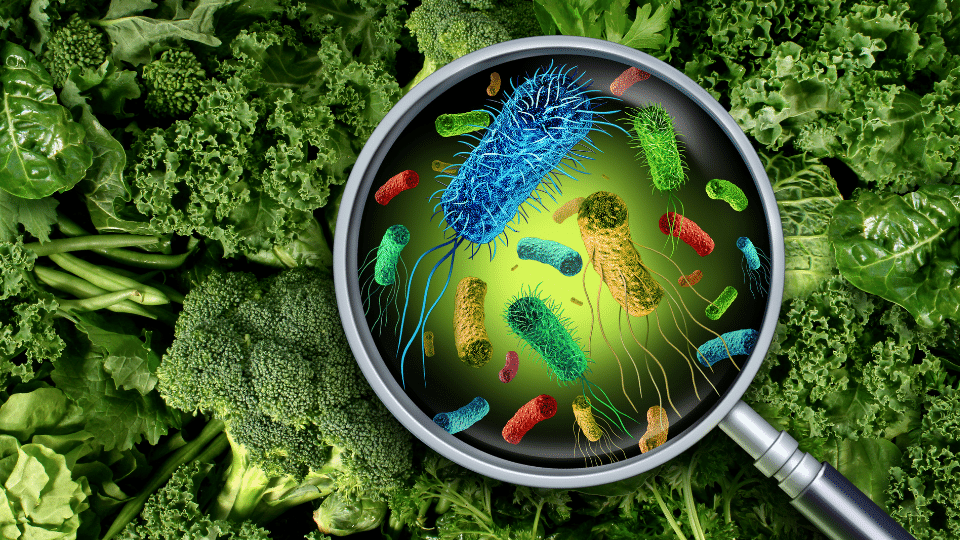
This figure alone illustrates the central link between the gut microbiota and the body's protection. A veritable ecosystem composed of billions of microorganisms, the microbiota not only aids digestion: it educates, modulates, and regulates immunity on a daily basis. When its balance is disrupted, a condition known as intestinal dysbiosis, the immune system can weaken or, conversely, become excessive and cause inflammation.
Understanding the link between microbiota and immunity is therefore essential for maintaining overall health. This is precisely what Nahibu analysis does, using shotgun metagenomic sequencing, the most advanced technology for exploring this invisible ecosystem and providing you with a roadmap to better intestinal well-being.

The gut: the command center of the immune system

The main role of the intestine is to ensure the absorption of nutrients from food into the bloodstream. Due to this constant contact with the external environment, it requires increased protection. This is why the intestine is the organ with the highest concentration of immune cells and the most active antibody production, making it a key organ for immunity.
It is lined with a specific immune tissue called GALT (Gut-Associated Lymphoid Tissue), which houses this high density of immune cells (lymphocytes, macrophages, etc.). The role of these cells is to continuously monitor what comes into contact with the body, whether nutrients, beneficial bacteria, or pathogens, and to respond appropriately.
In this context, the microbiota plays a decisive role:

  • It teaches the immune system to tolerate harmless microorganisms.
  • It triggers appropriate responses against pathogens.

This immune education begins at birth and continues throughout life.

microbiota-immunity-nahibu

The Intestinal Barrier: Highly Sophisticated Protection

To maintain this state of vigilance and tolerance, the intestine operates a defense system at various interconnected levels:

The Intestinal Epithelium (Selective Defense)

Intestinal cells (enterocytes) are connected to each other by tight junctions, ensuring selective permeability: only beneficial nutrients pass through. A disruption of this barrier (often called intestinal hyperpermeability) can allow toxic molecules to pass through and promote chronic inflammation.

The Mucosa and Mucus (Physical Defense)

Intestinal mucus forms a physical barrier rich in IgA antibodies and antimicrobial peptides. A balanced microbiota directly contributes to the quality of this protective layer, preventing unwanted bacteria from reaching the intestinal wall.

GALT (Immune Defense)

GALT immune cells receive information from the intestinal lining (particularly the microbiota) and epithelial cells. This dialogue triggers an appropriate immune response in the event of a pathogen invasion.

Commensal Microbiota (Biological Defense)

The 1013 beneficial microorganisms that make up the intestinal microbiota protect the body in two ways:

Barrier Effect:

They occupy space and compete with pathogens, preventing them from establishing themselves.

Production of Protective Substances:

They secrete bacteriocins and modulate pH, creating an environment that is hostile to unwanted microbes.

How the Microbiota Specifically Regulates Immunity

The dialogue between bacteria and immune cells is biochemical and relies on metabolites produced by our flora.

The Key Role of Short-Chain Fatty Acids (SCFAs)

Dietary fiber, which is not digested by our enzymes, is fermented by the microbiota. This process leads to the production of short-chain fatty acids (SCFAs), including butyrate, propionate, and acetate, which are essential for intestinal health.
SCFAs are crucial because they:

  • Nourish colon cells, for which they are the main source of energy.
  • Modulate the activity of immune cells.
  • Strengthen the intestinal barrier.

Butyrate, in particular, promotes the development of regulatory T cells (Tregs), which are responsible for maintaining immune tolerance and controlling inflammation.

Finding the Balance Between Tolerance and Defense

A healthy microbiota maintains a delicate balance between:

  • Anti-inflammatory Responses (Tolerance): Essential for preventing excessive reactions to food or beneficial bacteria. They play a protective role against allergies and autoimmune diseases.
  • Controlled Pro-inflammatory Responses: Necessary for eliminating pathogens.

This balance is fundamental to ensuring effective immunity without excess. A breakdown in this tolerance can lead to chronic inflammation, often linked to intestinal dysbiosis.

Intestinal Dysbiosis: When Immunity Goes Haywire

Intestinal dysbiosis is characterized by a loss of microbial diversity and an imbalance in favor of opportunistic species. This imbalance directly impacts the immune system by reducing the production of SCFA and altering the intestinal barrier.
Dysbiosis is strongly associated with (Source: AP-HP Research Foundation; COPMED):

Maintaining a diverse and balanced microbiota, particularly through a rich and varied diet, is therefore a major lever for supporting immunity and overall health.

How

Regulation is mainly based on metabolites produced by bacteria, such as Short-Chain Fatty Acids (SCFAs). These molecules act as signals for immune cells, promoting in particular the production of Regulatory T Cells (Tregs) which maintain tolerance and control inflammation.

What

Shotgun metagenomic sequencing is the technique used to measure the functional potential of your microbiota. For immunity, this means that Nahibu can assess your flora's ability to produce AGCCs (anti-inflammatory molecules) and strengthen the intestinal barrier, crucial information that cannot be obtained using basic analysis methods.

What

Signs include increased vulnerability to infections, chronic inflammation, allergies, or food intolerances. Intestinal dysbiosis can compromise the intestinal barrier and disrupt the balance between immune responses (tolerance vs. defense), requiring targeted action.

Nahibu: Understanding Your Immunity Through Metagenomic Sequencing

To effectively improve your gut health and, consequently, your immunity, it is essential to identify the weaknesses in your microbiota.
Nahibu uses shotgun metagenomic sequencing, the most comprehensive technology for analyzing the gut microbiota.
Unlike targeted analysis methods, shotgun technology allows:

  1. Identify bacteria down to the species level, providing the most comprehensive mapping possible.
  2. Analyze the biological functions that are actually present (production of SCFAs, vitamins, immunomodulatory metabolites).
  3. Assess the condition of your intestinal barrier and your inflammatory potential.

Why is Nahibu's expertise the key to your intestinal well-being?

  • 🔬 High Scientific Accuracy: Reliable results to understand the functional state of your flora.
  • 🇫🇷 French Expertise: Quality guarantees and rigorous protocols.
  • 🎯 Personalized Recommendations: We offer you a roadmap for tailored nutrition (via the Shido platform and our network of qualified professionals) to take concrete action on the balance of your microbiota and your defenses.

Take care of your microbiota with Nahibu.

Conclusion: Your Immunity Begins in Your Microbiota

The science is clear: a balanced microbiota is a fundamental pillar of immunity. By taking care of your gut health, you are directly influencing your natural defenses and preventing inflammatory diseases.
With Nahibu, you no longer have to guess: you understand the mechanisms that link your microbiota to your immune system. Thanks to our expertise in metagenomic sequencing, we give you the keys to move from theory to action.


Sources: 

  • Biocodex Microbiota Institute – Role of the gut microbiota in immune regulation
  • Lescuyer Laboratory – Microbiota and immunity
  • COPMED – Gut Microbiota and the Immune System
  • AP-HP Research Foundation – Gut microbiota and research
  • Medicine/Science – Microbiota-immunity interactions

Take care of your microbiota with Nahibu.
Discover more articles on the microbiota.

Partnership between Naetur and Nahibu

Partnership between Naetur and Nahibu

Naetur is a brand of 100% organic plant-based dietary supplements that promote better sleep, improved digestion, reduced fatigue, and enhanced recovery.

Partnership between the EffiNov Laboratory and Nahibu

Partnership between the EffiNov Laboratory and Nahibu

The French laboratory EffiNov, which specializes in micronutrition, develops a range of dietary supplements and functional foods. Their products are formulated by a team with multidisciplinary expertise (medical, nutritional, and scientific).

Partnership between Umamiz and Nahibu

Partnership between Umamiz and Nahibu

Umamiz offers products made from spirulina, a cyanobacterium with impressive properties. Whether it's Spirulina Givrée or Véritable Spirulina, the spirulina is 100% French and produced on the Umamiz farm.

Take care of your microbiota with Nahibu.