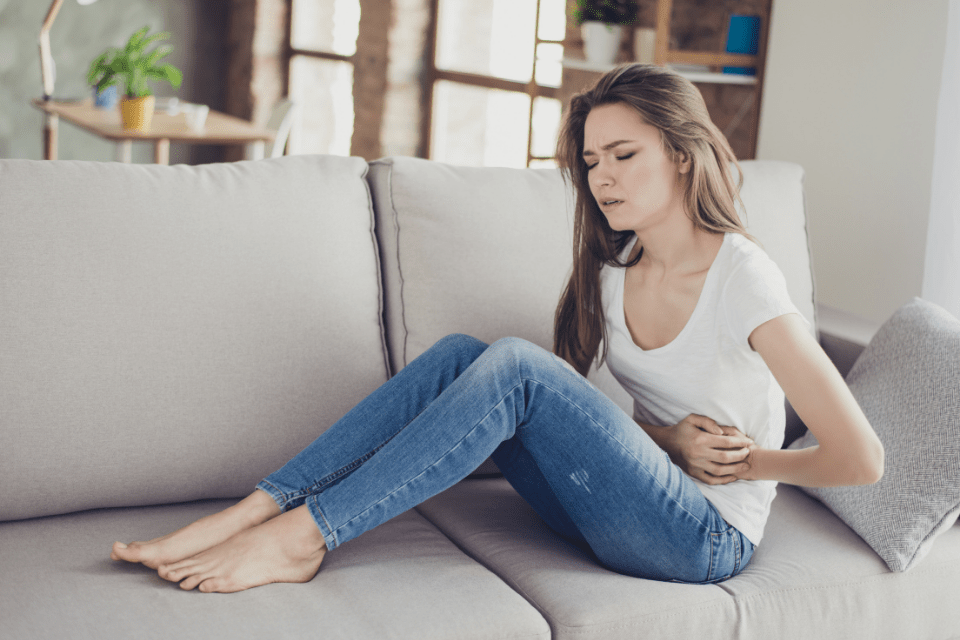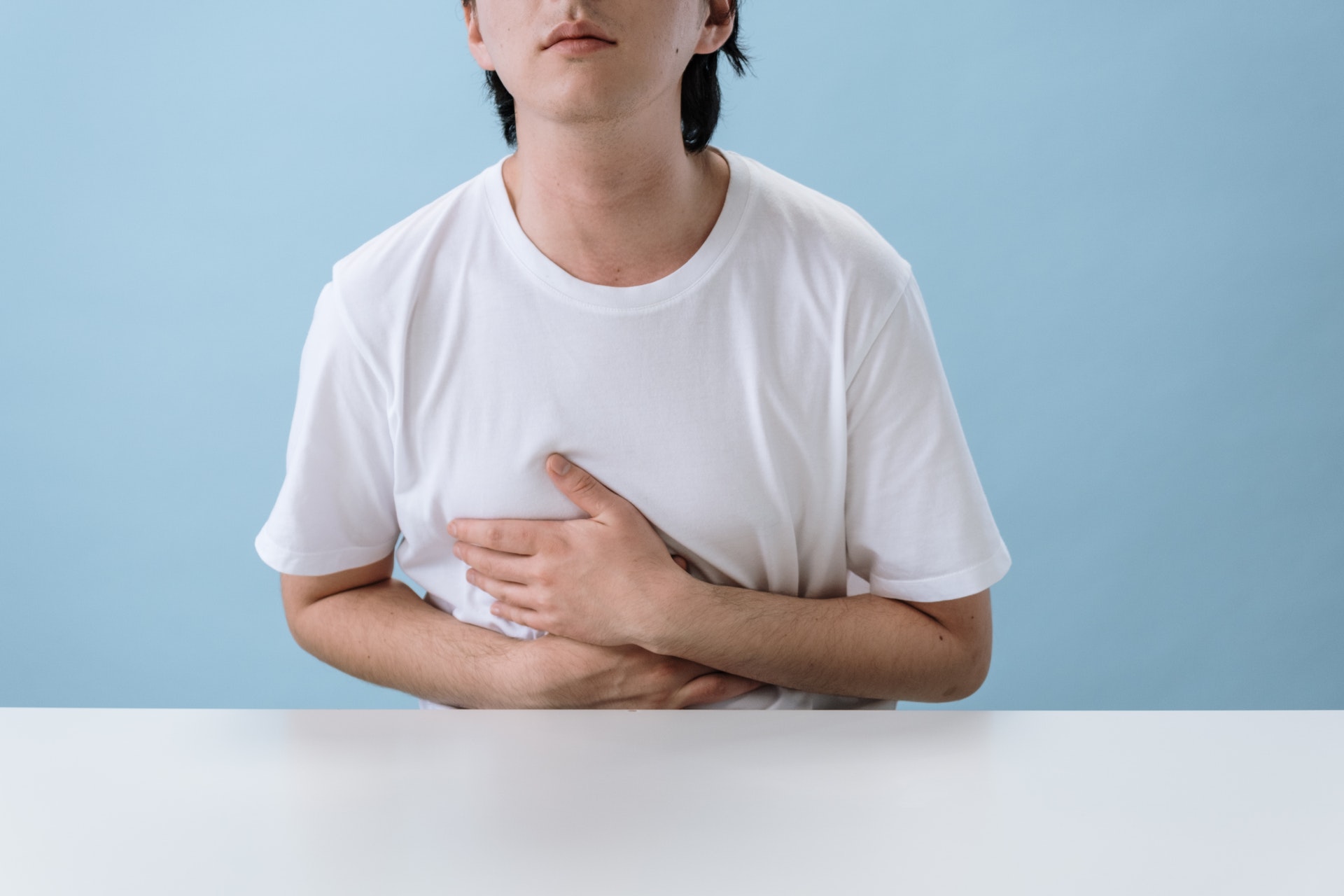
Is an unbalanced microbiota the cause of obesity?

Is an unbalanced microbiota the cause of obesity?

Is an unbalanced microbiota the cause of obesity?

How significant is obesity worldwide?

According to the World Health Organization (WHO), in 2016, 1.9 billion people were overweight and more than 2.8 million people die each year as a result of being overweight or obese. After affecting high-income countries, the so-called obesity epidemic is now also affecting low- and middle-income countries.

Body Mass Index (BMI), an indicator of body size, is the most commonly used measure to define obesity and overweight. It is calculated by dividing weight in kilograms by the square of height in meters. A BMI between 25 and 30 is considered overweight; above 30 is considered obese. Excess body fat poses numerous health risks, especially if the fat is abdominal.

There are different degrees of obesity, with the health risks increasing accordingly. Many chronic diseases such as type 2 diabetes, cardiovascular disease, and cancer have overweight and obesity as risk factors. This is why maintaining a healthy weight (BMI between 18.5 and 25) is a major public health issue.

Despite preventive measures and existing therapeutic solutions (diet, surgery, psychological support, etc.), obesity has been steadily increasing for several decades, with figures almost tripling worldwide since 1975. It is a complex disease, the causes of which sometimes lie elsewhere than in eating habits.

An imbalance in the gut microbiota in obese people.

According to the WHO, 41 million children under the age of 5 were overweight or obese in 2016. It is said that an obesogenic microbiota develops from birth. The gut microbiota is the collection of microorganisms present in the intestine that contribute to digestion and our overall health. So what role does the microbiota play in obesity?

According to numerous scientific studies, there is now a clear link between microbiota and weight gain. The intestinal flora of an obese person is significantly different from that of a person of normal weight.

One of the first scientific studies on the link between obesity and microbiota observed that mice lacking intestinal microbiota since birth were thinner than normal mice, despite a higher calorie intake. This is explained by the ability of our bacteria to extract additional calories from food, allowing us to get the most out of our diet. Furthermore, the characteristics of obesity were transferable to mice without intestinal flora by transplanting microbes from obese mice into them. This means that the presence of obese microbiota in mice that previously had no intestinal bacteria caused obesity. These results suggest a close link between obesity and microbiota. However, these experiments were conducted on mice, and the microbiota transplant was performed on mice that did not have microbiota. No human is devoid of gut microbes…

In humans and animals, obesity is associated with lower microbial diversity. In addition, in obese individuals, the proportion of the Firmicutes phylum increases while the Bacteroidetes phylum tends to decrease. This would make it easier to extract energy from food and increase the storage of calories as fat in adipose tissue. Deficits in Akkermansia muciniphila, a bacterium with beneficial effects on the gut, have also been observed in overweight individuals.

Today, there is a clear link between altered microbiota and weight gain.

Is the microbiota the cause of obesity?

Changes in the intestinal microbial composition of overweight or obese people have been observed. So, is the microbiota responsible for weight gain? It's not that simple. The development of obesity is multifactorial, and it is impossible to identify a single cause. It is the result of complex interactions between genetic and environmental factors and the intestinal microbiota.

Take care of your microbiota with Nahibu.

How does the microbiota regulate food intake?

Intestinal bacteria produce compounds when digesting food residues in the colon. These compounds, or metabolites, have an effect on our tissues but also on the brain, either directly or indirectly by acting via nerve fibers such as the vagus nerve, which connects the intestine and the brain. They influence metabolism, appetite, and food intake.

The gut microbiota produces neurotransmitters such as serotonin and GABA (gamma-aminobutyric acid) which regulate appetite. Serotonin suppresses appetite by modulating melanocortin neurons, which control body weight maintenance. GABA, on the other hand, stimulates food intake and is essential for regulating energy balance.

Other important metabolites, short-chain fatty acids (acetate, butyrate, and propionate), are also produced by bacterial fermentation. They can alter the release of hormones from the gut into the bloodstream and thus regulate appetite.

Probiotics

Probiotics for weight loss?

The imbalance in the microbiota found in obese people is not irreversible. A study has shown that the changes observed in the microbiota (increase in Firmicutes and decrease in Bacteroidetes) were reduced following a change in diet aimed at losing weight and fat mass in obese people.

Can we modify our intestinal flora to lose weight? The ability to modulate the gut microbiota and its link to excess weight opens up new treatment opportunities. One of the most promising options is to modify its composition. The presence or absence of certain bacteria in the gut microbiota appears to play a significant role in weight gain.

Probiotics, living microorganisms that, when administered in adequate amounts, confer a beneficial effect on the host, offer treatment possibilities. Bifidobacterium and Lactobacillus species are among the most commonly used in probiotics and are thought to have anti-obesity effects. Akkermansia muciniphila may also have beneficial effects by reversing the metabolic effects of obesity. However, most studies testing these probiotics have been conducted on rodents, so it is currently impossible to conclude on the effectiveness of a particular bacterium in preventing or treating obesity in humans.

Prebiotics, on the other hand, are non-digestible compounds which, after being metabolized by intestinal microorganisms, modulate the composition of the microbiota, its activity, or both, generating positive effects on the host.

A diet rich in fiber, and therefore rich in prebiotics naturally present in food, increases the abundance of beneficial bacteria such as certain species of Bifidobacterium and Lactobacillus. It is therefore better to view the microbiota as an ally against obesity.

Conclusion:

It is difficult to determine whether the microbiota is the cause of obesity because many environmental and genetic factors are involved in the development of this disease. An imbalance in the microbiota and changes in the abundance of certain species have been observed in obese individuals compared to healthy individuals. Obesity and overweight are therefore associated with an altered microbial signature. However, the biological mechanisms that regulate weight gain, appetite, and satiety are complex, and it seems difficult to identify a bacterium that will cure obesity.

At present, it is preferable to focus on preventive measures such as regular physical activity, a balanced diet, and monitoring the balance of one's gut microbiota. The presence of a variety of fibers in the diet not only increases the richness of the gut microbiota, but also increases the feeling of satiety, improves the production of short-chain fatty acids, and regulates fat absorption. It is therefore recommended to eat sufficient amounts of fruits, vegetables, and legumes (at least five servings per day) to best combat excess weight. Regular physical activity burns calories and also promotes microbiota diversity. Finally, an imbalance in the gut flora, possibly linked to excess weight, can be revealed by a microbiota analysis.

Discover more articles on the microbiota.

Is an unbalanced microbiota the cause of obesity?

Is an unbalanced microbiota the cause of obesity?

According to the WHO, 41 million children under the age of 5 were overweight or obese in 2016. It is said that an "obesogenic" microbiota develops from birth. So what role does the microbiota play in obesity?

Take care of your microbiota with Nahibu.
Irritable bowel syndrome: a disease of the microbiota?

Irritable bowel syndrome: a disease of the microbiota?

Irritable bowel syndrome: a disease of the microbiota?

This article will help you understand what irritable bowel syndrome, or functional colopathy, is. Discover the symptoms of irritable bowel syndrome and the role of microbiota in these symptoms: you will learn how to diagnose intestinal dysbiosis in cases of irritable bowel syndrome. We will also explain what the FODMAP diet is and what foods reduce the symptoms of this syndrome.  

What is irritable bowel syndrome or functional colopathy?

Irritable bowel syndrome (IBS), also known as functional bowel disorder or irritable bowel syndrome, affects 10 to 15% of the world's population, two-thirds of whom are women. It is a multifactorial disease involving genetic and environmental factors (stress, diet, age, geographical origin, antibiotic treatment, infections, etc.). This disease is the main reason for gastroenterology consultations, accounting for up to half of them!

Irritable

What are the symptoms of irritable bowel syndrome?

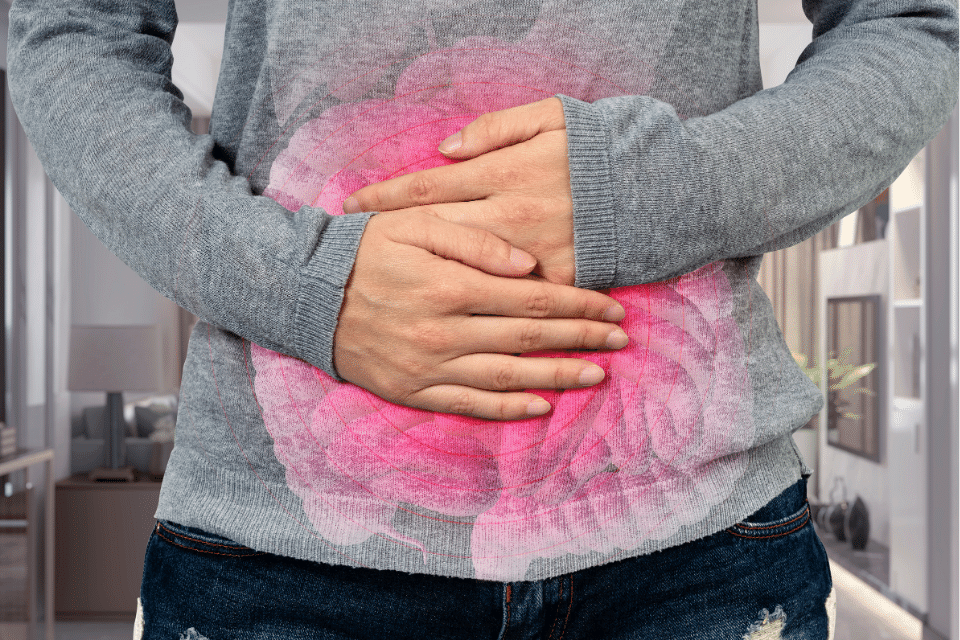
Irritable bowel syndrome is characterized by chronic abdominal pain, bloating, and digestive problems, often associated with fatigue, anxiety, or depression (up to 75% of patients), nausea, headaches, and sleep disorders. This condition is considered benign because it does not develop into cancer (e.g., colorectal cancer). It is also called functional bowel disorder because it does not cause structural changes in the intestine.


Is it difficult to diagnose irritable bowel syndrome?

Patients sometimes have to overcome a real obstacle course to get a diagnosis of irritable bowel syndrome. Diagnosis often takes a long time (from several months to several years), as the symptoms can be associated with other diseases such as chronic inflammatory bowel disease or gluten allergy.

Patients often hear that stress is the source of their problems. This lack of understanding, along with the wide range of symptoms, impacts their quality of life and mental and social well-being. Pain and discomfort lead patients to decline dinner invitations and eat alone to avoid questions from those around them. They may feel guilty, believing that stress is responsible for their problems. In addition, intestinal disorders are a taboo subject that people rarely dare to discuss with their loved ones.

The diagnosis of this disease is based on the Rome criteria. The patient must have experienced recurrent abdominal pain at least once a week for at least the previous three months, with symptoms appearing more than six months ago. This pain must be associated with transit disorders. Functional colopathy can be associated with constipation or diarrhea.

It should be noted that women suffer from IBS associated with constipation more often than men. As these signs can also be observed in other diseases, the practitioner must proceed by process of elimination through questioning and additional tests.

The causes of abdominal pain are motility disorders (progression of stool through the intestine), intestinal hypersensitivity, immune activation, intestinal microbiota imbalance, and intestinal barrier disturbances.

At present, there is no cure for IBS. The available drug and probiotic treatments can relieve certain symptoms but do not cure the disease.

Irritable

Is the microbiota the cause of irritable bowel syndrome?

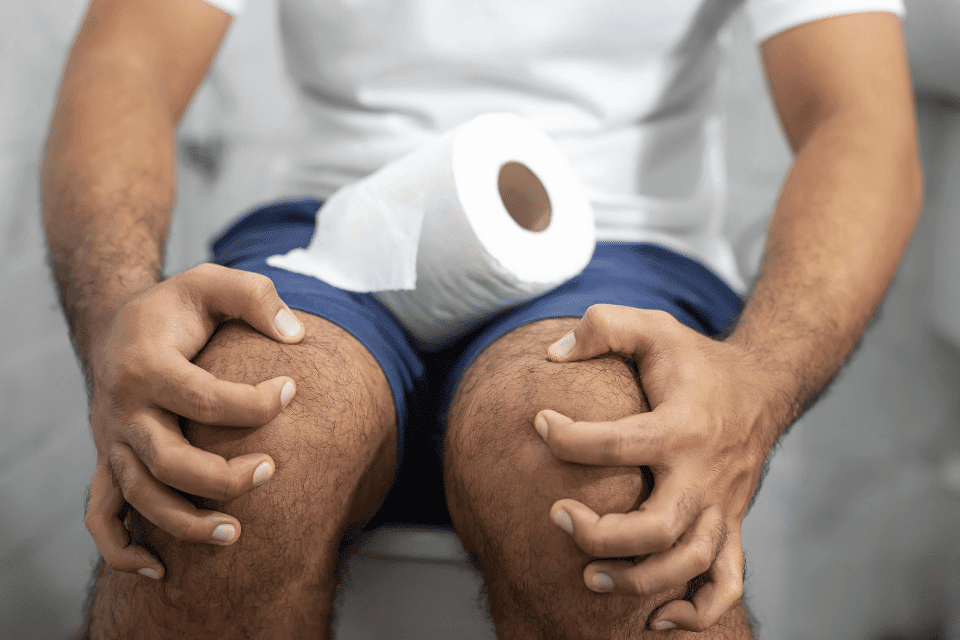
The gut microbiota, the collection of microorganisms that colonize the intestine, plays a major role in perpetuating symptoms. The gut-brain axis is a bidirectional system that integrates the brain and gastrointestinal functions such as motility, appetite, and weight maintenance, and in which the gut flora plays a key role. In addition, the loss of microbiota balance, known as dysbiosis, is thought to play a role in initiating IBS and contributing to symptoms. This dysbiosis is characterized by an increase in pathogenic species and a decrease in lactobacilli and bifidobacteria.

It triggers an immune response and low-grade inflammation, which is why irritable bowel syndrome is now thought to be a disease of the microbiota and the gut-brain axis. A loss of bacterial diversity has been measured in more than 70% of cases. These abnormalities in the microbiota and the consequences on the gut-brain axis lead to changes in intestinal motility and secretions, contributing to visceral hypersensitivity and alterations in the enterocrine (hormone production) and immune systems.

IBS frequently occurs following a severe intestinal infection, or gastroenteritis, which has reduced the diversity of the intestinal flora and is often accompanied by SIBO (small intestinal bacterial overgrowth). Antibiotic treatments and stress are also risk factors, as are genetic susceptibilities.

Take care of your microbiota with Nahibu.

Is irritable bowel syndrome an inflammatory disease?

A 15 to 50% increase in intestinal permeability has been measured in patients. This hyperpermeability allows the microbiota to cause inflammation and could affect the central nervous system by increasing the level of cytokines (inflammatory molecules) infiltrating the circulation. The low-level inflammation thus created causes visceral hypersensitivity to pain, neuromuscular dysfunction, and transit disorders in cases of irritable bowel syndrome.

The infiltration of immune cells near visceral neurons observed in some patients is associated with bloating, pain, and symptom severity.

Stress is an aggravating factor in IBS because it activates the immune system.

Irritable

What to eat if you have irritable bowel syndrome?

Irritable bowel syndrome is more common in Western societies, suggesting that diet plays a role in IBS, as we know that a Western diet (high in fast-acting sugars, saturated fats, and processed foods) causes the development of pro-inflammatory microbiota.

In addition, up to 89% of patients experience symptoms triggered by meals and the ingestion of specific foods. It is in this context that research began on FODMAPs, fermentable oligosaccharides, disaccharides, monosaccharides, and polyols. These sugars are poorly digested by our bodies but are rapidly fermented by our gut bacteria.

Irritable

Why are FODMAPs bad for IBS patients?

The compounds produced mainly during the fermentation of FODMAPs are short-chain fatty acids (SCFAs), which are beneficial to health. However, in IBS patients, some of the microbes that produce SCFAs are altered, and consuming FODMAPs increases gas volume and abdominal pain. Patients with increased visceral sensitivity experience even more painful bloating and gas. Does this mean we should stop eating FODMAPs? No, in people who do not suffer from irritable bowel syndrome, FODMAPs do not cause any problems and can be consumed without restriction.

A reduction in the severity of symptoms (bloating, diarrhea, and pain) and an improvement in quality of life are observed in approximately 70% of patients following a low-FODMAP diet. These compounds are found in a wide variety of foods (Photo [Shido*]), such as certain fruits and vegetables, grains, dairy products, and processed foods, so it is difficult to eliminate them from your diet. In addition, a low-FODMAP diet should not be maintained for more than a few months. The implementation of such a diet must be supervised by a dietitian, otherwise it may be ineffective and lead to weight loss, deficiencies, or imbalances.

It should be noted that one study showed that the improvement in pain achieved through a low-FODMAP diet was not accompanied by an improvement in constipation or diarrhea.


What is the low-FODMAP diet?

To relieve symptoms and identify the sugars and foods that patients are intolerant to, they can follow a low-FODMAP diet for 4 to 8 weeks; this is the elimination phase, which aims to give the gut a rest. Following this phase, foods containing FODMAPs (see our low-FODMAP recipes) are reintroduced one by one on a daily basis to test tolerance. This allows patients to identify the foods that cause them symptoms and that they should therefore avoid. Conversely, foods that do not cause symptoms can be kept in the patient's diet.

Irritable

Recipes for the irritable bowel syndrome diet

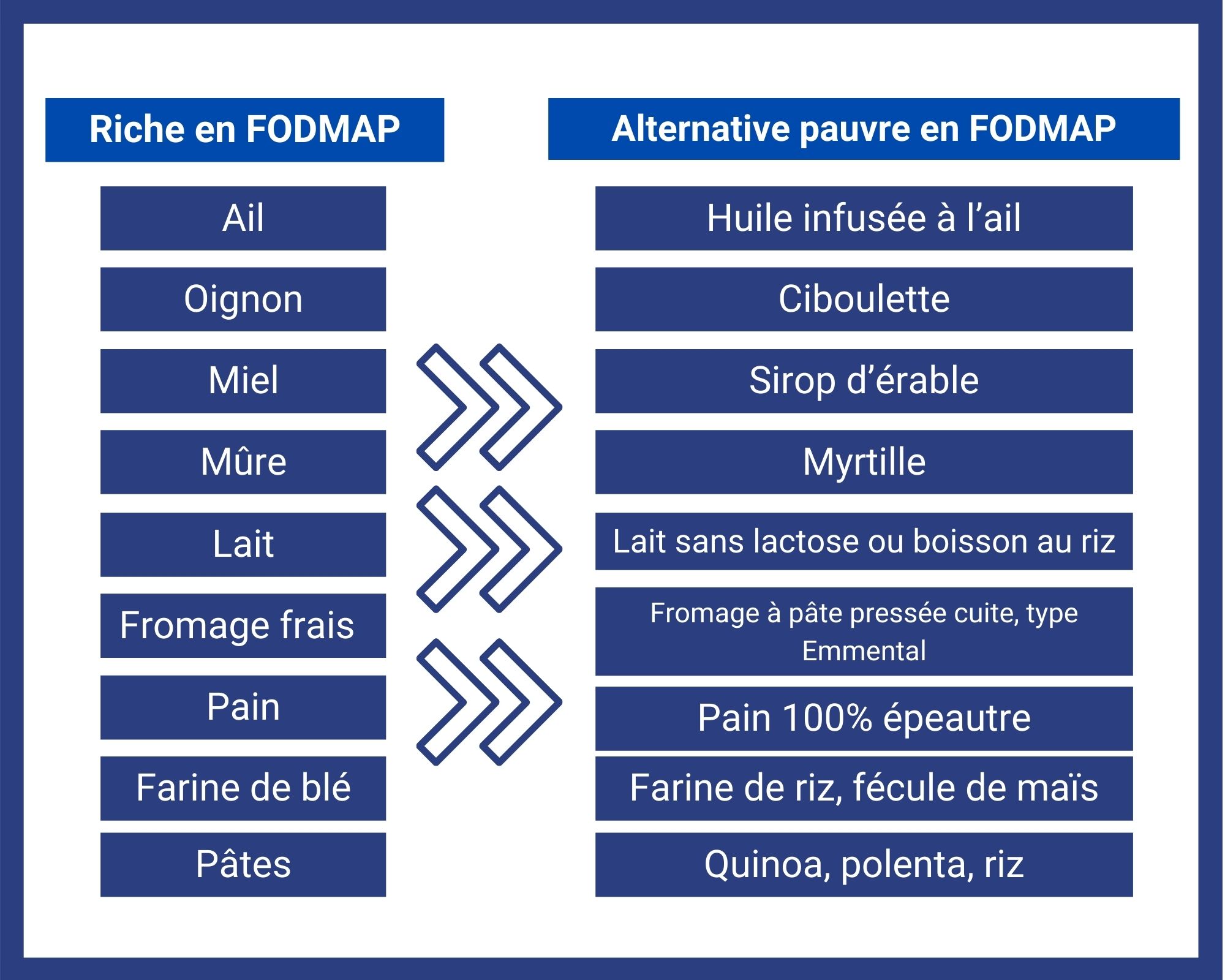
To relieve pain, bloating, and other symptoms of irritable bowel syndrome, many patients turn to the low-FODMAP diet. At Nahibu, we offer low-FODMAP recipes to support you during the elimination phase. The term low-FODMAP is indicated in the recipe text. To help you in your kitchen, here is also a list of alternatives to high-FODMAP foods. Replace high-FODMAP foods with alternatives that contain little or no FODMAPs.

Low

Can IBS be treated with probiotics?

Probiotics are live microorganisms that, when administered in adequate amounts, have a positive effect on the host. Learn more about probiotics and prebiotics. The combination of lactobacilli and bifidobacteria helps restore the integrity of the intestinal barrier. It is now accepted that regular intake of certain probiotics relieves the symptoms of irritable bowel syndrome.

Studies have shown that in IBS patients with constipation, transit disorders and abdominal distension improve after one month of taking Bifidobacterium lactis. After two months of taking Bifidobacterium infantis, the production of certain inflammatory molecules is normalized and symptoms are improved.

How to live well with irritable bowel syndrome?

Irritable bowel syndrome is a multifactorial condition that is difficult to diagnose and often leaves patients wandering from doctor to doctor and suffering for several years. In addition to physical symptoms, psychological consequences are also observed in patients.

First and foremost, listen to your body: suffering from chronic pain or abdominal distension for several months or even years is not normal. What should you do if you experience these symptoms and think you may have IBS? Consult a doctor who can listen to you and refer you to a specialist if necessary.

Analysis of the intestinal flora to detect dysbiosis.

You can have your gut microbiota analyzed to detect dysbiosis, or an imbalance in your gut flora. The microbiota plays a major role in functional bowel disorders.

Once the diagnosis has been confirmed by a doctor, the question you will ask yourself is what should I eat if I have irritable bowel syndrome? If you want to test your tolerance to certain FODMAPs, you can exclude them for several weeks, with the help of a dietitian, to see if this relieves your symptoms. Then reintroduce the excluded foods one by one to test your tolerance. Seek the support of a dietitian who will motivate you and ensure that you do not suffer from any deficiencies. You will then know which foods to avoid in order to reduce pain, bloating, gas, and other discomforts.

Don't blame yourself. Stress is not the source of all your problems if you suffer from irritable bowel syndrome. However, it is an aggravating factor. It is therefore recommended that you adopt relaxation techniques such as meditation, cardiac coherence, or yoga to prevent your symptoms from worsening.

Finally, don't be afraid to talk about it. A large part of the population suffers from this increasingly well-known condition, so you are not alone. Don't hesitate to explain your symptoms so that those around you understand what you are going through and can support you as best they can, especially at mealtimes. You may also feel a weight lifted off your shoulders!

Sources: 

Irritable Bowel Syndrome: Epidemiology, Pathophysiology, Diagnosis, and Treatment. Dean Nathanial Defrees and Justin Bailey, 2017

Irritable bowel syndrome, the microbiota and the gut-brain axis. Hans Raskov, Jakob Burcharth, Hans-Christian Pommergaard and Jacob Rosenberg, 2016

Pathophysiology of irritable bowel syndrome. Gerald J Holtmann, Alexander C Ford and Nicholas J Talley, 2016

Discover more articles on the microbiota.

Is an unbalanced microbiota the cause of obesity?
Is an unbalanced microbiota the cause of obesity?

According to the WHO, 41 million children under the age of 5 were overweight or obese in 2016. It is said that an "obesogenic" microbiota develops from birth. So what role does the microbiota play in obesity?

Take care of your microbiota with Nahibu.
What are inflammatory bowel diseases?

What are inflammatory bowel diseases?

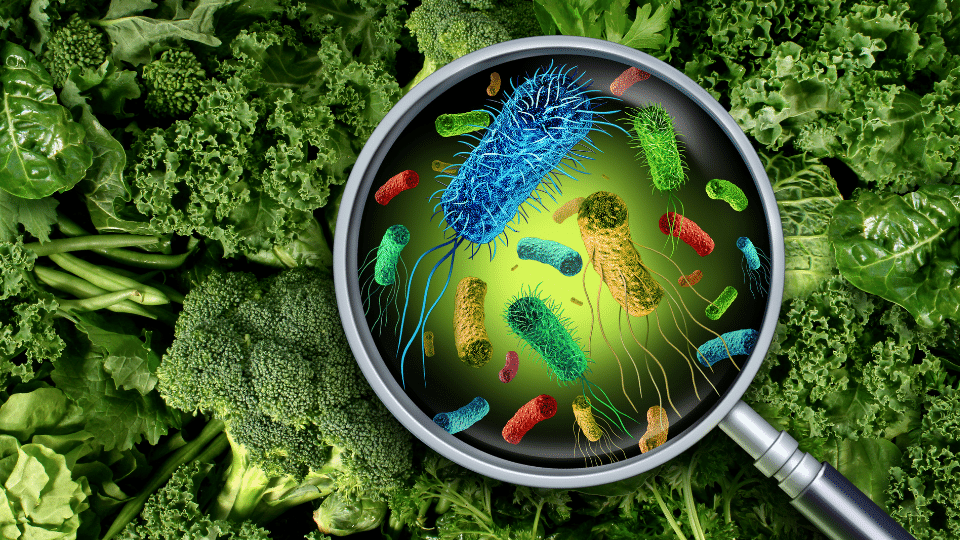
In this article, you will learn how to recognize chronic inflammatory bowel diseases. IBD includes ulcerative colitis and Crohn's disease. You will discover the symptoms of these chronic intestinal disorders, their potential causes, and the role of microbiota in their development.

What are chronic inflammatory bowel diseases?

Chronic inflammatory bowel disease (IBD) affects 10 million people worldwide, 3 million in Europe, including 250,000 in France. According to the Association François Aupetit (AFA), 8,000 new cases are diagnosed each year, and this trend is on the rise. The peak age for diagnosis is between 15 and 35 years old. IBD is particularly prevalent in Western countries and Northern Europe.

The term IBD covers Crohn's disease (CD) and ulcerative colitis (UC). Both are characterized by inflammation of the lining of part of the digestive tract, due to hyperactivation of the enteric immune system. They are therefore considered autoimmune diseases. Genetic and environmental factors and an imbalance in the intestinal flora are among the identified causes of these inflammatory diseases. However, the exact origin of these conditions remains unknown and no cure has yet been developed.

Crohn's disease and ulcerative colitis: what are the differences?

Both diseases affect men and women equally, with onset most commonly occurring between the ages of 20 and 40. CD can affect all parts of the digestive tract, from the mouth to the anus, while UC can affect the rectum and colon (either entirely or partially), but never affects the anus or small intestine. Both diseases progress in flare-ups: phases of more or less severe symptoms alternate with phases of remission without symptoms.

person

What are the symptoms of IBD? 

The symptoms of these diseases are varied and debilitating: often severe abdominal pain, the urge to go to the bathroom up to fifteen times a day, which is urgent and impossible to control. Patients may experience diarrhea, sometimes with blood. These symptoms may be accompanied by extreme fatigue, loss of appetite, weight loss, etc. Complications can also affect the anal region (fissures, fistulas, abscesses).

IBD can be associated with rheumatoid arthritis affecting the joints of the limbs (ankles, knees, wrists, etc.) or the spine (spondylitis), mouth ulcers, erythema nodosum (hard, red, painful swellings the size of a walnut on the legs and forearms), uveitis (inflammation of the central part of the eyes), or inflammation of the bile ducts.

The symptoms, particularly pain and diarrhea, complicate patients' lives: work meetings, outings, using public transportation, classes, and other social activities become difficult to participate in. This can affect patients' psychological well-being and lead to withdrawal and feelings of loneliness.

How is IBD diagnosed? 

People with symptoms of IBD should consult a doctor, who will review their medical history, use of nonsteroidal anti-inflammatory drugs and antibiotics, and perform an examination. Infectious causes, such as those acquired while traveling abroad, must be ruled out. Following a consultation with a gastroenterologist, a colonoscopy, a visual examination of the colon using a probe, showing changes in the villi of the intestine, can confirm the diagnosis. Unlike irritable bowel syndrome, the structure of the intestine is damaged in IBD patients. Colonoscopy can also confirm the extent of the changes.

A blood test may reveal anemia and thrombocytosis (increased number of circulating platelets), which are common in cases of IBD. Hypoalbuminemia and vitamin deficiencies may indicate associated malnutrition.

unbalanced

What causes IBD? 

The causes of these diseases are not fully understood. Genetic and environmental factors contribute to the inflammatory process. Although these diseases are not hereditary, people with a parent, sibling, or child with IBD are five times more likely to develop the disease themselves. More than 200 genetic mutations are linked to the development of these conditions.

Environmental factors, particularly diet, appear to play an important role in the development of IBD. A diet high in saturated fats and processed meat is associated with a higher risk, while a high-fiber diet reduces the risk of developing IBD. Medications that disrupt the gut microbiota (antibiotics, statins, etc.) can also increase the risk of developing these diseases. The host's immune response is involved in the development of IBD, as are disturbances in the intestinal barrier. Two main hypotheses could explain, at least in part, the onset of IBD.

The hygiene hypothesis 

In modern Western societies, children are increasingly less exposed to microbes in the environment. This is due to the extensive use of household disinfectants and a predominantly urban lifestyle. This insufficient exposure to various microbes during childhood could prevent the optimal development of immune defenses and microbiota. In fact, a child exposed to infectious agents will strengthen their immune system and, as an adult, will have a better immunological response to new antigens. The hygiene hypothesis proposes that the increase in immunological disorders in adults is partly caused by a lack of exposure to a wide variety of microorganisms during childhood. As IBDs are immune diseases, the sanitized environment in which we live could be linked to their development.

Diet and IBD 

A low-fiber diet reduces the production of short-chain fatty acids (SCFAs) and the presence of SCFA-producing bacteria. However, SCFAs, mainly butyrate, may play a key role in IBD because they modulate the immune response. SFA-producing bacteria are found in lower quantities in IBD patients, and lower levels of SFA have been found in the stools of children with IBD. All of this seems to indicate that there is a link between diet and the development of IBD, through the action of SFA.

What foods should be avoided? Processed foods can reduce the diversity of the microbiota and affect the impermeability of the intestinal barrier, so it is recommended to avoid them in order to maintain a healthy intestinal balance. The same applies to alcohol, which, when consumed regularly, reduces the biodiversity of your intestines. However, there is no guarantee that a diet low in processed foods or alcohol will prevent the onset of IBD.

Nahibu

What are the treatments for IBD? 

Currently available drug treatments do not cure the disease but can reduce the intensity, duration, and recurrence of flare-ups.

Surgery is sometimes necessary for certain patients. Twenty to thirty percent of patients with ulcerative colitis undergo surgery during their lifetime. As for Crohn's disease, half of patients undergo surgery within 10 years of diagnosis.

Patients with UC have an increased risk of developing colon cancer, so regular colonoscopies are necessary to monitor this risk. Since the introduction of corticosteroid treatments, the life expectancy of patients with UC is similar to that of healthy individuals. Patients with CD have a slightly higher mortality rate than the healthy population (1.3 to 1.5 times higher), depending on the area affected (small intestine, colon, or both) and the occurrence of complications such as colorectal cancer, anemia, and malnutrition.

intestinal

What role does the microbiota play in immune diseases such as IBD?

Dysbiosis, or an imbalance in the gut microbiota, appears to play a role in IBD. A decrease in the diversity of the gut flora has been correlated with the development of these diseases. There is a predominantly observed decrease in the Firmicutes population and an increase in Proteobacteria and Bacteroidetes. This can decrease the production of SCFAs and alter the host's immune response. There is also an increase in bacteria that feed on mucins, such as Proteobacteria, which affects the intestinal barrier and overall bacterial composition.

The bacterium Faecalibacterium prausnitzii has an anti-inflammatory effect thanks to its production of butyrate from ingested food. However, this bacterium is found in lower quantities in patients with Crohn's disease. Reduced levels of this bacterium have also been observed in patients with ulcerative colitis during their period of remission, but a return to normal levels is associated with the maintenance of remission.

Adherent and invasive Escherichia coli (AIEC) bacteria are more abundant in patients with CD. They adhere to the intestinal wall and increase intestinal permeability and microbiota composition, inducing an inflammatory response.

Sulfate-degrading bacteria such as Desulfovibrio are more numerous in IBD patients, which increases the production of hydrogen sulfate, damaging cells and inducing intestinal inflammation.

All these data tend to prove the role of the composition of the intestinal microbiota in the development of IBD.

Take care of your microbiota with Nahibu.
Can probiotics cure IBD? 

Some probiotics have been shown to be effective in cases of UC. E. coli Nissle 1917, for example, has been shown to be as effective as salicylate-based drug treatment in maintaining remission. VSL#3, a mixture of four strains of Lactobacillus, has the most beneficial effects in patients with ulcerative colitis, inducing and maintaining remission in patients with mild to moderate forms of the disease. Another strain, Lactobacillus GG, has been shown to be more effective than mesalazine treatment in maintaining remission. For CD, however, probiotics have not been proven effective.

Conclusion: living with IBD

To live healthily and take care of your gut and its microbes, we recommend eating fiber-rich fruits, vegetables, and legumes and varying your sources of fiber. This will optimize your SCFA production and promote the colonization of the digestive tract by SCFA-producing bacteria. Microbiota disturbances are present in patients with IBD, and dysbiosis, or microbiota imbalance, plays an important role in the associated inflammatory processes. However, other factors contribute to the development of these diseases.

If you have IBD, you will need to undergo regular medical check-ups to monitor the progression of your symptoms. IBD is a long-term disease with no cure, requiring comprehensive and often multidisciplinary care. It has a significant impact on quality of life, and doctors must take all aspects of these conditions into consideration when supporting patients.

How can you improve your quality of life if you have IBD? Since smoking is linked to the severity of symptoms, it is essential that you quit if you are a smoker. In addition, smoking has a deleterious effect on many other diseases such as cancer, cardiovascular and respiratory diseases.

Stress can aggravate symptoms, so try to reduce your stress levels using relaxation techniques such as meditation, sophrology, or yoga. This may help to reduce your pain.

Finally, physical activity adapted to the severity of your flare-ups can also relieve your symptoms and improve your overall well-being.

What can you eat if you have IBD? Consult your gastroenterologist, who can recommend a specific diet, especially during flare-ups. Also, listen to your body. If you think a food is aggravating your symptoms, eliminate it from your diet to see if it provides relief.

In conclusion, more and more studies point to a key role for the gut microbiota in these diseases, and modulating the gut flora will certainly offer treatment possibilities in the coming years, if only to relieve symptoms or shorten flare-ups. Dysbiosis is found in IBD patients, but also in other diseases. Analyzing the composition of your gut flora allows you to detect dysbiosis, or bacterial imbalance, and to identify the bacteria present in your gut. If an imbalance, or dysbiosis, is present, it indicates that it is time to pamper your gut microbes with a suitable diet and a healthier lifestyle to improve your well-being!

Sources:

Intestinal microbiota and the development of chronic inflammatory bowel diseases Oumaira Rahmouni, Laurent Dubuquoy, Pierre Desreumaux, Christel Neut, 2016: https://www.medecinesciences.org/en/articles/medsci/pdf/2016/11/medsci20163211p968.pdf

http://www.observatoire-crohn-rch.fr/les-mici-cest-quoi/

Ameli.fr

Gut microbiome structure and metabolic activity in inflammatory bowel disease. Eric A. Franzosa et al. 2019, Nature Microbiology.

Gut microbiota in the pathogenesis of inflammatory bowel disease. Atsushi Nishida, Ryo Inoue, Osamu Inatomi, Shigeki Bamba, Yuji Naito, and Akira Andoh. 2018, Clinical Journal of Gastroenterology.

Microbiota-derived butyrate regulates intestinal inflammation: Focus on inflammatory bowel disease

Mafalda R. Couto, Pedro Gonçalves, Fernando Magro, Fatima Martel, 2020, Pharmacological Research.

Inflammatory Bowel Disease: Presentation and Diagnosis. Sean Flynn and Samuel Eisenstein. 2019, Surgical Clinics of North America.

An Update on Inflammatory Bowel Disease. Tomoko Sairenji, Kimberly L. Collins, and David V. Evans. 2017, Primary Care: Clinics in Office Practice.

Role of antibiotics for treatment of inflammatory bowel disease. Nitzan O, Elias M, Peretz A, et al. 2016, World J Gastroenterol.

Enteric Salmonella or Campylobacter infections and the risk of inflammatory bowel disease. Jess T, Simonsen J, Nielsen NM, et al. 2011, Gut.

Acute gastroenteritis is followed by an increased risk of inflammatory bowel disease. Rodríguez LAG, Ruigómez A, Panés J. 2006, Gastroenterology.

Environmental risk factors for inflammatory bowel disease. Molodecky NA, Kaplan GG. 2010, Gastroenterol Hepatol.

Preclinical disease and preventive strategies in IBD: perspectives, challenges, and opportunities. Torres J, Burisch J, Riddle M, et al. 2016, Gut.

The opportunistic pathogen Listeria monocytogenes: pathogenicity and interaction with the mucosal immune system. Schuppler M, Loessner MJ. 2010, Int J Inflam.

Intestinal microbes in inflammatory bowel diseases. Sartor RB, Mazmanian SK. 2012, Am J Gastroenterol.

Discover more articles on the microbiota.

Is an unbalanced microbiota the cause of obesity?

Is an unbalanced microbiota the cause of obesity?

According to the WHO, 41 million children under the age of 5 were overweight or obese in 2016. It is said that an "obesogenic" microbiota develops from birth. So what role does the microbiota play in obesity?

Take care of your microbiota with Nahibu.
Does the gut microbiota play a role in colorectal cancer?

Does the gut microbiota play a role in colorectal cancer?

Does the gut microbiota play a role in colorectal cancer?

In this article, you will learn a little more about colorectal cancer, also known as colon cancer, even though it can affect the rectum. We explain everything you need to know about the symptoms, causes, and diet to adopt to protect yourself as much as possible from this disease.

What is colorectal cancer?

Colorectal cancer, a global health problem, is a malignant tumor affecting the lining of the colon (60% of cases) or the rectum, the last segment of the digestive tract connecting the colon to the anus (40% of cases). In 60 to 80% of cases, these cancers develop from a benign tumor, also known as a polyp. They generally develop over a period of 10 to 40 years through a sequence of genetic mutations.

Colorectal cancer is usually an adenocarcinoma, a malignant tumor that develops from glandular epithelium (tissue composed of closely packed cells). An adenoma, on the other hand, is a benign tumor of the glandular epithelium.


What are the symptoms?

The symptoms of colorectal cancer can resemble those of other health problems, such as constipation. If you experience any of the following signs, talk to your doctor:

 Bowel problems:

    • new or worsening constipation, or conversely, persistent diarrhea

    • Nausea and vomiting

    • a feeling of incomplete evacuation of the rectum after a bowel movement

    • a feeling that the rectum is full

    • an urgent need to have a bowel movement

    • stools that are narrower than usual

    • painful and ineffective efforts to expel feces.

 Blood in the stool:

    • presence of red or dark blood

    • Abnormally black stools.

 Abdominal or rectal pain.

 General symptoms, including:

    • unexplained weight loss

    • anemia

    • extreme fatigue

    • fever.

Colorectal


Who is affected by colorectal cancer?

Worldwide, there were 1.8 million new cases (about 10% of all new cancer cases) and 881,000 deaths in 2018. It is a global health problem, as it is the third leading cause of cancer death worldwide. The mortality rate for these cancers is declining in industrialized countries thanks to early screening.

In these countries, the lifetime risk of developing this disease is about 5%, and the risk of developing an adenoma, a benign tumor that can develop into cancer, is 20%. When the disease is localized and detected early, the cure rate is 70 to 90%.

In France, colorectal cancer is the third most common cancer in men and the second most common in women. The average age at diagnosis is 71 for men and 75 for women. In 2017, the number of cases was estimated at 45,000 in France.


What are the causes?

Genetic mutations are responsible for the development of cancer. Although certain forms have a genetic factor in their transmission, lifestyle and diet play a major role in their development.

Here are some modifiable factors that may promote the development of colorectal cancer:

  • A diet rich in red meat and processed meats
  • A diet low in fiber
  • Excessive and/or frequent alcohol consumption
  • Being overweight or obese
  • Smoking
  • A sedentary lifestyle.

Age is a non-modifiable factor: the risk of developing this cancer increases for everyone over the age of 50.

Heredity: the risk increases if a close relative (parents, siblings, or children) has already had this cancer. 

People with inflammatory bowel disease (IBD) are also at greater risk.

Take care of your microbiota with Nahibu.

Is the microbiota involved in the development of colorectal cancer?

The colon is a site prone to tumor development and is also where most of the gut microbiota resides.

Several studies have shown that the bacterial communities present in people with colon cancer are different from those in healthy people, which can lead to dysbiosis. Both bacteria associated with the colon mucosa and bacteria found in stool have been studied in these studies. In addition, the composition of the microbiota in cancer patients differs between the tumor and the area surrounding the tumor (see our article to learn all about the gut microbiota).

Several studies have identified different bacteria, but there appears to be an overall enrichment of Fusobacterium and Campylobacter species associated with the tumor mucosa compared to non-tumor tissue in the same patients. An enrichment of these species has also been observed in cancer patients compared to healthy patients.

The study of bacteria has identified several as potential contributors to the development of colorectal cancer. Streptococcus gallolyticus, whose DNA has been found in 20-50% of cancerous tissues, may contribute to tumor growth in some individuals. However, it could also be an opportunistic bacterium that does not contribute to its development but grows easily in the tumor environment. Escherichia coli is found in higher abundance in tumor tissues and may contribute to colon carcinogenesis. Fusobacterium nucleatum may also be involved in the initiation of the disease through its modulation of inflammation.

However, rather than a single bacterium being responsible, it seems more likely that the entire bacterial community and the compounds it produces play a role in carcinogenesis (the process of cancer formation).

Fats and bile acids

Diets high in fat are associated with a higher incidence of colorectal cancer. Diets high in saturated fat (mainly from animal products) increase the production of bile acids. However, the bacteria in the gut microbiota are involved in the metabolism of bile acids and could therefore contribute to the link between cancer and saturated fat. In response to the ingestion of saturated fats, the liver produces bile acids known as conjugated bile acids. These are transformed (or deconjugated) by gut bacteria into secondary bile acids: lithocholic and deoxycholic acids. However, these two compounds are elevated in patients with colon cancer and promote inflammation.

In addition, the bacterium Bilophila wadsworthia is found in greater quantities in people who eat animal products (meat and dairy). It is pro-inflammatory and can be detected by Nahibu's gut microbiota analysis. Controlling the levels of this bacterium could reduce colon inflammation, which plays a role in IBD (inflammatory bowel disease) and cancer.

However, the metabolism of bile acids by microorganisms may also have positive effects. Ursodeoxycholic acid appears to have beneficial effects in humans and animals. It is even approved as a therapy for primary biliary cirrhosis. Certain intestinal bacteria, including strains of Clostridium, Ruminococcus, and Eubacterium, can produce it from chenodeoxycholic acid.

Fiber and short-chain fatty acids

Intestinal bacteria can produce short-chain fatty acids (SCFAs) from the plant fibers we ingest. These fibers, which are not digested by our bodies, are fermented by our intestinal flora. They are found in fruits, vegetables, legumes, and whole grains. The SCFAs produced have an anti-inflammatory effect and may therefore have a protective effect against cancer.

Proteins

On the other hand, a diet rich in protein can lead to the production of harmful compounds by the microbiota, such as polyamines. High levels of these molecules are found in certain diseases, including cancer. The oxidative stress resulting from the breakdown of polyamines is thought to be the cause of their toxicity. In addition, certain pathogenic bacteria use polyamines to increase their virulence. 

Although the involvement of a high-protein diet in colon cancer remains a subject of debate, it is best to avoid consuming too much animal protein. On the other hand, dietary fiber found in fruits, vegetables, and legumes can limit protein fermentation in the colon and may therefore have a protective effect.

Alcohol

The product of alcohol breakdown, acetaldehyde, is carcinogenic and highly toxic. Bacteria in the oral microbiota are thought to be capable of forming this compound from alcohol, and it is possible that bacteria in the gut microbiota have the same property. It is therefore necessary to reduce alcohol consumption to limit the formation of this highly toxic compound.

Colorectal

What should you eat to protect yourself from colon cancer?

Recommendations can be made to reduce the risk of developing this disease. Nutrition plays an important protective role. You should limit your consumption of protein, especially animal protein (see our Top meat alternatives). On the other hand, fatty fish (tuna, sardines, salmon, herring, etc.), thanks to the omega-3 it contains, is believed to have anti-inflammatory properties. Why not include a few vegetarian meals in your weekly menu and choose fish over meat? It is also a good idea to reduce your consumption of fats such as butter, cream, processed foods, and dishes with sauces. Choose healthy fats such as olive oil, rapeseed oil, and flaxseed oil.

It is essential to limit your alcohol consumption, or even stop drinking altogether.

On the other hand, you should eat more vegetables, fruit, legumes, and whole grains. The fiber they contain has a protective role and contributes to the diversity of the microbiome. Replace refined flours with whole grain flours (whole grain bread, brown rice, etc.). Eat a variety of seasonal vegetables; half of a balanced plate should contain vegetables (find out more in our article on healthy and balanced eating). Don't forget to add aromatic herbs such as thyme, oregano, or basil to enrich your dishes with fiber, vitamins, and minerals.

Finally, it is important to maintain a healthy weight. Physical activity plays a beneficial role in weight management and also helps protect against cancer. It is therefore necessary to incorporate it into your daily routine: walking, cycling, swimming, Pilates, dancing, weight training, team sports… there are many ways to combine the useful with the enjoyable!


How is colorectal cancer diagnosed?

As mentioned above, patients with IBD are more prone to developing colon cancer. They should therefore be monitored regularly by a gastroenterologist and undergo appropriate screening.

People with parents who have or have had colon cancer should undergo early screening. Talk to your doctor, as it is essential not to skip these tests: when detected early, this disease has a better chance of being cured with appropriate treatment.

Free for all people between the ages of 50 and 74, screening involves a simple stool sample and can detect early-stage cancer. Talk to your doctor and don't neglect this test, which allows for early detection, prompt treatment, and therefore increased chances of survival.

Sources:

Microbes, Microbiota, and Colon Cancer. Cynthia L. Sears and Wendy S. Garrett. Cell Host & Microbe, March 12, 2014.

The gut microbiota, bacterial metabolites and colorectal cancer. Petra Louis, Georgina L. Hold, and Harry J. Flint. Nature Reviews Microbiology, September 8, 2014.

Microbiota: a key orchestrator of cancer therapy. Soumen Roy and Giorgio Trinchieri. Nature Reviews Cancer, March 17, 2017.

Global trends in colorectal cancer mortality: projections to the year 2035. Marzieh Araghi, Isabelle Soerjomataram, Mark Jenkins, James Brierley, Eva Morris, Freddie Bray, and Melina Arnold. International Journal of Cancer: 144, 2992–3000, 2019.

Ameli.fr

Discover more articles on the microbiota.

Is an unbalanced microbiota the cause of obesity?

Is an unbalanced microbiota the cause of obesity?

According to the WHO, 41 million children under the age of 5 were overweight or obese in 2016. It is said that an "obesogenic" microbiota develops from birth. So what role does the microbiota play in obesity?

Take care of your microbiota with Nahibu.

Can the microbiota be the cause of constipation?

Can the microbiota be the cause of constipation?

Can the microbiota cause constipation?

Constipation is one of the most common disorders in the population. In this article, you will learn about its causes and how to relieve it with a few simple tips. Slowing down transit time affects the bacteria in the gut microbiota and vice versa! You will learn how by reading this article. Finally, constipation does have an impact on health, so it is important to do everything possible to prevent it.

What is constipation?

Constipation is defined as having fewer than three bowel movements per week, often associated with hard stools, a feeling of incomplete evacuation, and abdominal pain. 

There are two main types of constipation:

  • Transit constipation: linked to a slowing down of stool movement in the colon.
  • Terminal constipation: due to difficulties in evacuation at the rectum.

The role of gut microbiota in transit

The gut microbiota (sometimes called the gut microbiome) is a microbial community made up of billions of bacteria living in our intestines. Involved in many biological functions, it plays a key role in digestion, intestinal motility, and stool consistency. For example, it ensures the absorption of nutrients, participates in the synthesis of vitamins, and regulates certain metabolic pathways by influencing signals between the intestine and the brain via the gut-brain axis.

When this microbiota is out of balance, a condition known as dysbiosis, certain digestive functions can become disrupted. This can lead to disturbances in transit and thus cause or aggravate constipation.

Find out more: What is the gut microbiota?

Constipation and bacterial imbalance: what does science say?

Although the link between gut flora and constipation is not fully understood, numerous studies have highlighted significant differences between the microbiota of constipated individuals and that of healthy subjects. Here are a few observations:

  • A reduction in bacterial diversity and richness. Bacterial richness is the number of different species present in an environment. Diversity is a more complex measure that takes into account the number of species but also the abundance of each species. These two measures are considered indicators of good microbiota health. In fact, the microbiota of sick people is generally less diverse, with a decrease in beneficial bacteria such as Bifidobacterium and Lactobacillus. This is particularly the case with constipation. 
  • An overrepresentation of certain species such as Clostridium, sometimes linked to a slowing of transit.
  • Reduced production of short-chain fatty acids (such as butyrate), which are essential for stimulating peristalsis.

These imbalances can affect stool hydration, slow down intestinal motility, or influence sensitivity in the colon.

What are the symptoms of constipation?

Normal transit time, although variable, is between 30 and 40 hours. Constipation occurs when fecal matter does not move quickly enough through the colon, resulting in infrequent or hard stools, which cause difficulty in defecating.

In adults, constipation may be suspected when:

  • the usual rhythm of bowel movements is disrupted, becoming abnormally slow
  • stool consistency changes, becoming harder. It becomes difficult or even painful to go to the toilet. Stools may also be small in volume and seem incomplete when passed.

Discomfort, cramps, and abdominal bloating are often associated with constipation. People often have a swollen stomach.

This disorder can be occasional or chronic (lasting more than six months). So, after how many days without a bowel movement should you be concerned? If you have fewer than three bowel movements per week, you are considered constipated.

What is the mechanism of constipation?

After a meal, the food you eat passes through your stomach and small intestine and then reaches your colon. The small intestine and colon move food forward by contracting; this phenomenon is called intestinal motility. During digestion, the microbiota present in the colon and, to a lesser extent, the small intestine break down this food, causing natural fermentation and gas production.

In cases of constipation, food residues do not move quickly enough to the rectum and stagnate in the colon. The water they contain is absorbed, causing the stool to become hard. It can then accumulate and become difficult to pass.

Link

What causes constipation?

Constipation has many causes and is often multifactorial. For most people, temporary constipation can be caused by a change in daily habits: travel, stress, immobilization, etc. Some people refrain from going to the bathroom because they are embarrassed (if they are at work or visiting friends, for example) or suffer from conditions that make defecation painful, such as hemorrhoids or anal fissures.

Lifestyle can also have a significant impact on intestinal transit speed. A diet low in fiber and poor hydration are often causes of constipation, as are lack of physical activity and a sedentary lifestyle. Certain medications can also cause constipation (cough suppressants, painkillers, antidepressants, or medications for stomach acid). Women are more prone to slow bowel movements; certain periods of the menstrual cycle can contribute to this, as can pregnancy and menopause.

The older we get, the more susceptible we are to constipation. People who have had normal bowel movements all their lives may become constipated as they age.

A low calorie intake can also cause constipation, for example in people suffering from anorexia nervosa.

Chronic constipation is also present in certain forms of functional bowel disorder, also known as irritable bowel syndrome. In this case, it is associated with abdominal pain and bloating.

Finally, much more rarely, slow bowel movements can be caused by a disease of the colon or rectum (diverticulosis, colorectal cancer, etc.) or other conditions such as diabetes, hypothyroidism, Parkinson's disease, among others.

Constipation is a disorder that affects a significant portion of the population: approximately 10-30% in Western countries, two-thirds of whom are women. It can cause pain, bloating, and many other discomforts.

How to treat constipation?

Half of patients with constipation are dissatisfied with currently available treatments such as laxatives, fiber supplements, and prescription medications. Laxatives cause the digestive system to become accustomed to them and should therefore not be used regularly.

So what can you do if you are constipated? In many cases, constipation can be relieved through simple dietary and lifestyle changes. However, there is no immediate remedy; instead, a change in habits is recommended. It is strongly recommended that you drink more water (1-1.5 liters per day) to hydrate your stool. Diet also plays a role in this disorder, which is why it is recommended to eat more fiber (found in fruits and vegetables, legumes, and whole grains). Dietary advice to improve your digestion is available with Shido, the personalized nutritional recommendation tool based on your Nahibu microbiota analysis.

Take care of your microbiota with Nahibu.
Probiotics and prebiotics: a natural aid?

Probiotics are live microorganisms (bacteria or yeast) that, when ingested in sufficient quantities, have positive effects on the health of the host (WHO). They can be found naturally in fermented foods such as yogurt, or consumed in the form of dietary supplements. 

Numerous studies have shown the beneficial effects of certain probiotics on constipation: 

  • Bifidobacterium lactis and Lactobacillus plantarum have been shown to improve stool frequency and consistency
  • Limosilactobacillus reuteri and Lactobacillus rhamnosus improved intestinal motility
  • Lactobacillus casei promotes more regular bowel movements.

Prebiotics are indigestible, fermentable fibers that nourish and promote the growth of good bacteria in the microbiota. This is the case with inulin and FOS (fructo-oligosaccharides), which can also help improve intestinal flora and therefore digestive comfort.

Finally, engaging in daily physical activity, such as 30 minutes of brisk walking, can help prevent constipation.

In addition, you should go to the bathroom as soon as you feel the urge. When stool reaches the rectum, you feel the urge to pass it. If you hold it in, the stool will become even more dehydrated and more difficult to pass when you decide to go to the bathroom. If you hold it in regularly, you may even become desensitized to the urge to defecate when stool reaches the rectum.

All of these recommendations also apply when trying to prevent constipation.

Link

Can the microbiota cause constipation?

In cases of functional constipation, i.e., constipation not associated with irritable bowel syndrome, there is currently no consensus on the involvement of the microbiota. Recently, some studies have revealed the presence of dysbiosis, an imbalance in the gut microbiota, in individuals with constipation. This dysbiosis can be detected through microbiota analysis, a reliable and useful tool for measuring the state of one's microbiota.

In stool samples, the abundance of Actinobacteria, Bacteroides, Lactococcus, and Roseburia correlates with shorter transit times, while the abundance of Faecalibacterium correlates directly with slower transit times. However, it is difficult to say whether dysbiosis is the cause or consequence of constipation.

The production of short-chain fatty acids following the assimilation of indigestible fiber by the microbiota is also disrupted in people with constipation.

Despite growing evidence, there is currently no consensus on the role of the gut microbiota in constipated individuals who do not suffer from irritable bowel syndrome.

However, scientists have proven that the microbiota plays an important role in intestinal motility (the involuntary movements of the intestine that move food residues and stool through the intestine). To do this, they compared mice without gut microbiota to normal mice and found that in mice without microbiota, gastric emptying and transit time were increased.

 Finally, the gut microbiota plays a role in chronic constipation associated with irritable bowel syndrome (IBS-C).

Microbiota and constipation associated with irritable bowel syndrome.

Numerous studies have focused on patients with IBS-C and have shown changes in the composition of the gut microbiota. An increase in Veillonella species was observed in these individuals compared to healthy individuals. They also had a higher abundance of Firmicutes, particularly Clostridium species.

Several studies have also shown an increase in Enterobacteriaceae and lower levels of Bifidobacteria and Lactobacillus.

Studies have also found more Bacteroidetes in the mucosa of IBS-C patients, which could suppress intestinal motility.


Why analyze your microbiota if you are constipated?

An analysis of the gut microbiota allows you to monitor the state of the microbiota and thus detect potential dysbiosis. Thanks to the advanced shotgun sequencing technology used by Nahibu, it is possible to obtain:

  • A complete map of the bacteria that make up the microbiota,
  • An assessment of bacterial richness and diversity,
  • An exploration of functional potential (vitamin production, gas and bloating, inflammation, etc.),
  • And personalized nutritional recommendations based on the microbiotic profile.

This is a concrete way to regain control of your intestinal comfort by addressing the root cause of the problem.

What foods help with constipation?

To avoid constipation, you need to eat more fiber, which increases stool volume by retaining water in the intestine. Current recommendations are to consume at least 30 g per day, whereas we only consume 6 to 20 g on average.


How can you increase your fiber intake? 

Fill up on vegetables and fruit at every meal, and replace starchy foods with their whole grain equivalents. Whole grain bread, pasta, and rice are available in supermarkets and small grocery stores. Avoid refined products such as white bread. Don't forget legumes such as chickpeas, lentils, and white or red beans. A minimally processed diet can help prevent or relieve constipation, as ready-made meals are often low in fiber.

One tip is to sprinkle oat bran on your meals: salads, rice, even homemade hamburgers—you can add a teaspoon or two to anything to increase your fiber intake without even noticing!

If your diet is very low in fiber, you can increase your intake gradually so that your intestines get used to it little by little. Finally, be sure to drink about 1.5 liters of water per day.

Probiotics, prebiotics, and constipation.

Prebiotics are indigestible fibers that promote the growth of probiotics (microorganisms) naturally present in our intestines. The use of pre- and probiotics has been tested in several studies to treat constipation.

Many strains of Lactobacilli and Bifidobacteria are used as probiotics. Strains such as Bifidobacterium lactis, Streptococcus thermophilus, and Lactobacillus plantarum have shown real effectiveness against constipation by improving stool frequency and consistency in IBS-C patients. Contradictory results have been reported for Lactobacillus casei Shirota. In children, L. casei rhamnosus Lcr35 has shown a positive effect. Synbiotics (a combination of prebiotics and probiotics) also have beneficial effects.
Learn more about probiotics and prebiotics.

Although more and more clinical studies are being conducted, most studies are based on animal models rather than humans. We will therefore have to wait a little longer to confirm the effects of probiotics on humans and determine the doses, strains, treatment durations, and mechanisms of action.

Conclusion:

To prevent or cure constipation, there is nothing better than adopting a healthy lifestyle: eat fiber-rich foods, exercise regularly, stay hydrated, and listen to your body; if you feel the urge to go to the bathroom, go!

You can also find out about the state of your microbiota and detect potential dysbiosis by analyzing your intestinal flora with Nahibu. The results of the analysis will tell you about the balance of your flora and its functional potential.

Sources: 

Ameli.fr

Systematic review of randomized controlled trials: Probiotics for functional constipation. Anna Chmielewska and Hania Szajewska.

The effect of probiotics on functional constipation in adults: a systematic review and meta-analysis of randomized controlled trials. Eirini Dimidi, Stephanos Christodoulides, Konstantinos C Fragkos, S Mark Scott, and Kevin Whelan.

Gut Microbiota and Chronic Constipation: A Review and Update. Toshifumi Ohkusa, Shigeo Koido, Yuriko Nishikawa, and Nobuhiro Sato.

Mechanisms of Action of Probiotics and the Gastrointestinal Microbiota on Gut Motility and Constipation. Eirini Dimidi, Stephanos Christodoulides, S Mark Scott, and Kevin Whelan.

Take care of your microbiota with Nahibu.
Discover more articles on the microbiota.

Is an unbalanced microbiota the cause of obesity?

Is an unbalanced microbiota the cause of obesity?

According to the WHO, 41 million children under the age of 5 were overweight or obese in 2016. It is said that an "obesogenic" microbiota develops from birth. So what role does the microbiota play in obesity?

Take care of your microbiota with Nahibu.