Partnership between Ôdivine and Nahibu

Partnership between Ôdivine and Nahibu

Ôdivine, the natural drink that's good for you!

Who is Ôdivine?

Ôdivine is a French company founded in 2019. In the summer of 2018, the founder of Ôdivine discovered fruit kefir. Initially intrigued and then fascinated, he became interested in articles and books on live drinks and gut microbiota

In 2019, he officially launched his fruit kefir business, becoming the first brewer of live drinks in the Île-de-France region.

Ôdivine's goal is to gradually replace overly sweet sodas and juices with natural beverages! 

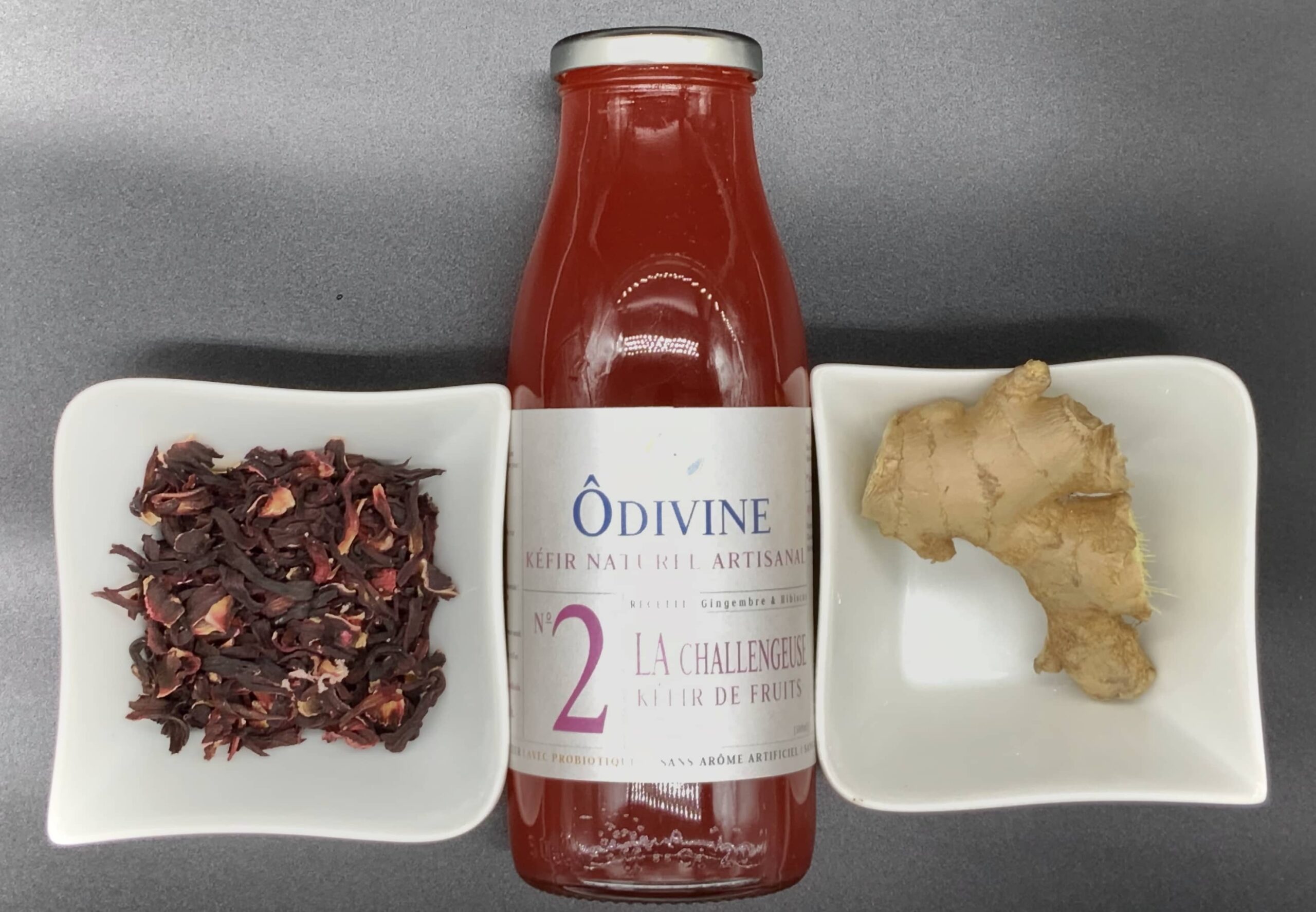
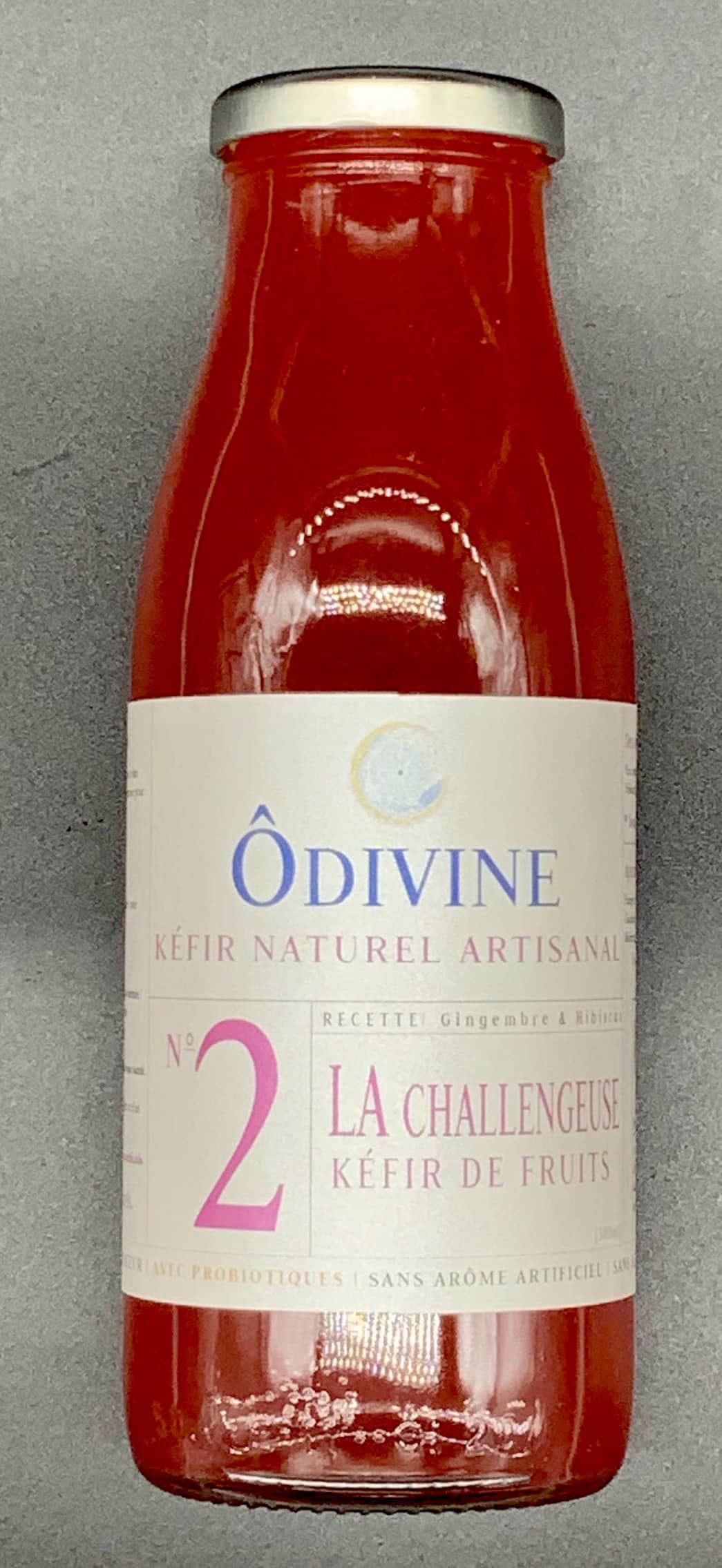
Ôdivine natural fruit kefir drinks

Ôdivine offers a new range of fruit kefir, a probiotic alternative to traditional milk kefir. Fruit kefir is a probiotic that contains billions of live and active cultures in each serving. It has been enjoyed for centuries in Eastern Europe and is now gaining popularity in the United States and Europe. 

This functional, live beverage is available in several flavors: 

  • Lemon
  • Hibiscus/ginger
  • Spirulina
  • Activated vegetable charcoal
  • Passion fruit
  • Peppermint
Ôdivine

The benefits of fruit kefir

Fruit kefir provides bacteria that aid digestion and healthy bowel function, and repairs the intestinal microbiota. As a result, you will digest better, have better bowel movements, and therefore eliminate toxins from your body. It is a truly natural and living product with many benefits. 


What is their expertise?

Ôdivine brews its kefir entirely by hand, following the traditional recipe to the letter, and in limited quantities to preserve all its benefits.

Just two years after its launch, Ôdivine has already produced 50 hectoliters of fruit kefir and is available in around 100 retail outlets. 


Fruit

Discover more articles on the microbiota.

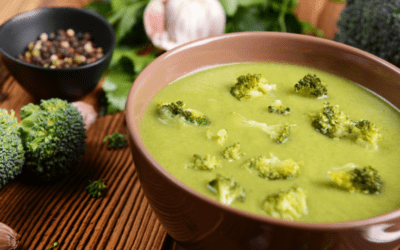
Broccoli and turmeric soup

Broccoli and turmeric soup

Broccoli is great for making soup. This recipe promotes a healthy gut microbiota and also reduces cardiovascular risks.

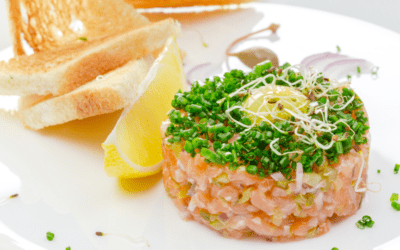
Salmon tartare with coconut cream

Salmon tartare with coconut cream

Mild and fresh, indulge in this salmon tartare recipe served with coconut cream. An ideal starter to fill up on vitamins and protein.

Butternut squash soup with seaweed

Butternut squash soup with seaweed

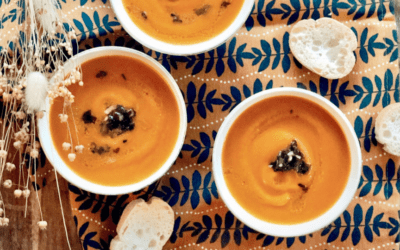
Rich in fiber, butternut squash soup, accompanied by seaweed, helps fight cellular aging and ensures healthy bowel function. This recipe is brought to you by Alexandra Beauvais, Wellness Chef.

Take care of your microbiota with Nahibu.

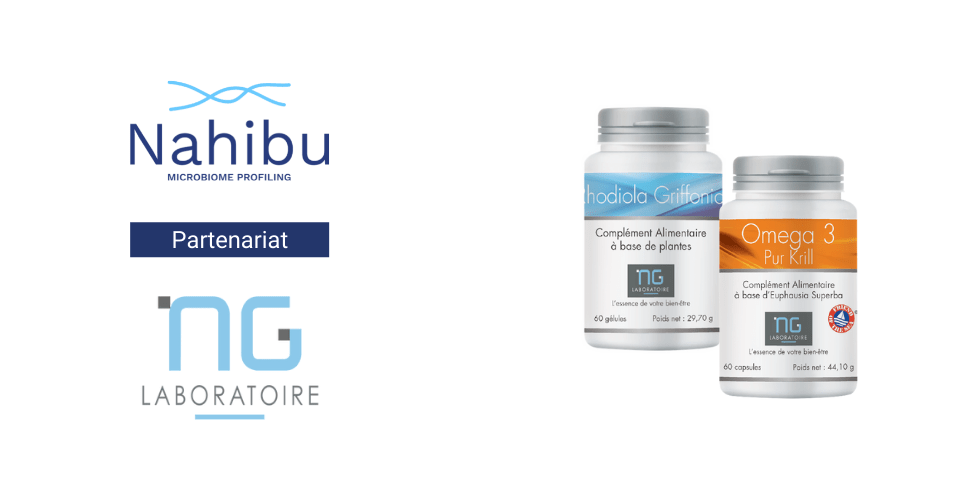
Partnership between NG Laboratory and Nahibu

Partnership between NG Laboratory and Nahibu

Taking care of your intestinal system to combat intestinal hyperpermeability

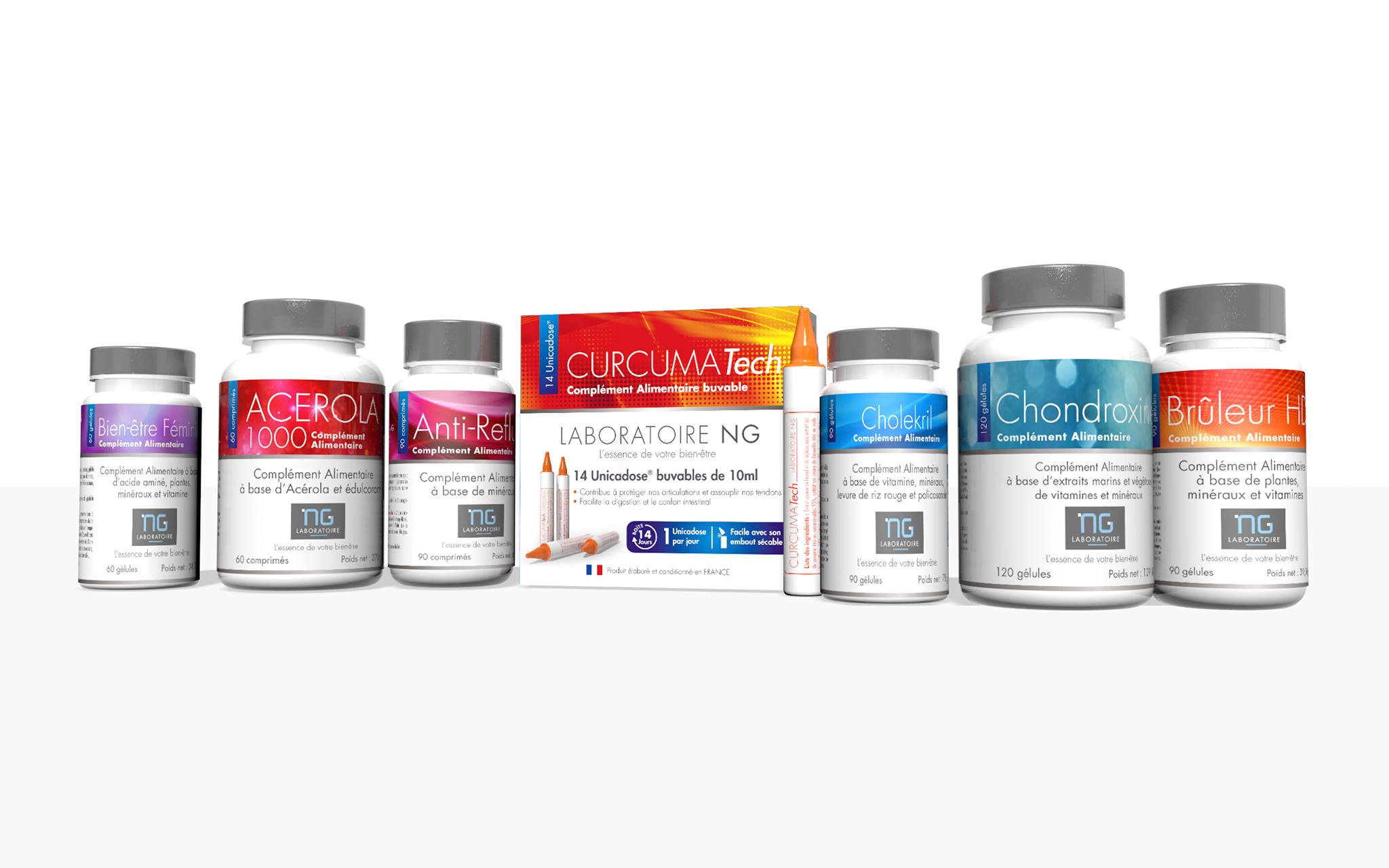
Laboratoire NG, experts in micro-nutrition

The laboratory was founded in 2012 when a doctor with a passion for nutrition and micro-nutrition met a farmer who was aware of the virtues of plants. 

Laboratoire NG is supported by a team of healthcare practitioners who are passionate about phytotherapy. They develop specific formulas and manufacture all of their products in France, working with prescribing therapists and certain physical points of sale (pharmacies, drugstores, herbalists, organic stores, etc.). 

Laboratoire

The role of our intestinal ecosystem

The intestine plays an essential role in our daily health and in maintaining it. It is the key organ for immunity in the digestive tract, but also for our overall immune defense. It is also thanks to the intestine that the nutrients necessary for the proper functioning of our body are absorbed and redistributed where our body needs them.

The intestinal mucosa is like a huge filter whose role is to allow the nutrients (vitamins, minerals, etc.) we need to live to pass through. It prevents the penetration of microorganisms, macromolecules, and toxic compounds that could create an imbalance in our metabolism. 

The intestinal wall is lined with a very thin epithelium, composed of villi and microvilli, which are very finely pleated. It consists mainly of a single layer of cells, called enterocytes, which act as a mechanical barrier to the contents of the intestine.


What is intestinal hyperpermeability?

The proper functioning of our intestinal system depends greatly on the quality of our diet and the type of food we eat. In the days of hunter-gatherers, our diet was low in carbohydrates and sodium and rich in potassium, protein, and fiber, whereas today we probably consume too many ultra-processed foods, modern wheat, and refined sugar, which our bodies have difficulty accepting.

In addition, chronic stress (which acidifies the body 300 to 400 times more than food) is also a source of intestinal barrier disruption, as is the continuous use of medications (antibiotics, antidepressants, etc.). 

The result is an alteration of the gut microbiota, which becomes scarce and of poor quality, favoring pathogenic bacteria at the expense of good bacteria: this is known as intestinal dysbiosis. The mucus that lines the intestinal wall diminishes and weakens it, the intestinal microvilli are altered, the tight junctions that hold the intestinal cells together open up, and our intestine becomes a real sieve: it becomes hyperpermeable.


How can you regenerate your gut and restore your intestinal ecosystem?

It is advisable to adopt a hypotoxic and anti-inflammatory diet (vegetables, fruit, small oily fish, legumes, etc.), and to work on your emotions, sleep, and lifestyle. 

It is useful to support intestinal function by consuming nutrients that will relieve gastrointestinal irritation, help restore the intestinal mucosa, and thus reduce intestinal hyperpermeability.

cicaflor

What are the benefits of Laboratoire NG products?

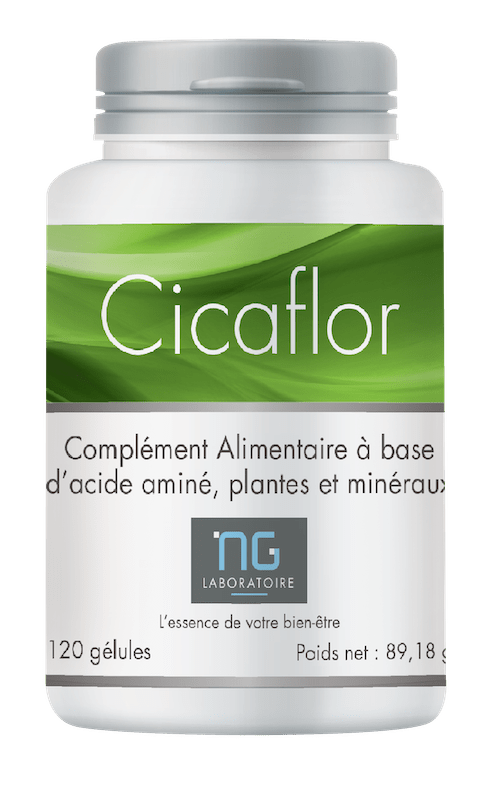
Their Cicaflor product is a combination of synergistic active ingredients that help combat intestinal hyperpermeability.

  • L-glutamine is the most abundant amino acid in the blood and muscles. It plays a role in protein synthesis, immune protection, maintaining the integrity of the intestinal wall, and the body's acid-base balance.
  • Turmeric extract contributes to normal intestinal function and helps reduce the effects of oxidative stress.
  • Propolis has strong antimicrobial and antifungal properties and stimulates our immunity.
  • Chamomile, rich in polyphenols, is an excellent anti-inflammatory and has soothing properties.
  • Zinc contributes to the normal functioning of the immune system.


Discover more articles on the microbiota.

Broccoli and turmeric soup

Broccoli and turmeric soup

Broccoli is great for making soup. This recipe promotes a healthy gut microbiota and also reduces cardiovascular risks.

Salmon tartare with coconut cream

Salmon tartare with coconut cream

Mild and fresh, indulge in this salmon tartare recipe served with coconut cream. An ideal starter to fill up on vitamins and protein.

Butternut squash soup with seaweed

Butternut squash soup with seaweed

Rich in fiber, butternut squash soup, accompanied by seaweed, helps fight cellular aging and ensures healthy bowel function. This recipe is brought to you by Alexandra Beauvais, Wellness Chef.

Take care of your microbiota with Nahibu.

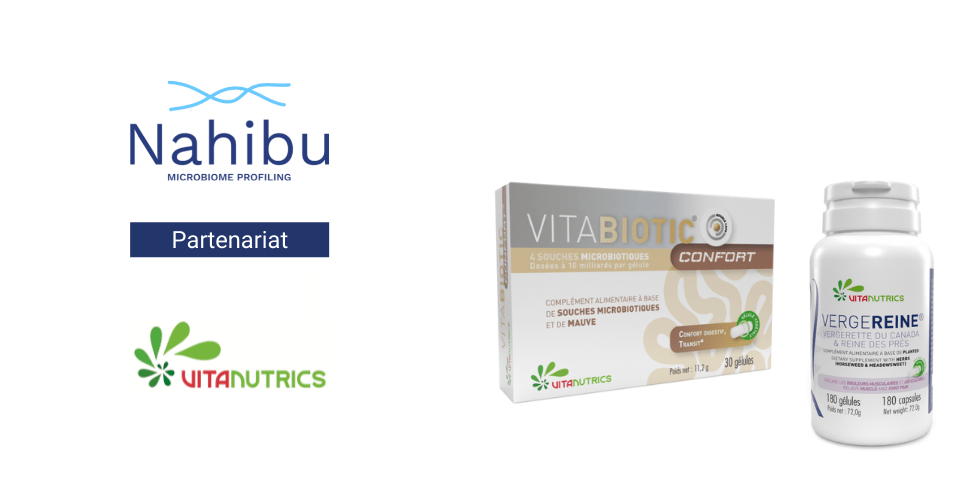
Partnership between Vitanutrics and Nahibu

Partnership between Vitanutrics and Nahibu

Vitanutrics, access tomorrow's health today 

Who is Vitanutrics?   

Vitanutrics is a Belgian company founded in 2012 that specializes in the development and distribution of natural health products, such as dietary supplements, nutraceuticals, and biocidal products. 

Their team works closely with healthcare professionals (doctors, pharmacists, micronutritionists, etc.) and research centers (Liège University Hospital) on a daily basis to offer natural and effective micronutrition solutions.

The founders of Vitanutrics (Christian De Moortel and Dr. Ludovic Rondini) share a common vision: to offer practical and targeted solutions for sustainable health.

vitanutrics

Why choose Vitanutrics products?

The Vitanutrics range currently consists of around thirty products.

Four core values have guided the development of this range: 

  • Innovation: This is reflected in the products' easy-to-use galenic forms (sublingual spray, drops, etc.), innovative active ingredients (phospholipids, partially hydrolyzed collagen, bisglycinates, etc.), and technologies that ensure better absorption or stability (microencapsulation, liposomal forms, double caps, etc.).

  • Effectiveness: Vitanutrics products contain carefully measured active ingredients, whose effectiveness has been verified by clinical studies. Our formulas are designed and developed to promote synergies. The goal is to guarantee maximum effectiveness for the greatest satisfaction of our customers and the healthcare professionals who recommend our products.

  • Bioavailability: All too often, nutritional intake is considered on the basis of quantitative rather than qualitative criteria. However, not all forms of nutrients are equal: some are better absorbed than others, while some are more easily eliminated. Taking these criteria into account ensures maximum efficacy of the formulas and optimal tolerance of our products.

  • Proximity: For Vitanutrics, proximity means attentive customer service. All our employees are trained in micronutrition and have a thorough knowledge of our products.


Vitanutrics

What is their expertise? 

Over the past twenty years, knowledge of nutrition and micronutrition has advanced significantly. Major advances have been made in understanding the microbiota, nutrigenomics, epigenetics, and the links between nutrients and cells.

Vitanutrics develops and distributes innovative natural health products based on all this scientific knowledge.

For the past 10 years, Vitanutrics has been putting this expertise at the service of healthcare professionals and patients to promote sustainable health.

In addition, the Vitanutrics team is committed to preserving our environment. Faced with climate and environmental issues, they have decided to take several concrete actions to contribute, at their level, to a more sustainable and responsible planet.

At Vitanutrics, they are committed to: 

  • Packaging their products in more eco-friendly packaging (plant-based plastic, FSC-certified cardboard)
  • Using the most natural excipients possible, such as acacia fiber
  • Funding organizations involved in reforestation (in 2021, they joined forces with the Belgian NGO Graine de Vie)
  • Minimizing their carbon footprint within the company

Discover more articles on the microbiota.

Broccoli and turmeric soup

Broccoli and turmeric soup

Broccoli is great for making soup. This recipe promotes a healthy gut microbiota and also reduces cardiovascular risks.

Salmon tartare with coconut cream

Salmon tartare with coconut cream

Mild and fresh, indulge in this salmon tartare recipe served with coconut cream. An ideal starter to fill up on vitamins and protein.

Butternut squash soup with seaweed

Butternut squash soup with seaweed

Rich in fiber, butternut squash soup, accompanied by seaweed, helps fight cellular aging and ensures healthy bowel function. This recipe is brought to you by Alexandra Beauvais, Wellness Chef.

Take care of your microbiota with Nahibu.

Partnership between Compliment and Nahibu

Partnership between Compliment and Nahibu

Compliment: a Belgian startup offering personalized dietary supplements

What are the origins of Compliment?   

Launched in 2019, Compliment is a Belgian startup that develops personalized dietary supplement regimens. After realizing that most people were suffering from deficiencies without knowing it and that the dietary supplement market was very opaque, founders William and Victor decided to offer a personalized, simplified solution that would make products accessible to everyone.

Compliment's goal is to establish a healthy routine that helps you become a better version of yourself.

vitamin

How can I get Compliment dietary supplements? 

How does it work? Simply take an online test to determine your needs, then, to further tailor your treatment, a free telephone appointment is scheduled with a nutritionist. Once you have chosen your treatment, it will be delivered directly to your home.

The dietary supplements come in daily sachets to make them easy to take. No more boxes of supplements lying around in the kitchen! 

With Compliment, you know exactly what you need each day and can stick with it over the long term.

Consistency is key to achieving beneficial health effects with dietary supplements.


energy

What are the health benefits?

Today, with our lifestyles and eating habits, it is very difficult to meet all our micronutrient needs. In fact, our diet is much less rich in vitamins and minerals than it was 100 years ago. This is due to changes in agricultural techniques and the (ultra) processing of our food…

Long-term deficiencies can contribute to the development of several diseases.

Compliment has therefore developed, in collaboration with Belgian laboratories, a range of essential supplements (vitamins C, D, magnesium, etc.) as well as more specific supplements, designed to meet your individual goals.

Whether you want to lose weight, boost your energy and vitality, improve your digestion, get better quality sleep or achieve more radiant skin, Compliment offers a personalized response to every health goal.

The supplements are designed by the scientific board to be easily absorbed with the right doses of each active ingredient to have a positive impact.

What is their expertise?

Compliment makes the customer experience easier with an algorithm that takes all your needs into account. You'll get your monthly supply of dietary supplements delivered right to your door. The treatment can be adjusted based on your needs.

The dietary supplements offered contain ingredients with scientifically proven health benefits. The formulas are effective and designed to avoid any side effects.

Finally, the startup works locally. All formulas are developed and manufactured in Belgium. The dietary supplements are then packaged in a sheltered workshop in Brussels by people with disabilities.


What are their labels?

All supplements are guaranteed GMO-free, nanoparticle-free, lactose-free, and gluten-free. In addition, most are vegan. 


Discover more articles on the microbiota.

Broccoli and turmeric soup

Broccoli and turmeric soup

Broccoli is great for making soup. This recipe promotes a healthy gut microbiota and also reduces cardiovascular risks.

Salmon tartare with coconut cream

Salmon tartare with coconut cream

Mild and fresh, indulge in this salmon tartare recipe served with coconut cream. An ideal starter to fill up on vitamins and protein.

Butternut squash soup with seaweed

Butternut squash soup with seaweed

Rich in fiber, butternut squash soup, accompanied by seaweed, helps fight cellular aging and ensures healthy bowel function. This recipe is brought to you by Alexandra Beauvais, Wellness Chef.

Take care of your microbiota with Nahibu.

Does the gut microbiota play a role in colorectal cancer?

Does the gut microbiota play a role in colorectal cancer?

Does the gut microbiota play a role in colorectal cancer?

In this article, you will learn a little more about colorectal cancer, also known as colon cancer, even though it can affect the rectum. We explain everything you need to know about the symptoms, causes, and diet to adopt to protect yourself as much as possible from this disease.

What is colorectal cancer?

Colorectal cancer, a global health problem, is a malignant tumor affecting the lining of the colon (60% of cases) or the rectum, the last segment of the digestive tract connecting the colon to the anus (40% of cases). In 60 to 80% of cases, these cancers develop from a benign tumor, also known as a polyp. They generally develop over a period of 10 to 40 years through a sequence of genetic mutations.

Colorectal cancer is usually an adenocarcinoma, a malignant tumor that develops from glandular epithelium (tissue composed of closely packed cells). An adenoma, on the other hand, is a benign tumor of the glandular epithelium.


What are the symptoms?

The symptoms of colorectal cancer can resemble those of other health problems, such as constipation. If you experience any of the following signs, talk to your doctor:

 Bowel problems:

    • new or worsening constipation, or conversely, persistent diarrhea

    • Nausea and vomiting

    • a feeling of incomplete evacuation of the rectum after a bowel movement

    • a feeling that the rectum is full

    • an urgent need to have a bowel movement

    • stools that are narrower than usual

    • painful and ineffective efforts to expel feces.

 Blood in the stool:

    • presence of red or dark blood

    • Abnormally black stools.

 Abdominal or rectal pain.

 General symptoms, including:

    • unexplained weight loss

    • anemia

    • extreme fatigue

    • fever.

Colorectal


Who is affected by colorectal cancer?

Worldwide, there were 1.8 million new cases (about 10% of all new cancer cases) and 881,000 deaths in 2018. It is a global health problem, as it is the third leading cause of cancer death worldwide. The mortality rate for these cancers is declining in industrialized countries thanks to early screening.

In these countries, the lifetime risk of developing this disease is about 5%, and the risk of developing an adenoma, a benign tumor that can develop into cancer, is 20%. When the disease is localized and detected early, the cure rate is 70 to 90%.

In France, colorectal cancer is the third most common cancer in men and the second most common in women. The average age at diagnosis is 71 for men and 75 for women. In 2017, the number of cases was estimated at 45,000 in France.


What are the causes?

Genetic mutations are responsible for the development of cancer. Although certain forms have a genetic factor in their transmission, lifestyle and diet play a major role in their development.

Here are some modifiable factors that may promote the development of colorectal cancer:

  • A diet rich in red meat and processed meats
  • A diet low in fiber
  • Excessive and/or frequent alcohol consumption
  • Being overweight or obese
  • Smoking
  • A sedentary lifestyle.

Age is a non-modifiable factor: the risk of developing this cancer increases for everyone over the age of 50.

Heredity: the risk increases if a close relative (parents, siblings, or children) has already had this cancer. 

People with inflammatory bowel disease (IBD) are also at greater risk.

Take care of your microbiota with Nahibu.

Is the microbiota involved in the development of colorectal cancer?

The colon is a site prone to tumor development and is also where most of the gut microbiota resides.

Several studies have shown that the bacterial communities present in people with colon cancer are different from those in healthy people, which can lead to dysbiosis. Both bacteria associated with the colon mucosa and bacteria found in stool have been studied in these studies. In addition, the composition of the microbiota in cancer patients differs between the tumor and the area surrounding the tumor (see our article to learn all about the gut microbiota).

Several studies have identified different bacteria, but there appears to be an overall enrichment of Fusobacterium and Campylobacter species associated with the tumor mucosa compared to non-tumor tissue in the same patients. An enrichment of these species has also been observed in cancer patients compared to healthy patients.

The study of bacteria has identified several as potential contributors to the development of colorectal cancer. Streptococcus gallolyticus, whose DNA has been found in 20-50% of cancerous tissues, may contribute to tumor growth in some individuals. However, it could also be an opportunistic bacterium that does not contribute to its development but grows easily in the tumor environment. Escherichia coli is found in higher abundance in tumor tissues and may contribute to colon carcinogenesis. Fusobacterium nucleatum may also be involved in the initiation of the disease through its modulation of inflammation.

However, rather than a single bacterium being responsible, it seems more likely that the entire bacterial community and the compounds it produces play a role in carcinogenesis (the process of cancer formation).

Fats and bile acids

Diets high in fat are associated with a higher incidence of colorectal cancer. Diets high in saturated fat (mainly from animal products) increase the production of bile acids. However, the bacteria in the gut microbiota are involved in the metabolism of bile acids and could therefore contribute to the link between cancer and saturated fat. In response to the ingestion of saturated fats, the liver produces bile acids known as conjugated bile acids. These are transformed (or deconjugated) by gut bacteria into secondary bile acids: lithocholic and deoxycholic acids. However, these two compounds are elevated in patients with colon cancer and promote inflammation.

In addition, the bacterium Bilophila wadsworthia is found in greater quantities in people who eat animal products (meat and dairy). It is pro-inflammatory and can be detected by Nahibu's gut microbiota analysis. Controlling the levels of this bacterium could reduce colon inflammation, which plays a role in IBD (inflammatory bowel disease) and cancer.

However, the metabolism of bile acids by microorganisms may also have positive effects. Ursodeoxycholic acid appears to have beneficial effects in humans and animals. It is even approved as a therapy for primary biliary cirrhosis. Certain intestinal bacteria, including strains of Clostridium, Ruminococcus, and Eubacterium, can produce it from chenodeoxycholic acid.

Fiber and short-chain fatty acids

Intestinal bacteria can produce short-chain fatty acids (SCFAs) from the plant fibers we ingest. These fibers, which are not digested by our bodies, are fermented by our intestinal flora. They are found in fruits, vegetables, legumes, and whole grains. The SCFAs produced have an anti-inflammatory effect and may therefore have a protective effect against cancer.

Proteins

On the other hand, a diet rich in protein can lead to the production of harmful compounds by the microbiota, such as polyamines. High levels of these molecules are found in certain diseases, including cancer. The oxidative stress resulting from the breakdown of polyamines is thought to be the cause of their toxicity. In addition, certain pathogenic bacteria use polyamines to increase their virulence. 

Although the involvement of a high-protein diet in colon cancer remains a subject of debate, it is best to avoid consuming too much animal protein. On the other hand, dietary fiber found in fruits, vegetables, and legumes can limit protein fermentation in the colon and may therefore have a protective effect.

Alcohol

The product of alcohol breakdown, acetaldehyde, is carcinogenic and highly toxic. Bacteria in the oral microbiota are thought to be capable of forming this compound from alcohol, and it is possible that bacteria in the gut microbiota have the same property. It is therefore necessary to reduce alcohol consumption to limit the formation of this highly toxic compound.
Colorectal

What should you eat to protect yourself from colon cancer?

Recommendations can be made to reduce the risk of developing this disease. Nutrition plays an important protective role. You should limit your consumption of protein, especially animal protein (see our Top meat alternatives). On the other hand, fatty fish (tuna, sardines, salmon, herring, etc.), thanks to the omega-3 it contains, is believed to have anti-inflammatory properties. Why not include a few vegetarian meals in your weekly menu and choose fish over meat? It is also a good idea to reduce your consumption of fats such as butter, cream, processed foods, and dishes with sauces. Choose healthy fats such as olive oil, rapeseed oil, and flaxseed oil.

It is essential to limit your alcohol consumption, or even stop drinking altogether.

On the other hand, you should eat more vegetables, fruit, legumes, and whole grains. The fiber they contain has a protective role and contributes to the diversity of the microbiome. Replace refined flours with whole grain flours (whole grain bread, brown rice, etc.). Eat a variety of seasonal vegetables; half of a balanced plate should contain vegetables (find out more in our article on healthy and balanced eating). Don't forget to add aromatic herbs such as thyme, oregano, or basil to enrich your dishes with fiber, vitamins, and minerals.

Finally, it is important to maintain a healthy weight. Physical activity plays a beneficial role in weight management and also helps protect against cancer. It is therefore necessary to incorporate it into your daily routine: walking, cycling, swimming, Pilates, dancing, weight training, team sports… there are many ways to combine the useful with the enjoyable!


How is colorectal cancer diagnosed?

As mentioned above, patients with IBD are more prone to developing colon cancer. They should therefore be monitored regularly by a gastroenterologist and undergo appropriate screening.

People with parents who have or have had colon cancer should undergo early screening. Talk to your doctor, as it is essential not to skip these tests: when detected early, this disease has a better chance of being cured with appropriate treatment.

Free for all people between the ages of 50 and 74, screening involves a simple stool sample and can detect early-stage cancer. Talk to your doctor and don't neglect this test, which allows for early detection, prompt treatment, and therefore increased chances of survival.

Sources:

Microbes, Microbiota, and Colon Cancer. Cynthia L. Sears and Wendy S. Garrett. Cell Host & Microbe, March 12, 2014.

The gut microbiota, bacterial metabolites and colorectal cancer. Petra Louis, Georgina L. Hold, and Harry J. Flint. Nature Reviews Microbiology, September 8, 2014.

Microbiota: a key orchestrator of cancer therapy. Soumen Roy and Giorgio Trinchieri. Nature Reviews Cancer, March 17, 2017.

Global trends in colorectal cancer mortality: projections to the year 2035. Marzieh Araghi, Isabelle Soerjomataram, Mark Jenkins, James Brierley, Eva Morris, Freddie Bray, and Melina Arnold. International Journal of Cancer: 144, 2992–3000, 2019.

Ameli.fr

Discover more articles on the microbiota.

Broccoli and turmeric soup

Broccoli and turmeric soup

Broccoli is great for making soup. This recipe promotes a healthy gut microbiota and also reduces cardiovascular risks.

Salmon tartare with coconut cream

Salmon tartare with coconut cream

Mild and fresh, indulge in this salmon tartare recipe served with coconut cream. An ideal starter to fill up on vitamins and protein.

Butternut squash soup with seaweed

Butternut squash soup with seaweed

Rich in fiber, butternut squash soup, accompanied by seaweed, helps fight cellular aging and ensures healthy bowel function. This recipe is brought to you by Alexandra Beauvais, Wellness Chef.

Take care of your microbiota with Nahibu.