Microbiologist Stanislav Dusko Ehrlich joins Nahibu

Microbiologist Stanislav Dusko Ehrlich joins Nahibu

Nahibu's scientific committee includes Stanislav Dusko Ehrich, Director of Research Emeritus at INRA.

Nahibu's

Professor Stanislav Dusko Ehrlich

Stanislav Dusko Ehrlich is the first scientist to propose the complete sequencing of the microbiota, leading the international MetaHIT consortium.  

The partnership between Nahibu and the Emeritus Research Director aims to advance the science of the gut microbiota.

It's very exciting to join Nahibu, which I believe offers the best in gut microbiota analysis. Together, we will be able to combine our strengths to advance the science of gut microbiota and bring its benefits to as many people as possible, said Stanislav Dusko Ehrlich. Nahibu uses high-definition sequencing, which is the most accurate method available today, as well as cutting-edge tools, and I will be able to contribute my vision and scientific advice to this promising company.

An organic chemistry engineer from the University of Zagreb, where he graduated at the top of his class, and a Doctor of Science in Biochemistry from Paris VII University, Stanislav Dusko Ehrlich founded and directed the Microbial Genetics Unit and the Microbiology Division at INRA and coordinated the European Commission's first major project on the microbiome, MetaHIT, which laid the foundations for the current characterization of the microbiome. At the same time, he co-founded the first start-up in the field of human microbiome, Enterome, in 2012.

He was also an associate of Professor Joshua Lederberg, winner of the Nobel Prize in Medicine, in the Department of Genetics at Stanford University School of Medicine.

Stanislav Dusko Ehrlich is a member of the Croatian Academy of Sciences and Arts, the French Academy of Agriculture, the European Molecular Biology Organization (EMBO), the American Academy of Microbiology, and the European Academy of Microbiology.

Awards:

 Winner of the INRA Award for Excellence in Agricultural Research, Winner of the Del Duca Scientific Grand Prize from the Institut de France, Knight of the Order of Merit and the Legion of Honor.

Take care of your microbiota with Nahibu.

Discover more articles on the microbiota.

Shrimp ceviche

Shrimp ceviche

Get your fill of omega-3 and fiber with this easy-to-make dish. A healthy, balanced recipe to boost your gut flora.

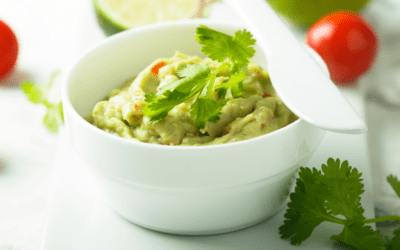
Guacamole

Guacamole

Fancy something sweet to accompany your aperitif in a healthy way? Guacamole is just the thing. Enjoy it with some corn chips and top it off with some crunchy vegetables.

Take care of your microbiota with Nahibu.
Nahibu: they went to see what their employees were (really) made of.

Nahibu: they went to see what their employees were (really) made of.

Nahibu: they went to see what their employees
were (really) made of.

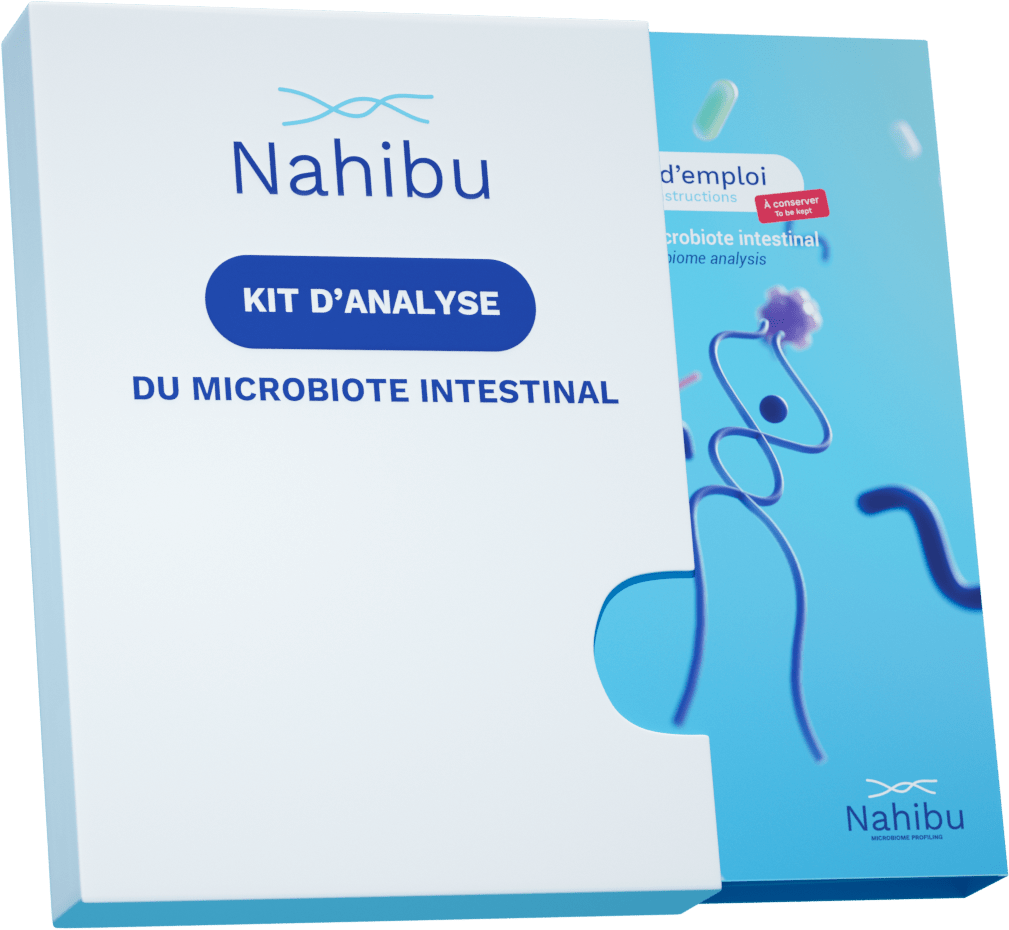
Nahibu, a Rennes-based company and European leader in gut microbiota analysis, has decided to raise awareness among its employees about taking care of their health and well-being on a daily basis, starting with analyzing their gut bacteria.

Awareness begins as soon as a new employee joins the company.

While Nahibu's mission is to raise public awareness of the importance of taking care of one's microbiota in order to improve health and well-being on a daily basis, Pierre and Chrystèle Cressard (President and CEO of Nahibu) have decided to offer their nine employees a free test so that they can individually realize the importance of this organ in everyday life.

When they first joined Nahibu, all of our employees were aware of the importance of this ecosystem that they host in their intestines, but the best way to really understand it is to analyze it in order to truly grasp it, reveals Chrystèle Cressard.

Diversity: a key indicator for improvement.

Our gut microbiota is unique and plays an important role in our daily well-being. Scientific studies have all come to the same conclusion: the bacterial diversity of our gut microbiota is a key indicator of our health and well-being. At Nahibu, this indicator of bacterial diversity has become an individual score to be improved.

When we received our results, we all wanted to compare the number of active bacterial species in our microbiota to see who had the best diversity. We all set ourselves the goal of increasing it by adapting the dietary advice provided, comments Caroline Lorandel Guy, Office Manager of the company since September 2020.

Combining business with pleasure.

Largely influenced by our diet and lifestyle, the gut microbiota evolves over time. While the main objective of this initiative proposed by the company's management was to raise awareness among its employees, it can be satisfied that the challenge has been met. The majority of users are now more mindful of the products they consume, taking a greater interest in fresh, organic, local, and fermented products. Some have started taking probiotics tailored to their bacterial strains, while others have begun exercising more regularly.

I wasn't eating badly, but I clearly wasn't eating enough vegetables. I started eating more fiber to take care of my microbiota. Following my results, I started a probiotic treatment. Discovering my microbiota made me aware of all the bacteria in my gut and that I need to take care of them! It sounds silly, but they take care of me, so I have to return the favor! I make my own bread and yogurt, I cook more vegetables, and I encourage those around me to do the same. Emmanuelle Lecommandeur, Nutrition R&D Manager.

We don't know if this practice, which is unique in France, is linked to the company's 0% sick leave rate, but one thing is certain: encouraging employees to take care of their health and well-being by offering them a turnkey solution to achieve this is a real added value for a company in 2021.

For further information, please email us at: contact@nahibu.com

Take care of your microbiota with Nahibu.

Discover more articles on the microbiota.
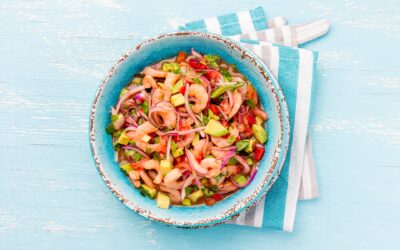
Shrimp ceviche
Shrimp ceviche

Get your fill of omega-3 and fiber with this easy-to-make dish. A healthy, balanced recipe to boost your gut flora.

Guacamole

Guacamole

Fancy something sweet to accompany your aperitif in a healthy way? Guacamole is just the thing. Enjoy it with some corn chips and top it off with some crunchy vegetables.

Take care of your microbiota with Nahibu.
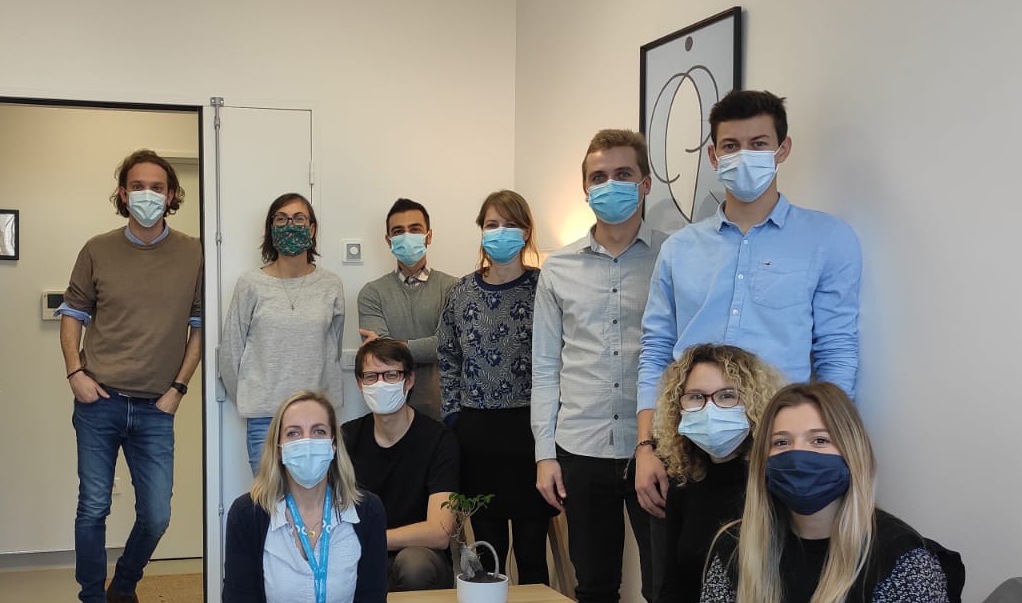
More than 200 healthcare professionals have joined forces with Nahibu, the European expert in gut microbiota analysis.

More than 200 healthcare professionals have joined forces with Nahibu, the European expert in gut microbiota analysis.

More than 200 healthcare professionals have joined Nahibu in 2021.

Nahibu is France's leading network of healthcare professionals trained in gut microbiota.

General practitioners, micronutritionists, nutritionists, dieticians, naturopaths—a total of more than 200 practitioners have chosen to train in gut microbiota and offer their patients a Nahibu analysis to enrich their consultations.

To make this service accessible, Nahibu's Research and Development Unit has set up a free training program for practitioners. The entire program is supervised by Dr. Emmanuelle Lecommandeur and is based on scientific literature. This training aims to support practitioners in understanding the gut microbiota and in reading and interpreting the analysis results provided to users. The tool enables practitioners to provide their patients with personalized nutritional and holistic advice.

As a dietitian, the subject of microbiota is essential! I regularly see people who suffer from intestinal disorders that significantly impact their daily lives. The Nahibu analysis allows me to refine my advice on diet and nutrition. Lucie Houbart, Dietitian.

A powerful new support tool

Emmanuelle Lecommandeur, Doctor of Biochemistry and Head of Research and Development at Nahibu, points out that: Gut microbiota analyses do not provide a medical result or diagnosis, but offer the possibility of revealing the functional potential of an individual's microbiota through metagenomic analysis.

We now have scientific evidence that many disorders are linked to an imbalance in the gut microbiota, or dysbiosis: bloating and gas, intestinal pain, poor sleep quality, low energy, weakened immune system, etc. The microbiota mapping offered by Nahibu makes it possible to initially identify dysbiosis and assess the functional potential of the gut microbiota. Once established, this mapping is an extremely rich and qualitative source of information for healthcare professionals.

It includes key indicators such as diversity, microbiota balance, a comprehensive list of detected bacteria, AGCC production, information on the nutritional quality of intake, prebiotic intake, and the level of intestinal inflammation.

The results obtained enable the professional to provide more specific care. More and more practitioners are taking an interest in this tool, which enables them to make personalized nutritional recommendations tailored to each individual's profile.

For further information, visit www.nahibu.me

You can also contact us by email at praticien@nahibu.com or call 02 23 41 34 99.

Take care of your microbiota with Nahibu.

Discover more articles on the microbiota.

Shrimp ceviche

Shrimp ceviche

Get your fill of omega-3 and fiber with this easy-to-make dish. A healthy, balanced recipe to boost your gut flora.

Guacamole

Guacamole

Fancy something sweet to accompany your aperitif in a healthy way? Guacamole is just the thing. Enjoy it with some corn chips and top it off with some crunchy vegetables.

Take care of your microbiota with Nahibu.

Can the microbiota help manage stress and anxiety?

Can the microbiota help manage stress and anxiety?

Can the microbiota help manage stress and anxiety?

In this article, you will discover what stress is, how it affects your body, and how to manage it effectively. Nahibu, as a specialist in gut microbiota, has decided to include a module on the role of gut bacteria in stress and anxiety resistance in its microbiota analysis. You will therefore discover how bacteria in your gut can regulate your brain!

The

What is stress?

Nowadays, few people can claim that they are not stressed. Our societies often impose an ideal of social, professional, and family success that can cause a lot of pressure. Juggling different activities, your professional life, and finding time for yourself can be difficult. Many people say they are stressed. What exactly does that mean?

Stress is a complex phenomenon that triggers emotional, biological, and physical responses. The response to stress is different for each person depending on genetics, environment, and diet.

Stress can be broken down into a trigger (the stressor), a compensatory reaction, and the establishment of a new balance.

There is acute stress, which does not last long, and chronic stress, which lasts over time and can be harmful.

Anxiety, on the other hand, is the tendency to anticipate or dwell on difficulties, thereby amplifying them. It is therefore a source of stress.

Anguish is a specific but intense psychological experience, characterized by a feeling of loss of control and the imminence of serious danger. Anguish manifests itself through several symptoms, including a feeling of oppression, breathing difficulties, and a rapid heartbeat. It is linked to anxiety, which is a more chronic and less destabilizing condition. Anxiety and nervousness are two conditions that cause stress.


What are the triggers and symptoms of stress?

The factors responsible for stress, or stressors, can be internal or external, real or imagined, such as an unpleasant person in one's circle, an illness, or even a car breakdown. Stressors trigger a physiological crisis mode response in the body, the purpose of which is to adapt and restore balance.

The symptoms of stress can be very diverse and include fatigue, sleep disorders, loss of appetite or overeating, skin conditions such as eczema, irritability, decreased libido, heart palpitations, and muscle tension.

The symptoms of an anxiety attack, which is a short and very intense form of anxiety, include heart palpitations, sweating, chest pain, tremors, a feeling of suffocation, dizziness, nausea, and stomach pain. They are accompanied by psychological symptoms such as the feeling of going crazy or imminent death. These symptoms are very frightening and themselves fuel the panic or anxiety attack.

Anxiety is a state of distress that is less intense but more long-lasting. Some symptoms of an anxiety attack may be present, but they are less intense, such as nausea or stomach ache and palpitations.


How important is stress?

The number of people affected by stress and anxiety is constantly growing, mainly due to our lifestyles and socio-economic models. In addition, the health crisis triggered by the emergence of the SARS-CoV-2 virus in late 2019 has contributed to an increase in these disorders worldwide. It has changed our habits, led to the isolation of a large part of the population, called into question many certainties, and increased mortality rates in many countries.

The prevalence of anxiety disorders was estimated at 21.6% in 2010. Women, young people, and low-income individuals were the most at risk. Depressive episodes, alcohol abuse, and drug addiction are often associated with anxiety disorders.

According to a 2012 study, 22% of European workers experience stress.

The COVID-19 health crisis has caused a dramatic increase in stress and anxiety levels: the prevalence of stress is currently estimated at 29.6% and that of anxiety at 31.9%. 

The

What happens in the body under the effects of stress?

The stress response refers to the changes that take place in the body, such as behavioral changes or the secretion of specific hormones. Stress has negative effects if it is severe or prolonged, i.e., if it becomes chronic.

Acute stress occurs when the body is subjected to a threat such as an accident, illness, or a stressful psychological situation that does not last long. Reactions are then triggered to either fight or flee (fight or flight). This is a legacy from our ancestors millions of years ago. When faced with a dangerous animal such as a lion, the threat was perceived by the body, which adapted to increase the chances of survival: flee from the animal or fight it. Nowadays, it is rare to encounter a wild animal, but this mechanism of response to a threat is still present. The physiological changes associated with the stress response are:

  • The mobilization of energy to maintain brain and muscle functions
  • Focusing attention on the perceived threat
  • Increased glucose utilization
  • Increased blood flow and respiration, redistribution of blood flow, increased energy supply to muscles and brain
  • Modulation of immunity
  • Inhibition of reproductive physiology and sexual behavior
  • Decreased hunger and food intake

The brain perceives the threat and signals the adrenal glands (located above the kidneys) to release sufficient amounts of adrenaline. This increases blood and oxygen flow to the muscles, allowing them to perform optimally, and increases brain alertness.

If acute stress persists, cortisol, also known as the stress hormone, is produced by the adrenal glands to increase blood glucose levels, which provide energy to the brain and muscles.

During chronic stress, cortisol is produced continuously. This can have negative effects on the body, as this state leads to excessive fatigue, reduced immunity, disturbed sleep, metabolic problems, and dietary changes that can cause weight loss or gain. Chronic stress thus depletes energy reserves and alters neurotransmitter production. Neurotransmitters are molecules that send signals to neurons, such as serotonin, which regulates many mental and behavioral processes, and melatonin (nicknamed the sleep hormone).


What is the difference between stress, anxiety, anguish, and fear?

Fear, anxiety, and distress or panic are different but related psychological manifestations. Fear can cause anxiety, distress is a very intense form of anxiety, and anxiety can cause stress.

Fear is a disproportionate aversion to something that is characterized by tension, trembling, or sweating.

Anxiety is a tendency to anticipate or dwell on negative things, which can cause stress.

An anxiety attack or panic attack is an intense experience closely linked to anxiety, with very dramatic symptoms such as a feeling of losing control.


Is there a treatment for stress?

There is no miracle cure for stress and anxiety, but certain sophrology or meditation techniques can help you accept your emotions and manage how you react to them.

Discover how meditation can help you relieve pressure. 

Exercise and a balanced diet can also help support your body. One study also showed that listening to relaxing music helped lower salivary cortisol levels more quickly after acute stress.


How do the gut and microbiota regulate our stress?

Within the enteric nervous system, there are one to several hundred thousand neurons that participate in the gut-brain axis. This communication axis allows for constant, two-way dialogue between the two organs. One of the most concrete manifestations of the existence of the gut-brain axis is the alteration of transit (diarrhea or constipation) caused by a stressful event such as public speaking or an exam.

The gut-brain axis is regulated by the gut microbiota, the collection of microorganisms living in the lower part of our digestive tract. Certain microbes, such as intestinal bacteria, produce signals that modulate the messages sent to the brain, known as neurotransmitters. Serotonin, for example, also known as the happiness hormone, is produced largely by the gut microbiota. In addition to our mood and behavior, it also regulates the intestinal barrier. Its production from the amino acid tryptophan is impaired in cases of sustained stress.

Finally, stress can also damage the intestinal barrier that protects our body from bacterial or food residues passing into our cells. If this barrier is impaired, low-level inflammation can develop in the intestine.

All of this tends to demonstrate that there is an important link between the microbiota, the intestinal barrier, and stress and anxiety.

The

How can we measure the impact of our gut microbiota on stress and anxiety?

Studies have shown that gut microbiota regulates stress response and anxiety levels. Initial observations have also concluded that taking certain probiotics consisting of Lactobacillus and Bifidobacteria can reduce stress and anxiety. However, many claims about the effect of probiotics on our mental health still lack clinical evidence.

How can you find out if your microbiota could potentially help you resist stress and anxiety? Take the test and find out in your Nahibu results!

What foods should you eat to combat stress and anxiety?

What should you eat to manage stress? You can increase your serotonin levels by eating a diet rich in complex sugars (whole grains and plant-based products) and low in protein. Tryptophan, from which serotonin is formed, is found in whole grains, but also in chocolate.

Omega-3s are fats that are beneficial for the brain and are associated with a reduced risk of depression. They are found in oily fish, nuts such as walnuts, hazelnuts, almonds, and cashews, and rapeseed, flaxseed, and walnut oils. Feel free to replace meat with fish and use healthy oils to dress your salads.

Plant-based foods such as fruits, vegetables, and legumes contain vitamins that help the body function properly and contribute to good stress resistance.

Stress can cause a decrease in magnesium levels, which in turn can exacerbate its effects. A diet rich in magnesium can therefore help combat stress and anxiety. So don't hesitate to eat dark chocolate made with pure cocoa butter in reasonable quantities, oilseeds, and seafood to optimize your magnesium intake. You can discover more foods to improve your resistance to stress and anxiety thanks to Shido's personalized nutrition algorithm.


How can you manage your stress?

A healthy lifestyle (regular bedtimes, little or no alcohol, and daily physical activity) and a balanced diet can help reduce stress and anxiety levels. In addition, certain foods will be your best allies, such as plant-based products, fatty fish (salmon, herring, tuna, mackerel, etc.), oilseeds, and dark chocolate. Why not replace sugary foods such as cookies or other dessert creams with a handful of almonds or walnuts and a square of dark chocolate?

When faced with difficult emotions, why not try mindfulness meditation or sophrology techniques, which are very effective in reducing stress? They will also teach you not to fight stress but to accept it in order to manage it better. Give yourself time for yourself and enjoy the present moment, alone or with your loved ones. Don't be ashamed to discuss your stress and anxiety with those around you, and seek professional help if necessary.

Finally, test your gut microbiota with Nahibu to discover how your gut flora may contribute to stress and anxiety management, and get personalized dietary advice on how to improve it! 

Sources: 

Prevalence, characteristics and comorbidities of anxiety disorders in France: Results from the Mental Health in General Population Survey (MHGP). E. Leray, A. Camara, D. Drapier, F. Riou, N. Bougeant, A. Pelissolo, K.R. Lloyd, V. Bellamy, J.L. Roelandt, B. Millet. European Psychiatry, 2011.

https://osha.europa.eu/en/publications/management-occupational-safety-and-health-analysis-findings-european-survey-enterprises/view

Prevalence of stress, anxiety, depression among the general population during the COVID-19 pandemic: a systematic review and meta-analysis. Nader Salari, Amin Hosseinian-Far, Rostam Jalali, Aliakbar Vaisi-Raygani, Shna Rasoulpoor, Masoud Mohammadi, Shabnam Rasoulpoor and Behnam Khaledi-Paveh. Globalization and Health, 2020.

Effects of relaxing music on salivary cortisol level after psychological stress. Stéphanie Khalfa, Simone Dalla Bella, Mathieur Roy, Isabelle Peretz, Sonia J. Lupien. Ann. New York Academy of Sciences, 2003.

Breaking down the barriers: the gut microbiome, intestinal permeability and stress-related psychiatric disorders. John R. Kelly, Paul J. Kennedy, John F. Cryan, Timothy G. Dinan, Gerard Clarke, and Niall P. Hyland. Frontiers in Cellular Neuroscience, 2015.

Gut/brain axis and the microbiota. Emeran A. Mayer, Kirsten Tillisch, and Arpana Gupta. The Journal of Clinical Investigation, 2015.

Nutrient and Stress Management, Karuna Singh. The Journal of Nutrition and Food Sciences, 2016.

Discover more articles on the microbiota.

Shrimp ceviche

Shrimp ceviche

Get your fill of omega-3 and fiber with this easy-to-make dish. A healthy, balanced recipe to boost your gut flora.

Guacamole

Guacamole

Fancy something sweet to accompany your aperitif in a healthy way? Guacamole is just the thing. Enjoy it with some corn chips and top it off with some crunchy vegetables.

Take care of your microbiota with Nahibu.

Partnership between BrainEffect and Nahibu

Partnership between BrainEffect and Nahibu

BRAINEFFECT, the vegan dietary supplement brand

Who is BRAINEFFECT?

BRAINEFFECT is a brand of high-quality vegan dietary supplements that support and improve the four pillars of a sharp, balanced, and strong mind: well-being, sleep, energy, and concentration.

The way you nourish your mind today affects the person you will be tomorrow. Fabian Foelsch, a former elite athlete, understood early on the importance of healthy nutrition for the body and mind in order to achieve better mental performance, better sleep, and combat stress.

Unable to find healthy, accessible, or suitable products, Fabian Foelsch launched the BRAINEFFECT brand in Germany in 2016.

Today, BRAINEFFECT enables millions of people to give their minds the attention and nutrients they deserve.

BRAINEFFECT dietary supplements

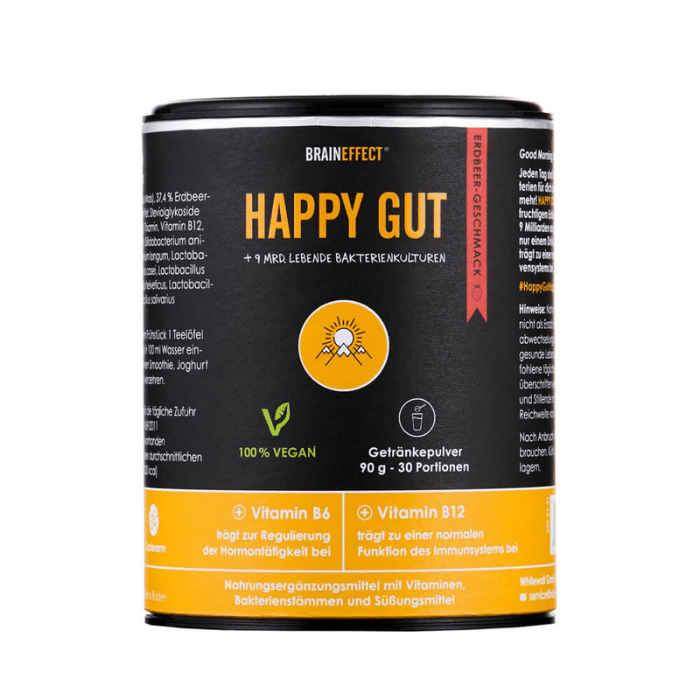
BRAINEFFECT offers a wide range of products tailored to individual needs, for better sleep, greater well-being, energy, and concentration, in the form of sprays, oils, capsules, powdered drinks, and even gummies.

In 2016, BRAINEFFECT created the first spray with melatonin in Europe: SLEEP SPRAY. SLEEP SPRAY is an oral spray that combines melatonin, the natural sleep hormone, with calming plant extracts such as ashwagandha and lavender, helping you fall asleep in less than 15 minutes and enjoy better quality sleep. Thanks to its easy dosage and quick and simple administration, SLEEP SPRAY also helps with nighttime awakenings.

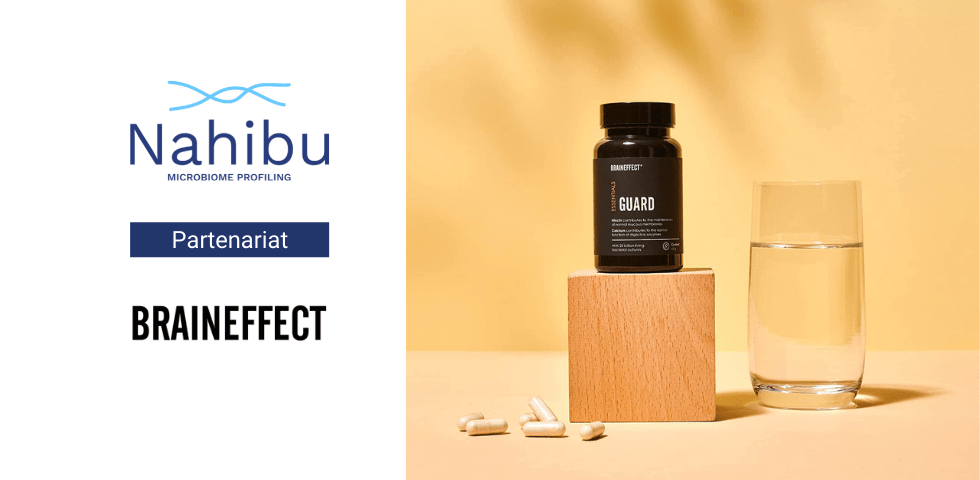
The GUARD formula, a dietary supplement in capsule form for better digestion, has recently been improved. GUARD now contains more than 20 billion probiotics from 20 different cultures, calcium for digestion, dietary fiber, and niacin for the intestinal mucosa.

Take two capsules every morning to improve your digestion and help rebuild your intestinal flora.

A healthy microbiota plays a key role in improving mental and physical well-being. It's no coincidence that the gut is called our second brain. A healthy microbiota not only promotes good digestion, but also plays a role in our energy levels, strengthening the immune system and improving the synthesis of serotonin, the happiness hormone.

BrainEffect

What is their expertise?

BRAINEFFECT aims to promote change and transformation. With a team of experts in biochemistry, neurobiology, and specialized nutrition, BRAINEFFECT has acquired real expertise in the fields of sleep, microbiota, and mental well-being. All BRAINEFFECT products are developed and tested in Germany according to high quality standards, to provide you with innovative, scientifically based, and effective dietary supplements.

BRAINEFFECT is also a brand committed to enabling everyone to follow a healthy, active lifestyle and achieve better mental well-being. This is achieved in particular through the co-creation of podcasts and online events, inviting nutritionists and health experts to raise awareness around the topics of sleep, stress, and nutrition.

Discover more articles on the microbiota.

Shrimp ceviche

Shrimp ceviche

Get your fill of omega-3 and fiber with this easy-to-make dish. A healthy, balanced recipe to boost your gut flora.

Guacamole

Guacamole

Fancy something sweet to accompany your aperitif in a healthy way? Guacamole is just the thing. Enjoy it with some corn chips and top it off with some crunchy vegetables.

Take care of your microbiota with Nahibu.