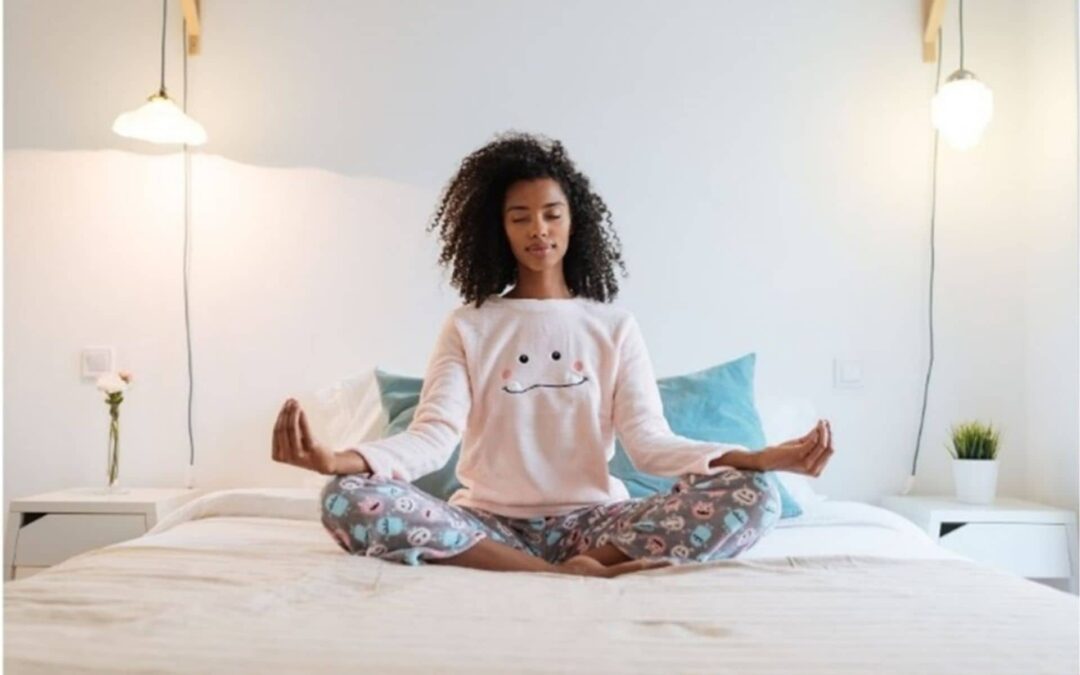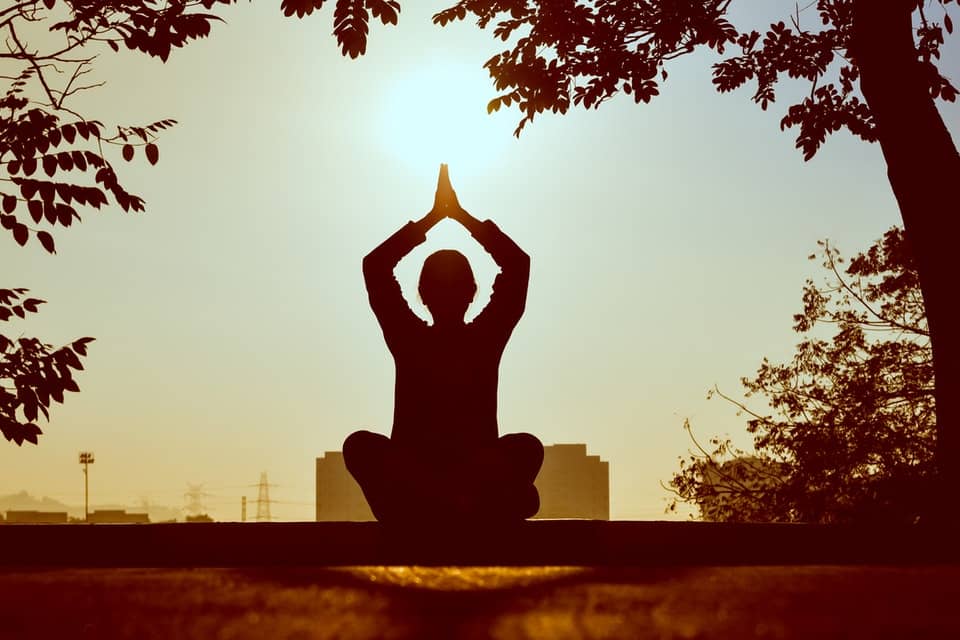
Meditation as a solution for reducing stress and anxiety?

Meditation as a solution for reducing stress and anxiety?

Meditation as a solution for reducing stress and anxiety?

Our current lifestyle exposes us all to stress: we hear more and more about mental overload and burnout. Juggling personal and professional life can be a big challenge! A stressful job with lots of meetings and responsibilities, a family to manage, sports or other activities: how can we keep up with everything? What's more, we are constantly connected: emails, phones, social media, 24-hour news channels… all these channels are constantly sending us notifications. In this context, how can we find time to wind down and enjoy the present moment?

How to manage stress? 

A study published by Santé Publique France revealed that the prevalence of anxiety in France was 13.5% in 2017. A previous study showed that mood disorders (depressive episodes, dysthymia, manic episodes) affected approximately 11% of men and 16% of women, and that anxiety disorders (generalized anxiety, agoraphobia, social phobia, panic disorders, and post-traumatic stress disorder) affected 17% of men and 25% of women.

Recently, the health crisis has increased feelings of anxiety around the world. The prevalence of anxiety rose to 26.7% during the first wave of COVID-19, twice the rate in 2017. It is urgent to find solutions to reduce these staggering figures.

So how can we reduce stress and anxiety? Could meditation be a solution to these problems? The number of retreats and courses dedicated to meditation has exploded in recent years, reflecting growing demand.

It is also increasingly recommended by the medical profession and has been democratized by the many books published on the subject and the various apps that allow people to practice using their cell phones.

What are the origins of meditation?

No one really knows when meditation first began. It is thought to have originated in Asian societies, which structured the practice. It is thought to have developed in Hindu traditions and then in the Buddhist religion in India, as well as in Taoist China, several millennia before Christ. References to the practice of meditation can also be found in other cultures and various religions such as Judaism, Islam, and Christianity.

In the West, it was the translation of philosophical texts from the East that first brought the concept of meditation to prominence in the 18th century. At that time, it was only a topic of discussion for intellectuals such as Voltaire and Schopenhauer.

It remained relatively unknown and rarely practiced until the 20th century, when it became more widespread. By distancing itself from religion, meditation adapted to the Western lifestyle. In the 1960s and 1970s, transcendental meditation was practiced by many celebrities, including the Beatles. However, it remained mainly associated with hippie culture and was not widespread in all circles.

In the 1990s, treatment programs for anxiety and depression were developed around meditation. A psychological approach combining meditation with behavioral and cognitive therapy has shown convincing effects on these disorders.

Nowadays, meditation is a relatively common relaxation activity. This is not surprising when you consider that its practice is associated with many positive effects on mental and physical health.
Nahibu

What are the different types?

There are many forms of meditation around the world. Depending on the location, religion, lifestyle, or personal preferences, meditation can be different and adapted to each practitioner.

Mindfulness meditation

The most widespread form of meditation in Western societies and the medical field is mindfulness, which consists of refocusing on the present. In today's world, it is difficult not to project ourselves into the future, not to anticipate what might happen, or, conversely, not to dwell on memories or regrets… Mindfulness offers a way to connect with the present moment, forgetting the past and the future. It allows us to observe what is happening within us but also around us, without reacting to it, simply accepting it. It also allows us to become aware of certain mental patterns that could be harmful, such as the tendency to dwell on our failures, for example.

Focused attention meditation

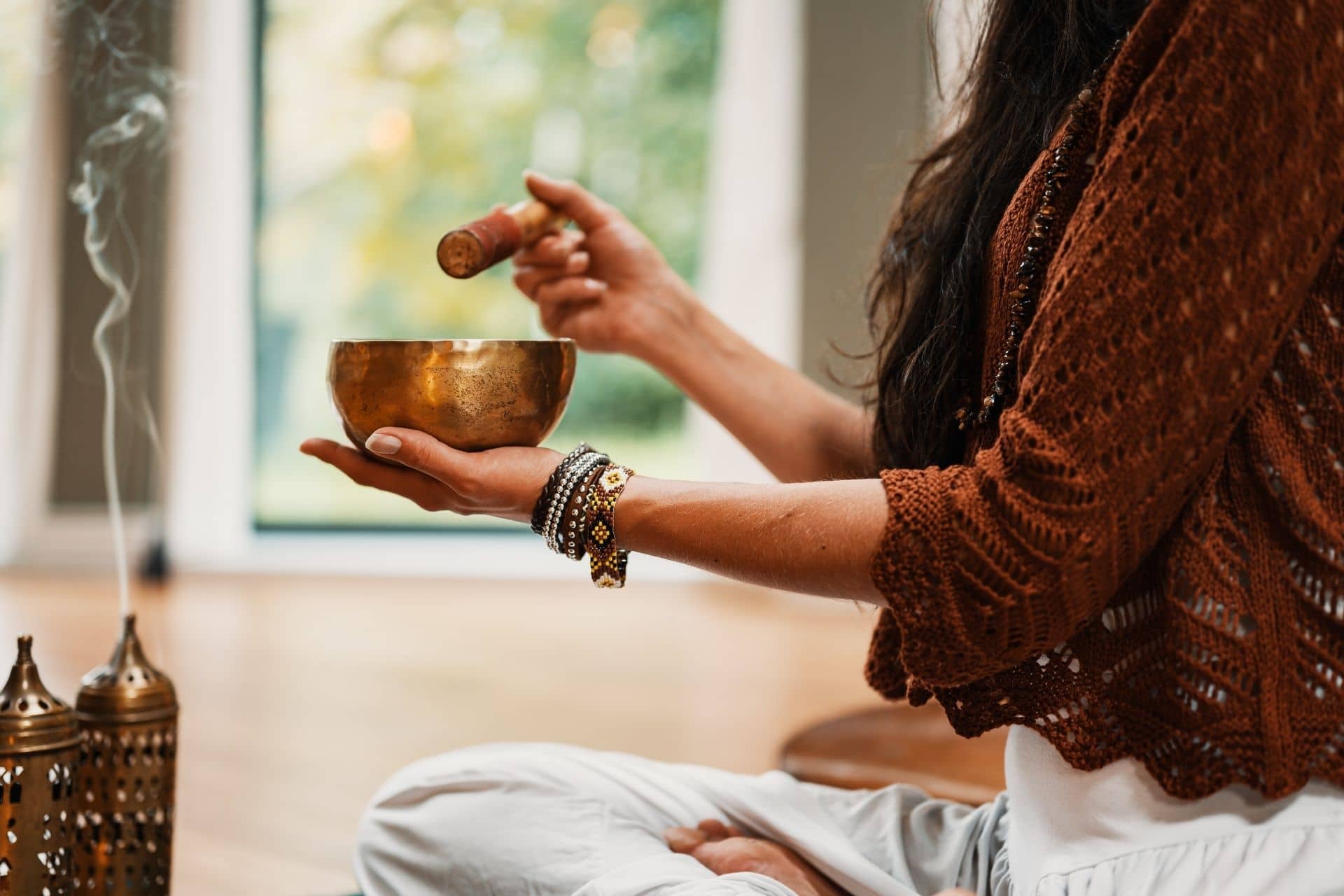
There is also focused attention meditation, during which attention is concentrated on an object, a part of the body, a mantra, etc. If the mind wanders and thoughts arise, the goal is to refocus on the object of meditation, which then serves as an anchor for attention.

There are many variations of these types of meditation, and they can also be combined. Other practices exist, of course, but they are less common in Europe.

What is meditation for?

Meditation, in its spiritual and traditional dimension, allows you to access a new state of consciousness, to awaken. In Europe and the United States, meditation has largely been freed from its spiritual dimension, and its objectives are more about regulating emotions, particularly stress, gaining self-confidence, or getting through a difficult situation. The practice of meditation has adapted to the needs of Western societies. It can be integrated into an approach aimed at improving well-being and achieving happiness.
Nahibu

Meditation reduces stress, anxiety, and depression

A meta-analysis of 45 studies published in 2017 in the Journal of Psychiatric Research showed that the different forms of meditation studied reduced stress markers (cortisol, CRP or C-reactive protein, blood pressure, heart rate, triglyceride levels, and TNF-alpha—a pro-inflammatory factor). The effect on stress regulation is therefore very real.

A study conducted in the United Kingdom on 238 employees measured the effects of a mindfulness meditation program on smartphones on work-related stress over an eight-week period. Participants noted their levels of well-being and distress. The meditation program offered 10- to 20-minute sessions. The results showed that listening to these meditations several times a week for two months improved overall well-being, anxiety, and depressive symptoms. The more often the meditation was listened to, the greater the effects. What's more, these effects persisted even after the intervention ended.

Is there a link between meditation and our gut?

The gut is home to many neurons that form the enteric nervous system. This nervous system regulates the functions of the digestive tract. The gut microbiota, composed of billions of microorganisms (bacteria, viruses, fungi, yeasts, etc.) that populate our gut, produces neurotransmitters during the fermentation of certain foods. Neurotransmitters are molecules that transmit messages from one neuron to another. The gut-brain axis, also known as the gut-microbiota-brain axis, enables constant communication between these two, or even three, organs. When under stress, who hasn't experienced an increase or decrease in their bowel movements? This is proof that the brain and gut exchange information!

Take care of your microbiota with Nahibu.
The existence of the gut-brain axis would suggest that meditation, which reduces feelings of anxiety and stress, could influence our gut microbiota. A study published in December 2020 on elderly subjects with mild cognitive decline tends to confirm this hypothesis. The participants followed a mindfulness program for up to 9 months. The results showed that practicing mindfulness improved their cognitive functions and was also associated with a change in their microbiota. Meditation therefore appears to have many benefits and to have an overall effect on the body. It not only regulates stress markers such as cortisol, but also the composition of the gut microbiota!

How to meditate at home? Tips for beginners:

Where to practice?

Meditation is becoming increasingly accessible thanks to the publication of numerous books on the subject, as well as mobile apps and gadgets that make it easy to practice at any time.

With mobile apps, you can practice anywhere, even discreetly with your headphones on: at home, on public transportation, in line at the supermarket, at the office during your lunch break, etc.

If you don't have an app, you can also practice mindfulness by sitting down, relaxing your body, and focusing on your breathing and the areas of your body that are in contact with the chair, floor, or bed. If you find it easier, focus on an object.

When to meditate?

There is no right or wrong time: morning or evening meditation, it's up to you to find the time that suits you best. The ideal is to find a slot during which you can meditate regularly.

Don't feel stressed? You can still practice, and it's even recommended because your body and mind will be trained during a calm moment, and meditation can be even more effective when you feel overwhelmed. The practice can last from 5 to 30 minutes, or even longer if you have the time; the key is to be able to fit a session into your schedule. In the morning, it can help you start your day off right; at lunchtime, it can give you a break from the hustle and bustle of your day; and in the evening, it can regulate your sleep and help you sleep better.

What if I can't do it?

One of the keys to meditation is to observe and accept thoughts, feelings, and sensations without reacting. We must welcome what is happening within us and around us, without judgment. There is no such thing as a bad meditation session; every session brings something. If you feel that your mind can't stop thinking, that you can't focus on the present moment, just observe and accept it.

Don't set goals and feel guilty if you don't achieve them; the practice itself is enough. And if you haven't had time to practice, or haven't felt like it, it's okay, you can always do it another time!

Ready to balance your chakras and achieve happiness?

Meditation has finally found its place in the West, thanks to the many mobile apps and books that have made it accessible to everyone. In the medical field, it is often used as a complement to therapies and treatments for a number of disorders such as panic attacks, anxiety, depression, sleep disorders, but also chronic pain and tinnitus.

In our busy lives, it is very rare to be able to stop and observe, without doing anything. Meditation, in all its forms, has many virtues. Isn't the first of these to teach us to enjoy the present moment?

Sources:

https://positivepsychology.com/history-of-meditation/

https://www.santepubliquefrance.fr/docs/la-sante-mentale-des-francais-face-au-covid-19-prevalences-evolutions-et-determinants-de-l-anxiete-au-cours-des-deux-premieres-semaines-de-confi

Mindfulness mediates the physiological markers of stress: Systematic review and meta-analysis. Pascoe MC, Thompson DR, Jenkins ZM, and Ski C. Journal of Psychiatric Research, 2017.

Mindfulness on-the-go: Effects of a mindfulness meditation app on work stress and well-being.

Sophie Bostock, Alexandra D. Crosswell, Aric A. Pratherb, and Andrew Steptoe. J Occup Health Psychol., 2019.

Mental awareness improved mild cognitive impairment and modulated gut microbiome. Wei Wei Thwe Khine, Miao Lian Voong, Ted Kheng Siang Ng, Lei Feng, Grishma Avinash Rane, Alan Prem Kumar, Ee Heok Kua, Ratha Mahendran, Rathi Mahendran, and Yuan-Kun Lee. Aging, 2020.

Discover more articles on the microbiota.

Partnership between Bio-Recherche and Nahibu

Partnership between Bio-Recherche and Nahibu

Bio-Recherche Laboratories specialize in researching and marketing high-value-added dietary supplements whose effectiveness has been proven by clinical studies, most of which justify prescription by doctors.
Take care of your microbiota with Nahibu.
Can the microbiota help manage stress and anxiety?

Can the microbiota help manage stress and anxiety?

Can the microbiota help manage stress and anxiety?

In this article, you will discover what stress is, how it affects your body, and how to manage it effectively. Nahibu, as a specialist in gut microbiota, has decided to include a module on the role of gut bacteria in stress and anxiety resistance in its microbiota analysis. You will therefore discover how bacteria in your gut can regulate your brain!

The

What is stress?

Nowadays, few people can claim that they are not stressed. Our societies often impose an ideal of social, professional, and family success that can cause a lot of pressure. Juggling different activities, your professional life, and finding time for yourself can be difficult. Many people say they are stressed. What exactly does that mean?

Stress is a complex phenomenon that triggers emotional, biological, and physical responses. The response to stress is different for each person depending on genetics, environment, and diet.

Stress can be broken down into a trigger (the stressor), a compensatory reaction, and the establishment of a new balance.

There is acute stress, which does not last long, and chronic stress, which lasts over time and can be harmful.

Anxiety, on the other hand, is the tendency to anticipate or dwell on difficulties, thereby amplifying them. It is therefore a source of stress.

Anguish is a specific but intense psychological experience, characterized by a feeling of loss of control and the imminence of serious danger. Anguish manifests itself through several symptoms, including a feeling of oppression, breathing difficulties, and a rapid heartbeat. It is linked to anxiety, which is a more chronic and less destabilizing condition. Anxiety and nervousness are two conditions that cause stress.


What are the triggers and symptoms of stress?

The factors responsible for stress, or stressors, can be internal or external, real or imagined, such as an unpleasant person in one's circle, an illness, or even a car breakdown. Stressors trigger a physiological crisis mode response in the body, the purpose of which is to adapt and restore balance.

The symptoms of stress can be very diverse and include fatigue, sleep disorders, loss of appetite or overeating, skin conditions such as eczema, irritability, decreased libido, heart palpitations, and muscle tension.

The symptoms of an anxiety attack, which is a short and very intense form of anxiety, include heart palpitations, sweating, chest pain, tremors, a feeling of suffocation, dizziness, nausea, and stomach pain. They are accompanied by psychological symptoms such as the feeling of going crazy or imminent death. These symptoms are very frightening and themselves fuel the panic or anxiety attack.

Anxiety is a state of distress that is less intense but more long-lasting. Some symptoms of an anxiety attack may be present, but they are less intense, such as nausea or stomach ache and palpitations.


How important is stress?

The number of people affected by stress and anxiety is constantly growing, mainly due to our lifestyles and socio-economic models. In addition, the health crisis triggered by the emergence of the SARS-CoV-2 virus in late 2019 has contributed to an increase in these disorders worldwide. It has changed our habits, led to the isolation of a large part of the population, called into question many certainties, and increased mortality rates in many countries.

The prevalence of anxiety disorders was estimated at 21.6% in 2010. Women, young people, and low-income individuals were the most at risk. Depressive episodes, alcohol abuse, and drug addiction are often associated with anxiety disorders.

According to a 2012 study, 22% of European workers experience stress.

The COVID-19 health crisis has caused a dramatic increase in stress and anxiety levels: the prevalence of stress is currently estimated at 29.6% and that of anxiety at 31.9%. 

The

What happens in the body under the effects of stress?

The stress response refers to the changes that take place in the body, such as behavioral changes or the secretion of specific hormones. Stress has negative effects if it is severe or prolonged, i.e., if it becomes chronic.

Acute stress occurs when the body is subjected to a threat such as an accident, illness, or a stressful psychological situation that does not last long. Reactions are then triggered to either fight or flee (fight or flight). This is a legacy from our ancestors millions of years ago. When faced with a dangerous animal such as a lion, the threat was perceived by the body, which adapted to increase the chances of survival: flee from the animal or fight it. Nowadays, it is rare to encounter a wild animal, but this mechanism of response to a threat is still present. The physiological changes associated with the stress response are:

  • The mobilization of energy to maintain brain and muscle functions
  • Focusing attention on the perceived threat
  • Increased glucose utilization
  • Increased blood flow and respiration, redistribution of blood flow, increased energy supply to muscles and brain
  • Modulation of immunity
  • Inhibition of reproductive physiology and sexual behavior
  • Decreased hunger and food intake

The brain perceives the threat and signals the adrenal glands (located above the kidneys) to release sufficient amounts of adrenaline. This increases blood and oxygen flow to the muscles, allowing them to perform optimally, and increases brain alertness.

If acute stress persists, cortisol, also known as the stress hormone, is produced by the adrenal glands to increase blood glucose levels, which provide energy to the brain and muscles.

During chronic stress, cortisol is produced continuously. This can have negative effects on the body, as this state leads to excessive fatigue, reduced immunity, disturbed sleep, metabolic problems, and dietary changes that can cause weight loss or gain. Chronic stress thus depletes energy reserves and alters neurotransmitter production. Neurotransmitters are molecules that send signals to neurons, such as serotonin, which regulates many mental and behavioral processes, and melatonin (nicknamed the sleep hormone).


What is the difference between stress, anxiety, anguish, and fear?

Fear, anxiety, and distress or panic are different but related psychological manifestations. Fear can cause anxiety, distress is a very intense form of anxiety, and anxiety can cause stress.

Fear is a disproportionate aversion to something that is characterized by tension, trembling, or sweating.

Anxiety is a tendency to anticipate or dwell on negative things, which can cause stress.

An anxiety attack or panic attack is an intense experience closely linked to anxiety, with very dramatic symptoms such as a feeling of losing control.


Is there a treatment for stress?

There is no miracle cure for stress and anxiety, but certain sophrology or meditation techniques can help you accept your emotions and manage how you react to them.

Discover how meditation can help you relieve pressure. 

Exercise and a balanced diet can also help support your body. One study also showed that listening to relaxing music helped lower salivary cortisol levels more quickly after acute stress.


How do the gut and microbiota regulate our stress?

Within the enteric nervous system, there are one to several hundred thousand neurons that participate in the gut-brain axis. This communication axis allows for constant, two-way dialogue between the two organs. One of the most concrete manifestations of the existence of the gut-brain axis is the alteration of transit (diarrhea or constipation) caused by a stressful event such as public speaking or an exam.

The gut-brain axis is regulated by the gut microbiota, the collection of microorganisms living in the lower part of our digestive tract. Certain microbes, such as intestinal bacteria, produce signals that modulate the messages sent to the brain, known as neurotransmitters. Serotonin, for example, also known as the happiness hormone, is produced largely by the gut microbiota. In addition to our mood and behavior, it also regulates the intestinal barrier. Its production from the amino acid tryptophan is impaired in cases of sustained stress.

Finally, stress can also damage the intestinal barrier that protects our body from bacterial or food residues passing into our cells. If this barrier is impaired, low-level inflammation can develop in the intestine.

All of this tends to demonstrate that there is an important link between the microbiota, the intestinal barrier, and stress and anxiety.

The

How can we measure the impact of our gut microbiota on stress and anxiety?

Studies have shown that gut microbiota regulates stress response and anxiety levels. Initial observations have also concluded that taking certain probiotics consisting of Lactobacillus and Bifidobacteria can reduce stress and anxiety. However, many claims about the effect of probiotics on our mental health still lack clinical evidence.

How can you find out if your microbiota could potentially help you resist stress and anxiety? Take the test and find out in your Nahibu results!

What foods should you eat to combat stress and anxiety?

What should you eat to manage stress? You can increase your serotonin levels by eating a diet rich in complex sugars (whole grains and plant-based products) and low in protein. Tryptophan, from which serotonin is formed, is found in whole grains, but also in chocolate.

Omega-3s are fats that are beneficial for the brain and are associated with a reduced risk of depression. They are found in oily fish, nuts such as walnuts, hazelnuts, almonds, and cashews, and rapeseed, flaxseed, and walnut oils. Feel free to replace meat with fish and use healthy oils to dress your salads.

Plant-based foods such as fruits, vegetables, and legumes contain vitamins that help the body function properly and contribute to good stress resistance.

Stress can cause a decrease in magnesium levels, which in turn can exacerbate its effects. A diet rich in magnesium can therefore help combat stress and anxiety. So don't hesitate to eat dark chocolate made with pure cocoa butter in reasonable quantities, oilseeds, and seafood to optimize your magnesium intake. You can discover more foods to improve your resistance to stress and anxiety thanks to Shido's personalized nutrition algorithm.


How can you manage your stress?

A healthy lifestyle (regular bedtimes, little or no alcohol, and daily physical activity) and a balanced diet can help reduce stress and anxiety levels. In addition, certain foods will be your best allies, such as plant-based products, fatty fish (salmon, herring, tuna, mackerel, etc.), oilseeds, and dark chocolate. Why not replace sugary foods such as cookies or other dessert creams with a handful of almonds or walnuts and a square of dark chocolate?

When faced with difficult emotions, why not try mindfulness meditation or sophrology techniques, which are very effective in reducing stress? They will also teach you not to fight stress but to accept it in order to manage it better. Give yourself time for yourself and enjoy the present moment, alone or with your loved ones. Don't be ashamed to discuss your stress and anxiety with those around you, and seek professional help if necessary.

Finally, test your gut microbiota with Nahibu to discover how your gut flora may contribute to stress and anxiety management, and get personalized dietary advice on how to improve it! 

Sources: 

Prevalence, characteristics and comorbidities of anxiety disorders in France: Results from the Mental Health in General Population Survey (MHGP). E. Leray, A. Camara, D. Drapier, F. Riou, N. Bougeant, A. Pelissolo, K.R. Lloyd, V. Bellamy, J.L. Roelandt, B. Millet. European Psychiatry, 2011.

https://osha.europa.eu/en/publications/management-occupational-safety-and-health-analysis-findings-european-survey-enterprises/view

Prevalence of stress, anxiety, depression among the general population during the COVID-19 pandemic: a systematic review and meta-analysis. Nader Salari, Amin Hosseinian-Far, Rostam Jalali, Aliakbar Vaisi-Raygani, Shna Rasoulpoor, Masoud Mohammadi, Shabnam Rasoulpoor and Behnam Khaledi-Paveh. Globalization and Health, 2020.

Effects of relaxing music on salivary cortisol level after psychological stress. Stéphanie Khalfa, Simone Dalla Bella, Mathieur Roy, Isabelle Peretz, Sonia J. Lupien. Ann. New York Academy of Sciences, 2003.

Breaking down the barriers: the gut microbiome, intestinal permeability and stress-related psychiatric disorders. John R. Kelly, Paul J. Kennedy, John F. Cryan, Timothy G. Dinan, Gerard Clarke, and Niall P. Hyland. Frontiers in Cellular Neuroscience, 2015.

Gut/brain axis and the microbiota. Emeran A. Mayer, Kirsten Tillisch, and Arpana Gupta. The Journal of Clinical Investigation, 2015.

Nutrient and Stress Management, Karuna Singh. The Journal of Nutrition and Food Sciences, 2016.

Discover more articles on the microbiota.

Partnership between Bio-Recherche and Nahibu

Partnership between Bio-Recherche and Nahibu

Bio-Recherche Laboratories specialize in researching and marketing high-value-added dietary supplements whose effectiveness has been proven by clinical studies, most of which justify prescription by doctors.

Take care of your microbiota with Nahibu.