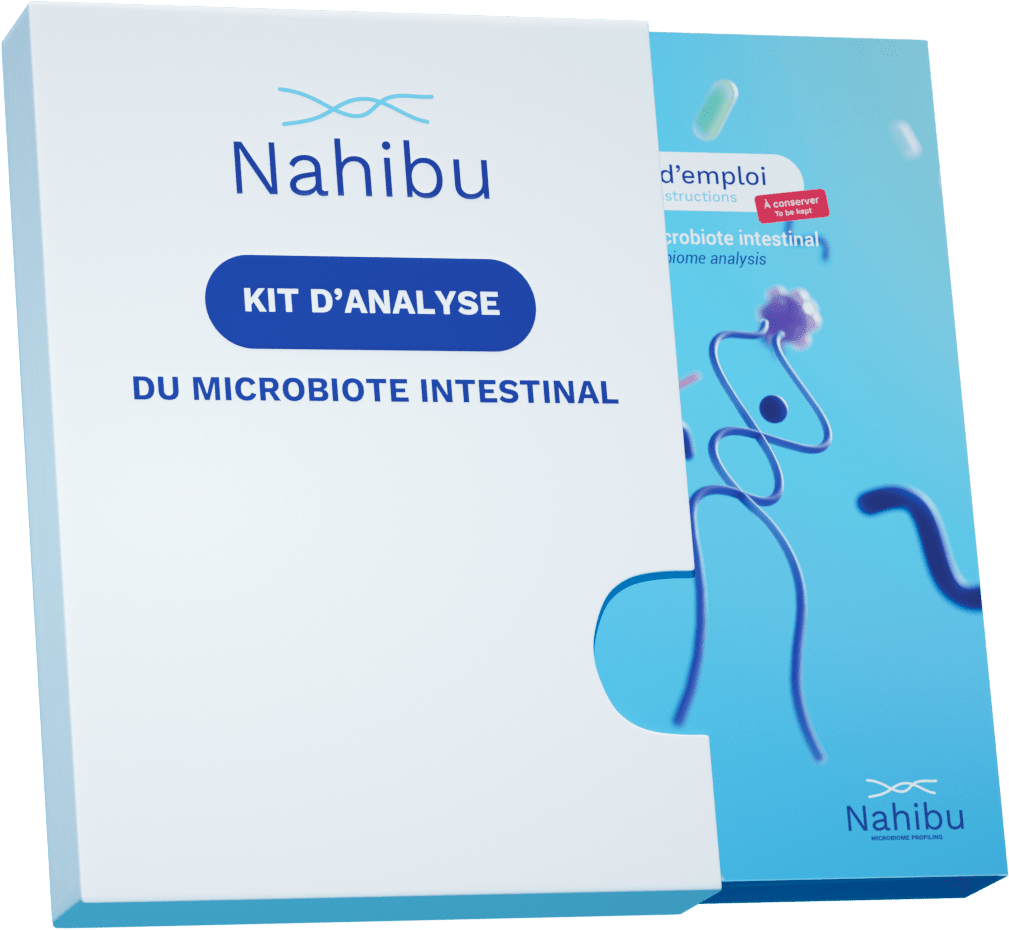
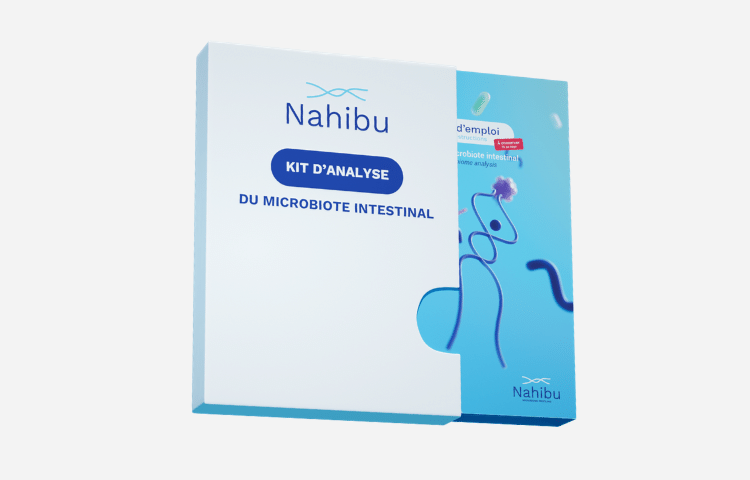
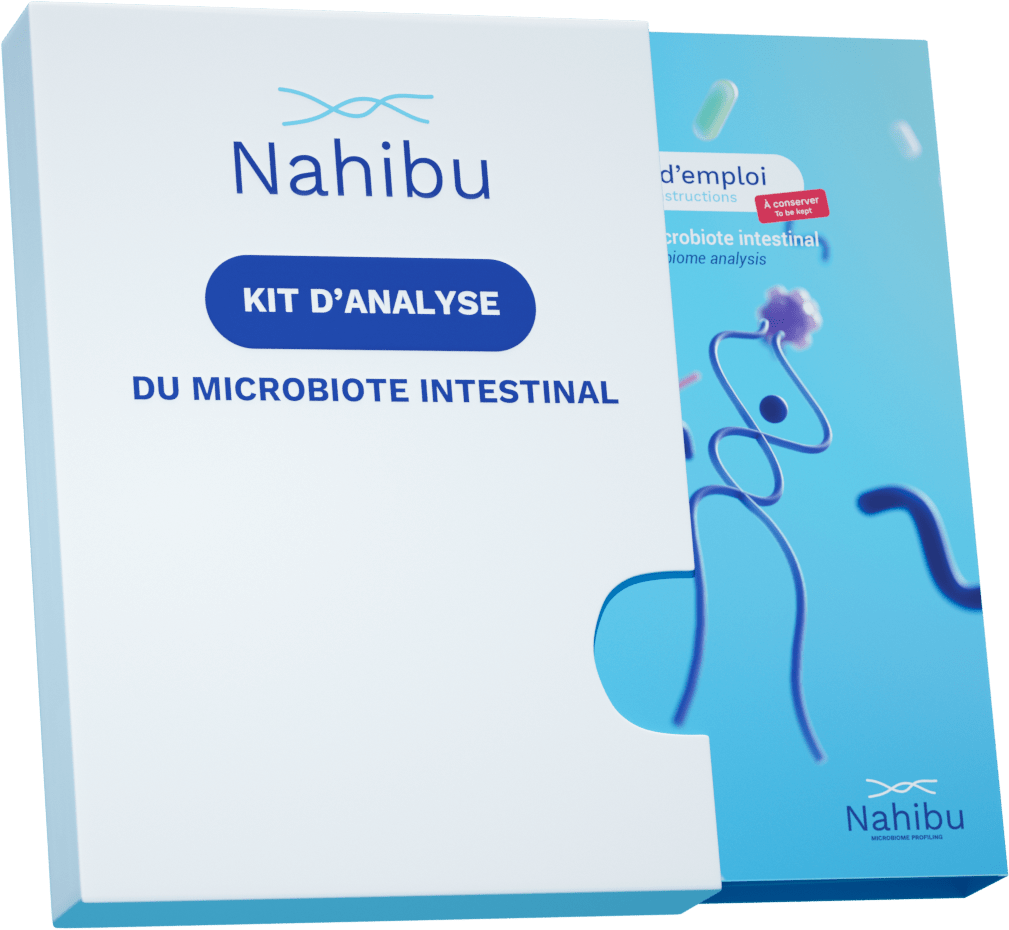
Nahibu: presentation of the sampling kit.

Nahibu: presentation of the sampling kit.

The

The Nahibu gut microbiota analysis kit.

The Nahibu kit is a fecal sample collection kit that can be used at home without any medical intervention. The contents of the kit and the collection method are described in a user manual provided in the Nahibu kit box. The kit consists of three items:

Kit

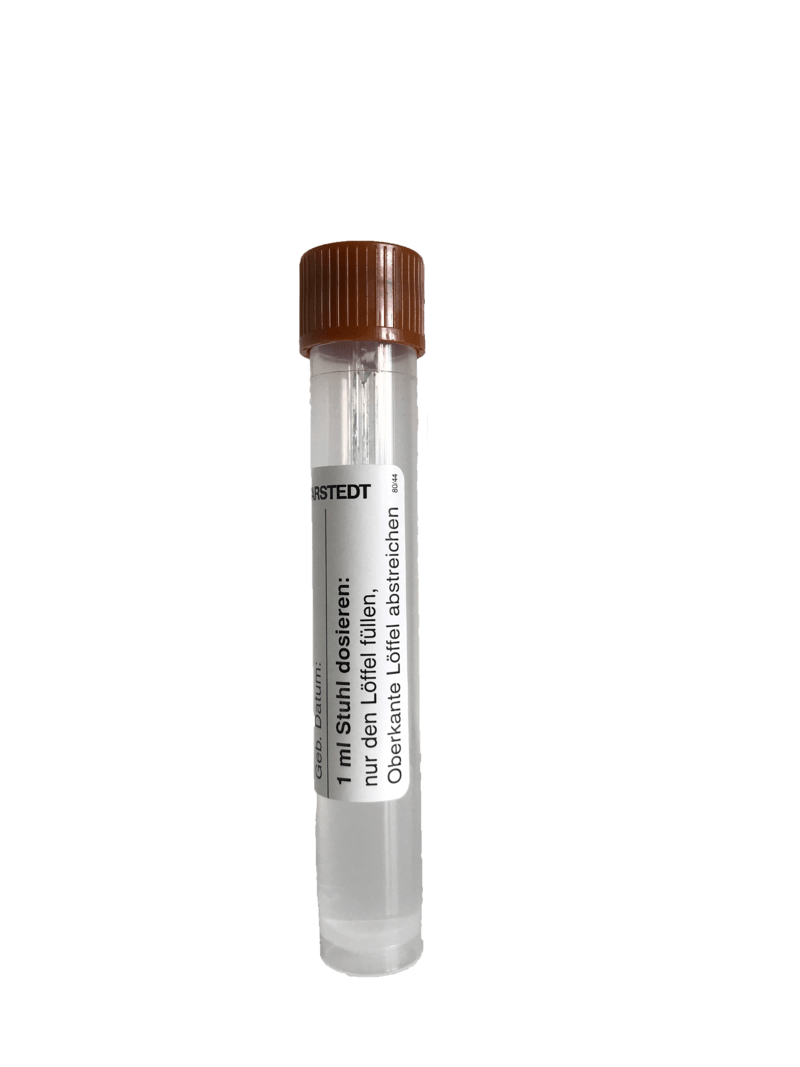
A tube: 

A tube with a screw cap. This is the tube used to collect the sample. A plastic spoon is attached to the lid, allowing approximately 1g of stool to be collected (the amount needed for sequencing). At the bottom of the tube are 4 ml of DNA stabilizer. This stabilizer ensures that the sample is properly preserved at room temperature.
It inactivates the viral load and limits the proliferation of fungi and bacteria.

Kit

Feces Catcher: 

The Feces Catcher (Stool Trap) is a hygienic, easy-to-use, biodegradable stool sample collection device consisting of a disposable piece of paper that is placed on the toilet seat. Instructions are printed directly on each stool catcher for ease of use. By placing the Feces Catcher on the toilet seat,
the sample is protected from possible sources of contamination, such as residual bleach, urine, etc.

Kit

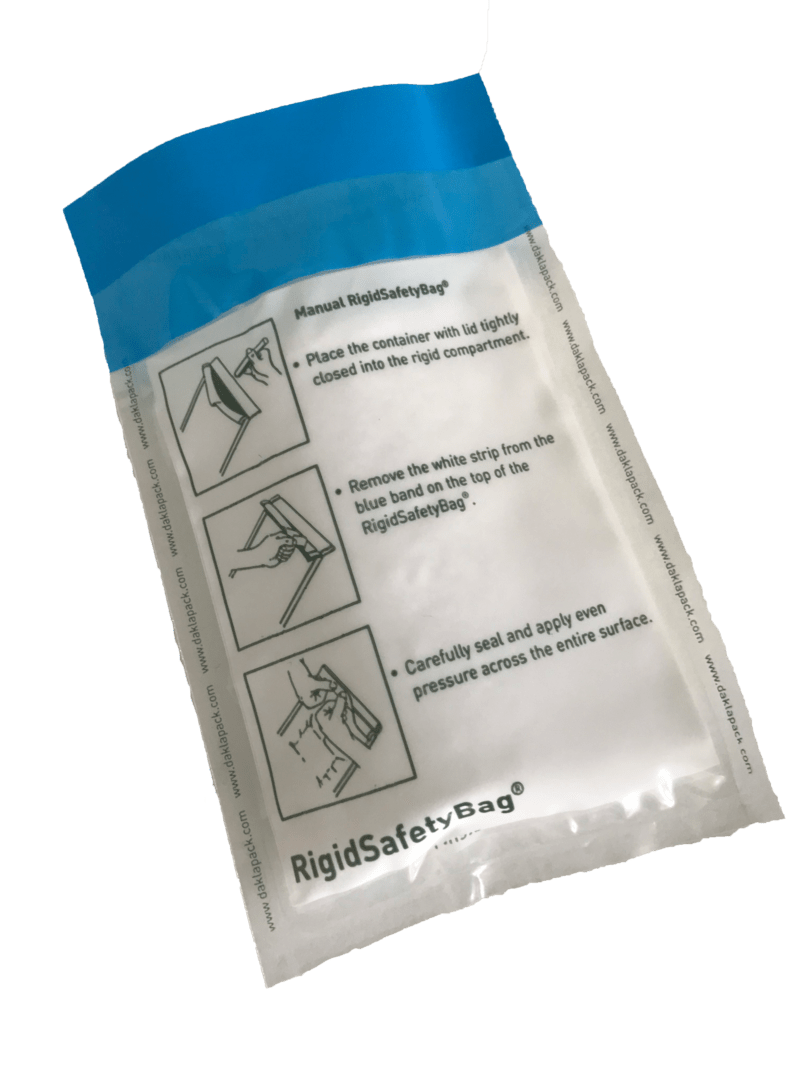
Shuttlepuch:

Shuttlepuch is a plastic pouch containing absorbent paper. It allows the tube to be transported safely and securely. Once closed, if the tube opens or leaks, everything will be absorbed by the paper in the pouch.

Take care of your microbiota with Nahibu.

Discover more articles on the microbiota.

Broccoli and turmeric soup

Broccoli and turmeric soup

Broccoli is great for making soup. This recipe promotes a healthy gut microbiota and also reduces cardiovascular risks.
Salmon tartare with coconut cream

Salmon tartare with coconut cream

Mild and fresh, indulge in this salmon tartare recipe served with coconut cream. An ideal starter to fill up on vitamins and protein.

Butternut squash soup with seaweed

Butternut squash soup with seaweed

Rich in fiber, butternut squash soup, accompanied by seaweed, helps fight cellular aging and ensures healthy bowel function. This recipe is brought to you by Alexandra Beauvais, Wellness Chef.

Take care of your microbiota with Nahibu.
Microbiologist Stanislav Dusko Ehrlich joins Nahibu

Microbiologist Stanislav Dusko Ehrlich joins Nahibu

Nahibu's scientific committee includes Stanislav Dusko Ehrich, Director of Research Emeritus at INRA.

Nahibu's

Professor Stanislav Dusko Ehrlich

Stanislav Dusko Ehrlich is the first scientist to propose the complete sequencing of the microbiota, leading the international MetaHIT consortium.  

The partnership between Nahibu and the Emeritus Research Director aims to advance the science of the gut microbiota.

It's very exciting to join Nahibu, which I believe offers the best in gut microbiota analysis. Together, we will be able to combine our strengths to advance the science of gut microbiota and bring its benefits to as many people as possible, said Stanislav Dusko Ehrlich. Nahibu uses high-definition sequencing, which is the most accurate method available today, as well as cutting-edge tools, and I will be able to contribute my vision and scientific advice to this promising company.

An organic chemistry engineer from the University of Zagreb, where he graduated at the top of his class, and a Doctor of Science in Biochemistry from Paris VII University, Stanislav Dusko Ehrlich founded and directed the Microbial Genetics Unit and the Microbiology Division at INRA and coordinated the European Commission's first major project on the microbiome, MetaHIT, which laid the foundations for the current characterization of the microbiome. At the same time, he co-founded the first start-up in the field of human microbiome, Enterome, in 2012.

He was also an associate of Professor Joshua Lederberg, winner of the Nobel Prize in Medicine, in the Department of Genetics at Stanford University School of Medicine.

Stanislav Dusko Ehrlich is a member of the Croatian Academy of Sciences and Arts, the French Academy of Agriculture, the European Molecular Biology Organization (EMBO), the American Academy of Microbiology, and the European Academy of Microbiology.

Awards:

 Winner of the INRA Award for Excellence in Agricultural Research, Winner of the Del Duca Scientific Grand Prize from the Institut de France, Knight of the Order of Merit and the Legion of Honor.

Take care of your microbiota with Nahibu.

Discover more articles on the microbiota.
Broccoli and turmeric soup
Broccoli and turmeric soup

Broccoli is great for making soup. This recipe promotes a healthy gut microbiota and also reduces cardiovascular risks.

Salmon tartare with coconut cream

Salmon tartare with coconut cream

Mild and fresh, indulge in this salmon tartare recipe served with coconut cream. An ideal starter to fill up on vitamins and protein.
Butternut squash soup with seaweed

Butternut squash soup with seaweed

Rich in fiber, butternut squash soup, accompanied by seaweed, helps fight cellular aging and ensures healthy bowel function. This recipe is brought to you by Alexandra Beauvais, Wellness Chef.

Take care of your microbiota with Nahibu.

Acting on short-chain fatty acid production

Acting on short-chain fatty acid production

Acting on your production of short-chain fatty acids

The gut microbiota

Our health ally

The body evolves in symbiosis with the ecosystem it harbors in the digestive tract. It is composed of a multitude of microorganisms (viruses, bacteria, archaea, fungi) and forms the gut microbiota. Each of these bacteria plays a key role in many vital functions of the body and also in maintaining good health. However, if the balance is disrupted, bacteria that were initially beneficial to health can become harmful and lead to disorders such as neurodegenerative diseases (Alzheimer's, Parkinson's, etc.), metabolic diseases (diabetes, obesity), cancers, and allergies.

Factors that alter the gut microbiota 

The gut microbiota develops from birth until around the age of two and a half. After that, it is considered stable and its composition will only change due to certain factors such as illness, stress, medication, health, diet, geographical location, etc. Under the influence of these factors, the bacterial composition may change.

How can we influence the gut microbiota? 

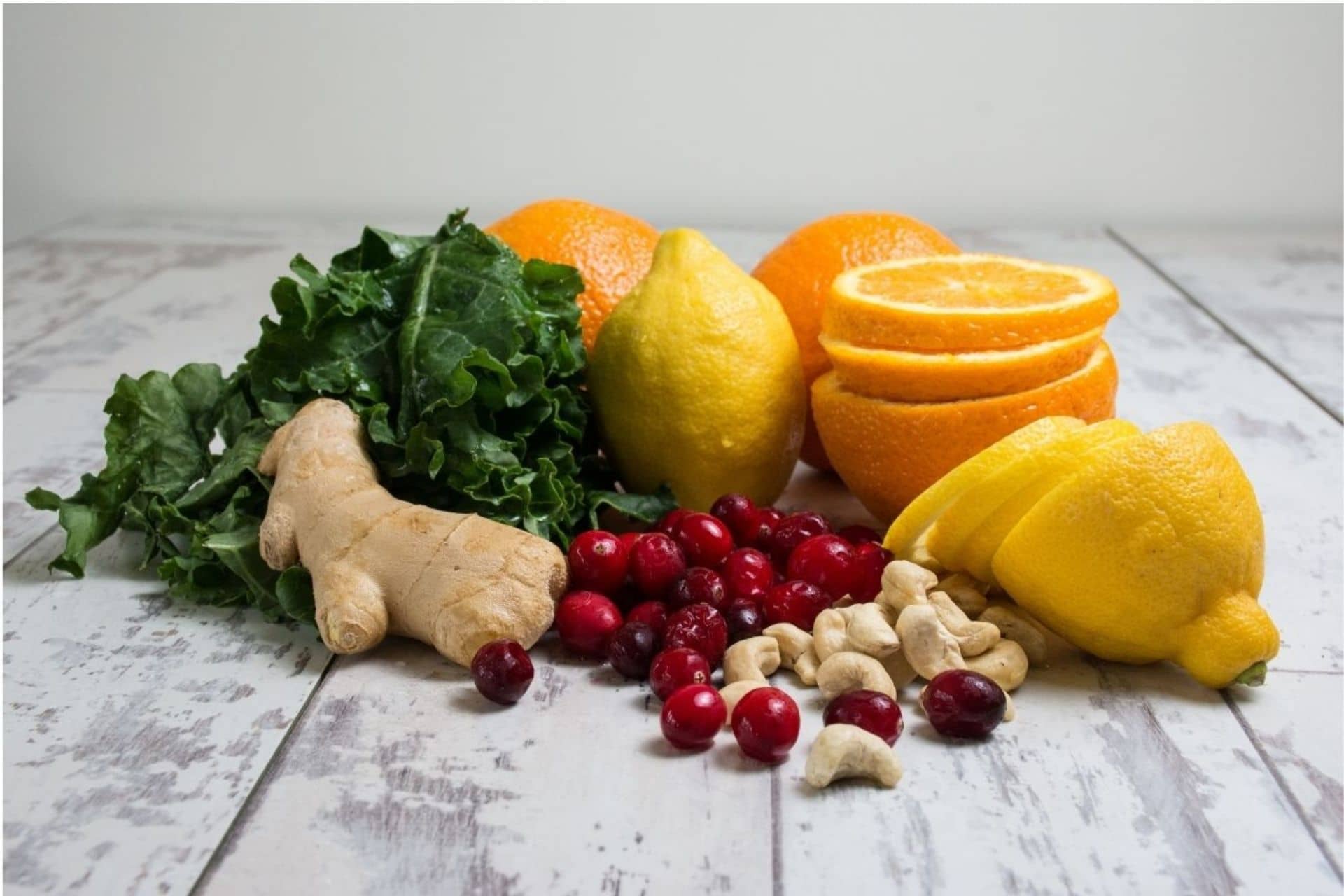
Today, a link has been established between diet and the bacterial composition of the gut microbiota. It is therefore important to eat a varied and balanced diet in order to optimize your microbiota and enjoy its benefits. For example, it is recommended to increase your intake of dietary fiber at the expense of simple carbohydrates. In addition to being filling and beneficial for intestinal transit, fiber reduces the risk of diabetes, cancer, and cardiovascular disease. Finally, it also nourishes good intestinal bacteria. 


Diet

Carbohydrates, more commonly known as sugars, are molecules whose function is to provide energy to the body in the form of calories. There are two types of carbohydrates: simple (or monosaccharides) and complex (or polysaccharides). Simple carbohydrates such as glucose, fructose, and galactose are non-hydrolyzable molecules, meaning they cannot be broken down into smaller molecules.

Complex carbohydrates, on the other hand, are formed by the linking of simple carbohydrates. These include disaccharides such as lactose and sucrose, which are composed of two simple carbohydrates, and polysaccharides (starch, cellulose, glycogen, etc.), which are composed of more than two simple carbohydrates. Only simple carbohydrates and disaccharides in complex carbohydrates have sweetening power. Polysaccharides do not.


Diet

Dietary fiber is a complex carbohydrate of plant origin that is neither digested nor absorbed by the body. There are two types of fiber: soluble fiber and insoluble fiber. Fiber is naturally present in plant-based foods, but its distribution varies. Vegetables (artichokes, beets, carrots, broccoli, cabbage, etc.), legumes (beans, lentils, chickpeas, etc.), whole grains (oats, spelt, brown rice, etc.), fruits (apples, pears, oranges, grapefruit, etc.) and dried fruits (dates, prunes, etc.) are excellent sources.

Digestion of dietary fiber

Once ingested, dietary fiber passes through the digestive tract to the colon without being digested or absorbed. It is in the colon that it first undergoes hydrolysis (or dissociation) by enzymes and then fermentation by bacteria, releasing short-chain fatty acids. Some of these acids perform their functions in the intestine, while others migrate and act throughout the body. 


A

Short-chain fatty acids 


What are SCFAs? 

Short-chain fatty acids (SCFAs) are a subset of fatty acids synthesized by the gut microbiota during the fermentation of non-digestible polysaccharides such as dietary fiber. Put simply, they are molecules produced by good gut bacteria during the fermentation of food. There are several types, such as acetate, butyrate, lactate, propionate, and succinate, which vary in proportion and function. Acetate, butyrate, and propionate are the most common. Each plays an important role in maintaining health and in the development of disease.

Where do SCFAs act? 

Once produced, SCFAs can remain in the colon and be used by intestinal cells or be transported into the bloodstream to act on other organs. The production of SCFAs is influenced by various factors. It depends on the number of bacterial species present in the gut microbiota. The source of dietary fiber and transit time also play a role.

Take care of your microbiota with Nahibu.

What are the health effects of SCFAs? 

AGCCs are now recognized as mediators of the beneficial effects of dietary fiber and gut microbiota on host health. First, they play a key role in maintaining intestinal health. They improve the integrity of the intestinal barrier by regulating pH and mucus production and providing the energy necessary for epithelial cells to perform their functions. They also modulate inflammatory and immune responses.  They regulate immune cell function and lymphocyte differentiation. Lymphocytes are white blood cells that are part of the immune system and protect the body against attacks (bacteria, viruses, diseases, etc.). They also limit the proliferation of tumor cells. In addition, they act on skeletal muscles by modulating their function and exercise capacity. Finally, they prevent the risk of gastrointestinal disorders, hypertension, insulin resistance, obesity, cancer, and cardiovascular disease.

How can you find out your AGCC level? 

It is now possible to analyze your gut microbiota. In addition to detecting the depletion of bacterial biodiversity associated with the risk of dysbiosis, the analysis also detects short-chain fatty acids.

How can you increase your SCFA levels? 

As diet is the main factor influencing the amount of short-chain fatty acids, it is now essential to include fiber-rich foods in your diet to stimulate their production. The higher your fiber intake, the more SCFAs will be produced.

Focus

Focus on butyrate  

A fiber-rich diet is extremely beneficial to health. Increasing butyrate levels has several benefits. In addition to being the main source of energy for epithelial cells, it plays a key role in preventing cancer and inflammatory bowel disease. Furthermore, butyrate supplementation has been shown to reduce the risk of obesity.

Focus on succinate

Succinate, on the other hand, appears to have negative effects. High levels of succinate are found in the intestinal lumen in patients with dysbiosis or inflammatory bowel disease. However, its involvement remains to be confirmed.

In conclusion, it is essential to ensure sufficient dietary fiber intake to enable the microbiota to produce short-chain fatty acids and thus promote good health. In addition to their benefits for the microbiota, fibers are essential for the body. They act as our allies for optimal well-being and to limit the risk of developing certain diseases. Short-chain fatty acids are considered key mediators between diet, gut microbiota, and health. Nahibu, a player in the food industry of tomorrow, offers a gut microbiota analysis solution that measures its diversity and detects SCFAs.  


Sources:

Jian Tan, Craig McKenzie, Maria Potamitis, Alison N Thorburn, Charles R Mackay, Laurence Macia. The role of short-chain fatty acids in health and disease. 2014.

Sean M McNabney, Tara M Henagan. Short Chain Fatty Acids in the Colon and Peripheral Tissues: A Focus on Butyrate, Colon Cancer, Obesity and Insulin Resistance. 2014.

Yao Yao, Xiaoyu Cai, Weidong Fei, Yiqing Ye, Mengdan Zhao, Caihong Zheng. The role of short-chain fatty acids in immunity, inflammation and metabolism. 2020.

James Frampton, Kevin G Murphy, Gary Frost, Edward S Chambers. Short-chain fatty acids as potential regulators of skeletal muscle metabolism and function. 2020.

E E Blaak, E E Canfora, S Theis, G Frost, A K Groen, G Mithieux, A Nauta, K Scott, B Stahl, J van Harsselaar, R van Tol, E E Vaughan, K Verbeke. Short chain fatty acids in human gut and metabolic health. 2020.

Julia M W Wong, Russell de Souza, Cyril W C Kendall, Azadeh Emam, David J A Jenkins. Colonic health; fermentation and short chain fatty acids. 2006.

Sathish Sivaprakasam, Puttur D Prasad, Nagendra Singh. Benefits of short-chain fatty acids and their receptors in inflammation and carcinogenesis. 2016.


Discover more articles on the microbiota.

Broccoli and turmeric soup

Broccoli and turmeric soup

Broccoli is great for making soup. This recipe promotes a healthy gut microbiota and also reduces cardiovascular risks.

Salmon tartare with coconut cream

Salmon tartare with coconut cream

Mild and fresh, indulge in this salmon tartare recipe served with coconut cream. An ideal starter to fill up on vitamins and protein.

Butternut squash soup with seaweed

Butternut squash soup with seaweed

Rich in fiber, butternut squash soup, accompanied by seaweed, helps fight cellular aging and ensures healthy bowel function. This recipe is brought to you by Alexandra Beauvais, Wellness Chef.

Take care of your microbiota with Nahibu.
What is the gut microbiota?

What is the gut microbiota?

What is the gut microbiota?

What is the microbiota?

General definition of microbiota 

Microbiota is a collection of microorganisms (viruses, bacteria, archaea, fungi) living in a specific environment. There are different types of microbiota in the human body: skin, vaginal, intestinal, pulmonary, etc.

General definition of the intestinal microbiota 

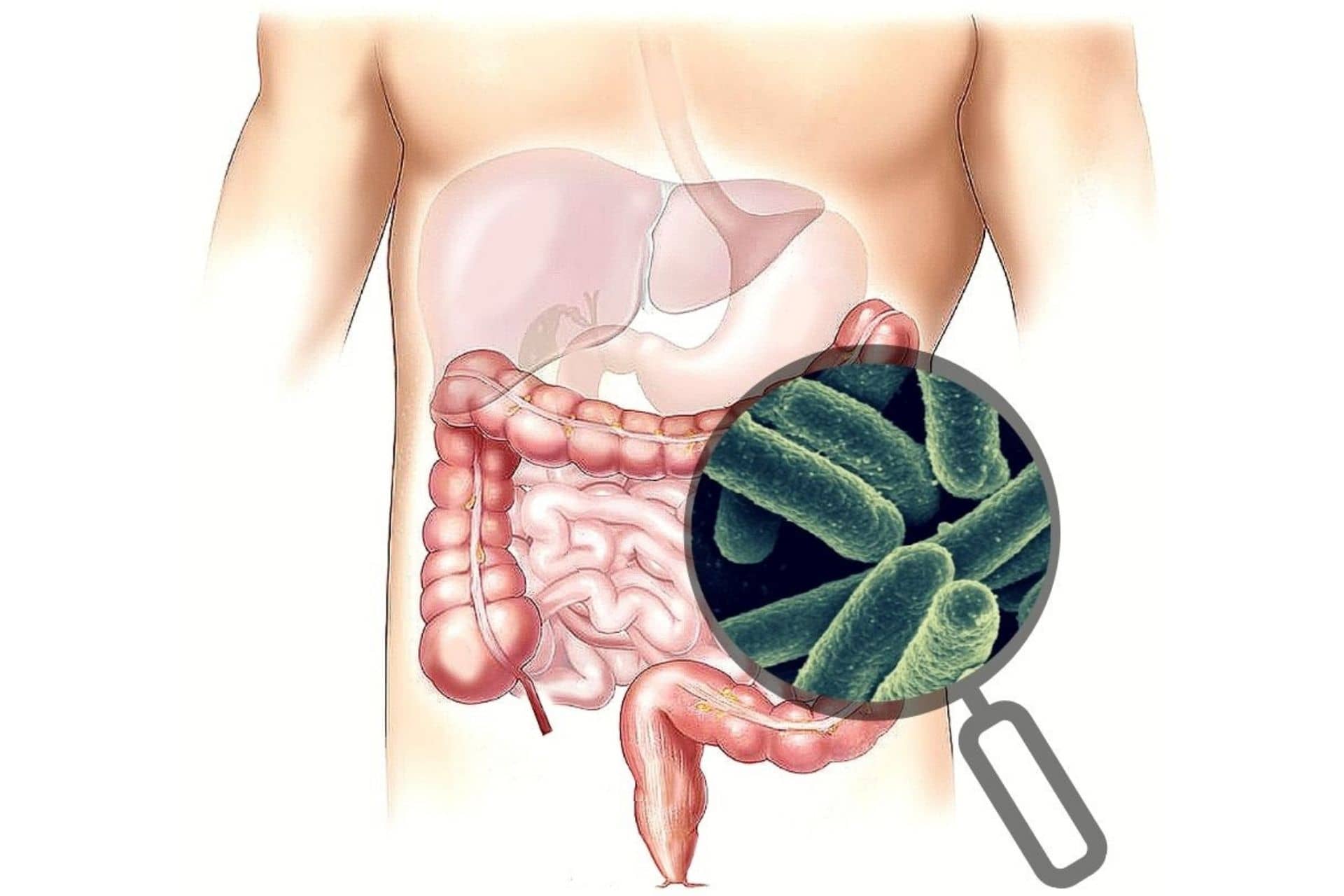
The intestinal microbiota, or intestinal flora, refers to the microorganisms found in the digestive tract: the stomach and intestines. It is the largest microbiota in terms of population, comprising 1014 (10,000 billion) microorganisms, which is 10 times more than the number of cells in the body, and weighs 2 kilograms.

What is the gut microbiota? 

What is the composition of the gut microbiota? 

The digestive microbiota is composed of 90% bacteria. The composition of the microbiota varies from person to person, however, four phyla (or bacterial groups) are found in all individuals: Firmicutes, Bacteroidetes, Proteobacteria, and Actinobacteria. They constitute the common core.

How does the gut microbiota develop? 

The development of microbiota throughout life 

The gut microbiota develops at birth. From the moment it develops and throughout an individual's life, it is influenced by several factors that disrupt its bacterial composition. First, at birth, the composition depends on the mode of delivery of the newborn, i.e., whether the delivery is vaginal or by C-section, and on the gestational age. During a normal birth, the newborn comes into contact with the mother's vaginal microbiota.

These bacteria are therefore the first to colonize the newborn's digestive tract. In an assisted birth, however, the newborn first comes into contact with the skin microbiota and therefore never comes into contact with vaginal bacteria. Differences then arise depending on the newborn's diet, whether they are fed breast milk or formula.

This disparity leads to differences in bacterial composition. Weaning also marks a change in the bacterial composition of the gut microbiota. From birth to weaning, which is usually around the age of 2.5 years, the digestive microbiota is very unstable and therefore very vulnerable.

Factors that influence the gut microbiota 

It is believed that after 2.5 years of age, the microbiota becomes stable and similar to that of an adult. However, it continues to evolve throughout life if exposed to certain factors such as: antibiotic use, illness, stress, diet, geographical location, health status, etc.

For example, taking antibiotics significantly reduces the bacterial diversity of the microbiota and leads to a decrease in the defense mechanisms that protect the body against pathogens.

Alteration of the intestinal flora, more commonly known as dysbiosis, is associated with conditions such as neurodegenerative diseases (Alzheimer's, Parkinson's, etc.), metabolic diseases (diabetes, obesity, etc.), cancers, allergies, etc. Dysbiosis results in an imbalance in the intestinal microbiota and is caused by a reduction in bacterial diversity, to the benefit of pathogenic species.

intestinal

What are the roles of the gut microbiota?

The gut microbiota performs a number of vital functions in the human body. First, it plays a role in protecting the body by defending it against pathogens. It is also involved in metabolic functions, enabling the absorption and production of nutrients. Finally, it plays a key role in the immune system.

There is therefore a real symbiosis between the microorganisms of the gut microbiota and the host, ensuring good health; the host and the gut flora cannot evolve without each other.

Link

How can we analyze our microbiota?

Today, we can analyze the genes present in bacteria from a stool sample to determine the composition of an individual's gut microbiota. Metagenomic analysis, which groups together all bacterial genomes, can then be used to determine bacterial richness, an individual's enterotype, the balance of the intestinal flora, the distribution of phyla (or bacterial groups), the production of short-chain fatty acids, etc.

Take care of your microbiota with Nahibu.

How can we influence the microbiota?

Due to its key role in maintaining a healthy balance in the body, the microbiota must be preserved. Diet is a major factor in influencing its composition and thus preserving its bacterial diversity and balance with the body. Today, there are various alternatives for protecting and maintaining the microbiota.

A varied and balanced diet

Firstly, a varied, balanced diet that is particularly rich in fiber promotes bacterial diversity. In addition, fiber consumption protects against the risk of cardiovascular disease and certain cancers such as colorectal or esophageal cancer.

A diet rich in prebiotics

Consuming prebiotics is beneficial for the host because they are non-digestible substances that promote the development and activity of good intestinal bacteria. There are various sources of prebiotics, such as inulin, FOS (fructo-oligosaccharides), GOS (galacto-oligosaccharides), and fructans, which can be found in vegetables (artichokes, broccoli, leeks, tomatoes, etc.), legumes (red beans, lentils, chickpeas, etc.), fruits (bananas, apples, dried fruit, etc.), roots (chicory, parsnips, Jerusalem artichokes) and even oilseeds (almonds, walnuts, pistachios).

A diet rich in probiotics

A diet containing probiotics also helps to enrich the gut microbiota. Probiotics are live microorganisms that have beneficial effects on the individual by fighting against the colonization of the gut by pathogenic microorganisms. Probiotics include bacteria (lactobacilli, bifidobacteria, streptococci) and yeasts found in various foods such as milk, kefir, sauerkraut, etc.

Fecal transplants

Finally, fecal transplants can be performed by a doctor for a limited number of conditions. They involve introducing stool from a donor into the digestive tract of a recipient with the aim of rebuilding the altered intestinal flora. Fecal transplants are performed under strict medical supervision as they carry serious health risks.

Link

Conclusion

In conclusion, the gut microbiota is an organ in its own right that must be preserved in order for it to perform its functions and ensure good overall health. When the microbiota malfunctions, dysbiosis sets in. It is now possible to prevent this risk of dysbiosis by addressing certain factors such as diet. Today, microbiota analysis, as offered by Nahibu, is commonly used to detect depletion of the gut microbiota in order to remedy it through personalized nutritional support. A varied and balanced diet helps maintain the diversity of the microbiota.

Sources: 

Special edition – Pour la science No. 109. The real powers of microbiota on our health. November 2020.

Francisca Joly Gomez, Isabel Gomez Dubest. Feeding our gut well. Marabout. 2016.

Ting-Chin David Shen. Diet and Gut Microbiota in Health and Disease. 2017.

Daria A. Kashtanova, Anna S. Popenko. Association between the gut microbiota and diet: Fetal life, early childhood, and further life. 2016.

Discover more articles on the microbiota.

Broccoli and turmeric soup

Broccoli and turmeric soup

Broccoli is great for making soup. This recipe promotes a healthy gut microbiota and also reduces cardiovascular risks.

Salmon tartare with coconut cream

Salmon tartare with coconut cream

Mild and fresh, indulge in this salmon tartare recipe served with coconut cream. An ideal starter to fill up on vitamins and protein.

Butternut squash soup with seaweed

Butternut squash soup with seaweed

Rich in fiber, butternut squash soup, accompanied by seaweed, helps fight cellular aging and ensures healthy bowel function. This recipe is brought to you by Alexandra Beauvais, Wellness Chef.

Take care of your microbiota with Nahibu.

Can naturopathy help us feel better?

Can naturopathy help us feel better?

Can naturopathy help us feel better?

The gut microbiota is now considered a vital organ that contributes to our physical and mental health. Defined as our second brain, this ecosystem made up of billions of bacteria is also sensitive to our emotions. Various factors such as stress, anxiety, or depression can affect the balance of our gut flora and cause digestive problems.

Interview with Sandrine Farnetti, naturopath specializing in digestive and emotional balance.

Naturopathy,

A naturopath specializing in digestive and emotional balance for 10 years, Sandrine Farnetti supports people prone to digestive disorders linked to their lifestyle and emotions. She has created a 3-month support program that brings about changes in three personal areas: lifestyle, mental health, and self-acceptance (body, heart, and mind), and it seems that this approach has been successful.

The basic principle of naturopathy is to conduct in-depth research on each individual, which obviously involves listening. In order to discover the source of the problems, a naturopath will take into account the individual as a whole: physical, emotional, and social. 

Digestive discomfort can be very debilitating and painful, but it is not inevitable. Science, nutrition, neuroscience, and mind-body approaches now offer us effective tools for understanding and remedying these problems.

The most important thing, which may seem obvious, is to listen.

Who are naturopathy sessions for?  

Naturopathy sessions are for people who believe that their digestive problems are linked to their emotional state and vice versa.

The support offered aims to identify the cause of the imbalance: what caused the problem in the first place.

Once the source has been identified, I help each person to implement as much advice as possible and offer tools that enable them to become self-sufficient.

Of course, naturopathy is for those who are open to exploring new avenues for their health, who want to co-create their own solution, and who are already under medical supervision.

Naturopathy,

Is it possible to prevent certain digestive disorders from developing?

Through more in-depth investigations: functional preventive biology. Certain markers can provide us with information about intestinal hyperpermeability, for example.

But also an analysis of the microbiota, which gives us a clear picture of what needs to be supported at a given moment. For example, certain bacteria affect sleep quality or emotional stability (frustration, irritability, etc.). In fact, if they are present in too small quantities, it would be beneficial to specifically supplement them.

Another example is that certain bacteria are responsible for bloating or constipation, so having too much or too little of them gives us concrete information about the support to be put in place and therefore enables us to establish a targeted and truly personalized lifestyle.

Can gut microbiota analysis help you in your follow-up procedures?

A big YES, because finally, I will be able to get a picture of the gut ecosystem of the person who comes to see me. This provides avenues for further investigation.

It allows me to see possible causes for their digestive problems, but also to look at neurotransmitter aspects and cardiovascular prevention. It is important to have this global view of the microbiota in order to take action and avoid dysbiosis or intestinal hyperpermeability, which could cause inflammation and aggravate a person's emotional state.

Microbiome mapping allows me to find answers to certain questions, such as: why is this person (or rather their body) not responding to tryptophan (amino acid) supplementation? Simply because their microbiota does not have the strains to do so. Microbiota analysis, as proposed by Nahibu, will allow me to supplement with probiotics in a precise manner, rather than blindly!

Take care of your microbiota with Nahibu.
Your tip for staying healthy? 

Seek support from a healthcare professional trained in new therapies who can explain how to lay the foundations for a healthy lifestyle that will enable you to age well.

Discover more articles on the microbiota.

Broccoli and turmeric soup

Broccoli and turmeric soup

Broccoli is great for making soup. This recipe promotes a healthy gut microbiota and also reduces cardiovascular risks.

Salmon tartare with coconut cream

Salmon tartare with coconut cream

Mild and fresh, indulge in this salmon tartare recipe served with coconut cream. An ideal starter to fill up on vitamins and protein.

Butternut squash soup with seaweed

Butternut squash soup with seaweed

Rich in fiber, butternut squash soup, accompanied by seaweed, helps fight cellular aging and ensures healthy bowel function. This recipe is brought to you by Alexandra Beauvais, Wellness Chef.

Take care of your microbiota with Nahibu.