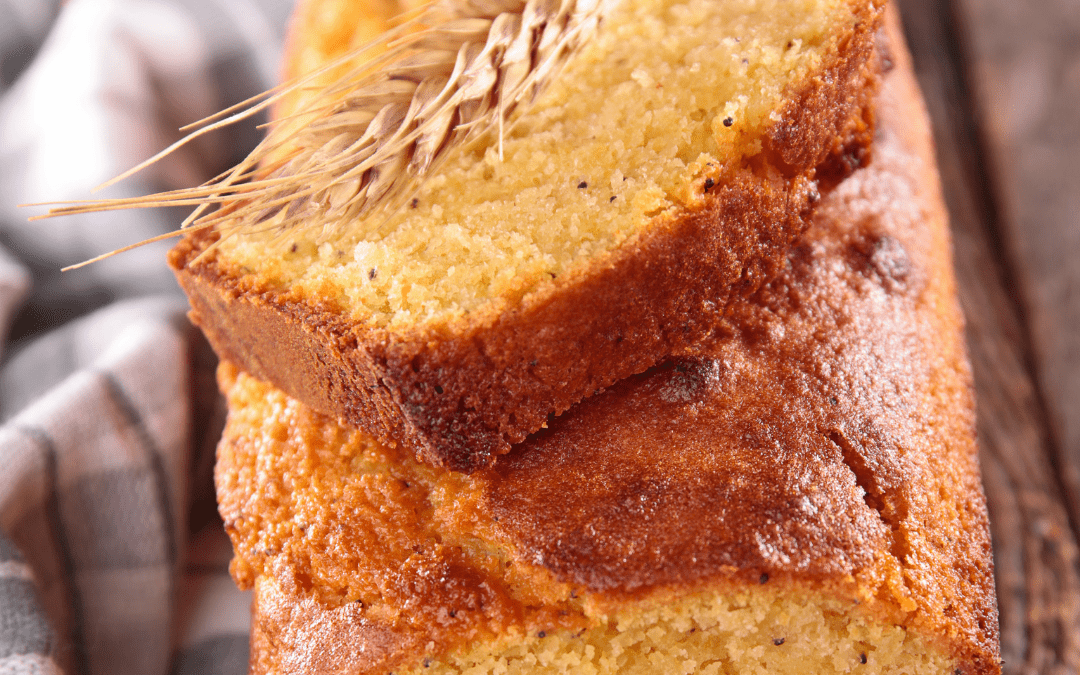
Lemon cake

Lemon cake

Lemon Cake

Discover this low-FODMAP lemon cake recipe! 🍋

A

1 hour

A

Recipe for 4 people

A

Dessert

🍋 Ingredients:

✔️ 100 g rice flour

✔️ 50 g cornstarch

✔️ 5 tablespoons neutral oil

✔️ 50 g sugar

✔️ 10 cl plant-based milk

✔️ 1 packet gluten-free baking powder

✔️ 3 eggs

✔️ Zest of 1 lemon

👨‍🍳 Preparation:

  1. Preheat the oven to 350°F.
  2. Pour the flour into a mixing bowl with the powdered sugar, baking powder, and a pinch of salt.
  3. Mix well and make a well in the center.
  4. Break the eggs into the well and add the oil and lemon zest. Mix well to obtain a smooth batter.
  5. Pour the batter into a cake pan.
  6. Bake for 40 minutes.

Download the FREE seasonal fruit and vegetable calendar.

Discover more healthy and balanced recipes.

Can naturopathy help us feel better?

Can naturopathy help us feel better?

An exclusive interview with a professional specializing in digestive and emotional balance, who talks to us about naturopathy and microbiota.
What is sleep?

What is sleep?

Sleep, which takes up almost a third of our lives, is a vital need for the body. It allows the body to recharge after a period of wakefulness.

Take control of your diet with Shido.

A

Almond panna cotta with kiwi coulis

Almond panna cotta with kiwi coulis

Almond panna cotta with kiwi coulis

Chef Alexandra Beauvais shares her recipe for almond panna cotta topped with kiwi coulis. 🥝

A

1 hour 20 minutes

A

Recipe for 4 to 6 people

A

Dessert

🥝 Ingredients:

✔️ 15 g potato starch

✔️ 40 cl almond milk

✔️ 20 cl thick soy milk

✔️ 30 g agave syrup

✔️ 1/2 teaspoon agar-agar

✔️ 2 kiwis

✔️ 1 avocado

✔️ 5 cl water

👨‍🍳 Preparation:

Preparation of the dressing

  1. In a saucepan, combine the almond milk, cornstarch, agave syrup, and agar-agar. Heat while stirring for about 8 minutes over low heat. Remove from heat, add the plant-based cream, and mix well.
  2. Pour into small glasses and chill for 2 hours.
  3. Once the cream has set, prepare the coulis.
  4. Peel the kiwis and avocado.
  5. Pour everything into a blender and blend. If necessary, add a little water and agave syrup. Mix well.
  6. Pour the coulis over the set panna cottas and refrigerate until ready to serve.
  7. To serve: add kiwi slices or a few flowers to your panna cottas.

Download the FREE seasonal fruit and vegetable calendar.

Discover more healthy and balanced recipes.
Can naturopathy help us feel better?

Can naturopathy help us feel better?

An exclusive interview with a professional specializing in digestive and emotional balance, who talks to us about naturopathy and microbiota.

What is sleep?

What is sleep?

Sleep, which takes up almost a third of our lives, is a vital need for the body. It allows the body to recharge after a period of wakefulness.

Take control of your diet with Shido.
A

A balanced diet: the key to taking care of your microbiota

A balanced diet: the key to taking care of your microbiota

A balanced diet: the key to taking care of your gut microbiota

As you know, health starts with nutrition. Successfully implementing a balanced diet over the long term is already a big step toward taking care of your microbiota and your overall health. By also getting enough sleep and exercising regularly, you create a virtuous cycle.

How can you achieve a balanced diet?

Ideally, you should consult a dietitian who can recommend a diet tailored to your needs. But we're going to share with you the basics of a balanced diet that you can start implementing right away.

First, it is advisable to divide your food intake into three meals (breakfast, lunch, and dinner) and one or two snacks.

Your breakfast can be savory or sweet and should include a whole grain product (oatmeal, whole wheat bread, muesli, etc.), fresh seasonal fruit, a serving of nuts (almonds, walnuts, hazelnuts, or their purée form), and possibly a dairy product or plant-based alternative (almond milk, soy yogurt, vegan cheese, etc.). 

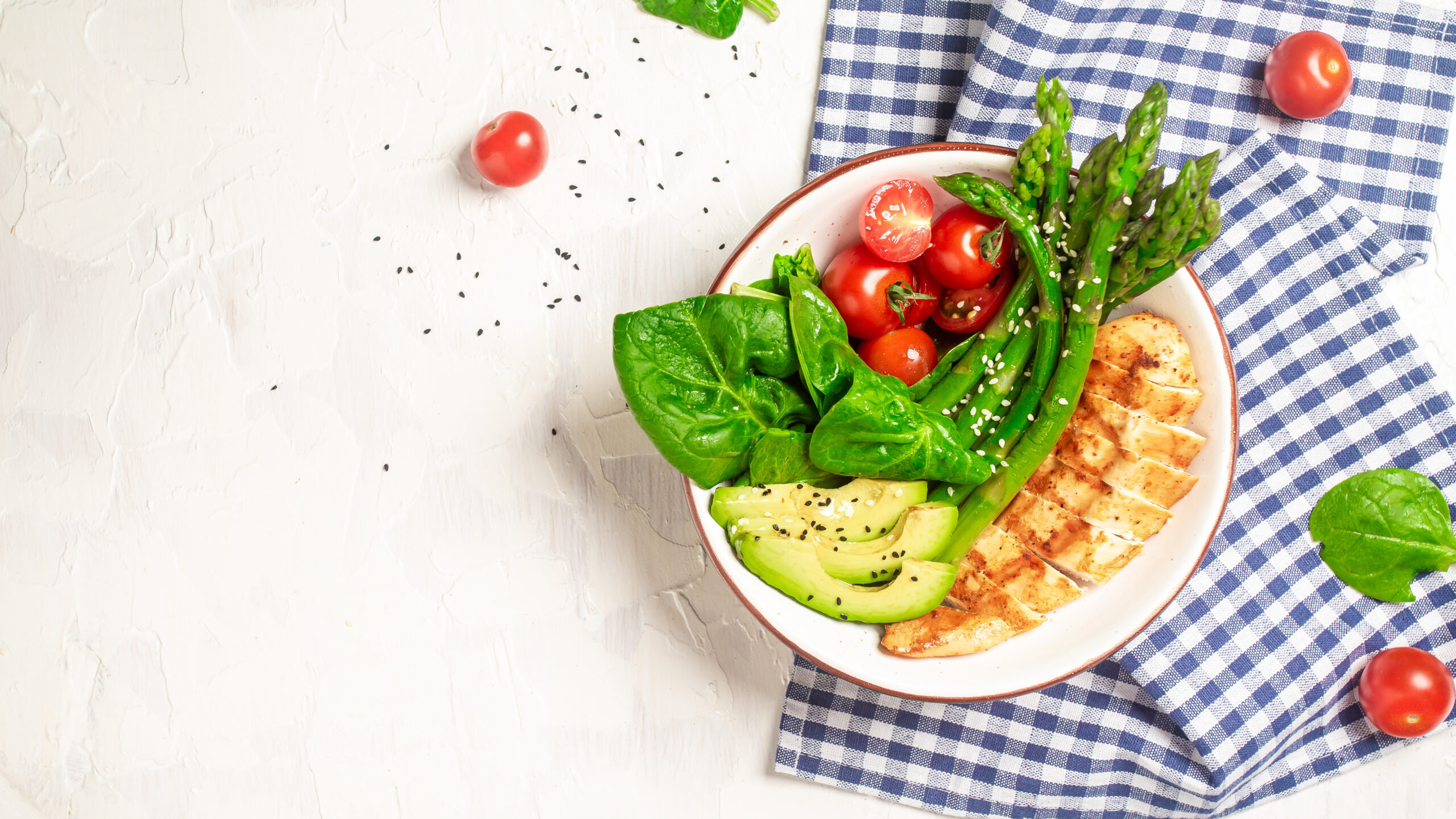
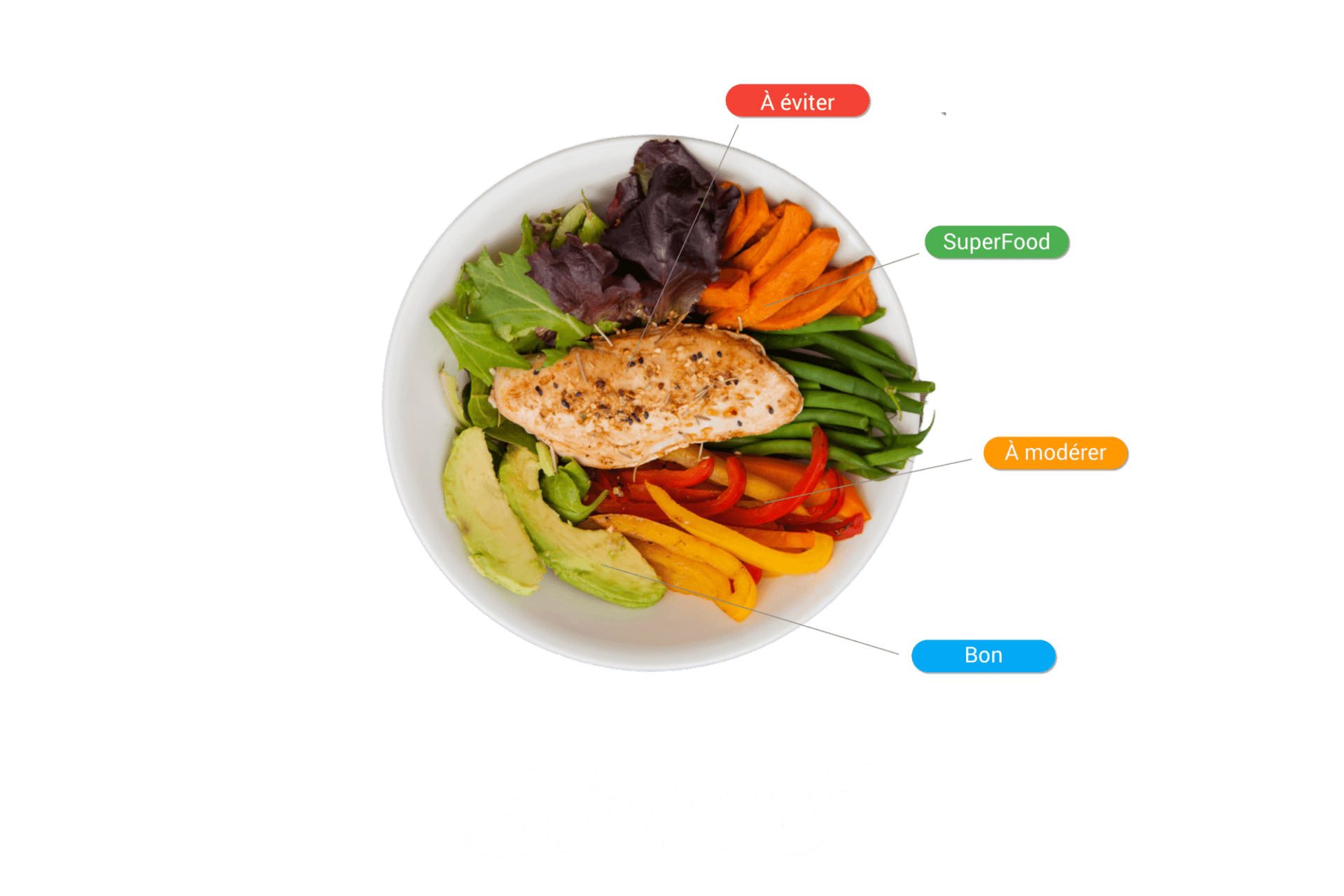
Ideally, your lunch and dinner plates should contain ¼ animal or plant protein (meat, fish, eggs, tofu, tempeh, seitan), ¼ whole grains (pasta, rice, millet, einkorn wheat, lentils, chickpeas, bread, etc.), ½ vegetables, and one serving of vegetable oil. Ideally, you should choose raw products that you can cook yourself, sourced from organic, seasonal, and local farms. 

Snacks can be savory or sweet, depending on the rest of your meals: fresh fruit and nut butter, a small cheese and vegetable sandwich, or fruit compote and a square of dark chocolate with a handful of nuts.


Balanced

Make Me Healthy, the dietary rebalancing specialist

Make Me Healthy specializes in nutritional rebalancing. Their team of passionate dietitians supports many patients in their journey. The goals may vary: weight loss/gain, weight stabilization, medical conditions, pregnancy… but the basis remains the same: taking care of their health. 

Establishing a balanced diet means providing your body with everything it needs to function properly, while still enjoying what you eat so that you can maintain this new lifestyle in the long term. This is an extremely important point. It is a new lifestyle that you will establish with your dietitian, and the goal is to anchor your new habits in a routine that suits you, which means no restrictions. Forget about diets; Make Me Healthy is here to support you in rebalancing your diet.

More specifically, while providing your body with high-quality foods (raw, organic, seasonal, and local), as you may already be doing, is excellent, it is important that the portions in each food category are tailored to your needs and that the macronutrient distribution is correct. The same applies to micronutrients: it is essential that they meet your needs. 

To do this, you can consult a dietitian who will calculate your energy requirements based on your basal metabolic rate, age, gender, weight, height, physical activity, etc. At Make Me Healthy, our team of dietitians also takes into account your current diet, based on your food logs and a comprehensive dietary assessment, to offer you a tailored nutrition plan. They then ensure a good balance of macronutrients and micronutrients and proceed with the appropriate portioning.

Don't worry, for you this translates into a dietary program that tells you the quantities of different food categories to consume at each meal (breakfast, lunch, dinner, and snack(s)). And even better, you'll find more than 700 recipes on their app to make it even easier to follow your dietary program. All you have to do is follow the recipe using your measurements.


Tailored dietary programs

In addition to your dietary program, follow-up consultations allow your dietitian to adapt your dietary program based on how you feel, your progress toward your goal, and, of course, to answer any questions you may have during the follow-up. 

From the very first week, their patients feel positive effects on their digestive system: reduced or even eliminated bloating, a flatter stomach, regulated bowel movements… One thing is certain, your microbiota will thank you. Once a balanced diet is in place, Make Me Healthy recommends a probiotic treatment, to be taken at least once a year, to restore your intestinal flora.

Then, within a few weeks, you will see an improvement in the quality of your skin and hair, and above all, your energy levels will skyrocket! 

Thanks to the partnership between Nahibu and Make Me Healthy, we are offering you exceptional discounts on consultation packages with our team of dietitians: 

  • 5 euro discount on the 3-consultation package with the code NAHIBU5
  • 10 euro discount on the 8-consultation package with the code NAHIBU10
  • 15 euro discount on the 12-consultation package with the code NAHIBU15

The dietary consultations offered by Make Me Healthy may be covered by your health insurance or supplemental health insurance. Feel free to send them a quote to find out how much you can be reimbursed.

Nutrition is the first step to taking care of yourself.😉


Discover more articles on the microbiota.

Can naturopathy help us feel better?

Can naturopathy help us feel better?

An exclusive interview with a professional specializing in digestive and emotional balance, who talks to us about naturopathy and microbiota.

What is sleep?

What is sleep?

Sleep, which takes up almost a third of our lives, is a vital need for the body. It allows the body to recharge after a period of wakefulness.

Take care of your microbiota with Nahibu.

Does diet affect our mood?

Does diet affect our mood?

Gut-Brain Axis:

How Food Affects Your Mood

Is Happiness on Your Plate?

Have you ever noticed that your mood influences your food choices?

When you're feeling blue, you often crave something sweet. This is not surprising, as eating foods high in sugar, salt, or fat stimulates the release of dopamine in the brain and activates the reward circuit.
But did you know that the opposite is also true?

What you eat can have a direct impact on your stress, anxiety, and mental clarity.
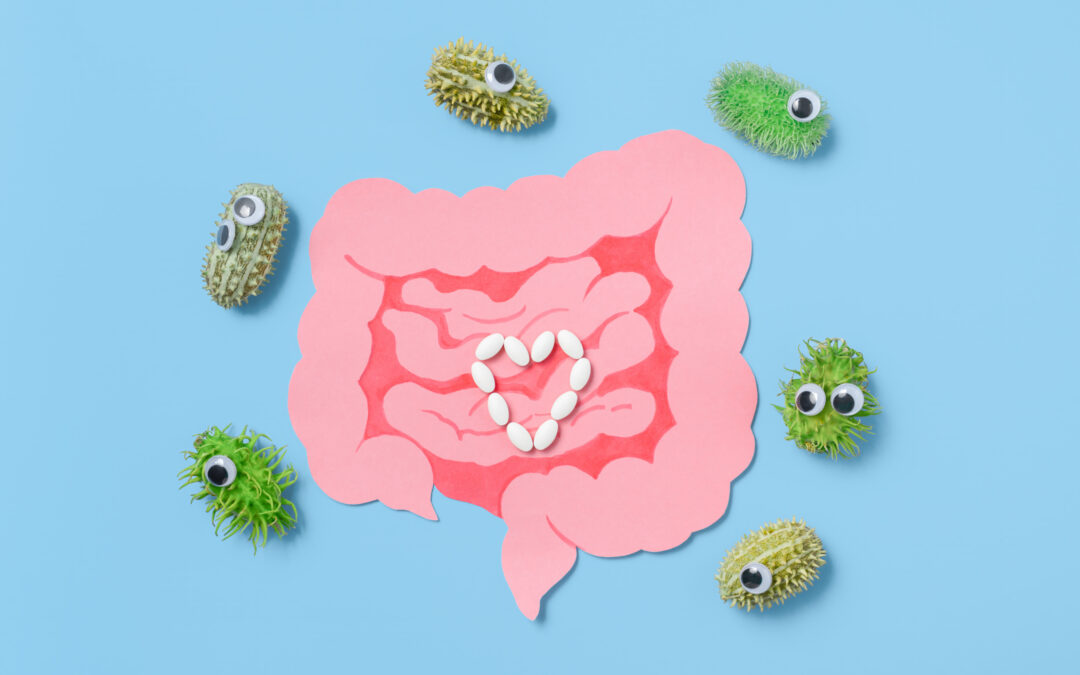
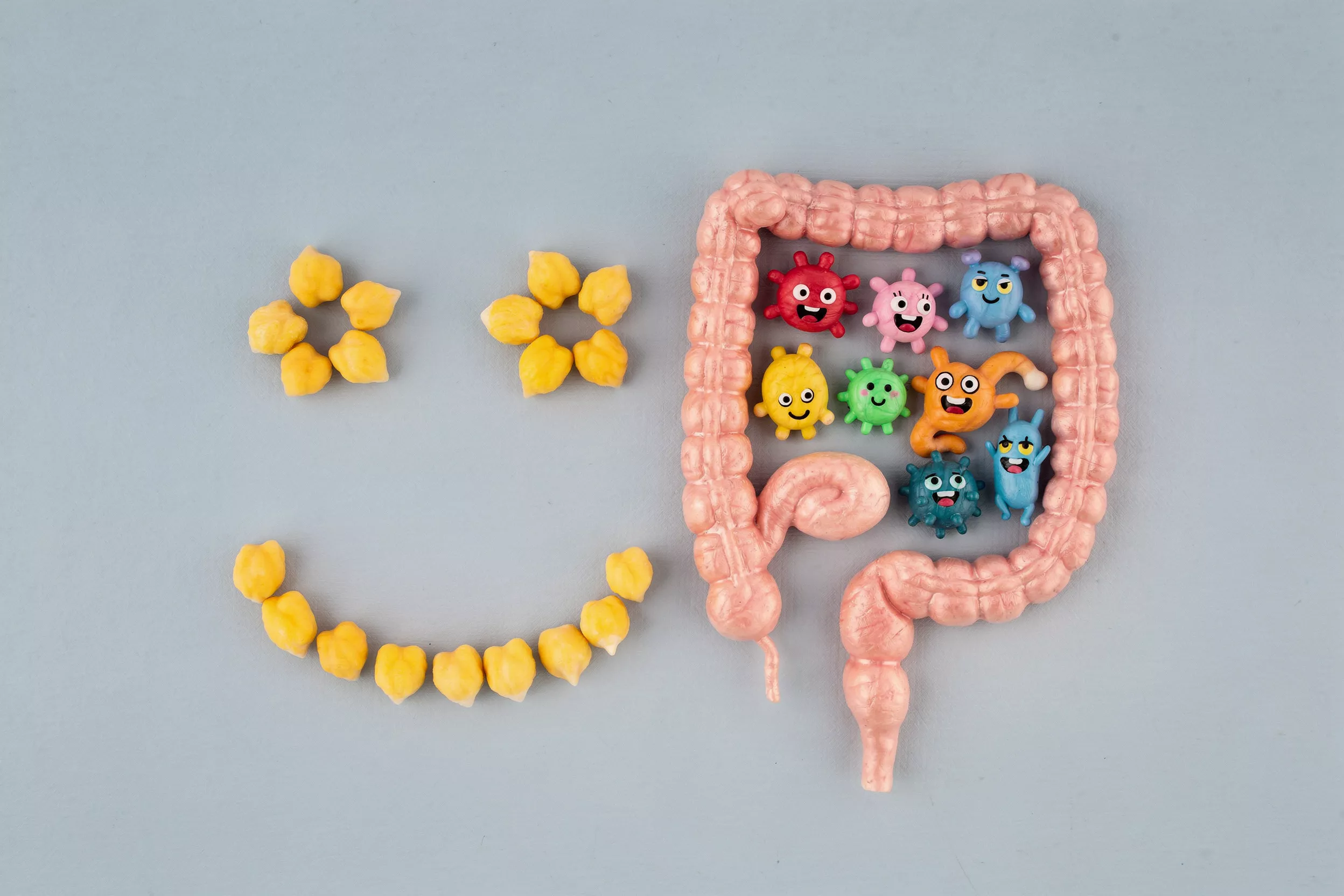
This biological link is largely based on the gut microbiota, an ecosystem of billions of microorganisms living in our intestines. Nutritional psychiatry, a rapidly growing field, confirms that the health of what is known as our second brain is closely linked to our nutrition. A diet tailored to your microbiota can therefore become your best ally for lasting intestinal and emotional well-being.

The Gut-Brain Axis: A Highway of Communication

The gut and the brain communicate constantly, both through nerve pathways, particularly via the vagus nerve, and through biochemical mechanisms involving neurotransmitters. This two-way relationship, known as the gut-brain axis, influences our mood, emotions, and even our daily motivation.

Serotonin: The Happiness Hormone is Produced in the Gut

Serotonin is a neurotransmitter that is essential for cognitive well-being. It plays a role in regulating mood, stress, and sleep. Although it plays a central role in the brain, its production depends largely on our gut: nearly 95% of the serotonin in our body is synthesized there. This production is directly linked to the balance of the gut microbiota, certain bacteria of which are involved in converting nutrients into serotonin precursors.
Therefore, a suitable diet promotes good gut health and contributes to better emotional balance. Conversely, intestinal dysbiosis can disrupt this production, leading to irritability, anxiety, or sleep disorders.

happiness-mood-nahibu

Mediterranean Diet vs. Western Diet: The Mood Match

Not all calories have the same impact on mental health. Scientific studies show that the type of diet directly influences the risk of depressive disorders and emotional well-being.

The Western Diet: The Inflammation Trap

Rich in ultra-processed foods and refined sugars and low in fiber, the Western diet promotes several imbalances:

  • Intestinal dysbiosis, marked by a loss of bacterial diversity.
  • Chronic inflammation disrupting gut-brain communication.
  • Low mood associated with persistent fatigue.

The Mediterranean Diet: Fuel for Well-being

Based on fruits, vegetables, legumes, nuts, and olive oil, the Mediterranean diet is a pillar of intestinal health:

  • It provides the fiber and polyphenols essential for microbial diversity.
  • It supports a balanced and resilient microbiota.
  • It naturally stabilizes mood over the long term.

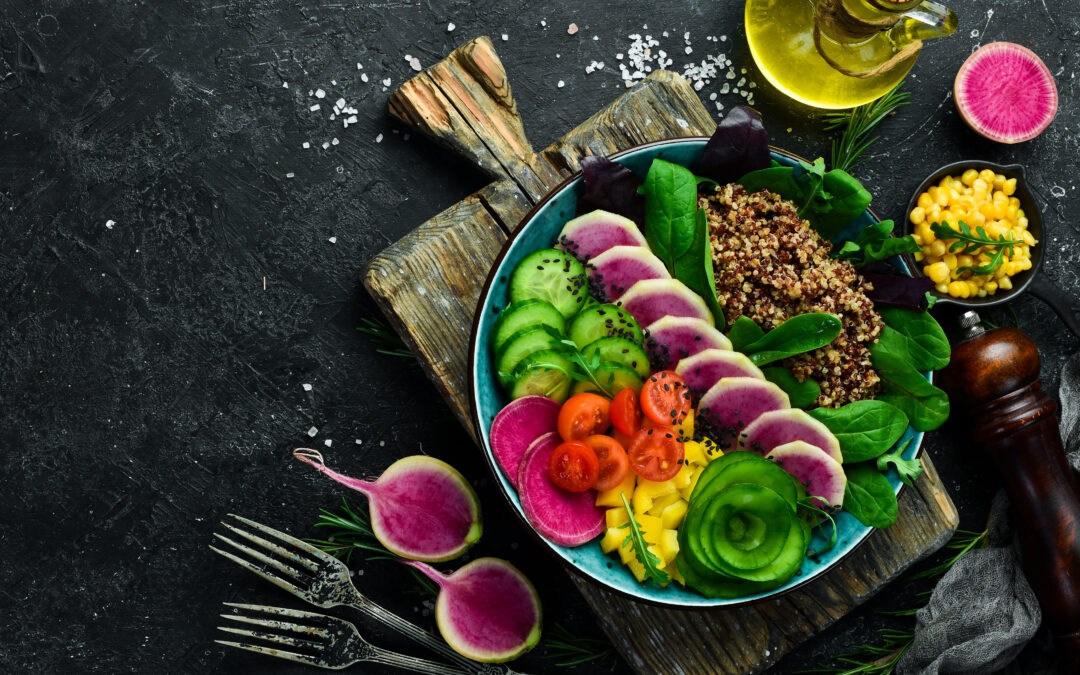
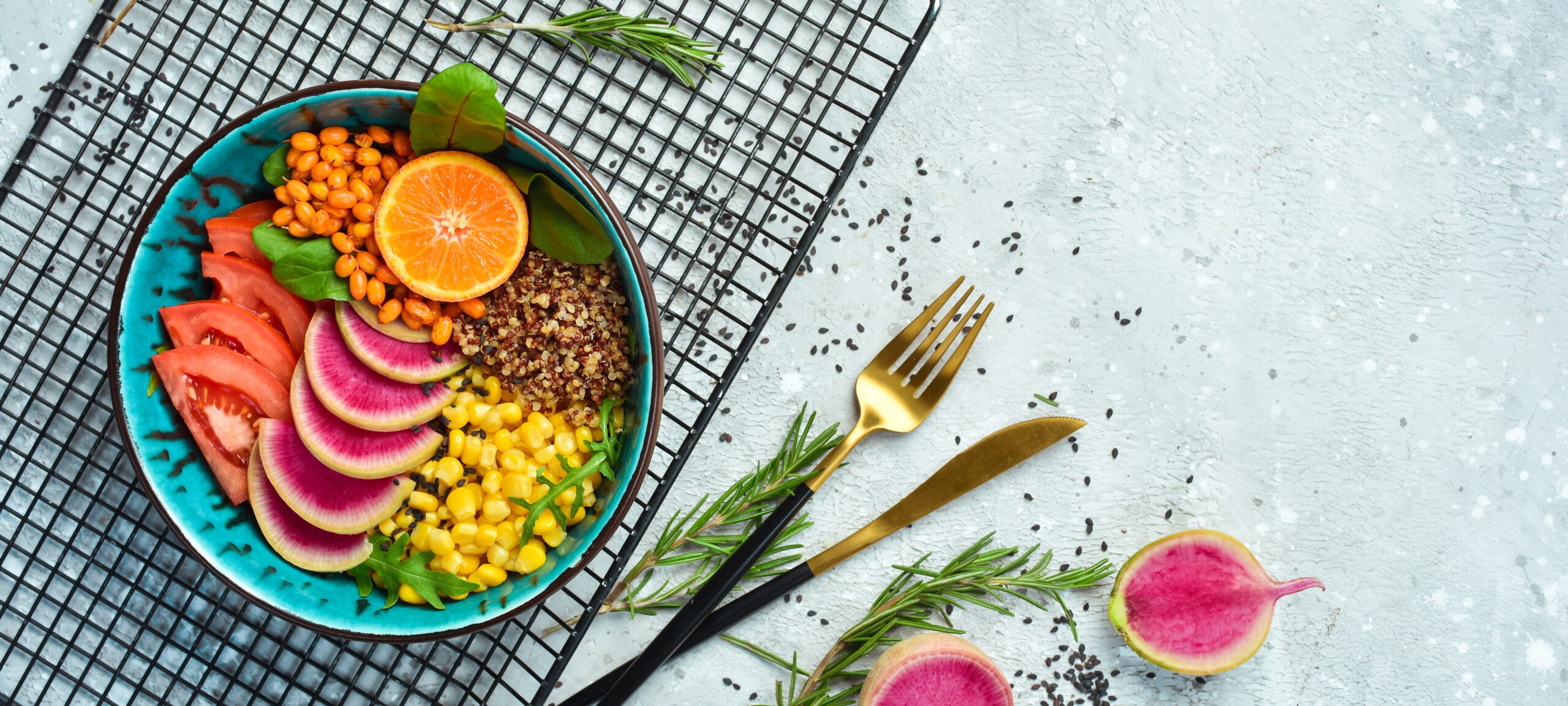
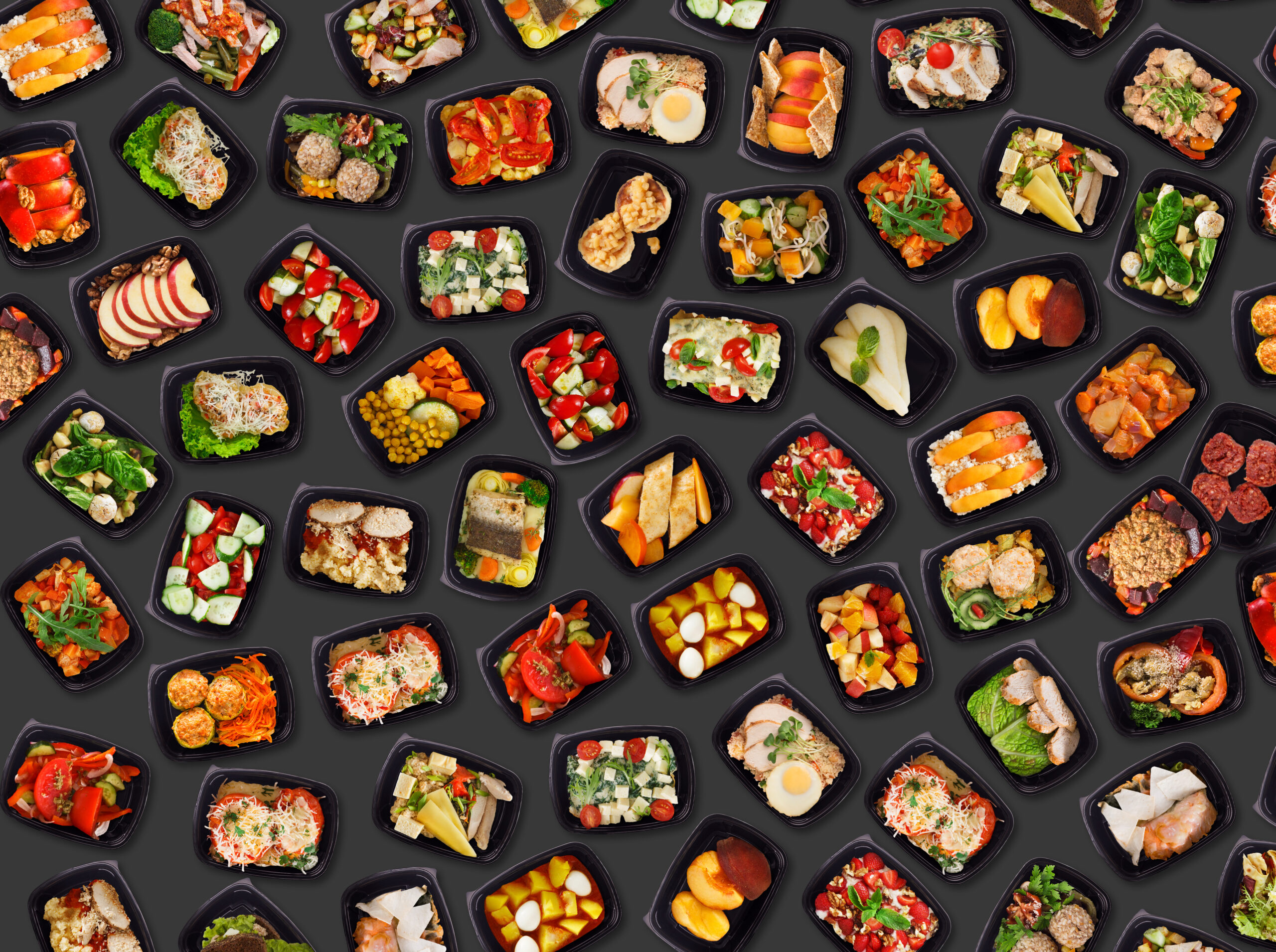
Nahibu tip: Focus on diversity to support both your microbiota and your mood: the more colorful your plate, the more varied your sources of fiber and polyphenols.

healthy-food-sante-nahibu

The Power of SCFAs: The Molecules of Serenity

When we consume fiber, it is fermented by our gut bacteria into short-chain fatty acids (SCFAs): mainly butyrate, propionate, and acetate. These molecules play a key role in the gut-brain balance. Their effects on the brain are significant:

  1. Anti-inflammatory: They protect the nervous system by limiting inflammation.
  2. Regulatory: They participate in the production and modulation of soothing neurotransmitters.
  3. Protective: They strengthen the intestinal barrier, preventing pro-inflammatory molecules from passing into the bloodstream.

By feeding your good bacteria, you promote intestinal balance that provides lasting support for brain serenity.

Why Analyze Your Microbiome with Nahibu?

Every microbiota is unique. To optimize the link between diet and mood, it is essential to know precisely the composition and functioning of your intestinal flora.

Shotgun Metagenomic Sequencing: Absolute Precision

Nahibu uses shotgun metagenomic sequencing technology, which is currently the most advanced technology for microbiota analysis. It allows us to:

  • Identify the bacterial species present with great precision.
  • Determine their actual functions (what they do for you).
  • Assess their ability to produce key molecules, such as butyrate or serotonin precursors.

With this data, we can offer you personalized nutritional recommendations to tailor your diet to your emotional needs.

FAQ


Can

Diet is not a substitute for medical or psychological care. However, sufficient fiber and omega-3 intake supports gut health, reduces brain inflammation, and helps stabilize mood naturally.

What

Psychobiotics are foods that affect mood via the microbiota. Focus on fiber (leeks, onions, bananas), polyphenols (red fruits, dark chocolate, green tea), and fermented foods (kefir, kombucha, sauerkraut).

How

Chronic digestive problems (bloating, irregular bowel movements, etc.) combined with mental fatigue or irritability can be signs of dysbiosis. A Nahibu test can accurately check for this.

alimentation-nahibu-microbiote

Conclusion: Take care of your gut to free your mind

Diet is the primary lever for emotional balance. By nourishing your microbiota with a varied, high-quality diet, you promote the production of serotonin and AGCC, which are key to regulating mood.
With Nahibu, you can move from intuition to science. Analyze your microbiota accurately and receive tailored nutritional advice to boost your morale.


Sources and references:

  • Cryan JF, Dinan TG. Mind-altering microorganisms: the impact of the gut microbiota on brain and behavior. Nat Rev Neurosci.
  • Dalile B, et al. The role of short-chain fatty acids in microbiota-gut-brain communication. Nat Rev Gastroenterol Hepatol.
  • Sánchez-Villegas A, et al. Mediterranean diet and depression risk: meta-analysis. Mol Psychiatry.
  • Nahibu. Scientific documentation and protocol for the gut microbiota analysis kit. 2025.

Take care of your microbiota with Nahibu.

Discover more articles on the microbiota.

Can naturopathy help us feel better?

Can naturopathy help us feel better?

An exclusive interview with a professional specializing in digestive and emotional balance, who talks to us about naturopathy and microbiota.

What is sleep?

What is sleep?

Sleep, which takes up almost a third of our lives, is a vital need for the body. It allows the body to recharge after a period of wakefulness.

Take care of your microbiota with Nahibu.