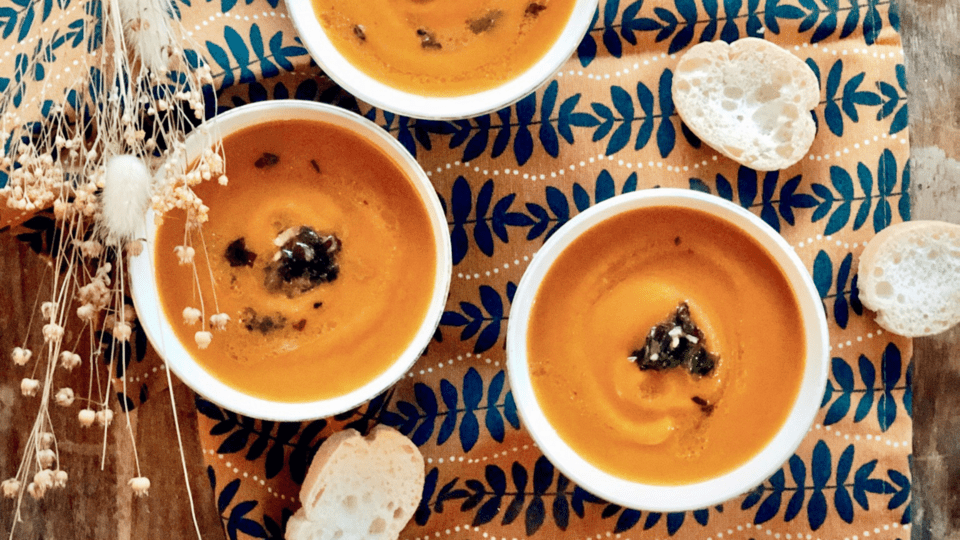
Butternut squash soup with seaweed

Butternut squash soup with seaweed

Butternut Squash Soup with Seaweed

Chef Alexandra Beauvais has created a special Microbiota wellness recipe that contains ingredients that are good for your gut flora.

Rich in fiber, butternut squash soup with seaweed helps fight cellular aging and ensures healthy bowel function. This recipe is brought to you by Alexandra Beauvais, Wellness Chef.

A

25 minutes

A

Serves 4

A

Entrée

🍎 Ingredients:

✔️ 1 butternut squash

✔️ 1 liter vegetable broth

✔️ 2 onions

✔️ 3 tablespoons coconut butter (or lightly salted butter)

✔️ 20 cl coconut milk

✔️ Fleur de sel

✔️ Freshly ground pepper

✔️ 3 tablespoons of dried seaweed flakes

👨‍🍳 Preparation:

  1. Wash and peel the butternut squash. Cut it in half and remove the seeds. (You can save them to roast in the oven.) Cut the squash into pieces.
  2. Peel and chop the onions.
  3. In a large pot, melt the coconut butter, add the onions, and cook without browning.
  4. Add the squash pieces, season with pepper and a little salt, cook for 5 minutes, then pour in the vegetable stock. Cook for about 25 minutes.
  5. Pour in the coconut milk, blend everything together and season if necessary.
  6. Just before serving, add the seaweed and enjoy.

Alexandra

Alexandra Bauvais

Alexandra Beauvais is a wellness coach, author, and founder of Drouiz.

Passionate and committed, I have expanded my research to include all special diets as defined by sociologist Claude Fischler, namely: medical (allergies and intolerances), health (various diets), and ethical.

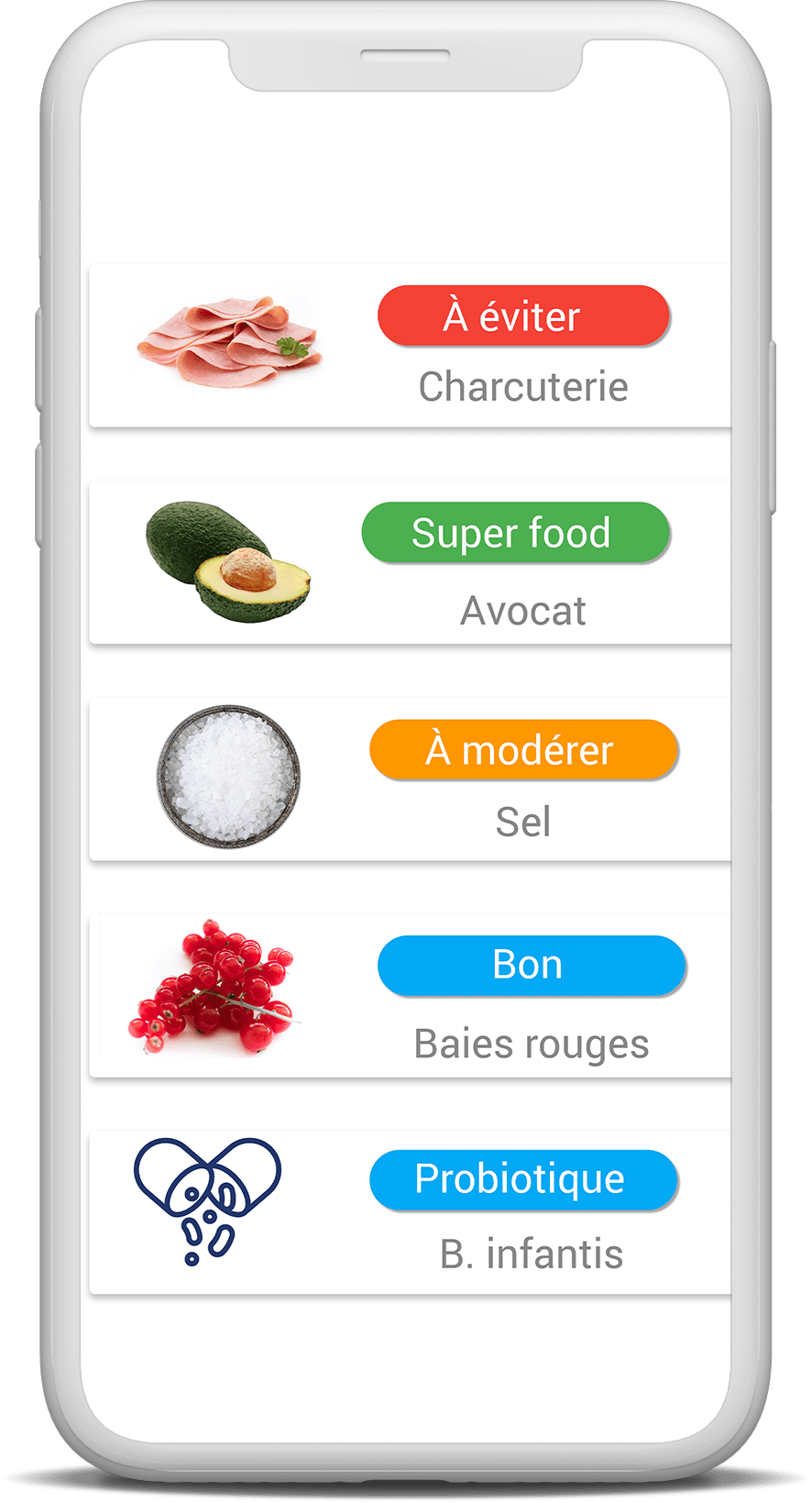
Shido, nutritional advice tailored to your gut microbiota.
Personalized

Discover more healthy and balanced recipes.
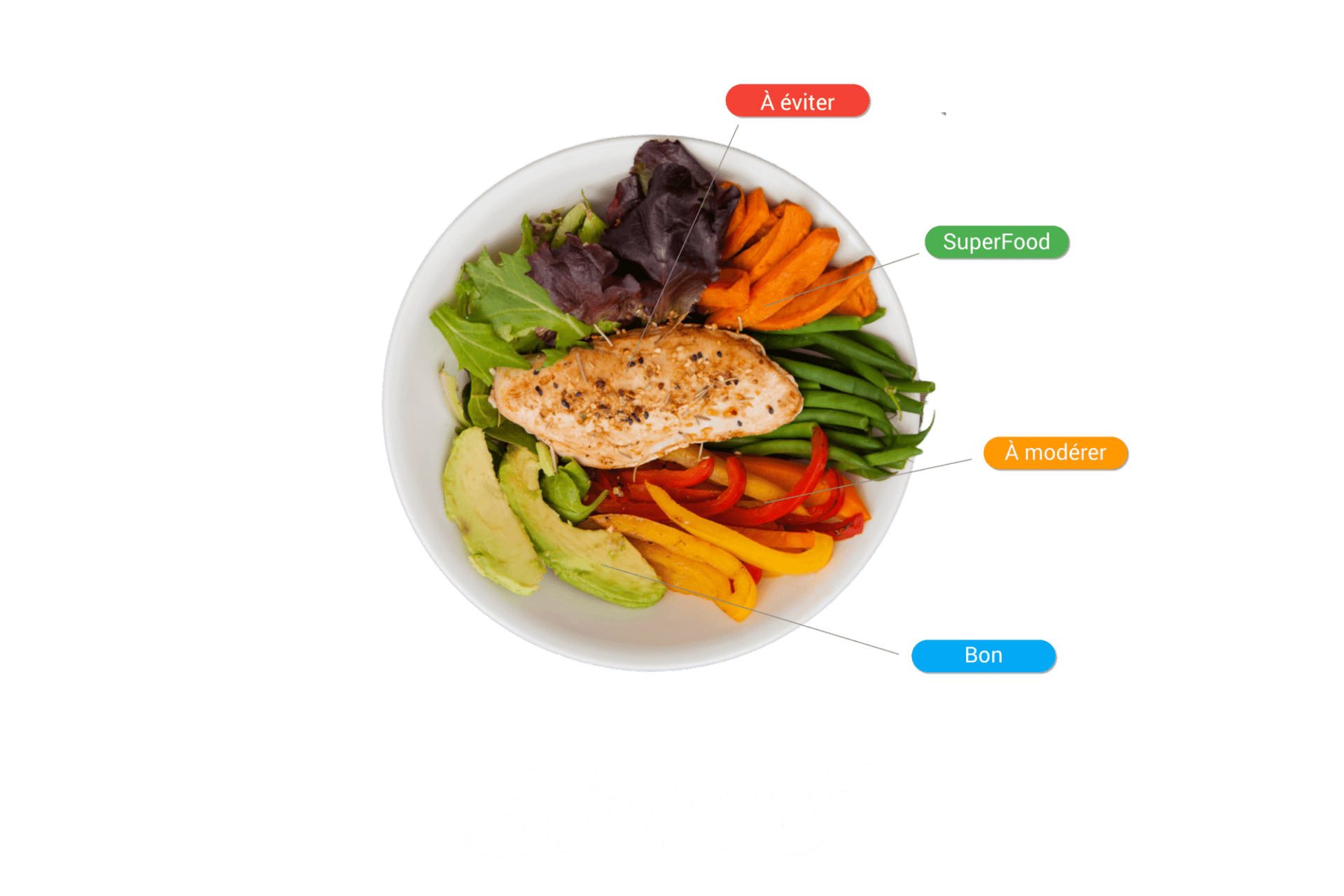
Take control of your diet with Shido.
A

What is the difference between probiotics and prebiotics?

What is the difference between probiotics and prebiotics?

What is the difference between probiotics, prebiotics, synbiotics, and postbiotics?

summary


Probiotics, prebiotics, synbiotics, and postbiotics modulate the composition of the gut microbiota and prevent the risk of dysbiosis. They are a promising therapeutic alternative whose beneficial effects have already been demonstrated by scientific studies.

The gut microbiota 

What is the gut microbiota?

The digestive tract, consisting of the stomach and intestines, is colonized by numerous microorganisms (viruses, bacteria, archaea, and fungi). This ecosystem constitutes the gut microbiota, which evolves in concert with its host. It is involved in many of the body's functions. For example, it protects the body by defending it against pathogens. It is also involved in producing nutrients for the host and in immune responses.

What causes dysbiosis of the gut microbiota? 

An imbalance in the gut microbiota, more commonly known as dysbiosis, contributes to the onset of certain diseases such as neurodegenerative diseases (Alzheimer's, Parkinson's, etc.), metabolic diseases (diabetes, obesity, etc.), cancers, allergies, etc. This is why restoring its balance is now essential for the host to improve their health.

How can dysbiosis be prevented? 

A diet enriched with probiotics, prebiotics, synbiotics, and postbiotics is beneficial for the composition and diversity of the gut microbiota, as well as its balance with the body. It limits the risk of dysbiosis.

probiotic

What are probiotics, prebiotics, synbiotics, and postbiotics?

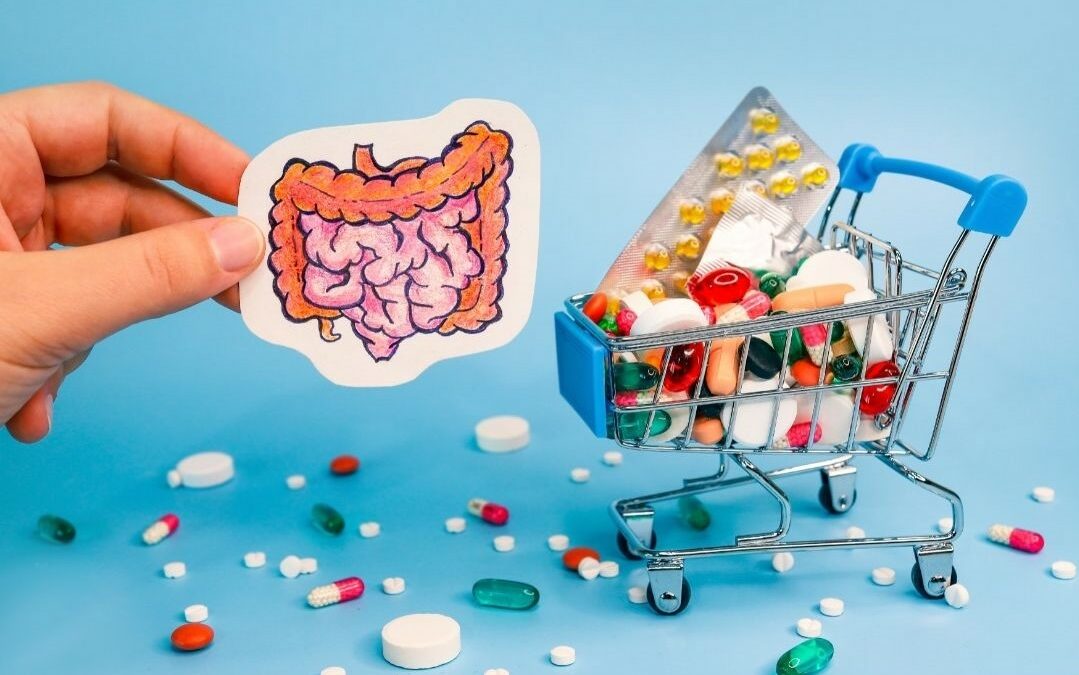
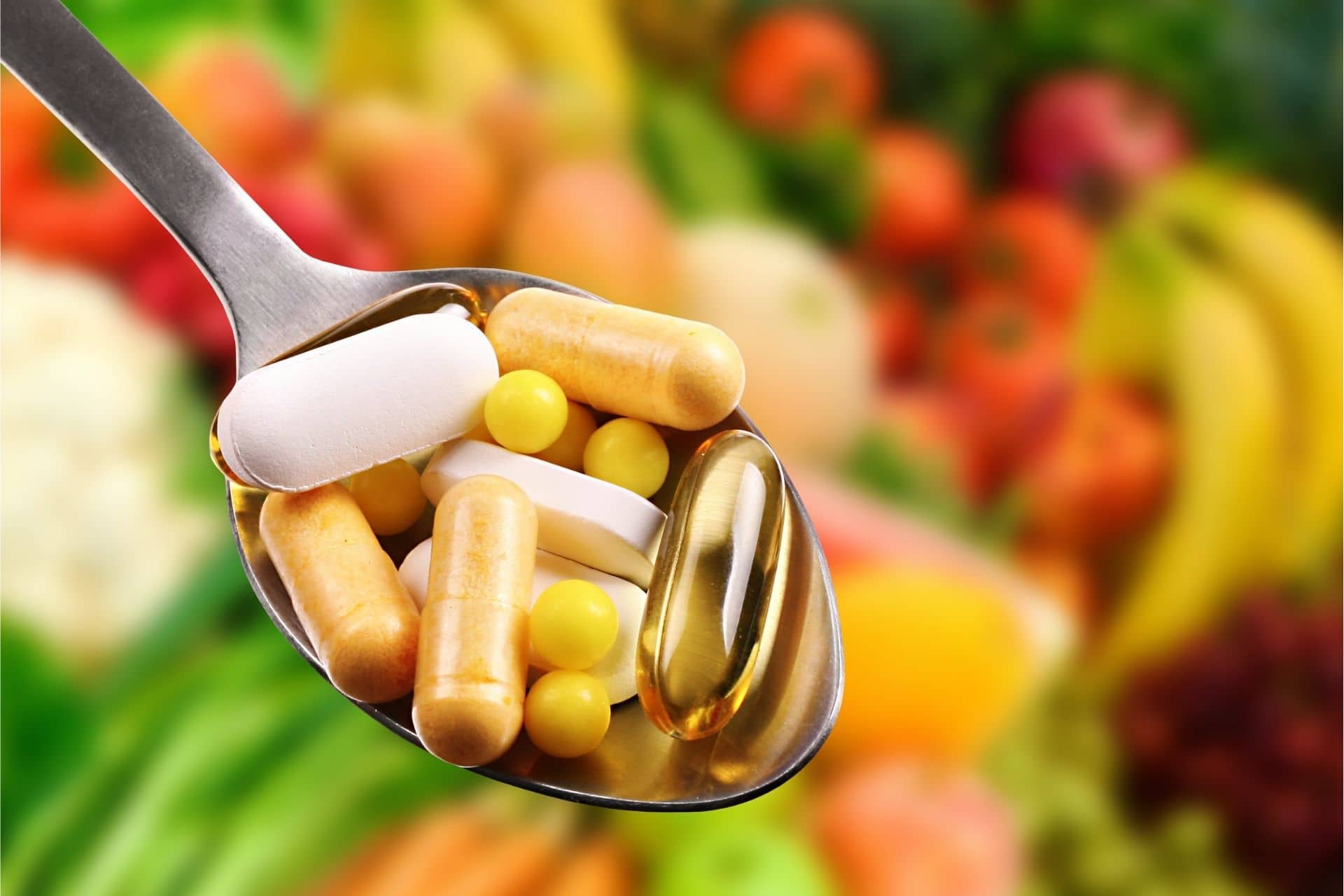
The term biotic, from the Latin bioticius meaning pertaining to life, refers to all factors related to the activity of living beings. Probiotics, prebiotics, synbiotics, and postbiotics modulate the composition of the ecosystem and its activity. They are naturally present in certain foods and are beneficial to those who consume them. They can also be taken as dietary supplements.

probiotics

What is a probiotic?


Definition of probiotics 

Probiotics are live microorganisms that, when ingested in sufficient quantities, have beneficial effects on the individual. They combat the colonization and development of pathogenic microorganisms in the intestine.

How to choose your probiotics? 

A compound is considered a probiotic if and only if it meets a number of criteria. It must be gastro-resistant, meaning that it must not break down before reaching the colon, where it performs its functions. In addition, its effectiveness on health must have been scientifically studied and cannot be generalized to all strains of the same species.

Health benefits of probiotics 

Probiotics have many health benefits. First, they promote the growth of good bacteria at the expense of pathogenic bacteria from the environment or diet and improve the effectiveness of the immune system.

They play a role in certain conditions such as inflammatory bowel disease and irritable bowel syndrome by reducing symptoms. They may also reduce the incidence of colon cancer. They have positive effects on episodes of diarrhea, particularly on their duration. They improve the digestion of lactose and sucrose in cases of lactose and sucrose intolerance. Finally, certain products of their metabolism may have antibiotic, anti-carcinogenic, and immunosuppressive properties.

Which probiotic should you take to rebuild your intestinal flora?

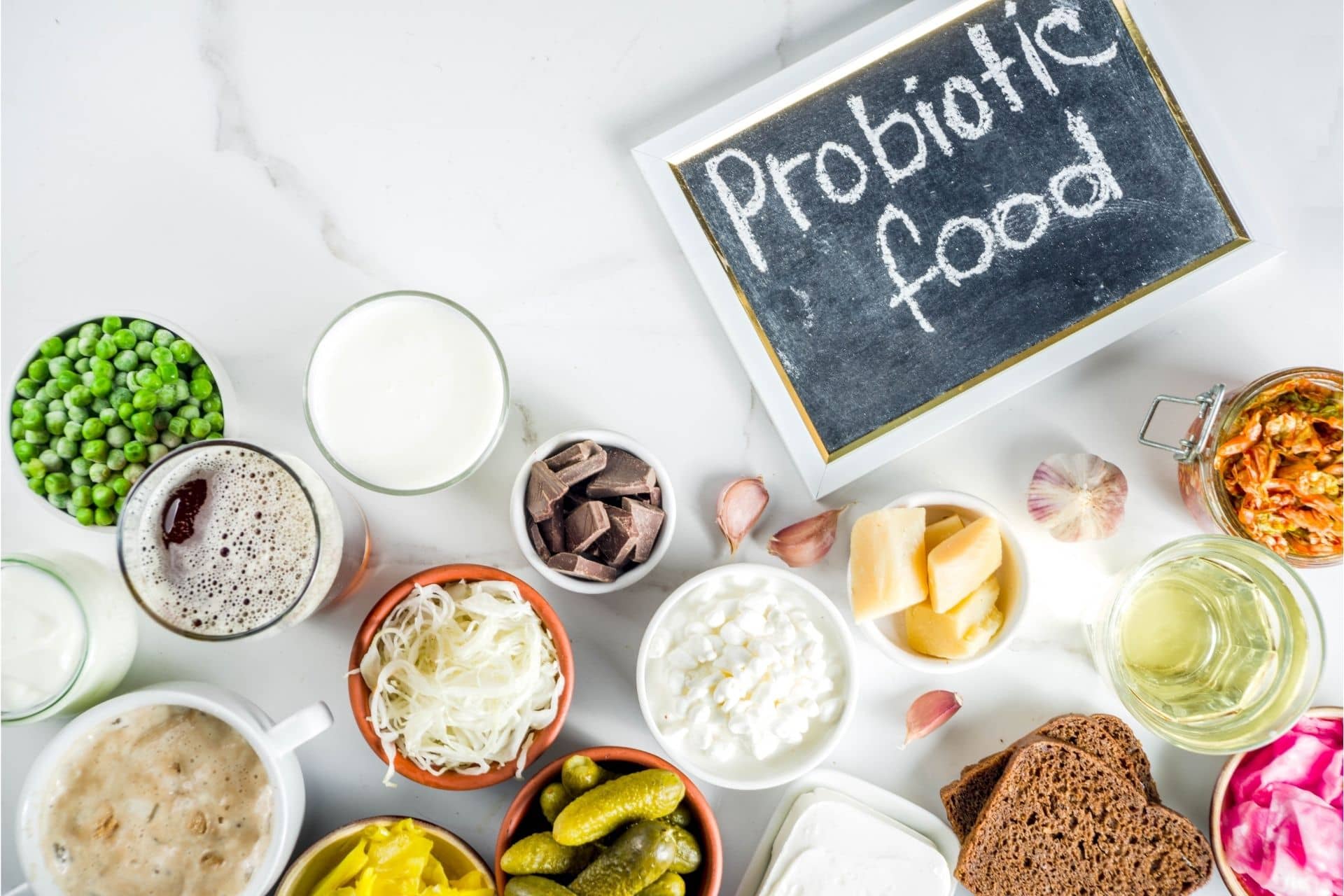
Among the most effective probiotics for rebuilding your intestinal flora are bacteria such as Lactobacillus, Bifidobacterium, Streptococcus, Bacillus, Enterococcus, and yeasts such as Saccharomyces boulardii, which can be found in various foods such as dairy products, kefir, kombucha, soy products, sauerkraut, brewer's yeast, etc.

healthy

Shido recommends probiotics tailored to your gut microbiota.

Personalized

Health benefits of prebiotics 

Prebiotics are extremely beneficial to the host. First, they promote the growth of good intestinal bacteria such as Bifidobacteria, Lactobacilli, etc., to the detriment of pathogenic bacteria. In addition, their positive effects have been demonstrated in stimulating the immune system, increasing nutrient absorption, reducing blood cholesterol levels, and preventing carcinogenesis.

Examples of prebiotics 

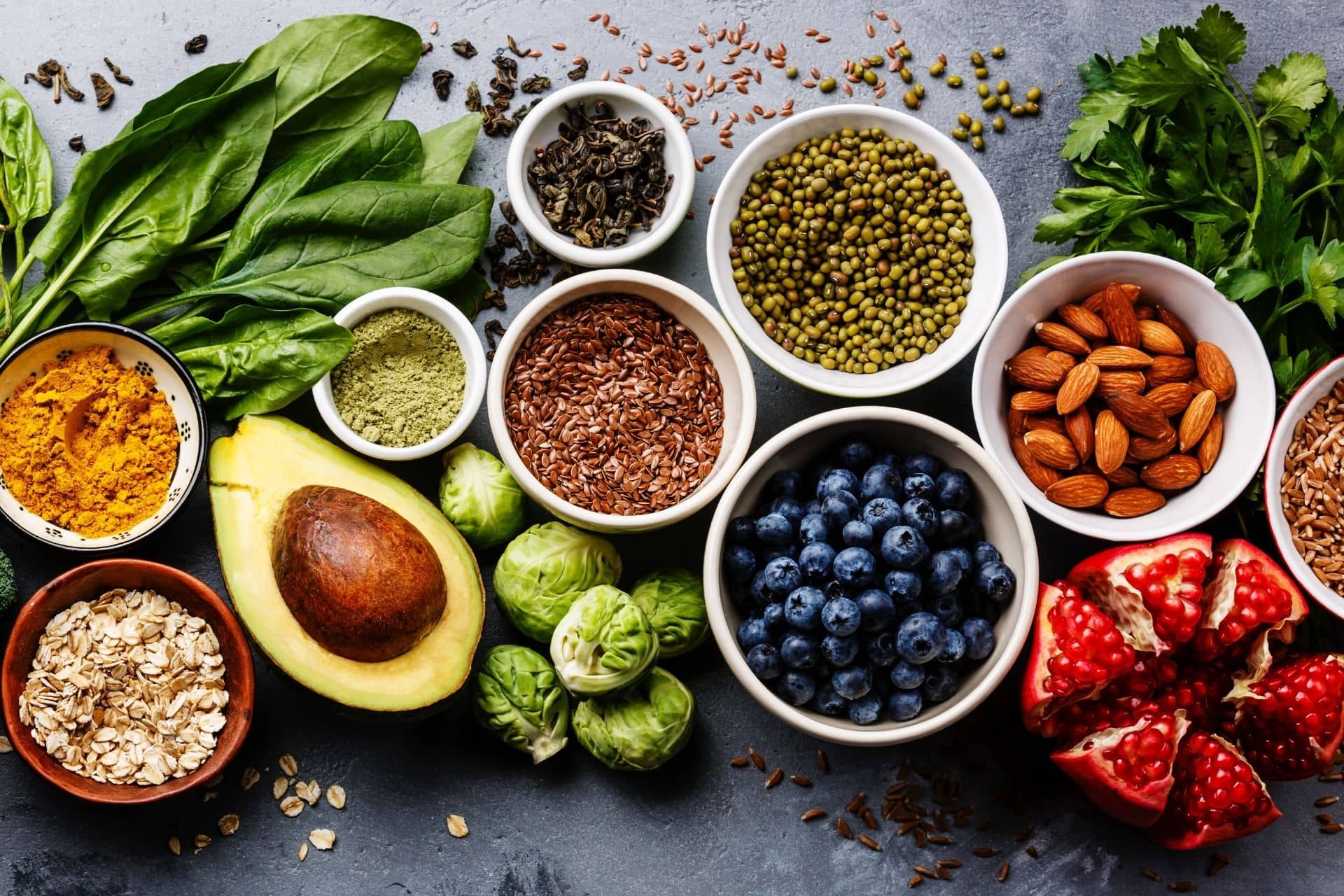
There are various sources of prebiotics, such as inulin, FOS (fructo-oligosaccharides), GOS (galacto-oligosaccharides), and fructans, which can be found in vegetables (garlic, artichokes, asparagus, beets, broccoli, cabbage, leeks, endives, fennel, green beans, tomatoes, etc.), legumes (flageolet beans, black beans, red beans, lentils, chickpeas, etc.), fruits (bananas, apples, dried fruit, dates, figs, grapefruit, pears, etc.), roots (chicory, parsnips, and Jerusalem artichokes), oilseeds (almonds, walnuts, pistachios, etc.), and seeds (oats, whole wheat, flax, barley, and rye).

dietary

What is a symbiotic?

Definition of synbiotics 

Symbiotics are substances that contain both a probiotic and a prebiotic that work synergistically. The prebiotic component selectively stimulates the growth of the probiotic microorganism and enables it to survive in the digestive tract.

How to choose your symbiotics?

When choosing a symbiotic, there are a number of criteria to consider. First, it is important to pay attention to the diversity of strains and the quantity of microorganisms ingested. Finally, it is essential that they are gastro-resistant in order to colonize the colon.

Health benefits of synbiotics 

In the case of symbiotic substances, the combination of prebiotics and probiotics allows the probiotics to survive and increase their health benefits for the host. Symbiotics combine the benefits of probiotics and prebiotics. Finally, it is important to note that synbiotics do not have a specific effect on overall health. The benefits of synbiotics are rather associated with the specific combination of probiotics and prebiotics found in a synbiotic supplement.

Examples of synbiotics 

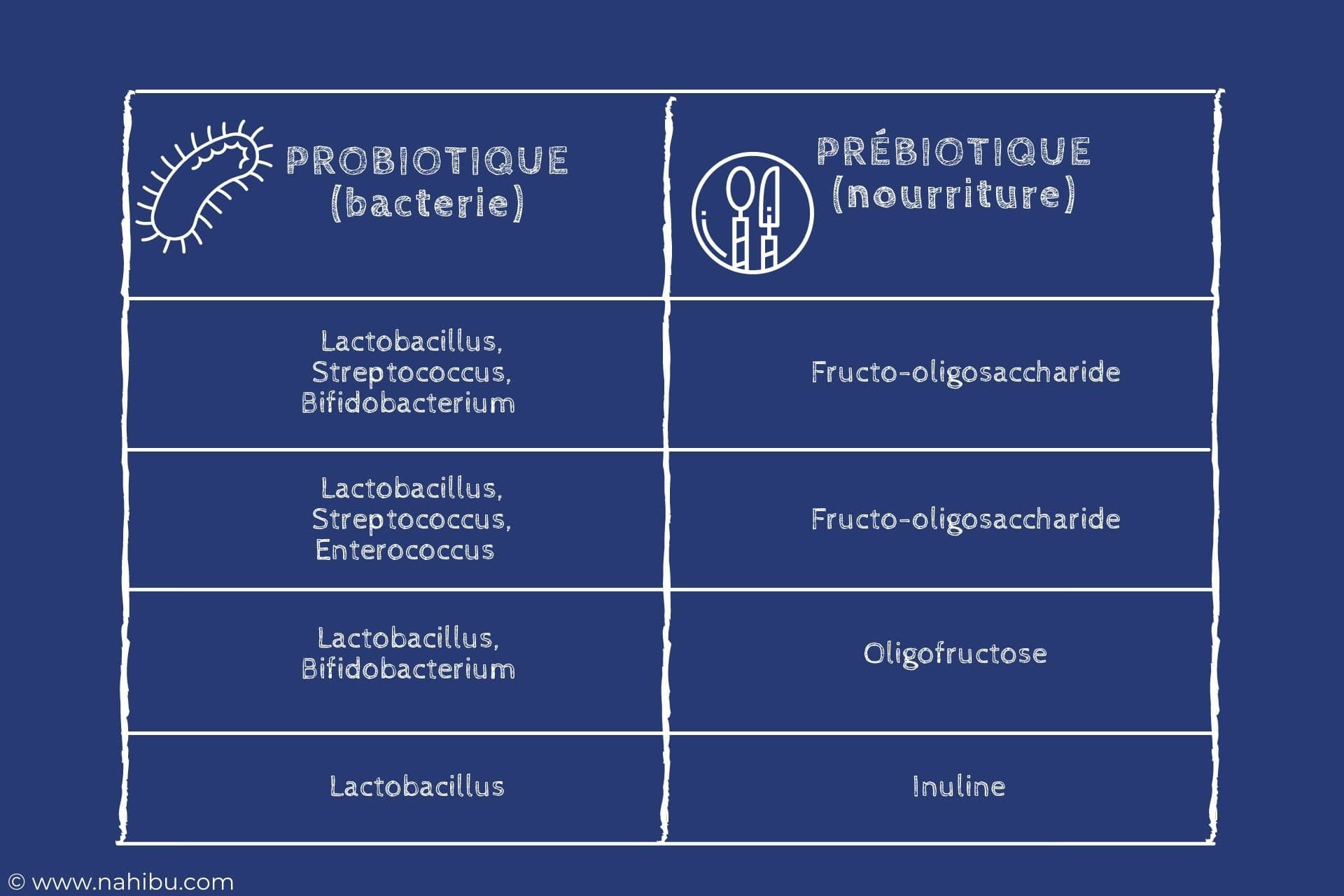
Among the most commonly used symbiotics in human nutrition are the combinations listed in the table below:

example

What is a postbiotic?

Definition of postbiotics

Finally, postbiotics are compounds produced by the activity of microorganisms. The metabolization of prebiotics by probiotics generates metabolites such as short-chain fatty acids (SCFAs), enzymes, and substrates that are extremely beneficial to the body.

Enzyme: a molecule that contributes to the progress of a biochemical reaction

Substrate: substance on which the enzyme acts during the biochemical reaction

Fatty acid: a component of lipids (or fats)

Health benefits of postbiotics

In addition to improving overall health, postbiotics are effective in preventing and limiting the symptoms of several diseases. They are most commonly used in infants to reduce colic and in people with severe inflammatory bowel disease such as Crohn's disease or ulcerative colitis. They are also effective in cases of atopic dermatitis (or atopic eczema). However, they are currently only used in specific clinical contexts.

Nahibu

Conclusion

In conclusion, probiotics, prebiotics, synbiotics, and postbiotics offer numerous health benefits. They prevent the risk of dysbiosis and therefore the disorders that can be associated with it. To reap the full benefits, it is essential to eat a healthy and varied diet rich in probiotic and prebiotic foods (Shido) or to take dietary supplements enriched with these nutrients.

Sources:

Paulina Markowiak, Katarzyna Slizewska. Effects of Probiotics, Prebiotics, and Synbiotics on Human Health. Nutrients. 2017. 

Carrie A. M. Wegh, Sharon Y. Geerlings, Jan Knol, Guus Roeselers, Clara Belzer. Postbiotics and Their Potential Applications in Early Life Nutrition and Beyond. Internal Journal of Molecular Sciences. 2019.

S.M. Schneider. Probiotics. Medicine of Metabolic Diseases. 2008

Géraldine Favre. Prebiotics and probiotics: do they have real health benefits? The role of pharmacists in advising customers in pharmacies. Pharmaceutical Sciences. 2004.

Ravi Mangal Patel, MD and Patricia Wei Denning, MD. Therapeutic Use of Prebiotics, Probiotics, and Postbiotics to Prevent Necrotizing Enterocolitis: What is the Current Evidence? Clin Perinatol. 2013.

Discover more articles on the microbiota.

Take care of your microbiota with Nahibu.

Nahibu launches the "Microbiota-Friendly" movement among restaurant owners!

Nahibu launches the "Microbiota-Friendly" movement among restaurant owners!

Nahibu launches the Microbiota-Friendly movement among restaurant owners in Rennes.

Nahibu is calling for applications from restaurants in Rennes who, despite the health crisis and its many constraints, work every day to make our takeaway meals truly healthy and balanced feasts. 

There is a growing awareness that our diet plays a key role in the balance of our intestinal flora, which contributes significantly to the development of our immunity, the quality of our sleep, and our physical and mental abilities.  

This movement aims to promote the eco-friendly dishes of our restaurateurs, which contribute to good health and greater well-being.  

Restaurateurs are among the professionals who have been hit hard by COVID-19, yet their cuisine continues to comfort us, delight our taste buds, and also our gut bacteria.  

In Rennes, we have a real desire to eat local, fresh, and responsibly. More and more restaurateurs are taking the initiative to offer balanced, complete dishes that are good for the microbiota! It is through the 'Microbiota-Friendly' movement that we want to promote their actions. Pierre Cressard, Founder and President of Nahibu

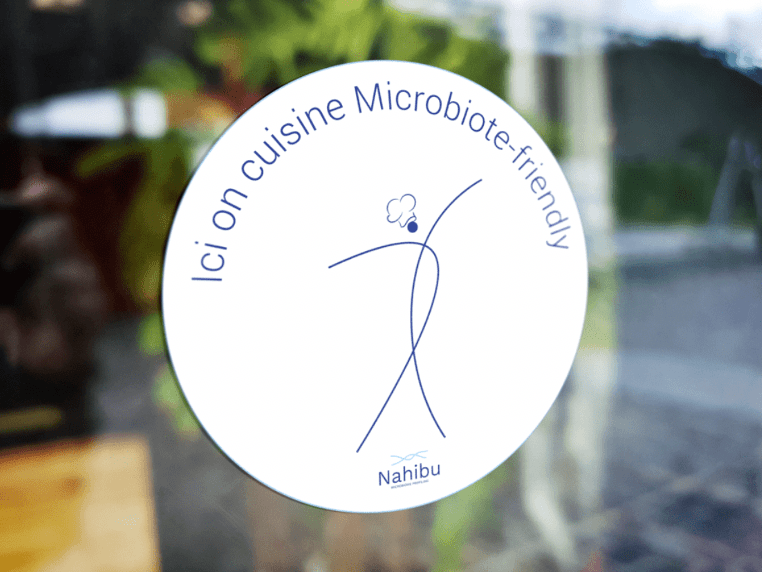
This initiative, proposed by the Rennes-based company, which specializes in gut microbiota analysis, consists of highlighting the quality guarantee that can be found on our restaurateurs' menus. This recognition will be reflected in the microbiota-friendly label, awarded by Nahibu following a simple study of the composition of the dishes offered on the menu.  

Restaurateurs, would you like to highlight the effort you put into creating balanced dishes that are rich in fiber, low in simple sugars, and low in saturated and animal fats?

Contact Nahibu at the following address: maryline@nahibu.com and join the movement!

Nahibu's

Take care of your microbiota with Nahibu.

Discover more articles on the microbiota.

Take care of your microbiota with Nahibu.

Video interview with Rennes-based startup Nahibu

Video interview with Rennes-based startup Nahibu

Pierre Cressard | Nahibu | Rennes Business Story

Pierre Cressard founded the startup Nahibu in Rennes. He tells us all about his flagship product, which analyzes our gut microbiota.

The company offers individuals an analysis of their gut flora, coupled with comprehensive support including dietary advice, coaching, and probiotics.

To develop its business, the Rennes-based company draws on the scientific and technological expertise of the MétaGénoPolis unit at INRA (the French National Institute for Agricultural Research).

For Pierre Cressard, Rennes is a veritable El Dorado for research in the fields of food and health. His startup is located in the heart of Biopôle, the Rennes Métropole biotechnology business incubator.

Contact Nahibu at maryline@nahibu.com and join the movement!

Take care of your microbiota with Nahibu.

Discover more articles on the microbiota.

Take care of your microbiota with Nahibu.

Microbiota Study: Nahibu is looking for volunteers suffering from sleep disorders!

Microbiota Study: Nahibu is looking for volunteers suffering from sleep disorders!

Observational study: Nahibu is looking for volunteers with sleep disorders to analyze their gut microbiota.

In order to conduct an observational study, Nahibu, the European leader in gut microbiota analysis, is looking for volunteers suffering from sleep disorders. The aim of this study is to identify markers that could explain sleep disruption via the gut microbiota.

Sleep is a key factor in good health

Sleep disorders are characterized by difficulty falling asleep, waking up during the night, or feeling unrested after sleep, episodes of excessive daytime sleepiness, disruption of the biological clock, or certain respiratory disorders (sleep apnea). According to the French National Institute of Health and Medical Research (INSERM), one in three people in France is affected by these disorders. This figure should not be ignored, as impaired sleep increases the risk of developing cardiovascular disease, obesity, diabetes, and even certain cancers.

According to the results of a study conducted in 2015 by the Institute for Sleep and Vigilance (INSV), 17% of French people report suffering from sleep rhythm disorders, 16% from insomnia, 5% from restless legs syndrome, and 4% from sleep apnea.

There appears to be a strong link between the gut microbiota and sleep regulation.

The gut microbiota plays a very important role in many functions: immunity, digestion, stress, cell aging, physical and cognitive abilities. According to numerous studies, sleep disorders are among the factors that can alter the composition of the gut microbiota and therefore daily health and well-being.


Nahibu wants to set up an observational study to contribute to a better understanding of this issue, which is very widespread in France.

As part of this observational study, Nahibu aims to identify bacteria that may influence sleep and potentially reveal the causes of this disorder.

We will compare and observe the differences in the composition of the gut microbiota of a group of people prone to sleep disorders with that of a group of individuals without this type of problem. The data will be analyzed to reveal the bacteria that could play a role in sleep regulation. Emmanuelle Lecommandeur, Doctor of Biochemistry and Head of Research and Development.

To do this, the company is looking for volunteers with sleep disorders to analyze their microbiota and study the results.

The Nahibu analysis will be offered to candidates free of charge.

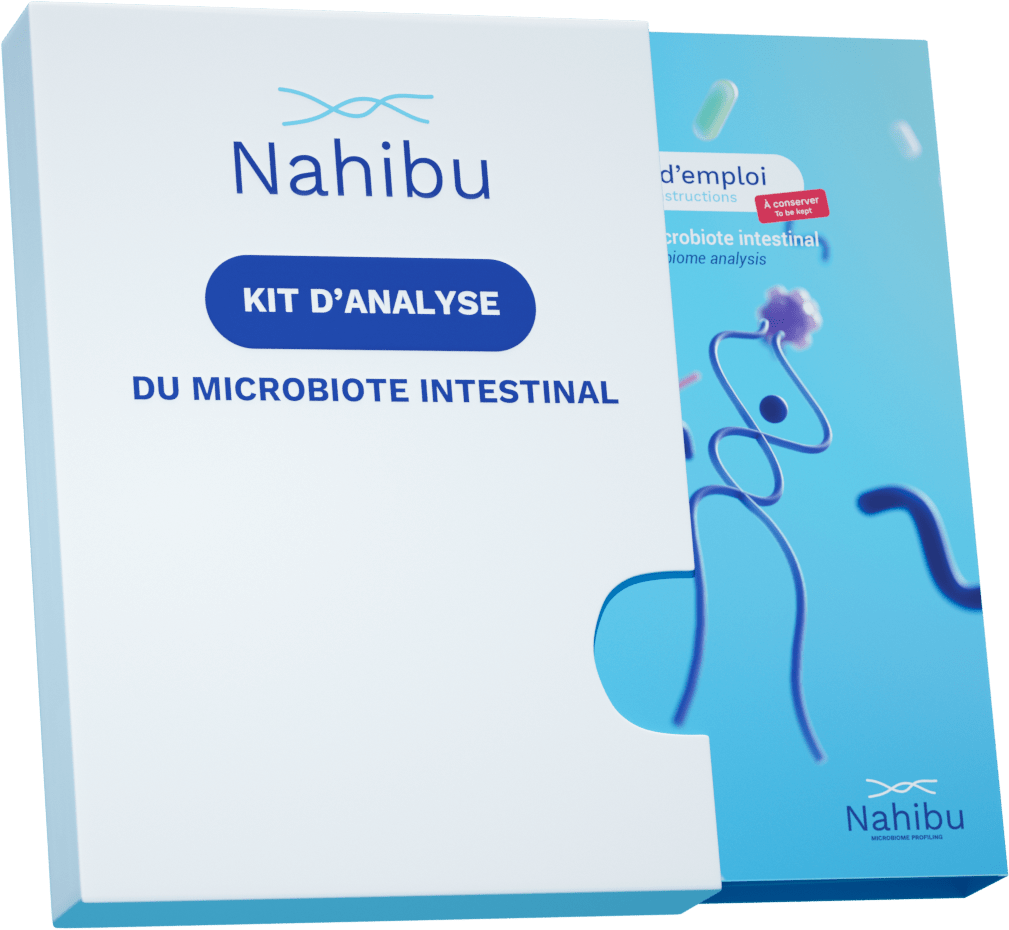
To apply, simply contact the Nahibu team at the following address: contact@nahibu.com. A short questionnaire will need to be completed. Once the applications have been reviewed, Nahibu will send a free stool sample collection kit to the selected participants. No medical intervention will be necessary, as the stool sample can be collected at home. The samples will then be analyzed and the results will be communicated to participants via a secure online platform.

Update: the call for applications is now closed


Take care of your microbiota with Nahibu.

Discover more articles on the microbiota.

Take care of your microbiota with Nahibu.