Gazpacho

Gazpacho

Gazpacho

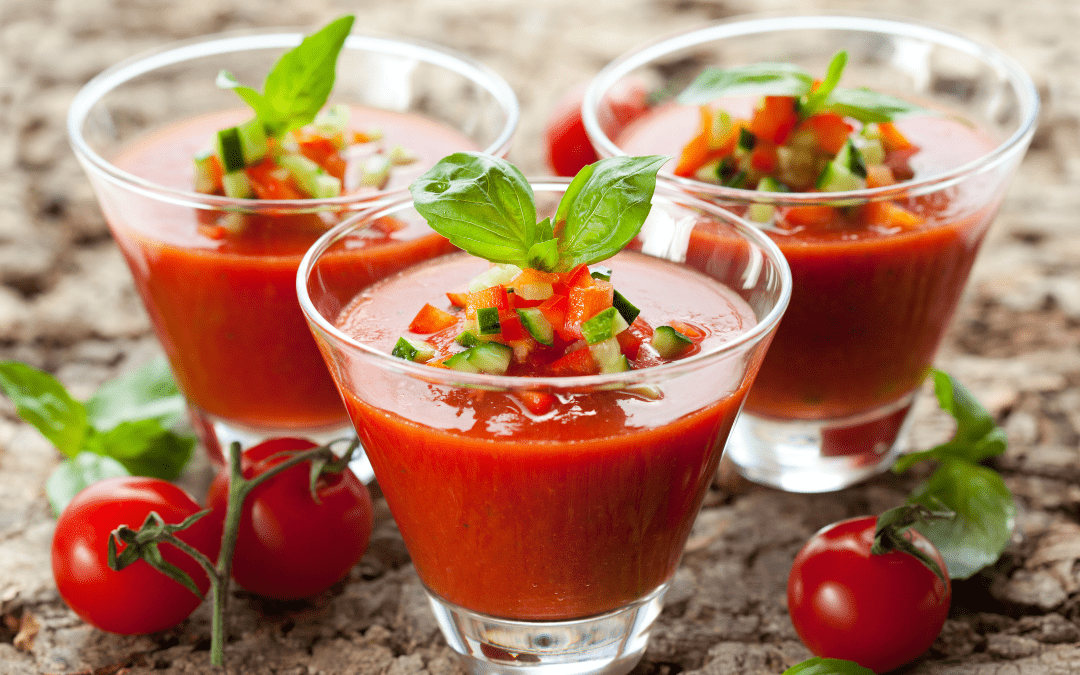
The Nahibu team has put together a special Microbiota wellness recipe that contains ingredients that are good for your gut flora.

Tomatoes are packed with health benefits. They are rich in fiber and vitamins and very low in calories. They provide vitamins A and C and contain many pigments such as lycopene, which has numerous benefits. In particular, it may be associated with a reduced risk of certain cancers.

A

15 minutes

A

Recipe for 4 people

A

Starter – Appetizer

🍅 Ingredients:

✔️ 5 ripe tomatoes

✔️ 1 red bell pepper

✔️ ½ cucumber

✔️ 1 red onion 

✔️ 1 slice of bread

✔️ 2 tablespoons olive oil

✔️ 1 clove of garlic

✔️ 1 pinch of chili pepper

✔️ Salt to taste

✔️ Pepper to taste

👨‍🍳 Preparation:

  1. Peel the tomatoes, red bell pepper, red onion, garlic clove, and half of the cucumber.

  2. Cut them into cubes.

  3. Remove the crust from the bread and cut the crumb into cubes.

  4. Place everything in a blender.

  5. Add the olive oil, chili pepper, salt, and pepper.

  6. Blend and add water to achieve the desired consistency.

  7. Enjoy. 

Shido, nutritional advice tailored to your gut microbiota.

Personalized

Discover more healthy and balanced recipes.
Take control of your diet with Shido.
A

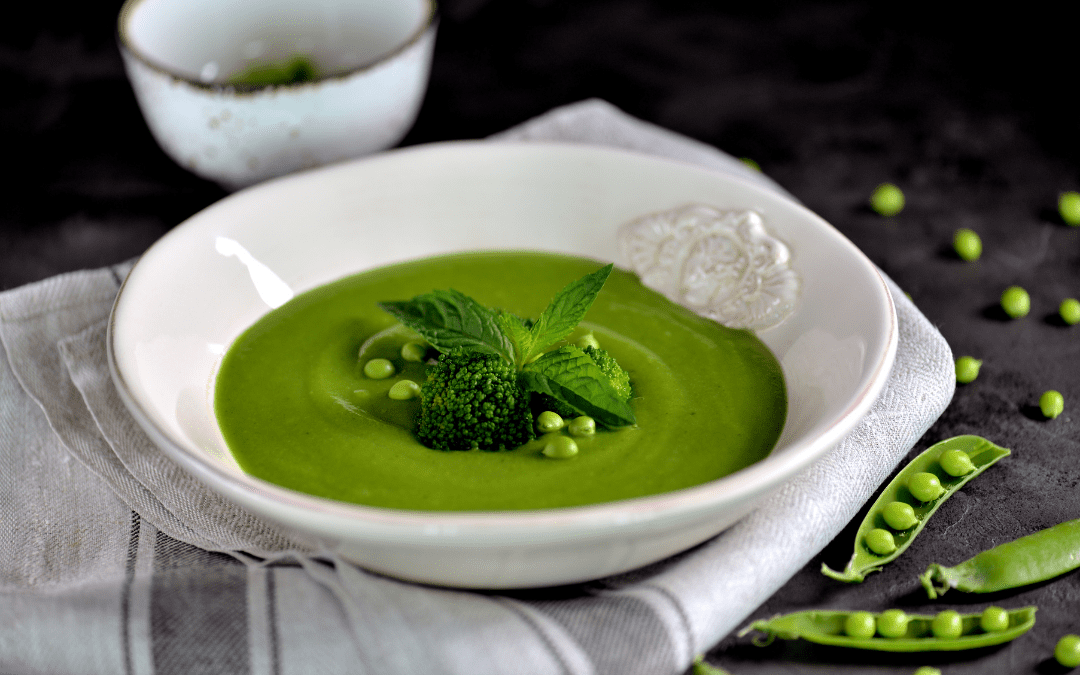
Cream of pea soup with mint

Cream of pea soup with mint

Cream of Pea Soup with Mint

The Nahibu team has put together a special Microbiota wellness recipe that contains ingredients that are good for your gut flora.

Peas are a particularly interesting vegetable. Low in calories, they provide vitamins and minerals. They are also a significant source of antioxidants, plant proteins, and fiber, which helps stimulate digestion and increase satiety.

A

15 minutes

A

Recipe for 4 people

A

Starter – Appetizer

🍅 Ingredients:

✔️ 450 g peas

✔️ 3 tbsp crème fraîche

✔️ 1 knob of butter or 1 tablespoon olive oil

✔️ 2 cups water

✔️ 2 sprigs of mint

✔️ Salt to taste

✔️ Pepper to taste

👨‍🍳 Preparation:

  1. Sauté the peas in butter or olive oil.

  2. Add the water, crème fraîche, salt, and pepper.

  3. Add the mint.

  4. Blend and enjoy.

Shido, nutritional advice tailored to your gut microbiota.

Personalized

Discover more healthy and balanced recipes.

Take control of your diet with Shido.
A

Which foods are highest in fiber?

Which foods are highest in fiber?

Which foods are highest in fiber?

Fiber is a complex carbohydrate of plant origin that is neither digested nor absorbed by the body. There are two types of fiber: soluble fiber and insoluble fiber.

Nahibu

What is fiber good for?

Insoluble fiber increases stool volume and stimulates intestinal transit. It promotes satiety. Soluble fiber lowers cholesterol levels and improves carbohydrate absorption. It also reduces blood sugar and insulin levels after meals. Finally, they stimulate the growth of good intestinal bacteria and are associated with a reduced risk of cardiovascular disease.

Nahibu

What are our fiber requirements? 

ANSES recommends consuming 30 grams of fiber per day, equally for men and women. On average, adults consume 17.5 grams of fiber per day. It is therefore important to include fiber-rich foods in your diet to increase your fiber intake.


Nahibu

Where can fiber be found?

Fiber is naturally present in food, but some types of food contain more than others.

Grains and seeds

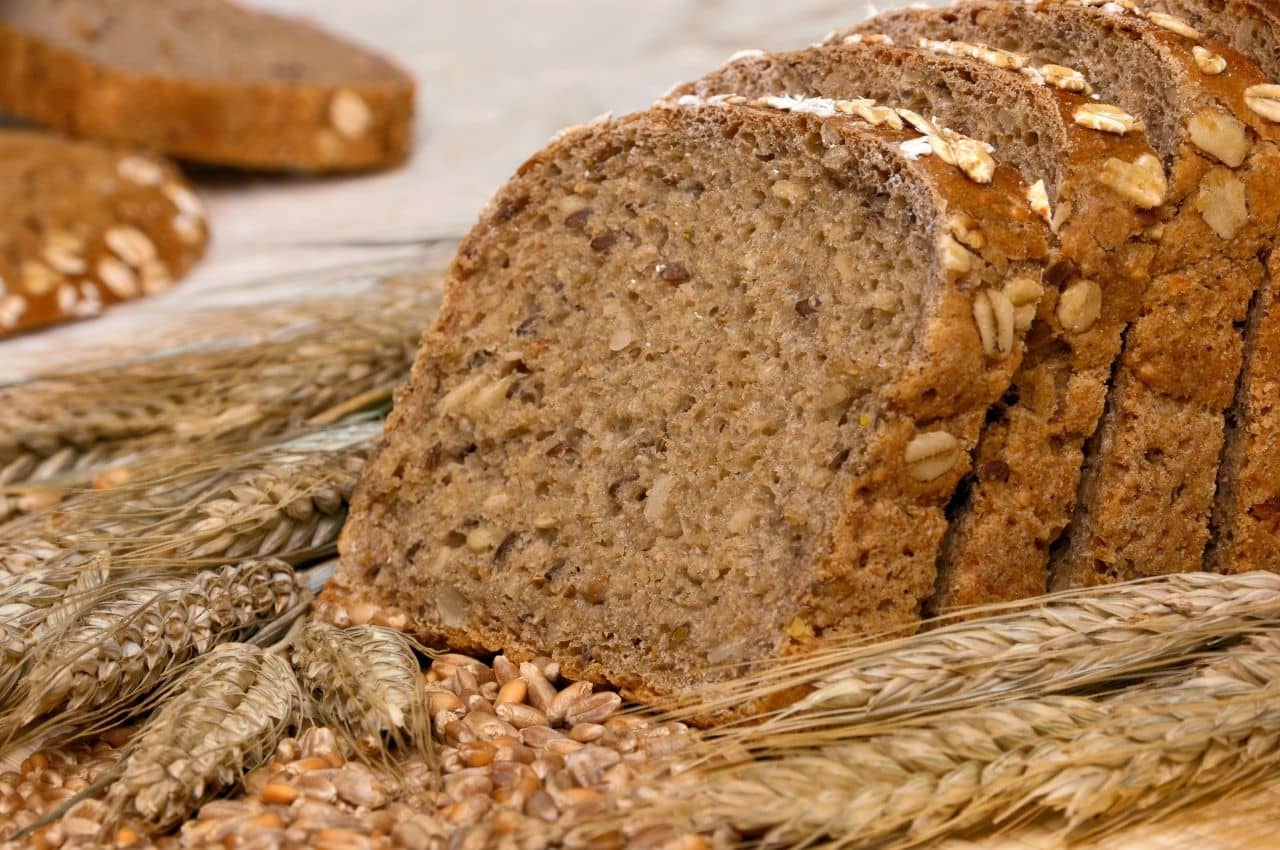
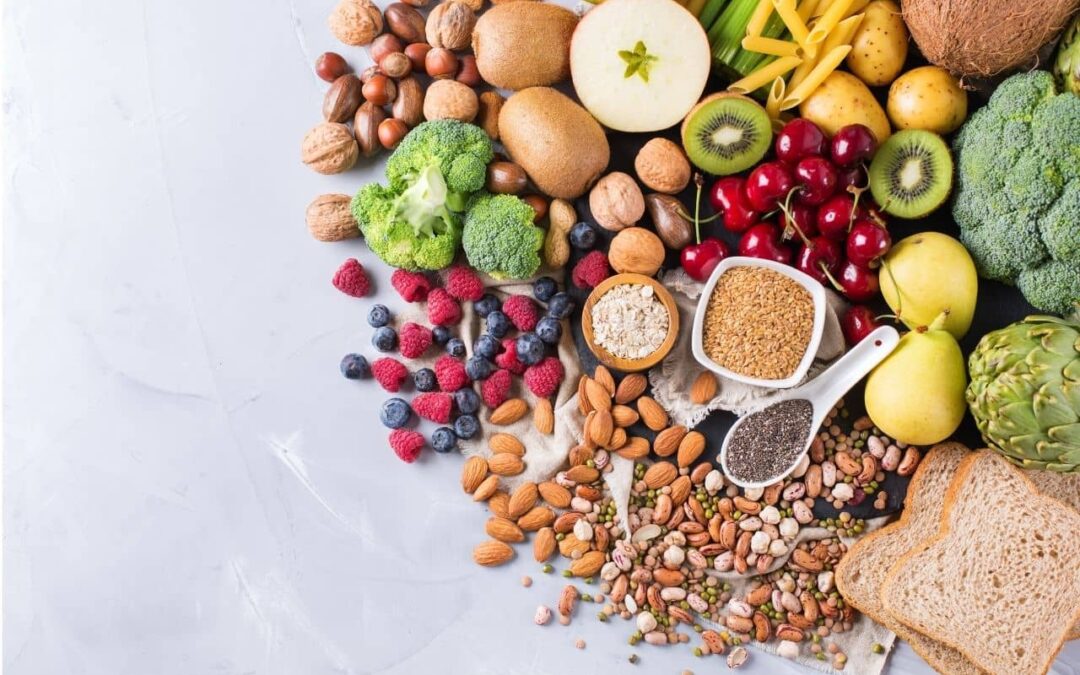
Cereals and seeds are excellent sources of fiber. Corn bran contains 79 grams of fiber per 100 grams and wheat bran contains 42 grams. There is also rice bran (21 grams per 100 grams), oat bran (16.7 per 100 grams), etc. Chia seeds contain 34.4 grams and flax seeds contain 27.3 grams per 100 grams. Bran and other whole grains such as rice and wheat are sources of insoluble fiber and quickly make you feel full by swelling with water during digestion. Oats and barley provide soluble fiber, which helps lower cholesterol. Grains are also important sources of nutrients, carbohydrates, protein, and minerals. They are a significant source of energy for our bodies.

Spices and herbs

Spices and herbs are also important sources of fiber. Curry, cinnamon, oregano, coriander, and herbes de Provence provide more than 40 grams of fiber per 100 grams. They are rich in minerals, vitamins, and antioxidants such as polyphenols and curcumin, which protect the body against premature cell aging and the risk of certain cancers. Finally, they promote satiety and have anti-inflammatory properties. Don't hesitate to add them to your dishes.

Legumes

When cooked in water, legumes (red beans, white beans, lentils, etc.) contain an average of 15 grams of fiber per 100 grams. They are rich in vegetable protein, vitamins, and minerals such as iron, magnesium, phosphorus, and potassium. Legumes are commonly used as a partial substitute for meat in meat-free diets.

dried

Dried fruit

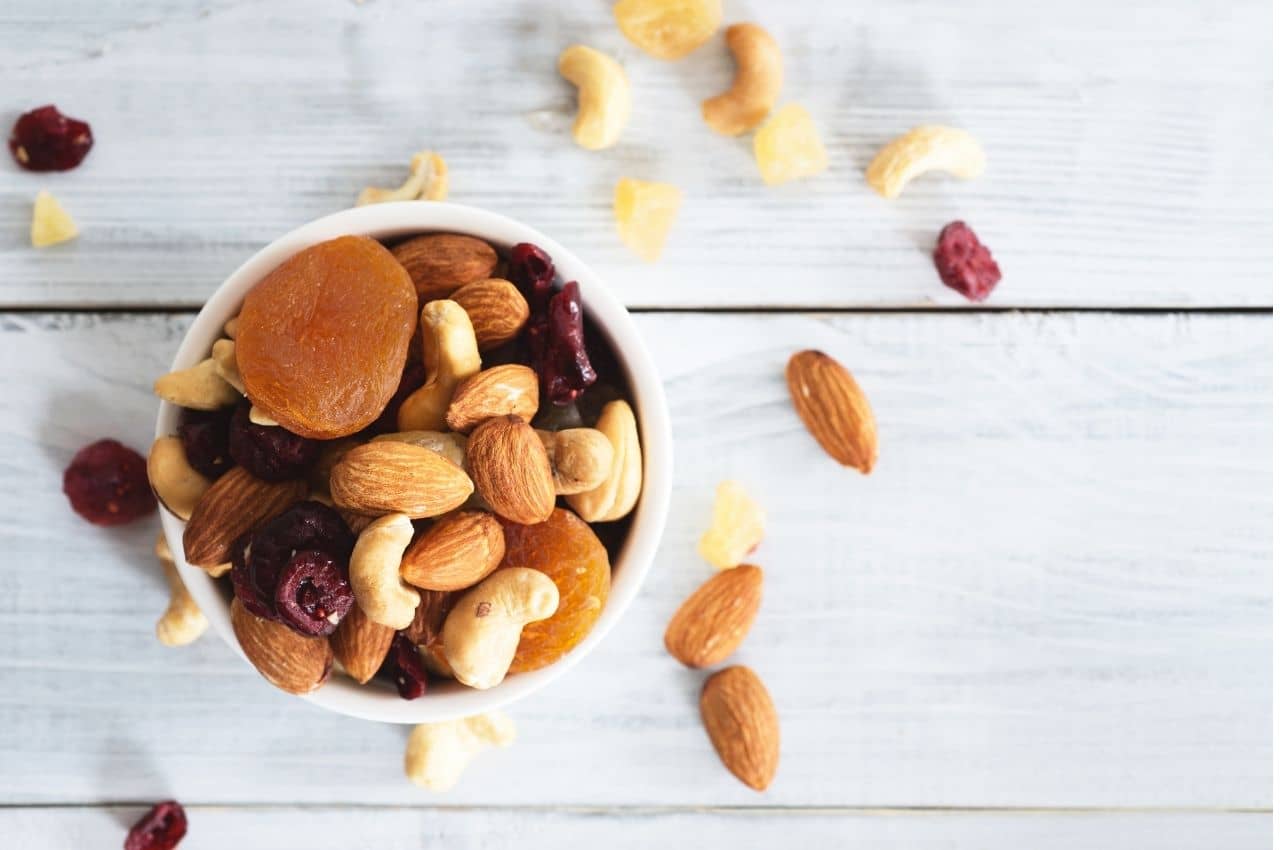
Nuts (almonds, hazelnuts, walnuts, pistachios, etc.) are also particularly rich in fiber, with an average content of 11 grams of fiber per 100 grams. They provide nutrients, healthy fats, vitamins, minerals, and antioxidants. Last but not least, they are associated with a reduction in cholesterol and the risk of cardiovascular disease. They are an excellent choice for snacks.

Fruits and vegetables

Finally, fruits and vegetables are significant sources of soluble and insoluble fiber. Among the vegetables richest in fiber are peas (5.5g/100g), spinach (3.5g/100g), green beans (3.3g/100g), celery (2.6g/100g), turnips (2.2g/100g), cauliflower (2g/100g) and, for fruit, raspberries (4.3g/100g), strawberries (3.8g/100g), apples (2.9g/100g), pears (2.9g/100g) and bananas (2.7g/100g). In addition to fiber, fruits and vegetables are also excellent sources of minerals and vitamins that are essential for the body.

Conclusion

In conclusion, fiber is a real health ally that is important to include in your diet. You should increase your intake gradually. However, you should not overdo it, as excess fiber can cause digestive problems such as flatulence, bloating, diarrhea, etc. It is therefore important to find the right balance.

Sources:

Dietary fiber. ANSES. Available at: https://agriculture.gouv.fr/sites/minagri/files/documents/pdf/Recommandation_GTFibres_VF_cle44b3dd.pdf

Ciqual. Food composition table. ANSES. Available at: https://ciqual.anses.fr/#/constituants/34100/fibres-alimentaires-(g-100-g)

Nutritional references for protein, fat, carbohydrates, and fiber (adults and seniors). CERIN. https://www.cerin.org/rapports/references-nutritionnelles-proteines-lipides-glucides-fibres-adultes-personnes-agees/


Discover more articles on the microbiota.

Take control of your diet with Shido.
A

Top 5 meat alternatives

Top 5 meat alternatives

Top 5 meat alternatives

Meat alternatives are experiencing rapid growth. Tofu, tempeh, seitan, plant-based meat, steak… these foods are becoming increasingly common on supermarket shelves and are no longer consumed only by vegans or vegetarians. Today, many people are reducing their meat consumption for environmental, animal welfare, or health reasons.  

What nutrients does meat provide? 

In addition to providing protein, meat is also a significant source of trace elements, minerals, and vitamins. Meat is rich in heme iron, which is easily absorbed by the body. Finally, it is a source of vitamin B12.

proteins

What are our needs?

Proteins, which are made up of amino acids, including eight essential ones, are essential for the body because they enable it to perform structural, metabolic, and immune functions. ANSES recommends a daily protein intake of 0.83 grams per kilogram, or 49.8 grams for a person weighing 60 kilograms. Iron is mainly used in the production of hemoglobin, which enables oxygen to be transported in the blood.

It is recommended that you consume around 11 milligrams (16 mg for women with heavy periods) per day to meet the body's needs. Finally, vitamin B12, as a coenzyme (a molecule that catalyzes an enzymatic reaction), performs functions in the blood and neurons. According to ANSES, the daily requirement for vitamin B12 is approximately 2.4 micrograms for adults.

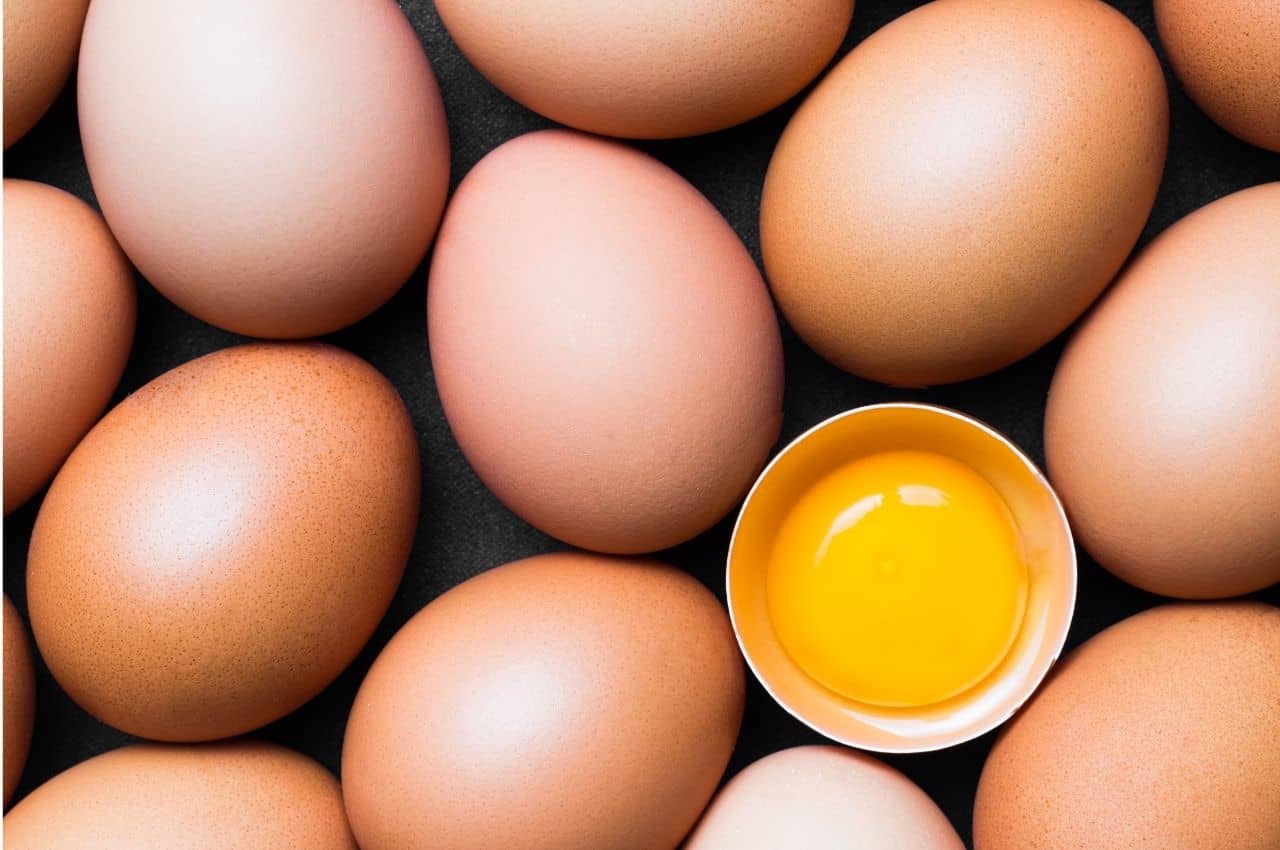
eggs

What foods can replace meat?

Eggs

Eggs contain 13.5 grams of protein per 100 grams and provide the body with the essential amino acids it needs to function. They are rich in omega-3 fatty acids, minerals (iron, selenium, zinc, phosphorus), and vitamins (A, B1, B3, B12, E, D). The cholesterol they contain has no effect on blood cholesterol levels because very little is absorbed by the intestine. Finally, they are low in calories, with 100 grams of eggs containing only 134 kilocalories. 

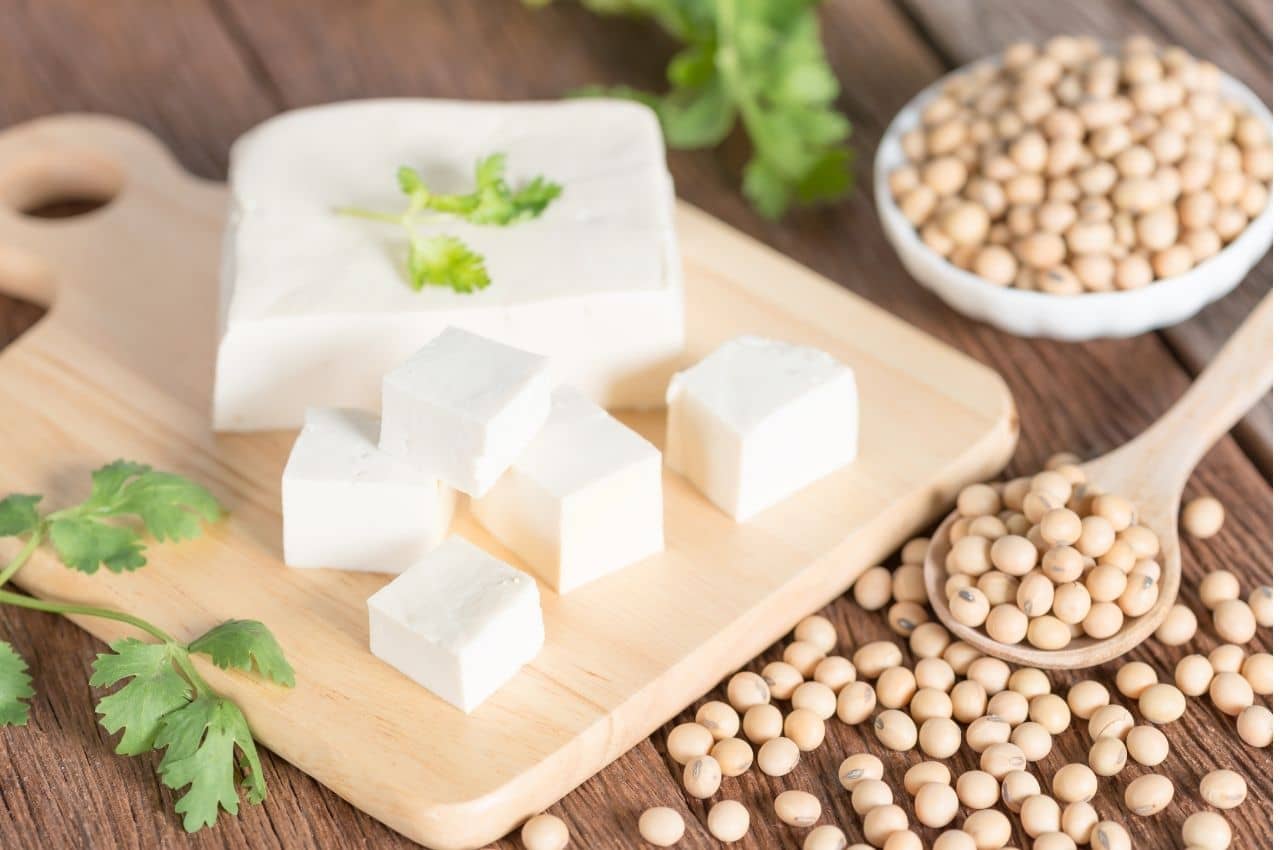
Tofu

Tofu is made from soybeans. Rich in protein (13.4 per 100 grams), it is regularly consumed in meat-free diets and has also been eaten in Asian countries for a very long time. It is also a source of omega-3, minerals (calcium, iron, zinc), and B vitamins. In addition, tofu is low in calories (148 kilocalories per 100 grams) and free of unhealthy fats.

tofu

Seitan

Seitan is made from rehydrated wheat gluten. Rich in protein (20.6 grams per 100 grams), iron, and free of saturated fat, it is an interesting alternative to meat. In addition to being low in calories (134 kilocalories per 100 grams), its high fiber content facilitates intestinal transit and promotes a feeling of fullness.

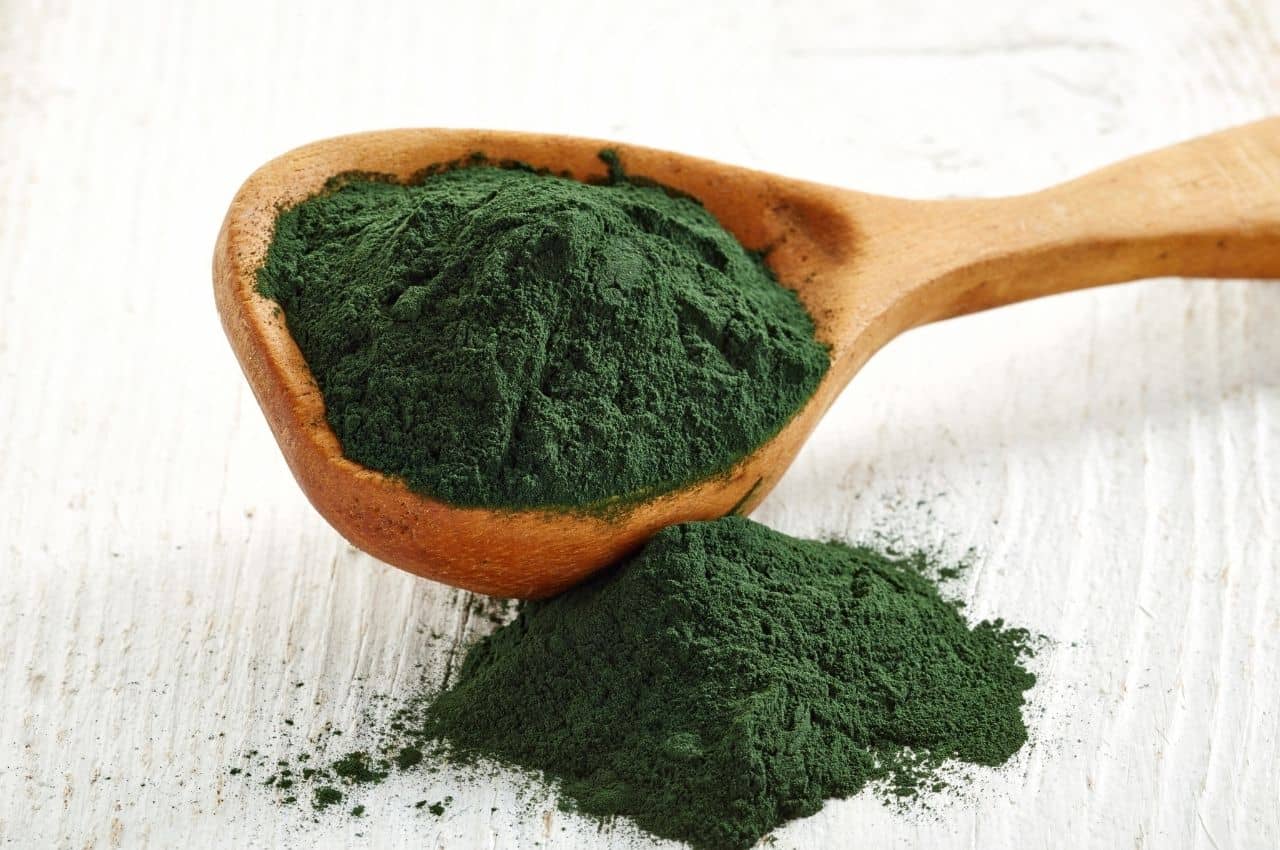
spirulina

Microalgae

Microalgae such as chlorella and spirulina are packed with health benefits and are also excellent sources of protein (57.5 grams of protein per 100 grams of spirulina). They are rich in essential amino acids, minerals (iron, copper, magnesium, zinc, sodium, phosphorus, potassium, selenium, manganese) and vitamin B12. They also contain compounds with antioxidant, anti-inflammatory, hypolipidemic, and hypoglycemic properties. Spirulina is particularly associated with reducing blood cholesterol and inflammation.

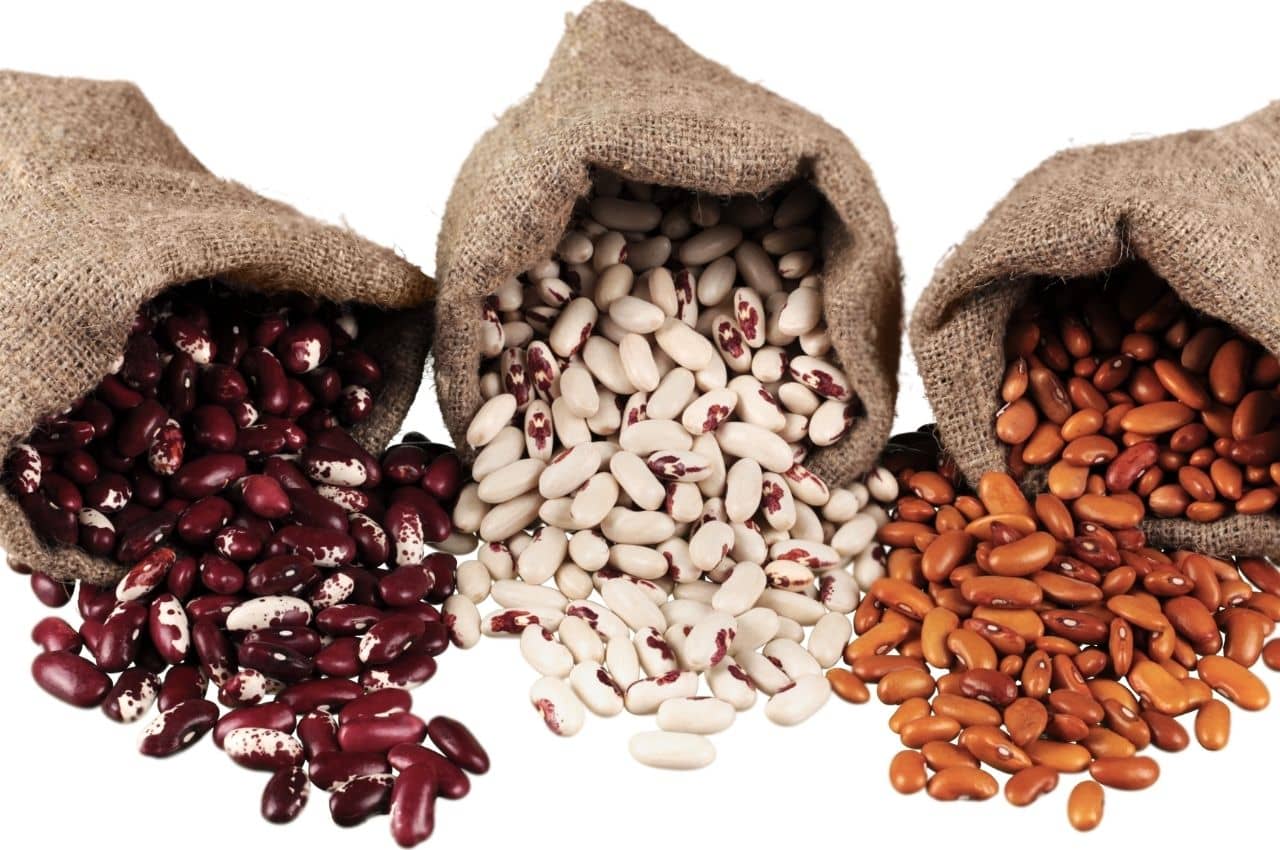
legumes

Legumes

Finally, legumes are among the foods rich in protein. Red beans contain 9.63 grams of protein per 100 grams, chickpeas 8.31 grams, lentils about 10 grams, and split peas 8.6 grams per 100 grams. In addition to protein, they are sources of vitamin B and minerals such as iron, calcium, potassium, magnesium, and zinc. They make you feel full, and the iron they contain helps the body transport oxygen. They are low in fat and have a low glycemic index.

Today, there are several alternatives to meat that provide the nutrients the body needs. However, it is important to be mindful of industrial alternatives, which can be high in sodium and other food additives.

Sources:

Proteins. ANSES. Available at: https://www.anses.fr/fr/content/les-prot%C3%A9ines

Iron. ANSES. Available at: https://www.anses.fr/fr/content/le-fer

Ciqual. Food composition table. ANSES. Available at: https://ciqual.anses.fr/

Discover more articles on the microbiota.

Take control of your diet with Shido.

A

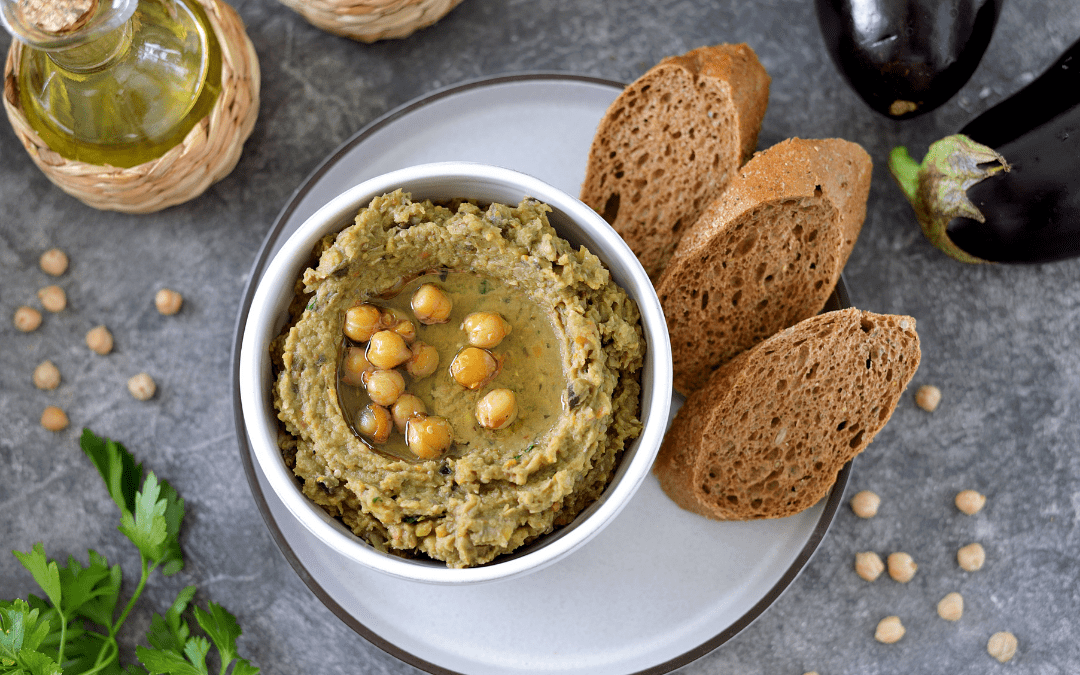
Eggplant hummus

Eggplant hummus

Eggplant hummus

The Nahibu team has put together a special Microbiota wellness recipe that contains ingredients that are good for your gut flora.

Serve eggplant hummus with your appetizers to delight your gut microbiota. You can serve the hummus in a small bowl. You can also add a teaspoon of sesame oil and a few sesame seeds on top. All that's left to do is enjoy it with a few accompaniments such as vegetable sticks. 

A

20 minutes

A

Recipe for 5 people

A

 Appetizer

🍆 Ingredients:

✔️ 1 eggplant 

✔️ 1 can of chickpeas

✔️ 1 clove of garlic

✔️ 2 tablespoons sesame oil

✔️ Olive oil

✔️ Salt (optional)

👨‍🍳 Preparation:

  1. Wash and cut the eggplant into pieces.
  2. Sauté the eggplant in a pan with the garlic and two tablespoons of olive oil.
  3. Cook for 10 minutes over low heat.
  4. Drain the juice from the can of chickpeas.
  5. Blend the chickpeas using a blender.
  6. Add the cooked eggplant, sesame oil, and olive oil to the blender.
  7. Blend everything together.

Download the seasonal fruit and vegetable calendar for FREE.

Discover more healthy and balanced recipes.

No Results Found

The page you requested could not be found. Try refining your search, or use the navigation above to locate the post.

Take control of your diet with Shido.
A