


Partnership between SRFC and Nahibu

Partnership between SRFC and Nahibu

Stade Rennais Football Club has partnered with Nahibu to optimize the performance and health of its players.

2020 is a historic year for SRFC, with the club qualifying for the first time ever for the Champions League, the most prestigious European competition. Aware that the state of the gut microbiota has an impact on health as well as physical performance, Dr. Boumpoutou, team doctor for Stade Rennais Football Club, wanted his players to benefit from the nutritional analysis and advice offered by Nahibu, the French leader in microbiota analysis.  

The Rennes-based start-up, which has surrounded itself with the best specialists in order to create a tool in 2019 that allows as many people as possible to highlight the functional potential of their gut microbiota, will support the team in this unprecedented sporting adventure for the club by providing it with its solution. 

Optimizing collective performance through tailor-made nutrition. 

This collaboration will make it possible to monitor changes in the players' gut flora and provide ways to optimize their health, well-being, and therefore their performance thanks to the personalized nutrition solution offered by the Breton company.  

The goal is to obtain objective data that will enable us to understand what is happening and monitor the progress of what we are implementing. For example, we will prescribe probiotics to the players, which aim to nourish the intestinal microbiota to make it more efficient. As winter approaches, we know that the immune system can be weakened, so we will try to prevent that, says Dr. Boumpoutou.  

This is a world first in professional soccer.  

This partnership between SRFC and Nahibu also fuels the ambition to advance research on the links between nutrition, gut microbiota, and athletic performance.  

It's a real opportunity to be able to support such a team of athletes and to have the chance to observe the effects of high-level sport on the microbiota, but also the influence of the microbiota on performance, preparation, endurance, and recovery, says Emmanuelle Lecommandeur, R&D Nutrition Project Manager at Nahibu.

Contact Nahibu at maryline@nahibu.com and join the movement!

Take care of your microbiota with Nahibu.

Discover more articles on the microbiota.

Partnership between Bio-Recherche and Nahibu

Partnership between Bio-Recherche and Nahibu

Bio-Recherche Laboratories specialize in researching and marketing high-value-added dietary supplements whose effectiveness has been proven by clinical studies, most of which justify prescription by doctors.

Take care of your microbiota with Nahibu.

Microbiota Study: Nahibu is looking for volunteers suffering from sleep disorders!

Microbiota Study: Nahibu is looking for volunteers suffering from sleep disorders!

Observational study: Nahibu is looking for volunteers with sleep disorders to analyze their gut microbiota.
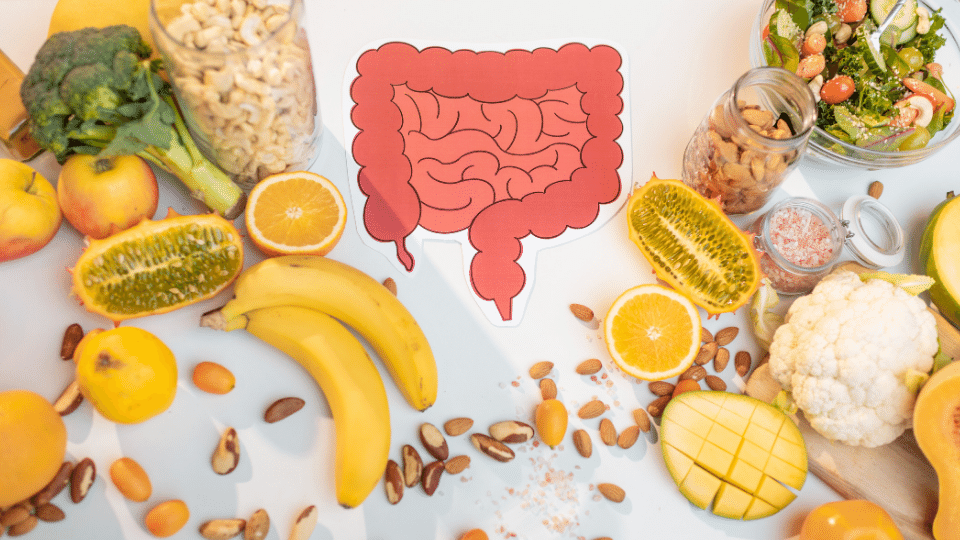
In order to conduct an observational study, Nahibu, the European leader in gut microbiota analysis, is looking for volunteers suffering from sleep disorders. The aim of this study is to identify markers that could explain sleep disruption via the gut microbiota.

Sleep is a key factor in good health

Sleep disorders are characterized by difficulty falling asleep, waking up during the night, or feeling unrested after sleep, episodes of excessive daytime sleepiness, disruption of the biological clock, or certain respiratory disorders (sleep apnea). According to the French National Institute of Health and Medical Research (INSERM), one in three people in France is affected by these disorders. This figure should not be ignored, as impaired sleep increases the risk of developing cardiovascular disease, obesity, diabetes, and even certain cancers.

According to the results of a study conducted in 2015 by the Institute for Sleep and Vigilance (INSV), 17% of French people report suffering from sleep rhythm disorders, 16% from insomnia, 5% from restless legs syndrome, and 4% from sleep apnea.

There appears to be a strong link between the gut microbiota and sleep regulation.

The gut microbiota plays a very important role in many functions: immunity, digestion, stress, cell aging, physical and cognitive abilities. According to numerous studies, sleep disorders are among the factors that can alter the composition of the gut microbiota and therefore daily health and well-being.


Nahibu wants to set up an observational study to contribute to a better understanding of this issue, which is very widespread in France.

As part of this observational study, Nahibu aims to identify bacteria that may influence sleep and potentially reveal the causes of this disorder.

We will compare and observe the differences in the composition of the gut microbiota of a group of people prone to sleep disorders with that of a group of individuals without this type of problem. The data will be analyzed to reveal the bacteria that could play a role in sleep regulation. Emmanuelle Lecommandeur, Doctor of Biochemistry and Head of Research and Development.

To do this, the company is looking for volunteers with sleep disorders to analyze their microbiota and study the results.

The Nahibu analysis will be offered to candidates free of charge.

To apply, simply contact the Nahibu team at the following address: contact@nahibu.com. A short questionnaire will need to be completed. Once the applications have been reviewed, Nahibu will send a free stool sample collection kit to the selected participants. No medical intervention will be necessary, as the stool sample can be collected at home. The samples will then be analyzed and the results will be communicated to participants via a secure online platform.

Update: the call for applications is now closed


Take care of your microbiota with Nahibu.

Discover more articles on the microbiota.

Partnership between Bio-Recherche and Nahibu

Partnership between Bio-Recherche and Nahibu

Bio-Recherche Laboratories specialize in researching and marketing high-value-added dietary supplements whose effectiveness has been proven by clinical studies, most of which justify prescription by doctors.

Take care of your microbiota with Nahibu.

Acting on short-chain fatty acid production

Acting on short-chain fatty acid production

Acting on your production of short-chain fatty acids

The gut microbiota

Our health ally

The body evolves in symbiosis with the ecosystem it harbors in the digestive tract. It is composed of a multitude of microorganisms (viruses, bacteria, archaea, fungi) and forms the gut microbiota. Each of these bacteria plays a key role in many vital functions of the body and also in maintaining good health. However, if the balance is disrupted, bacteria that were initially beneficial to health can become harmful and lead to disorders such as neurodegenerative diseases (Alzheimer's, Parkinson's, etc.), metabolic diseases (diabetes, obesity), cancers, and allergies.

Factors that alter the gut microbiota 

The gut microbiota develops from birth until around the age of two and a half. After that, it is considered stable and its composition will only change due to certain factors such as illness, stress, medication, health, diet, geographical location, etc. Under the influence of these factors, the bacterial composition may change.

How can we influence the gut microbiota? 

Today, a link has been established between diet and the bacterial composition of the gut microbiota. It is therefore important to eat a varied and balanced diet in order to optimize your microbiota and enjoy its benefits. For example, it is recommended to increase your intake of dietary fiber at the expense of simple carbohydrates. In addition to being filling and beneficial for intestinal transit, fiber reduces the risk of diabetes, cancer, and cardiovascular disease. Finally, it also nourishes good intestinal bacteria. 


Diet

Carbohydrates, more commonly known as sugars, are molecules whose function is to provide energy to the body in the form of calories. There are two types of carbohydrates: simple (or monosaccharides) and complex (or polysaccharides). Simple carbohydrates such as glucose, fructose, and galactose are non-hydrolyzable molecules, meaning they cannot be broken down into smaller molecules.

Complex carbohydrates, on the other hand, are formed by the linking of simple carbohydrates. These include disaccharides such as lactose and sucrose, which are composed of two simple carbohydrates, and polysaccharides (starch, cellulose, glycogen, etc.), which are composed of more than two simple carbohydrates. Only simple carbohydrates and disaccharides in complex carbohydrates have sweetening power. Polysaccharides do not.


Diet

Dietary fiber is a complex carbohydrate of plant origin that is neither digested nor absorbed by the body. There are two types of fiber: soluble fiber and insoluble fiber. Fiber is naturally present in plant-based foods, but its distribution varies. Vegetables (artichokes, beets, carrots, broccoli, cabbage, etc.), legumes (beans, lentils, chickpeas, etc.), whole grains (oats, spelt, brown rice, etc.), fruits (apples, pears, oranges, grapefruit, etc.) and dried fruits (dates, prunes, etc.) are excellent sources.

Digestion of dietary fiber

Once ingested, dietary fiber passes through the digestive tract to the colon without being digested or absorbed. It is in the colon that it first undergoes hydrolysis (or dissociation) by enzymes and then fermentation by bacteria, releasing short-chain fatty acids. Some of these acids perform their functions in the intestine, while others migrate and act throughout the body. 


A

Short-chain fatty acids 


What are SCFAs? 

Short-chain fatty acids (SCFAs) are a subset of fatty acids synthesized by the gut microbiota during the fermentation of non-digestible polysaccharides such as dietary fiber. Put simply, they are molecules produced by good gut bacteria during the fermentation of food. There are several types, such as acetate, butyrate, lactate, propionate, and succinate, which vary in proportion and function. Acetate, butyrate, and propionate are the most common. Each plays an important role in maintaining health and in the development of disease.

Where do SCFAs act? 

Once produced, SCFAs can remain in the colon and be used by intestinal cells or be transported into the bloodstream to act on other organs. The production of SCFAs is influenced by various factors. It depends on the number of bacterial species present in the gut microbiota. The source of dietary fiber and transit time also play a role.

Take care of your microbiota with Nahibu.

What are the health effects of SCFAs? 

AGCCs are now recognized as mediators of the beneficial effects of dietary fiber and gut microbiota on host health. First, they play a key role in maintaining intestinal health. They improve the integrity of the intestinal barrier by regulating pH and mucus production and providing the energy necessary for epithelial cells to perform their functions. They also modulate inflammatory and immune responses.  They regulate immune cell function and lymphocyte differentiation. Lymphocytes are white blood cells that are part of the immune system and protect the body against attacks (bacteria, viruses, diseases, etc.). They also limit the proliferation of tumor cells. In addition, they act on skeletal muscles by modulating their function and exercise capacity. Finally, they prevent the risk of gastrointestinal disorders, hypertension, insulin resistance, obesity, cancer, and cardiovascular disease.

How can you find out your AGCC level? 

It is now possible to analyze your gut microbiota. In addition to detecting the depletion of bacterial biodiversity associated with the risk of dysbiosis, the analysis also detects short-chain fatty acids.

How can you increase your SCFA levels? 

As diet is the main factor influencing the amount of short-chain fatty acids, it is now essential to include fiber-rich foods in your diet to stimulate their production. The higher your fiber intake, the more SCFAs will be produced.

Focus

Focus on butyrate  

A fiber-rich diet is extremely beneficial to health. Increasing butyrate levels has several benefits. In addition to being the main source of energy for epithelial cells, it plays a key role in preventing cancer and inflammatory bowel disease. Furthermore, butyrate supplementation has been shown to reduce the risk of obesity.

Focus on succinate

Succinate, on the other hand, appears to have negative effects. High levels of succinate are found in the intestinal lumen in patients with dysbiosis or inflammatory bowel disease. However, its involvement remains to be confirmed.

In conclusion, it is essential to ensure sufficient dietary fiber intake to enable the microbiota to produce short-chain fatty acids and thus promote good health. In addition to their benefits for the microbiota, fibers are essential for the body. They act as our allies for optimal well-being and to limit the risk of developing certain diseases. Short-chain fatty acids are considered key mediators between diet, gut microbiota, and health. Nahibu, a player in the food industry of tomorrow, offers a gut microbiota analysis solution that measures its diversity and detects SCFAs.  


Sources:

Jian Tan, Craig McKenzie, Maria Potamitis, Alison N Thorburn, Charles R Mackay, Laurence Macia. The role of short-chain fatty acids in health and disease. 2014.

Sean M McNabney, Tara M Henagan. Short Chain Fatty Acids in the Colon and Peripheral Tissues: A Focus on Butyrate, Colon Cancer, Obesity and Insulin Resistance. 2014.

Yao Yao, Xiaoyu Cai, Weidong Fei, Yiqing Ye, Mengdan Zhao, Caihong Zheng. The role of short-chain fatty acids in immunity, inflammation and metabolism. 2020.

James Frampton, Kevin G Murphy, Gary Frost, Edward S Chambers. Short-chain fatty acids as potential regulators of skeletal muscle metabolism and function. 2020.

E E Blaak, E E Canfora, S Theis, G Frost, A K Groen, G Mithieux, A Nauta, K Scott, B Stahl, J van Harsselaar, R van Tol, E E Vaughan, K Verbeke. Short chain fatty acids in human gut and metabolic health. 2020.

Julia M W Wong, Russell de Souza, Cyril W C Kendall, Azadeh Emam, David J A Jenkins. Colonic health; fermentation and short chain fatty acids. 2006.

Sathish Sivaprakasam, Puttur D Prasad, Nagendra Singh. Benefits of short-chain fatty acids and their receptors in inflammation and carcinogenesis. 2016.


Discover more articles on the microbiota.

Partnership between Bio-Recherche and Nahibu

Partnership between Bio-Recherche and Nahibu

Bio-Recherche Laboratories specialize in researching and marketing high-value-added dietary supplements whose effectiveness has been proven by clinical studies, most of which justify prescription by doctors.

Take care of your microbiota with Nahibu.

Nahibu: they went to see what their employees were (really) made of.

Nahibu: they went to see what their employees were (really) made of.

Nahibu: they went to see what their employees
were (really) made of.

Nahibu, a Rennes-based company and European leader in gut microbiota analysis, has decided to raise awareness among its employees about taking care of their health and well-being on a daily basis, starting with analyzing their gut bacteria.

Awareness begins as soon as a new employee joins the company.

While Nahibu's mission is to raise public awareness of the importance of taking care of one's microbiota in order to improve health and well-being on a daily basis, Pierre and Chrystèle Cressard (President and CEO of Nahibu) have decided to offer their nine employees a free test so that they can individually realize the importance of this organ in everyday life.

When they first joined Nahibu, all of our employees were aware of the importance of this ecosystem that they host in their intestines, but the best way to really understand it is to analyze it in order to truly grasp it, reveals Chrystèle Cressard.

Diversity: a key indicator for improvement.

Our gut microbiota is unique and plays an important role in our daily well-being. Scientific studies have all come to the same conclusion: the bacterial diversity of our gut microbiota is a key indicator of our health and well-being. At Nahibu, this indicator of bacterial diversity has become an individual score to be improved.

When we received our results, we all wanted to compare the number of active bacterial species in our microbiota to see who had the best diversity. We all set ourselves the goal of increasing it by adapting the dietary advice provided, comments Caroline Lorandel Guy, Office Manager of the company since September 2020.

Combining business with pleasure.

Largely influenced by our diet and lifestyle, the gut microbiota evolves over time. While the main objective of this initiative proposed by the company's management was to raise awareness among its employees, it can be satisfied that the challenge has been met. The majority of users are now more mindful of the products they consume, taking a greater interest in fresh, organic, local, and fermented products. Some have started taking probiotics tailored to their bacterial strains, while others have begun exercising more regularly.

I wasn't eating badly, but I clearly wasn't eating enough vegetables. I started eating more fiber to take care of my microbiota. Following my results, I started a probiotic treatment. Discovering my microbiota made me aware of all the bacteria in my gut and that I need to take care of them! It sounds silly, but they take care of me, so I have to return the favor! I make my own bread and yogurt, I cook more vegetables, and I encourage those around me to do the same. Emmanuelle Lecommandeur, Nutrition R&D Manager.

We don't know if this practice, which is unique in France, is linked to the company's 0% sick leave rate, but one thing is certain: encouraging employees to take care of their health and well-being by offering them a turnkey solution to achieve this is a real added value for a company in 2021.

For further information, please email us at: contact@nahibu.com

Take care of your microbiota with Nahibu.

Discover more articles on the microbiota.

Partnership between Bio-Recherche and Nahibu

Partnership between Bio-Recherche and Nahibu

Bio-Recherche Laboratories specialize in researching and marketing high-value-added dietary supplements whose effectiveness has been proven by clinical studies, most of which justify prescription by doctors.

Take care of your microbiota with Nahibu.

More than 200 healthcare professionals have joined forces with Nahibu, the European expert in gut microbiota analysis.

More than 200 healthcare professionals have joined forces with Nahibu, the European expert in gut microbiota analysis.

More than 200 healthcare professionals have joined Nahibu in 2021.

Nahibu is France's leading network of healthcare professionals trained in gut microbiota.

General practitioners, micronutritionists, nutritionists, dieticians, naturopaths—a total of more than 200 practitioners have chosen to train in gut microbiota and offer their patients a Nahibu analysis to enrich their consultations.

To make this service accessible, Nahibu's Research and Development Unit has set up a free training program for practitioners. The entire program is supervised by Dr. Emmanuelle Lecommandeur and is based on scientific literature. This training aims to support practitioners in understanding the gut microbiota and in reading and interpreting the analysis results provided to users. The tool enables practitioners to provide their patients with personalized nutritional and holistic advice.

As a dietitian, the subject of microbiota is essential! I regularly see people who suffer from intestinal disorders that significantly impact their daily lives. The Nahibu analysis allows me to refine my advice on diet and nutrition. Lucie Houbart, Dietitian.

A powerful new support tool

Emmanuelle Lecommandeur, Doctor of Biochemistry and Head of Research and Development at Nahibu, points out that: Gut microbiota analyses do not provide a medical result or diagnosis, but offer the possibility of revealing the functional potential of an individual's microbiota through metagenomic analysis.

We now have scientific evidence that many disorders are linked to an imbalance in the gut microbiota, or dysbiosis: bloating and gas, intestinal pain, poor sleep quality, low energy, weakened immune system, etc. The microbiota mapping offered by Nahibu makes it possible to initially identify dysbiosis and assess the functional potential of the gut microbiota. Once established, this mapping is an extremely rich and qualitative source of information for healthcare professionals.

It includes key indicators such as diversity, microbiota balance, a comprehensive list of detected bacteria, AGCC production, information on the nutritional quality of intake, prebiotic intake, and the level of intestinal inflammation.

The results obtained enable the professional to provide more specific care. More and more practitioners are taking an interest in this tool, which enables them to make personalized nutritional recommendations tailored to each individual's profile.

For further information, visit www.nahibu.me

You can also contact us by email at praticien@nahibu.com or call 02 23 41 34 99.

Take care of your microbiota with Nahibu.

Discover more articles on the microbiota.

Partnership between Bio-Recherche and Nahibu

Partnership between Bio-Recherche and Nahibu

Bio-Recherche Laboratories specialize in researching and marketing high-value-added dietary supplements whose effectiveness has been proven by clinical studies, most of which justify prescription by doctors.

Take care of your microbiota with Nahibu.