Which foods are richest in vitamin C?

Which foods are richest in vitamin C?

Top 10 foods richest in vitamin C.

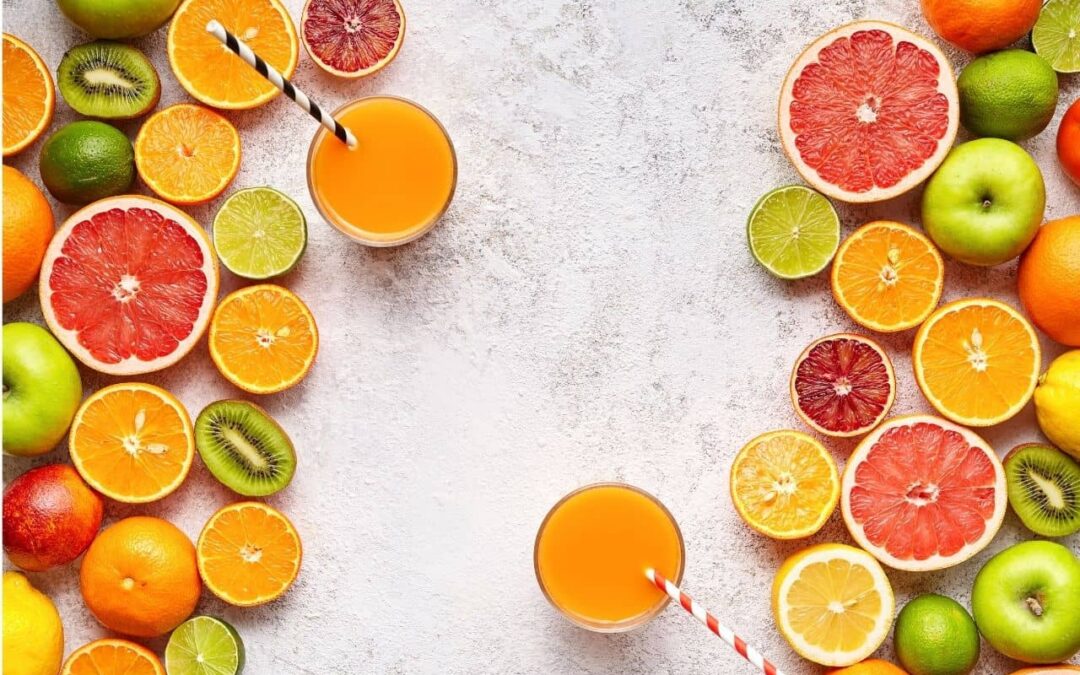
fruit-salad-rich-in-vitamin-C-Nahibu

What is vitamin C used for?

Vitamins are essential for the body, enabling it to function properly. Once obtained from food, they play a role in many functions. Among them, vitamin C, or ascorbic acid, plays a major role in protecting the body against viral and bacterial infections and free radicals. It also plays a role in protecting blood vessels and in healing processes. Finally, it promotes the absorption of iron from plants by the body. 

What are our vitamin C requirements?

According to ANSES, the daily intake of vitamin C should be 110 mg for adults, equally for men and women.
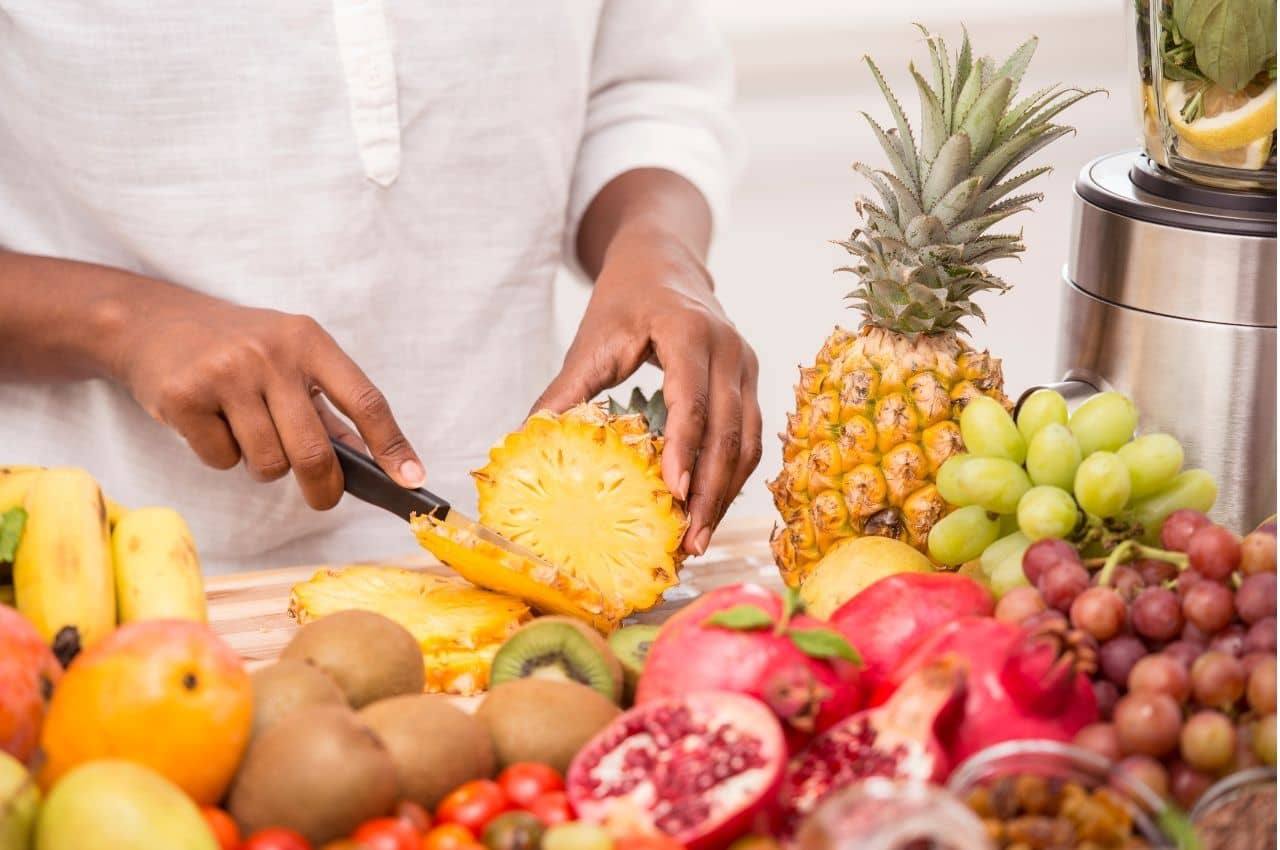
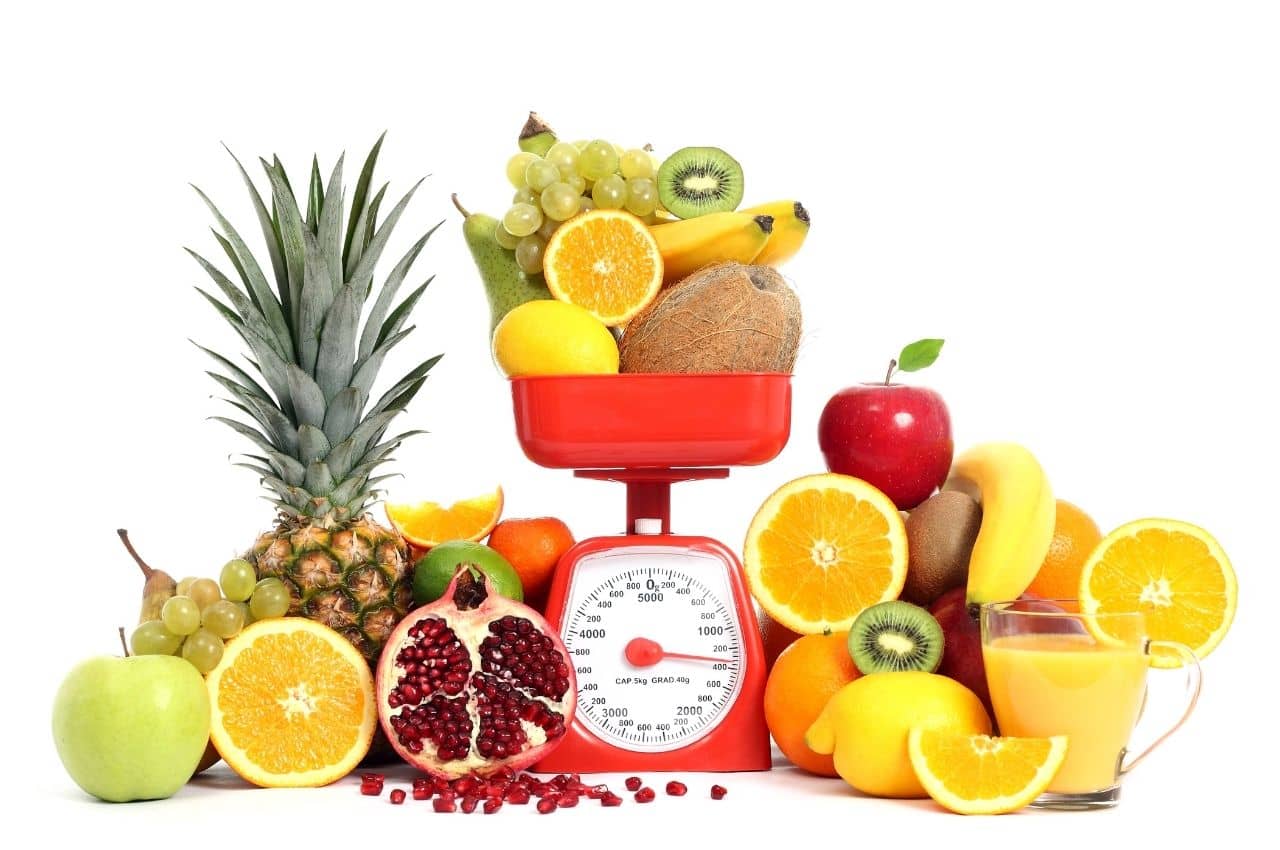
fruits-rich-in-vitamin-C-Nahibu

Where can you find vitamin C?

Plants contain vitamin C. Therefore, regular consumption of fruits and vegetables generally covers your vitamin C needs.

It is also found in certain industrial products under the name ascorbic acid or E300, where it is used as a preservative.

The 10 plants with the highest vitamin C content include:

Acerola cherry

The acerola cherry, more commonly known as the West Indian cherry or acerola, is a plant that comes from Latin America and tropical regions. Acerola produces red cherry berries that are very rich in vitamin C (2850 mg per 100 g). It also contains vitamins B and A and other minerals such as magnesium, potassium, phosphorus, iron, and calcium. In addition to the fruit, it can be found in powdered supplement form, which is made by dehydrating acerola cherry juice.

Guava 

Guava is a fruit from the guava tree that contains an average of 228 mg of vitamin C per 100 g of fruit. It is also rich in vitamin A and polyphenols, which give it antioxidant properties. These three elements combined enable it to significantly protect the body against free radicals and the aging they cause. Finally, due to its high fiber content, guava ensures good digestion.

Blackcurrant

Blackcurrants, the fruit of the blackcurrant bush, are also a significant source of vitamin C. Blackcurrants contain 181 mg of vitamin C per 100 g. They are also a source of vitamin E and minerals such as potassium. The fiber, cellulose, hemicellulose, lignin, and pectin it contains stimulate digestion, promote satiety, and are associated with a reduction in bad cholesterol in the blood. Finally, its low glycemic index does not cause a rapid increase in blood sugar.

Chili pepper

Chili peppers come from a plant in the Solanaceae family. There are several varieties, depending on their color and flavor, which can be more or less pronounced. Among these, we also find sweet peppers. Beyond their spicy flavor, chili peppers have high nutritional value. They are rich in vitamins C, A, B6, E, and K, as well as trace elements such as copper, iron, manganese, magnesium, and potassium. They contain 155 mg of vitamin C per 100 g. Finally, their flavonoid content protects the body against free radicals, while their capsaicin content has a beneficial effect on digestion, inflammation, and infections. They are also associated with increased satiety.

Bell pepper

Whether raw or cooked, bell peppers are also nutritionally beneficial. In addition to being low in calories, they are a source of vitamins A, K, C, and B, minerals, antioxidants, and fiber. This allows them to stimulate the body's immune defenses and, thanks to their fiber content, facilitate digestion. However, when eaten raw, bell peppers can cause reflux and bloating. They contain 126 mg of vitamin C per 100 g.

Brussels sprouts

Brussels sprouts contain 103 mg of vitamin C per 100 g, in addition to remarkable amounts of vitamins B and K and minerals such as calcium and potassium. They also contain antioxidants and fiber. They combat the effects of aging caused by free radicals.

Kiwi

Kiwis are also a source of vitamins C, K, B9, and E, as well as copper and potassium. They contain 81.9 mg of vitamin C per 100 g of fruit. They can therefore play a role in protecting the body against infections and free radicals. In addition, each fruit has a fiber content of approximately 2.4 g.

Strawberry

Strawberries are the ultimate summer fruit with numerous health benefits. In addition to being low in calories (38.6 kcal per 100 g of fruit), they are rich in water and fiber. They stimulate intestinal transit and reduce bloating. They also contain vitamins C (54 mg per 100 g) and B9, as well as minerals such as manganese. Finally, they are a significant source of flavonoids, which give them important antioxidant properties.

Kale

Kale contains 41 mg of vitamin C per 100 g. In addition to being low in calories, it is also rich in minerals, antioxidants, and fiber (4.9 g per 100 g). It promotes digestion and is a real health ally for the body.

Broccoli

Broccoli is packed with vitamins B, C (23.9 mg per 100 g), E, and K, as well as minerals such as potassium, calcium, magnesium, copper, iron, and zinc. It is also rich in antioxidants and fiber, which help regulate digestion and promote satiety. Finally, it contains nearly 90% water and is low in calories.
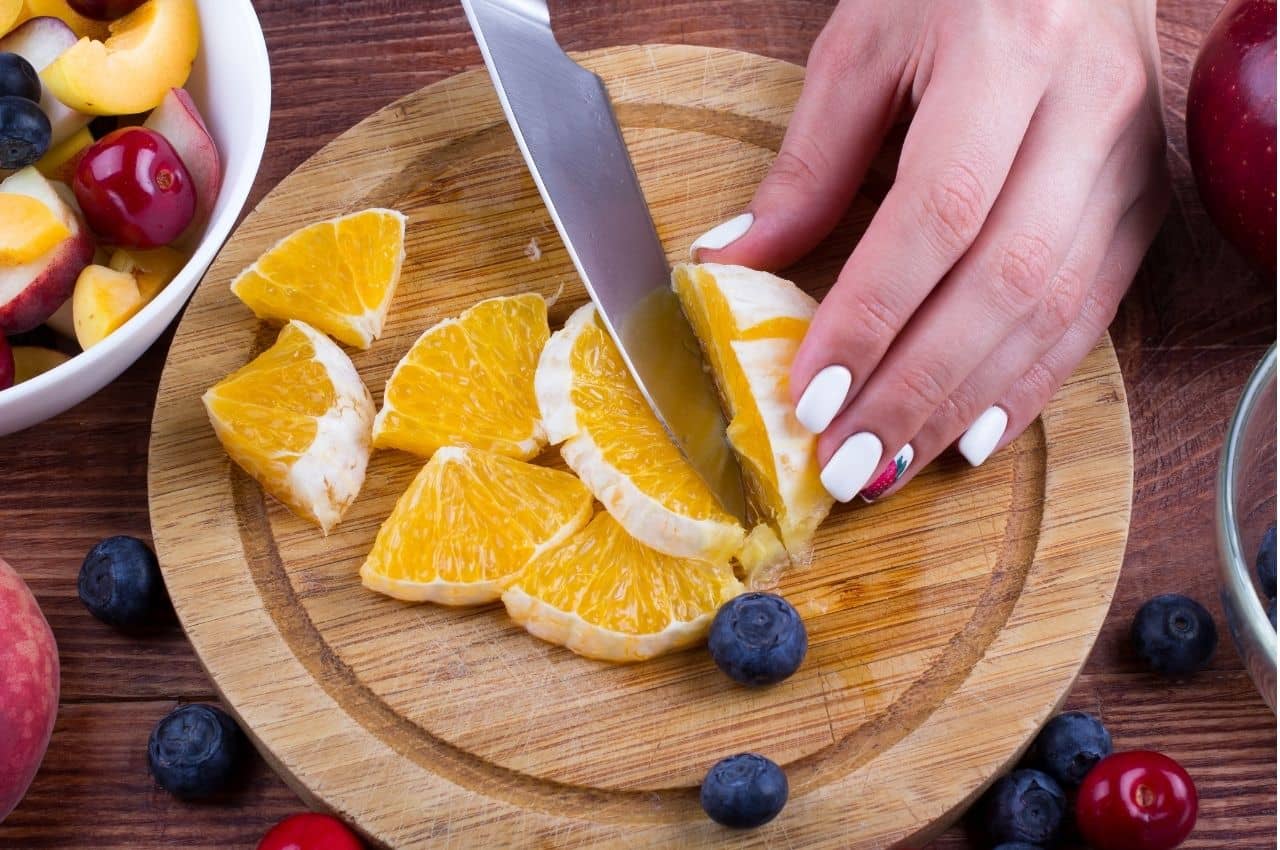
vitamin-C-Nahibu

It is important to note that vitamin C is fragile. It deteriorates quickly when exposed to water, heat, air, and light. To fully enjoy its benefits, it is recommended to consume fruits and vegetables that are as fresh as possible and to avoid long cooking times.

Sources:

Vitamin C or ascorbic acid. ANSES. Available at: https://www.anses.fr/fr/content/vitamine-c-ou-acide-ascorbique

Ciqual. Food composition table. ANSES. Available at: https://ciqual.anses.fr/

Discover more articles on the microbiota.

Partnership between Bio-Recherche and Nahibu

Partnership between Bio-Recherche and Nahibu

Bio-Recherche Laboratories specialize in researching and marketing high-value-added dietary supplements whose effectiveness has been proven by clinical studies, most of which justify prescription by doctors.
Take control of your diet with Shido.
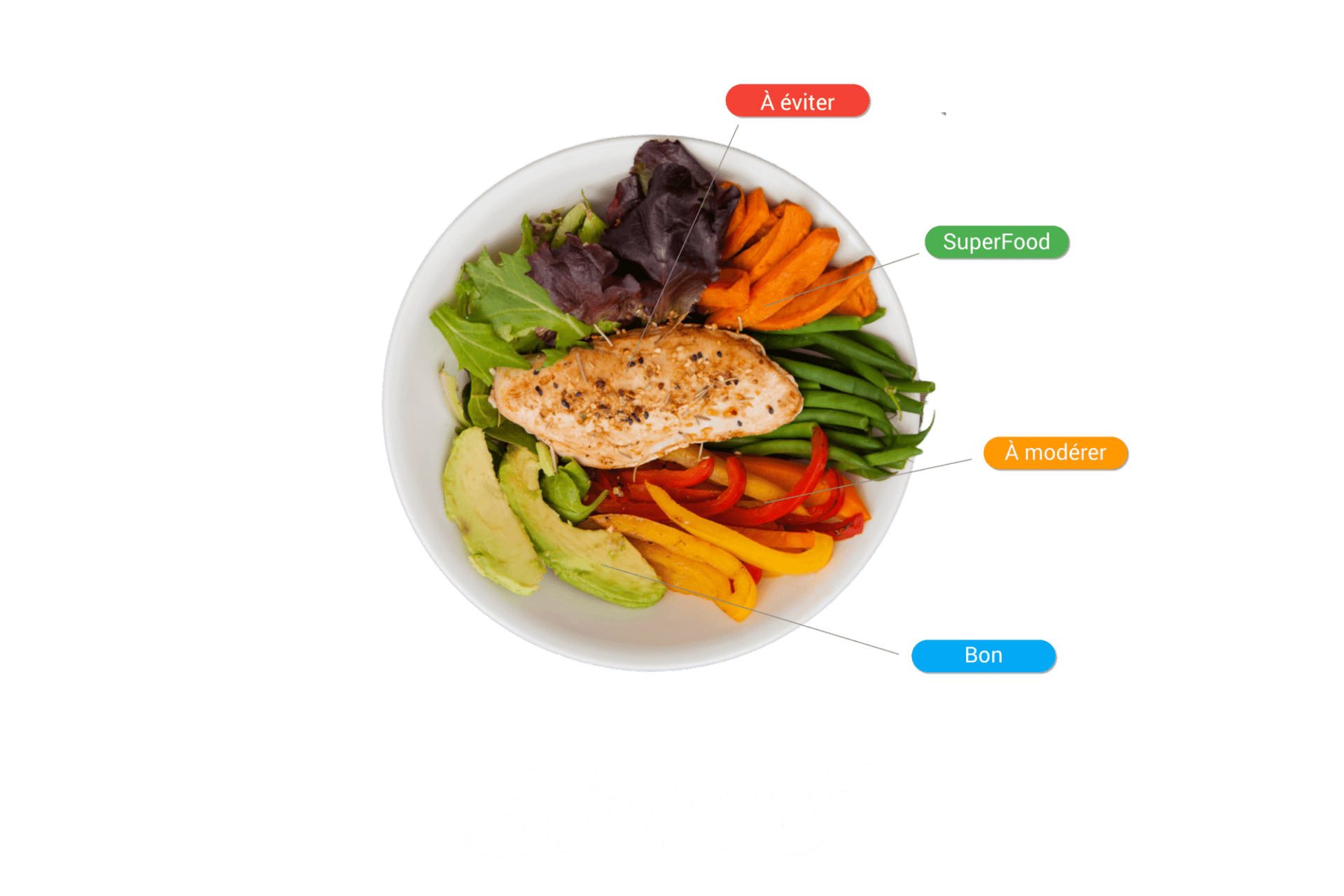
A

Which foods are highest in fiber?

Which foods are highest in fiber?

Which foods are highest in fiber?

Fiber is a complex carbohydrate of plant origin that is neither digested nor absorbed by the body. There are two types of fiber: soluble fiber and insoluble fiber.

Nahibu

What is fiber good for?

Insoluble fiber increases stool volume and stimulates intestinal transit. It promotes satiety. Soluble fiber lowers cholesterol levels and improves carbohydrate absorption. It also reduces blood sugar and insulin levels after meals. Finally, they stimulate the growth of good intestinal bacteria and are associated with a reduced risk of cardiovascular disease.

Nahibu

What are our fiber requirements? 

ANSES recommends consuming 30 grams of fiber per day, equally for men and women. On average, adults consume 17.5 grams of fiber per day. It is therefore important to include fiber-rich foods in your diet to increase your fiber intake.


Nahibu

Where can fiber be found?

Fiber is naturally present in food, but some types of food contain more than others.

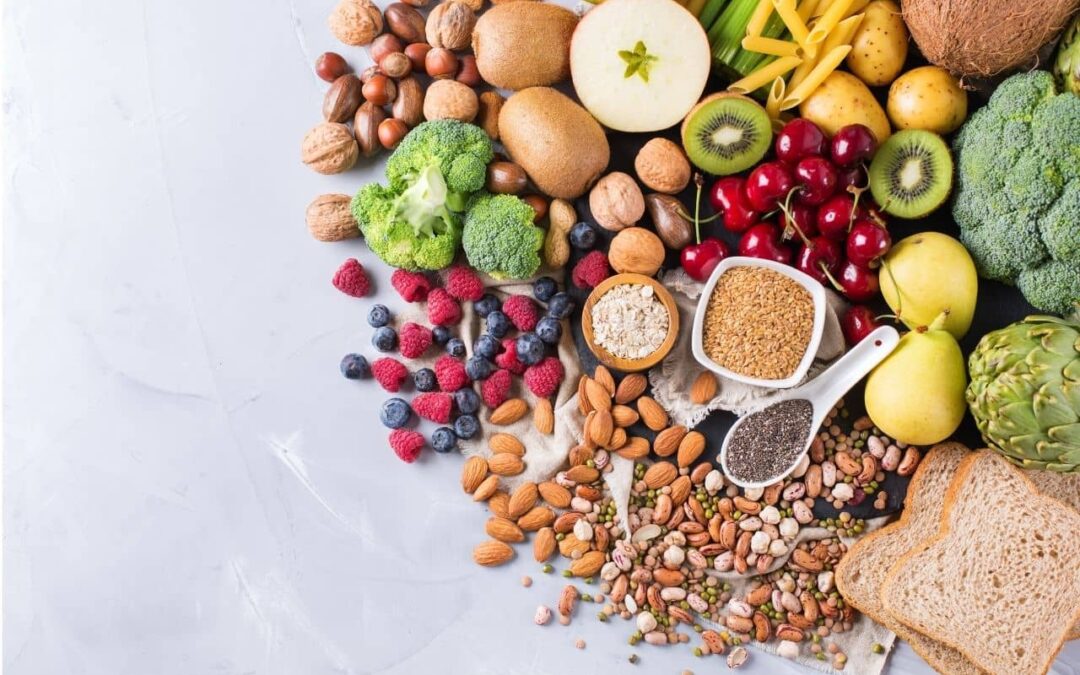
Grains and seeds

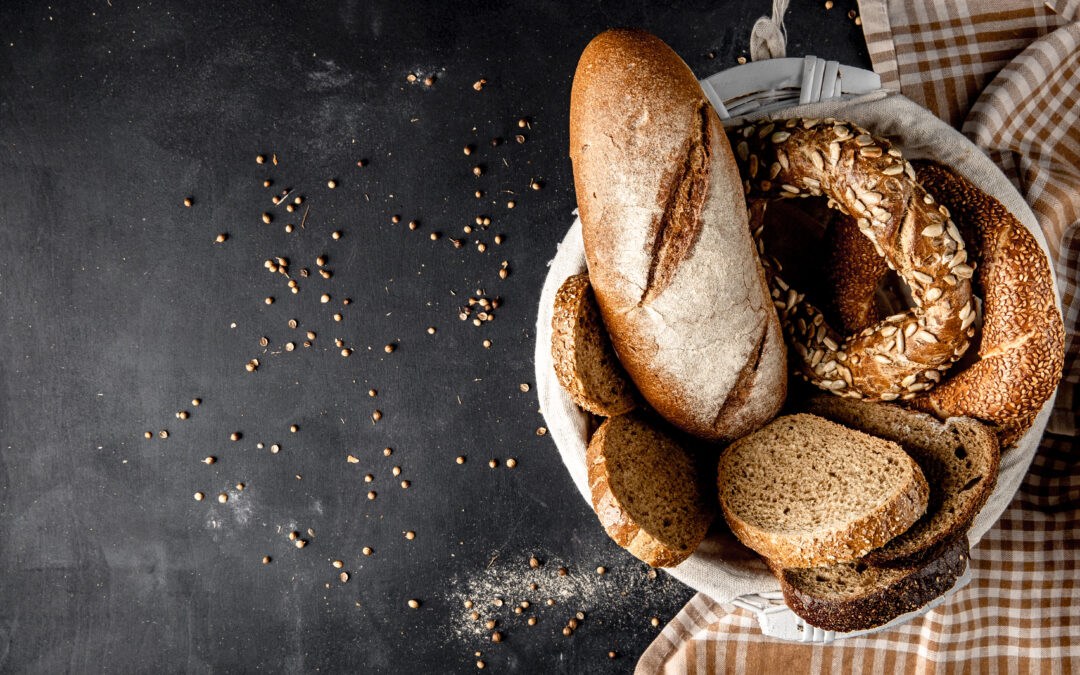
Cereals and seeds are excellent sources of fiber. Corn bran contains 79 grams of fiber per 100 grams and wheat bran contains 42 grams. There is also rice bran (21 grams per 100 grams), oat bran (16.7 per 100 grams), etc. Chia seeds contain 34.4 grams and flax seeds contain 27.3 grams per 100 grams. Bran and other whole grains such as rice and wheat are sources of insoluble fiber and quickly make you feel full by swelling with water during digestion. Oats and barley provide soluble fiber, which helps lower cholesterol. Grains are also important sources of nutrients, carbohydrates, protein, and minerals. They are a significant source of energy for our bodies.

Spices and herbs

Spices and herbs are also important sources of fiber. Curry, cinnamon, oregano, coriander, and herbes de Provence provide more than 40 grams of fiber per 100 grams. They are rich in minerals, vitamins, and antioxidants such as polyphenols and curcumin, which protect the body against premature cell aging and the risk of certain cancers. Finally, they promote satiety and have anti-inflammatory properties. Don't hesitate to add them to your dishes.

Legumes

When cooked in water, legumes (red beans, white beans, lentils, etc.) contain an average of 15 grams of fiber per 100 grams. They are rich in vegetable protein, vitamins, and minerals such as iron, magnesium, phosphorus, and potassium. Legumes are commonly used as a partial substitute for meat in meat-free diets.

dried

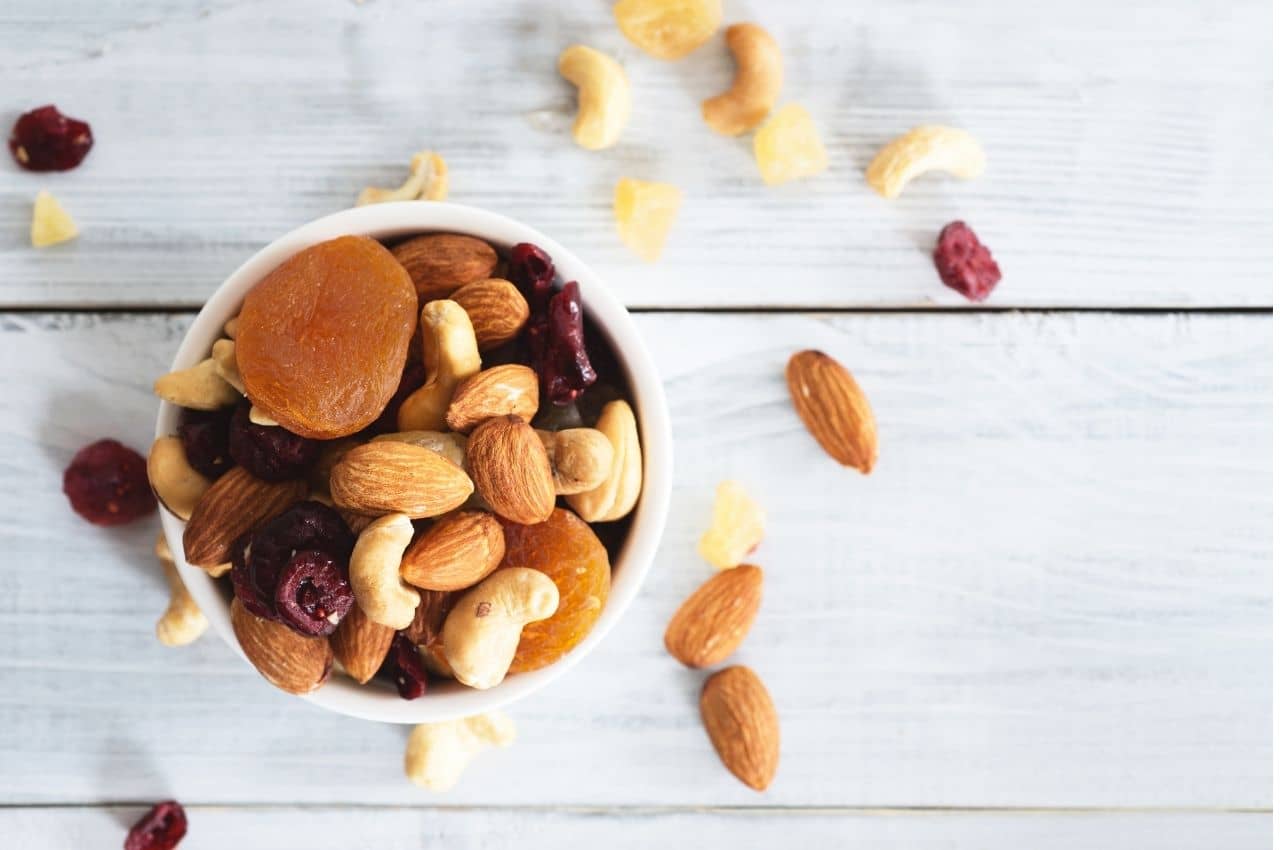
Dried fruit

Nuts (almonds, hazelnuts, walnuts, pistachios, etc.) are also particularly rich in fiber, with an average content of 11 grams of fiber per 100 grams. They provide nutrients, healthy fats, vitamins, minerals, and antioxidants. Last but not least, they are associated with a reduction in cholesterol and the risk of cardiovascular disease. They are an excellent choice for snacks.

Fruits and vegetables

Finally, fruits and vegetables are significant sources of soluble and insoluble fiber. Among the vegetables richest in fiber are peas (5.5g/100g), spinach (3.5g/100g), green beans (3.3g/100g), celery (2.6g/100g), turnips (2.2g/100g), cauliflower (2g/100g) and, for fruit, raspberries (4.3g/100g), strawberries (3.8g/100g), apples (2.9g/100g), pears (2.9g/100g) and bananas (2.7g/100g). In addition to fiber, fruits and vegetables are also excellent sources of minerals and vitamins that are essential for the body.

Conclusion

In conclusion, fiber is a real health ally that is important to include in your diet. You should increase your intake gradually. However, you should not overdo it, as excess fiber can cause digestive problems such as flatulence, bloating, diarrhea, etc. It is therefore important to find the right balance.

Sources:

Dietary fiber. ANSES. Available at: https://agriculture.gouv.fr/sites/minagri/files/documents/pdf/Recommandation_GTFibres_VF_cle44b3dd.pdf

Ciqual. Food composition table. ANSES. Available at: https://ciqual.anses.fr/#/constituants/34100/fibres-alimentaires-(g-100-g)

Nutritional references for protein, fat, carbohydrates, and fiber (adults and seniors). CERIN. https://www.cerin.org/rapports/references-nutritionnelles-proteines-lipides-glucides-fibres-adultes-personnes-agees/


Discover more articles on the microbiota.

Partnership between Bio-Recherche and Nahibu

Partnership between Bio-Recherche and Nahibu

Bio-Recherche Laboratories specialize in researching and marketing high-value-added dietary supplements whose effectiveness has been proven by clinical studies, most of which justify prescription by doctors.

Take control of your diet with Shido.
A

High-fiber bread to improve your gut microbiota?

High-fiber bread to improve your gut microbiota?

High-fiber bread to improve your gut microbiota? A study backs this up. 

Cardiometabolic diseases, which include cardiovascular diseases and metabolic diseases such as high blood pressure and obesity, are affecting more and more people around the world. They are exacerbated by smoking, excessive alcohol consumption, a sedentary lifestyle, and an unbalanced diet (1,2). Certain parameters are disrupted in these diseases, such as cholesterol levels, and can lead to premature death (3,4,5). It is important to prevent these diseases, but also to monitor the associated blood parameters in order to normalize them. In this article, we will see how increasing fiber consumption through enriched bread can have a beneficial effect on cardiometabolic risk by modifying blood test results and the composition of the microbiota in high-risk individuals.


What are the benefits of a high-fiber diet?

A scientific study published in the journal Gut Microbes in March 2022 demonstrated the positive effect of dietary fiber diversity on the regulation of certain blood parameters, including fat profile, in people at high risk of developing cardiometabolic diseases (6).

This study, led by INRAE (French National Research Institute for Agriculture, Food and the Environment) and CRNH (Center for Research in Human Nutrition), tested the effect of a multi-fiber bread, containing a mixture of soluble and insoluble fibers, on subjects with a high cardiometabolic risk. It highlighted an improvement in blood cholesterol levels, LDL cholesterol (commonly known as bad cholesterol), insulin levels, and HOMA (which is used to calculate insulin resistance), as well as changes in the composition of the gut microbiota, in just two months in a population at high cardiometabolic risk.

The 39 subjects monitored (22 women and 17 men) all consumed conventional bread and bread enriched with multiple fibers. Numerous parameters were measured before and after bread consumption in these individuals to assess the effect of enrichment with various fibers. Analysis of the data showed that only fiber-enriched bread altered the composition of the gut microbiota and certain blood values. Indeed, the levels (relative abundance) of specific bacterial species changed after two months of consuming fiber-enriched bread. Conversely, consumption of conventional white bread did not alter the presence of gut bacteria.

In addition to the composition of the gut microbiota, consumption of multi-fiber bread improved certain blood parameters such as total cholesterol, LDL cholesterol, insulin levels, and the HOMA index of insulin resistance. These parameters are disrupted in people with high cardiometabolic risk. The observed decrease in cholesterol levels could be due to an increase in the presence of the bacterium Parabacteroides distasonis with the consumption of multifiber bread. This bacterium can modify bile acids, which are involved in cholesterol production.


Why is fiber important for the gut microbiota?

The gut microbiota is the collection of microorganisms, mainly bacteria, present in the intestine. It was formerly known as the intestinal flora. These microorganisms are present in increasing concentrations from the stomach to the colon (large intestine). We now know that they influence how our bodies function, including digestion, sleep, stress, immunity, and much more. The hundreds of billions of intestinal bacteria that we host contribute to our well-being. It is therefore important to take care of them and promote their diversity and balance, as depleted or unbalanced intestinal flora increases the risk of developing certain chronic diseases.

The study cited above demonstrates the beneficial effect of consuming bread rich in various fibers on certain blood values in people at high cardiometabolic risk. This improvement is accompanied by changes in the composition of the gut microbiota.

Why is fiber important for the gut microbiota and, more generally, for health, as this study shows? Are all fibers equal?

Plant fibers are compounds that are indigestible by humans, mainly found in fruits, vegetables, whole grains, and legumes. There are soluble fibers and insoluble fibers. Both have important and complementary roles. To put it simply, soluble fibers feed the gut microbiota, while insoluble fibers stimulate intestinal transit.

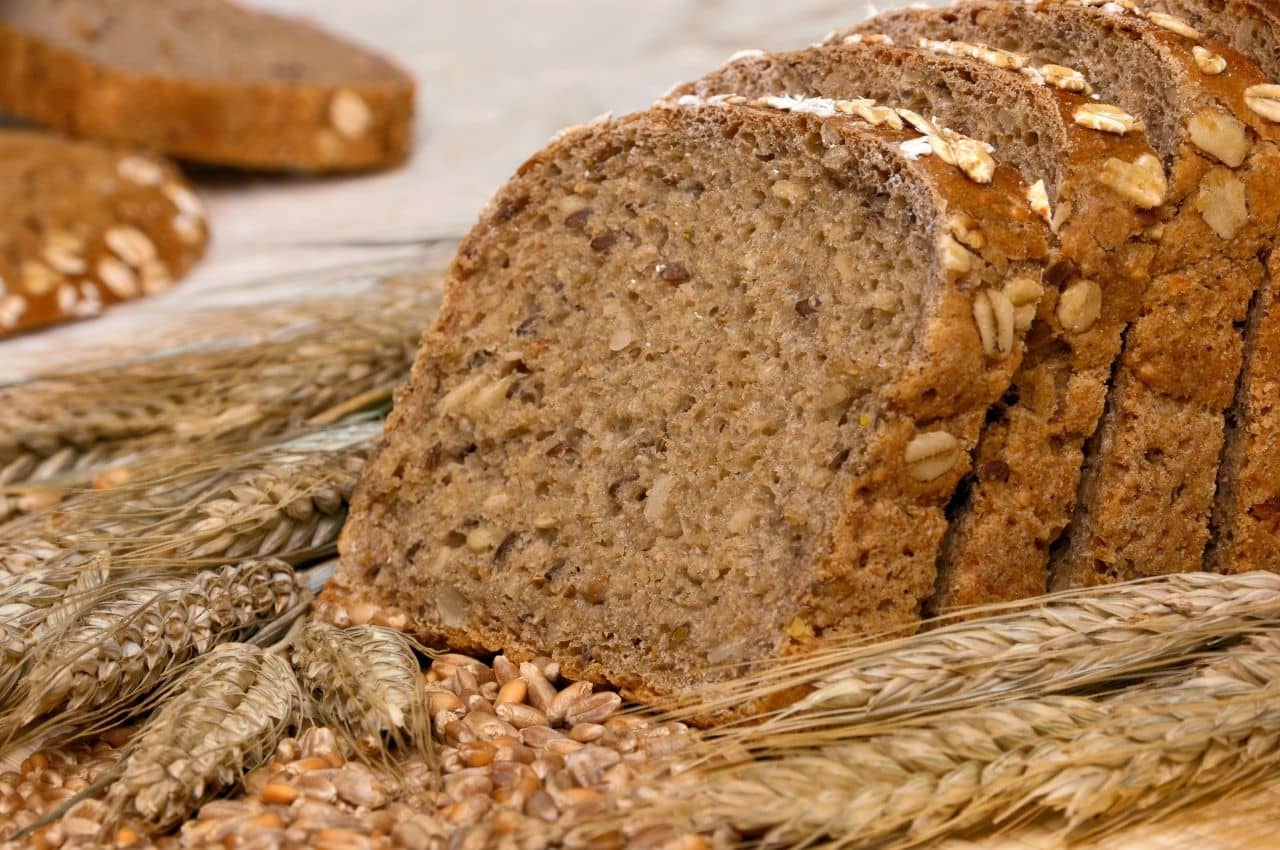
High-fiber

How can you increase your fiber intake?

ANSES (the French Agency for Food, Environmental and Occupational Health & Safety) recommends consuming around 30 grams of fiber per day. However, the average French person consumes just 20 grams (7). It is therefore important to enrich our diet with fiber-rich foods such as whole grains, legumes, and vegetables. However, it can be difficult to incorporate more fiber into your diet. One simple way to do this is to choose an everyday product, such as high-fiber bread.

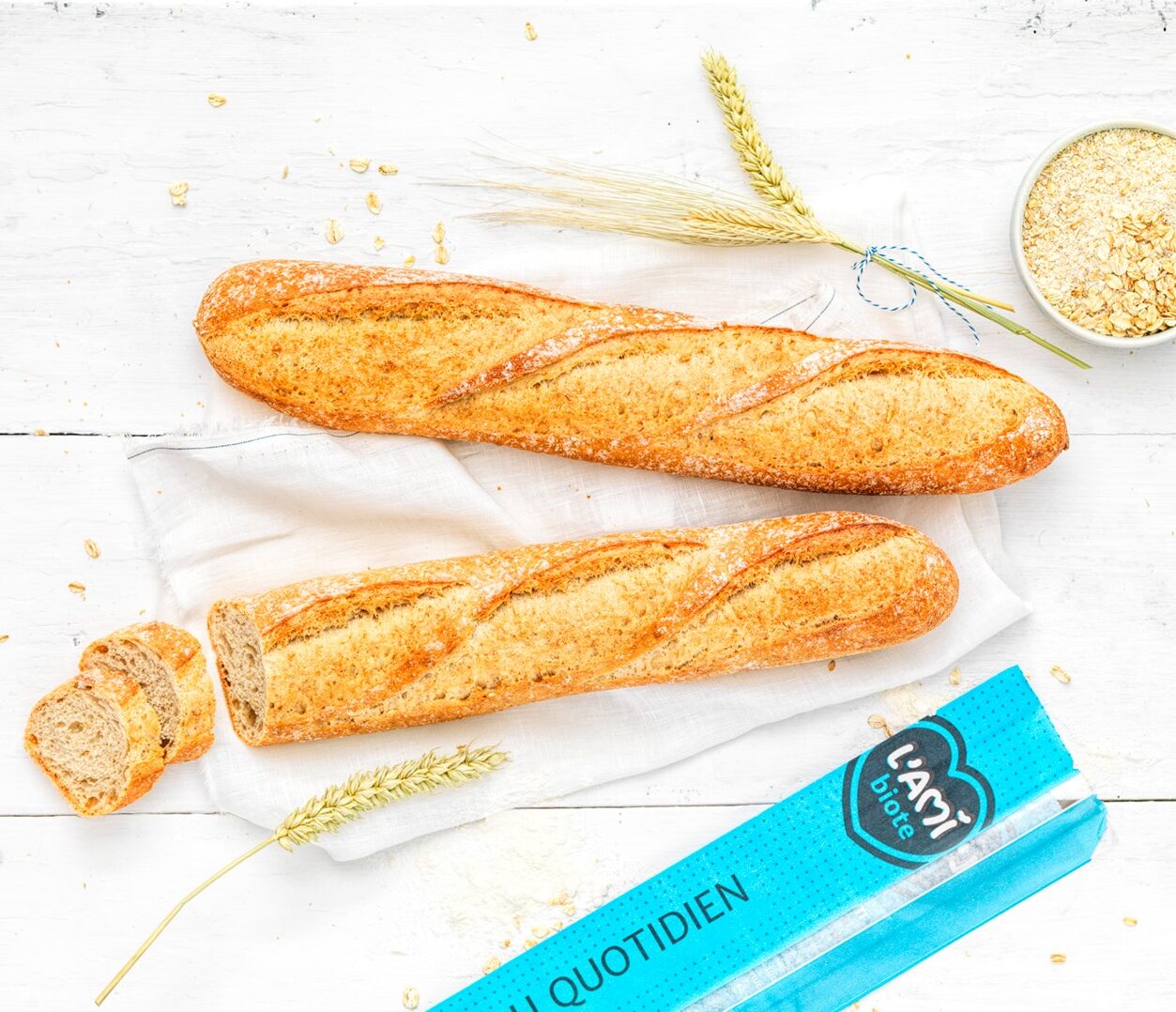
In fact, it was a fiber-enriched bread that was tested in the study conducted by INRAE and CRNH Rhône Alpes. The bread studied provides a significant amount and variety of fiber thanks to a blend of seven soluble and insoluble plant fibers. This makes the bread three times richer in fiber than a traditional baguette (which contains 3.8 g of fiber per 100 g of bread) (8).

The effects of fiber-enriched bread proven by study

Eating a sufficient amount of varied fiber every day is important for stimulating the growth of different types of bacteria in the gut microbiota, so it is necessary to vary the sources of fiber.

The INRAE study (6) tested the effectiveness of a commonly consumed product. This bread, enriched with seven types of fiber, had an effect on the gut microbiota by modifying the presence of certain bacterial species and also regulated cholesterol and insulin levels and the HOMA index of insulin resistance. It reminds us of the important role that consuming a variety of plant fibers plays in our health.

 Sources: 

1. Tahira Farooqui. Chapter 10 – Link between gut microbiome and cardiometabolic diseases. Gut Microbiota in Neurologic and Visceral Diseases, 2021, Pages 185-205. https://doi.org/10.1016/B978-0-12-821039-0.00013-7
2. Gundu HR Rao. Cardiometabolic Diseases: A Global Perspective. Journal of Cardiology and Cardiovascular Therapy, Volume 12, Issue 2, 2018
3. Richard Kones & Umme Rumana. Cardiometabolic diseases of civilization: history and maturation of an evolving global threat. An update and call to action. Annals of Medicine, Volume 49, 2017 – Issue 3. https://doi.org/10.1080/07853890.2016.1271957
4. Joseph Fomusi Ndisang and Sharad Rastogi. Cardiometabolic Diseases and Related Complications: Current Status and Future Perspective. BioMed Research International Volume 2013.
5. Nilay S. Shah, Donald M. Lloyd-Jones, Martin O’Flaherty, Simon Capewell, Kiarri Kershaw, Mercedes Carnethon, and Sadiya S. Khan. Trends in Cardiometabolic Mortality in the United States, 1999-2017. JAMA. 2019 Aug 27; 322(8): 780–782.
6. Ranaivo H, Thirion F, Béra-Maillet C, Guilly S, Simon C, Sothier M, Van Den Berghe L, Feugier-Favier N, Lambert-Porcheron S, Dussous I, Roger L, Roume H, Galleron N, Pons N, Le Chatelier E, Ehrlich SD, Laville M, Doré J, Nazare JA. Increasing the diversity of dietary fibers in a daily-consumed bread modifies gut microbiota and metabolic profile in subjects at cardiometabolic risk. Gut Microbes. 2022 Jan-Dec;14(1):2044722. doi: 10.1080/19490976.2022.2044722. PMID: 35311446; PMCID: PMC8942430.
7. https://www.anses.fr/fr/content/inca-3-evolution-des-habitudes-et-modes-de-consommation-de-nouveaux-enjeux-en-mati%C3%A8re-de#:~:text=Fiber%20intake%20
8. https://ciqual.anses.fr/

Discover more articles on the microbiota.

Partnership between Bio-Recherche and Nahibu

Partnership between Bio-Recherche and Nahibu

Bio-Recherche Laboratories specialize in researching and marketing high-value-added dietary supplements whose effectiveness has been proven by clinical studies, most of which justify prescription by doctors.

Take care of your microbiota with Nahibu.

A balanced diet: the key to taking care of your microbiota

A balanced diet: the key to taking care of your microbiota

A balanced diet: the key to taking care of your gut microbiota

As you know, health starts with nutrition. Successfully implementing a balanced diet over the long term is already a big step toward taking care of your microbiota and your overall health. By also getting enough sleep and exercising regularly, you create a virtuous cycle.

How can you achieve a balanced diet?

Ideally, you should consult a dietitian who can recommend a diet tailored to your needs. But we're going to share with you the basics of a balanced diet that you can start implementing right away.

First, it is advisable to divide your food intake into three meals (breakfast, lunch, and dinner) and one or two snacks.

Your breakfast can be savory or sweet and should include a whole grain product (oatmeal, whole wheat bread, muesli, etc.), fresh seasonal fruit, a serving of nuts (almonds, walnuts, hazelnuts, or their purée form), and possibly a dairy product or plant-based alternative (almond milk, soy yogurt, vegan cheese, etc.). 

Ideally, your lunch and dinner plates should contain ¼ animal or plant protein (meat, fish, eggs, tofu, tempeh, seitan), ¼ whole grains (pasta, rice, millet, einkorn wheat, lentils, chickpeas, bread, etc.), ½ vegetables, and one serving of vegetable oil. Ideally, you should choose raw products that you can cook yourself, sourced from organic, seasonal, and local farms. 

Snacks can be savory or sweet, depending on the rest of your meals: fresh fruit and nut butter, a small cheese and vegetable sandwich, or fruit compote and a square of dark chocolate with a handful of nuts.


Balanced

Make Me Healthy, the dietary rebalancing specialist

Make Me Healthy specializes in nutritional rebalancing. Their team of passionate dietitians supports many patients in their journey. The goals may vary: weight loss/gain, weight stabilization, medical conditions, pregnancy… but the basis remains the same: taking care of their health. 

Establishing a balanced diet means providing your body with everything it needs to function properly, while still enjoying what you eat so that you can maintain this new lifestyle in the long term. This is an extremely important point. It is a new lifestyle that you will establish with your dietitian, and the goal is to anchor your new habits in a routine that suits you, which means no restrictions. Forget about diets; Make Me Healthy is here to support you in rebalancing your diet.

More specifically, while providing your body with high-quality foods (raw, organic, seasonal, and local), as you may already be doing, is excellent, it is important that the portions in each food category are tailored to your needs and that the macronutrient distribution is correct. The same applies to micronutrients: it is essential that they meet your needs. 

To do this, you can consult a dietitian who will calculate your energy requirements based on your basal metabolic rate, age, gender, weight, height, physical activity, etc. At Make Me Healthy, our team of dietitians also takes into account your current diet, based on your food logs and a comprehensive dietary assessment, to offer you a tailored nutrition plan. They then ensure a good balance of macronutrients and micronutrients and proceed with the appropriate portioning.

Don't worry, for you this translates into a dietary program that tells you the quantities of different food categories to consume at each meal (breakfast, lunch, dinner, and snack(s)). And even better, you'll find more than 700 recipes on their app to make it even easier to follow your dietary program. All you have to do is follow the recipe using your measurements.


Tailored dietary programs

In addition to your dietary program, follow-up consultations allow your dietitian to adapt your dietary program based on how you feel, your progress toward your goal, and, of course, to answer any questions you may have during the follow-up. 

From the very first week, their patients feel positive effects on their digestive system: reduced or even eliminated bloating, a flatter stomach, regulated bowel movements… One thing is certain, your microbiota will thank you. Once a balanced diet is in place, Make Me Healthy recommends a probiotic treatment, to be taken at least once a year, to restore your intestinal flora.

Then, within a few weeks, you will see an improvement in the quality of your skin and hair, and above all, your energy levels will skyrocket! 

Thanks to the partnership between Nahibu and Make Me Healthy, we are offering you exceptional discounts on consultation packages with our team of dietitians: 

  • 5 euro discount on the 3-consultation package with the code NAHIBU5
  • 10 euro discount on the 8-consultation package with the code NAHIBU10
  • 15 euro discount on the 12-consultation package with the code NAHIBU15

The dietary consultations offered by Make Me Healthy may be covered by your health insurance or supplemental health insurance. Feel free to send them a quote to find out how much you can be reimbursed.

Nutrition is the first step to taking care of yourself.😉


Discover more articles on the microbiota.

Partnership between Bio-Recherche and Nahibu

Partnership between Bio-Recherche and Nahibu

Bio-Recherche Laboratories specialize in researching and marketing high-value-added dietary supplements whose effectiveness has been proven by clinical studies, most of which justify prescription by doctors.

Take care of your microbiota with Nahibu.

What to do (and avoid) before the gut microbiota test

What to do (and avoid) before the gut microbiota test

Preparing for a microbiome test: the essentials

The gut microbiota is a fragile ecosystem: its composition is strongly influenced by our lifestyle and, more specifically, our diet.
When undergoing a microbiota test, what you eat or take in the days leading up to your sample collection can have a significant impact on the results.

It is therefore essential to prepare well in order to maximize the quality of the sample and make the analysis as representative as possible. In this article, find out what to do (and what to avoid) before taking your at-home microbiota test with the Nahibu gut microbiota analysis kit. With this guide, you will optimize the reliability of your gut assessment and ensure that the results reflect the true state of your microbiota.

Why preparation matters

Microbiome tests are essentially based on the analysis of a stool sample at a given moment in time: it is a snapshot of your gut flora.
Certain foods, supplements, or medications can alter the composition of the microbiota in the short or long term, or directly interfere with the analysis. For example, probiotics, antibiotics, and laxatives can alter the results.
Therefore, neglecting to prepare properly can affect the accuracy of the test and make the nutritional recommendations less relevant.

What to avoid before the sample is taken

Here are the main pitfalls to avoid in the days (or weeks) leading up to your test:

Test-microbiote-nahibu

Antibiotics, antifungals, antiparasitics

The role of antibiotics, antifungals, and antiparasitics is to eliminate pathogenic microorganisms responsible for infections. However, by targeting these infectious agents, they inevitably impact the commensal flora.
Taking antimicrobials is therefore a major bias in the analysis of the microbiota. It is therefore preferable to wait a certain amount of time after treatment before taking a sample. It takes about 2 to 3 months for the microbiota to return to complete balance. Nevertheless, to obtain results that are already representative, a period of 4 to 6 weeks after the end of treatment is recommended.

Use of medications

Many non-antimicrobial medications can also disrupt the microbiota. This is the case with certain anti-inflammatory drugs (NSAIDs), proton pump inhibitors (PPIs), antidiabetic drugs (metformin), laxatives, psychotropic drugs, etc.
It is generally recommended to wait 2 to 3 weeks before taking a sample.
For long-term treatments, do not stop your treatment without medical advice. Repeated enemas can also be
aggressive for the microbiota. Again, a delay of at least 4 weeks may be necessary before performing the test.

Probiotics and prebiotics

Biotic substances (probiotics, prebiotics, postbiotics, and synbiotics) aim to support the balance of the microbiota by optimizing its ecosystem. Consuming them therefore has a natural effect on its composition.
If you want to know the state of your microbiota without the recent influence of these biotic substances, it is recommended that you stop taking them 1 to 2 weeks before the sample is taken.
However, if your goal is to evaluate their effects on the microbiota, you can continue to use them.
Foods rich in probiotics (yogurt, kefir, sauerkraut, kimchi, kombucha, etc.) can also alter the microbial composition, so it is best to avoid consuming them in the days leading up to the sample collection.


Drastic dietary changes

Avoid making drastic changes to your diet just before the test, such as a very cleansing diet or prolonged fasting. It is advisable to maintain your usual diet, even if it is specific (low FODMAP, ketogenic, etc.), for at least one week before the sample is taken.
If you have recently moved, returned from a trip abroad, or changed your eating habits, this may disrupt your microbiota and make the sample less representative.

microbiota-intestinal-probiotic

What to do (good habits) before the test

Maintain your usual habits (as far as possible)

Keep up your eating habits and make sure you drink enough water: staying well hydrated promotes bowel movements and makes the sample collection easier.
Continue taking your medication or supplements if necessary; never stop a regular treatment without medical advice.

Track your symptoms and diet

It may be helpful to note your diet, digestive symptoms, and activities for 1 to 2 weeks prior to the test. This information makes it easier to interpret the results and helps connect certain habits to your microbial profile.

The quality of the sample directly affects the quality of the analysis. Proper preparation ensures an accurate picture of your microbiota, without bias related to diet, supplements, or recent treatments.

Follow the test protocol

Following the collection instructions is essential to ensure that the sample is compliant and, therefore, that the results are reliable.
Carefully read the instructions provided in the kit: use of the tube, stool collector (feces catcher), packaging, shipping time, etc. Nahibu provides all the necessary materials and precise instructions in its gut microbiota test kit.
Choose a quiet moment when you are relaxed to take the sample. A calm environment reduces the risk of error and contamination.
Pack the sample correctly in the items provided (shuttle pouch, prepaid envelope, etc.) to ensure its safety and stability during shipping.
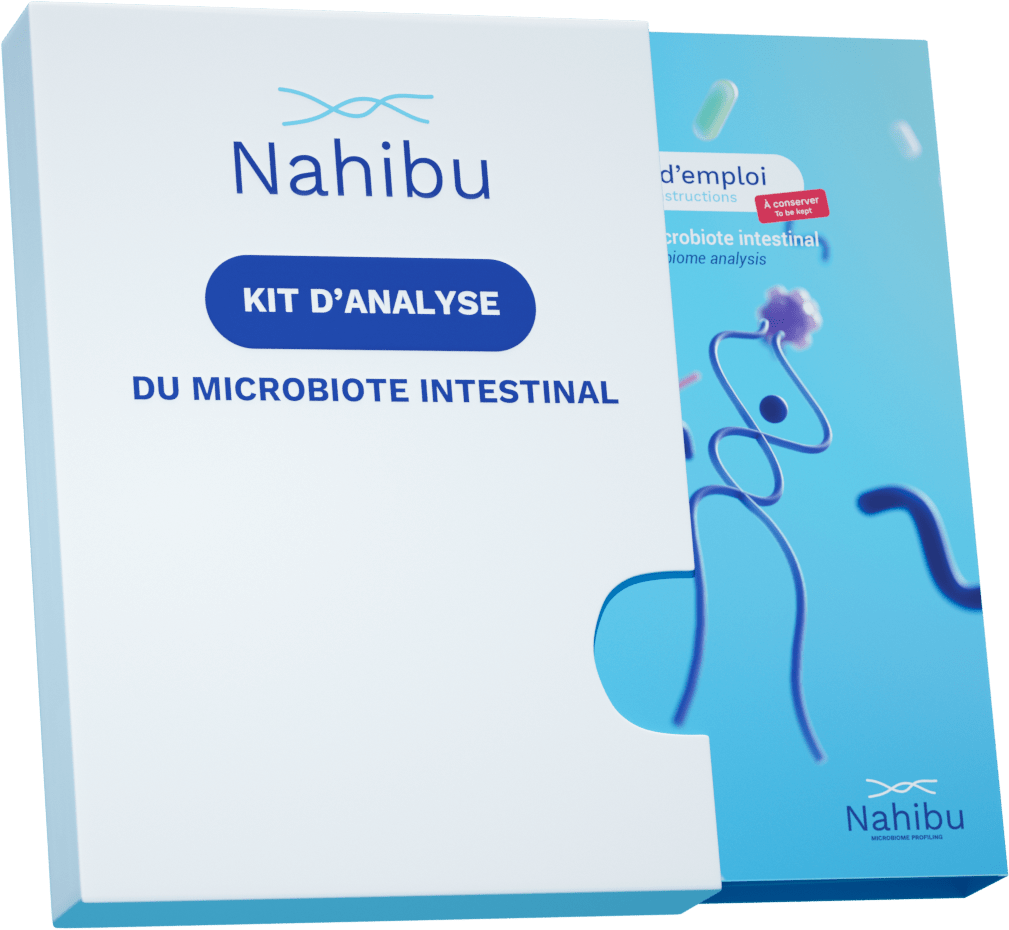
The tube provided in the Nahibu kit contains a DNA stabilizer that allows the sample to be stored at room temperature until it is received by our laboratory. It is essential not to empty the tube.

When should you postpone your test?

Here are some situations in which it is best not to take the sample immediately, but to postpone it:

  • You have an acute intestinal infection, diarrhea, or severe digestive symptoms
  • You have just undergone medical treatment: wait long enough (e.g., 4–6 weeks for antibiotics) to allow your microbiota to recover.
  • You have had a colonoscopy
  • You have recently made significant changes to your diet (new diet, fasting, supplementation, etc.): it is best to return to your normal diet for a few days so that the sample is representative.
  • You have recently traveled, especially abroad, or undergone significant changes in your routine: your microbiota may be out of its usual routine.

Specific features of the Nahibu kit

The Nahibu gut microbiota analysis kit is designed for home sampling and includes a stool collector (feces catcher), a tube with DNA stabilizer, and a prepaid envelope for shipping.
Nahibu uses shotgun metagenomic sequencing, which allows for a very detailed analysis of your microbiota. To ensure reliable results, it is essential that the sample is of good quality.
If you are undergoing treatment or taking supplements, it may be useful to consult a professional or contact the Nahibu team to find out if any adjustments are necessary before the test. You can then enter this information in the online questionnaire.

Take care of your microbiota with Nahibu.

FAQ

Should I stop taking probiotics before my test?

Yes, usually 1 to 2 weeks before taking the test, but it depends on the protocol. Some laboratories require you to stop, while others tolerate regular intake if it is part of your routine.

How long should you wait after taking antibiotics before taking the test?

It is generally recommended to wait 4 to 6 weeks after your last antibiotic, to give your microbiota time to recover.

Can I take the test if I travel or change my diet often?

It is best to postpone the test if you have recently changed your eating habits, returned from a trip, or if your routine has changed significantly: these disruptions can make the sample less representative.

How can I ensure that my sample is not contaminated?

Use the items provided in the kit, follow the instructions carefully (do not let the tube touch the toilet water, pack the sample securely), and return it quickly according to the instructions.

Can my usual medications affect the test results?

Certain medications (anti-inflammatories, laxatives, etc.) can affect the microbiota or the sample. Check the instructions in the kit and, if necessary, ask a professional or the Nahibu team for advice.

Conclusion:

Proper preparation is essential for obtaining a reliable and useful microbiota analysis. By avoiding interferences such as antibiotics, probiotics, or drastic dietary changes, and by following the kit's protocol (collection, packaging, shipping), you can ensure the quality of your sample.
With the Nahibu gut microbiota test, which includes a home collection kit and analysis based on shotgun metagenomic sequencing technology, you get an accurate and comprehensive analysis. 📊
Take action now: carefully prepare your sample, send it in, and then use your report to better understand your microbiota and benefit from Nahibu's personalized nutritional recommendations.

Sources and references used: 

This article is based on recommendations from several laboratories specializing in gut microbiota analysis and best practices for sampling:

  • Vibrant Wellness – Gut Zoomer test preparation instructions
  • MyMicroZoo – Recommendations before a microbiome test
  • HealthPath – Sample collection guide for gut tests
  • Amanda Nutrition – Tips for the Complete Microbiome Stool Test
  • The Health Feed – General information on at-home microbiota testing
  • Lepivits – Overview of the Nahibu kit, including collector and DNA stabilization
  • Nahibu – Documentation on shotgun metagenomic sequencing and the kit protocol

Take care of your microbiota with Nahibu.

Discover more articles on the microbiota.

Partnership between Bio-Recherche and Nahibu

Partnership between Bio-Recherche and Nahibu

Bio-Recherche Laboratories specialize in researching and marketing high-value-added dietary supplements whose effectiveness has been proven by clinical studies, most of which justify prescription by doctors.

Take care of your microbiota with Nahibu.