What is the gut microbiota?

What is the gut microbiota?

What is the gut microbiota?

What is the microbiota?

General definition of microbiota 

Microbiota is a collection of microorganisms (viruses, bacteria, archaea, fungi) living in a specific environment. There are different types of microbiota in the human body: skin, vaginal, intestinal, pulmonary, etc.

General definition of the intestinal microbiota 

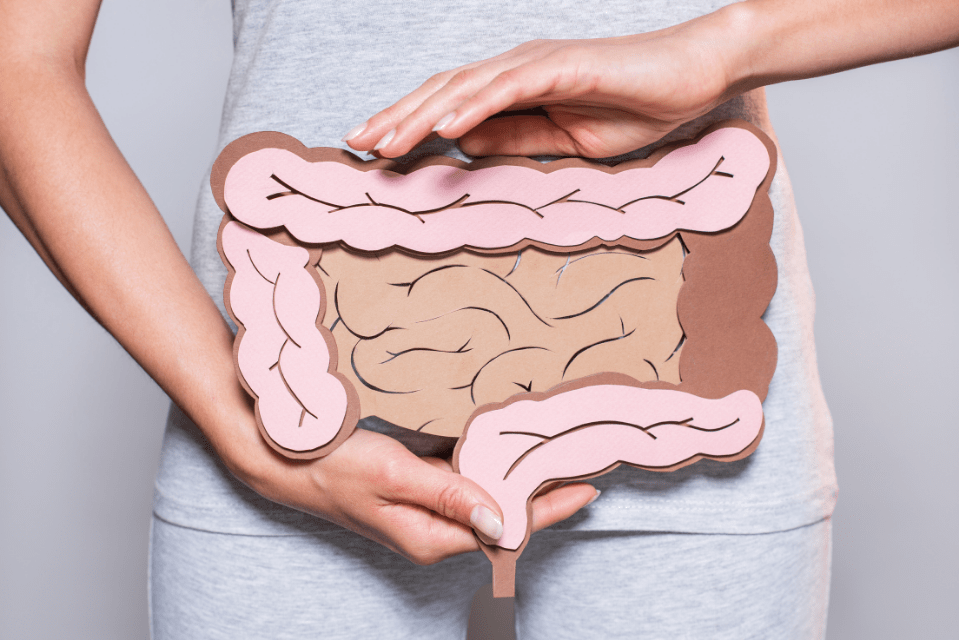
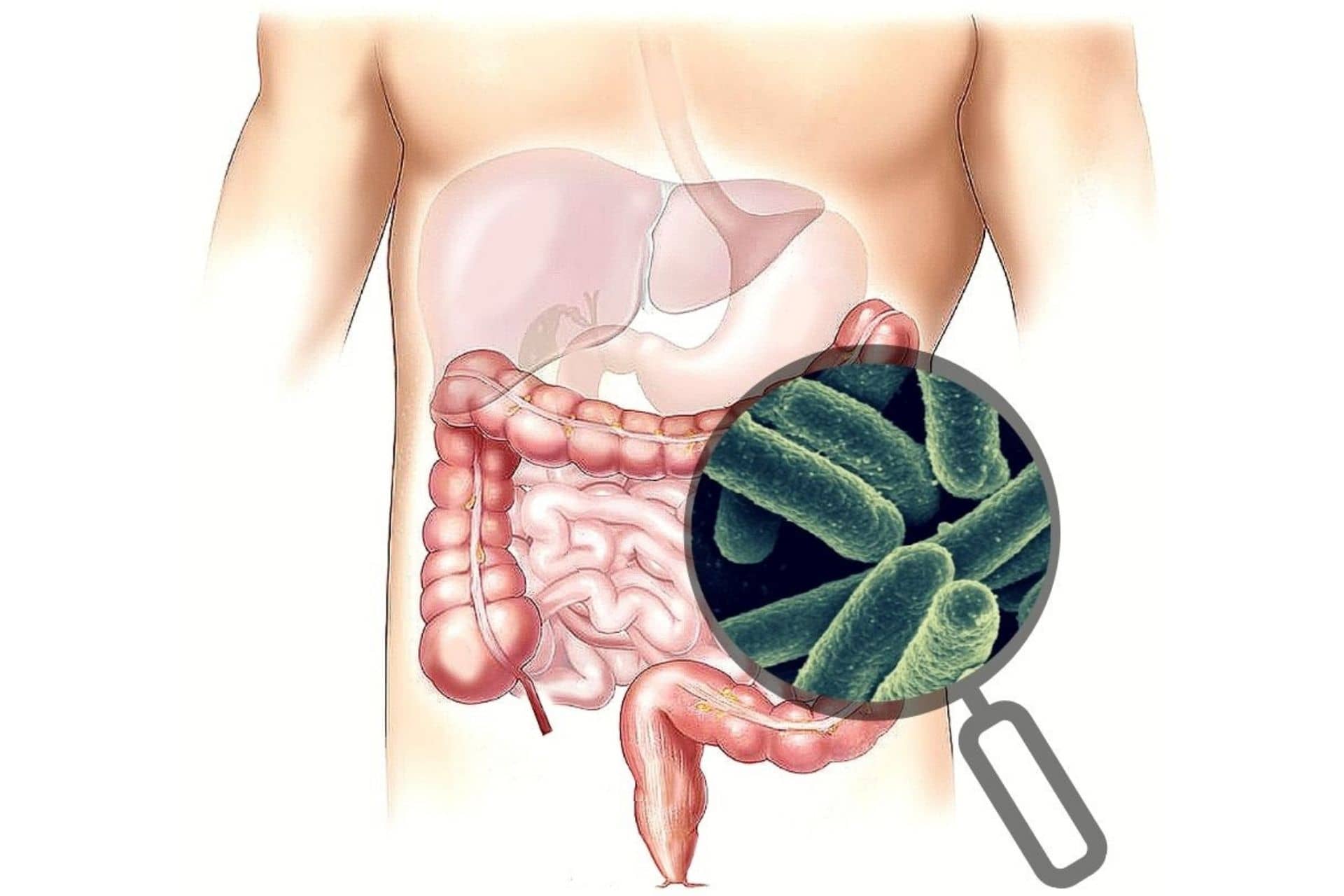
The intestinal microbiota, or intestinal flora, refers to the microorganisms found in the digestive tract: the stomach and intestines. It is the largest microbiota in terms of population, comprising 1014 (10,000 billion) microorganisms, which is 10 times more than the number of cells in the body, and weighs 2 kilograms.

What is the gut microbiota? 

What is the composition of the gut microbiota? 

The digestive microbiota is composed of 90% bacteria. The composition of the microbiota varies from person to person, however, four phyla (or bacterial groups) are found in all individuals: Firmicutes, Bacteroidetes, Proteobacteria, and Actinobacteria. They constitute the common core.

How does the gut microbiota develop? 

The development of microbiota throughout life 

The gut microbiota develops at birth. From the moment it develops and throughout an individual's life, it is influenced by several factors that disrupt its bacterial composition. First, at birth, the composition depends on the mode of delivery of the newborn, i.e., whether the delivery is vaginal or by C-section, and on the gestational age. During a normal birth, the newborn comes into contact with the mother's vaginal microbiota.

These bacteria are therefore the first to colonize the newborn's digestive tract. In an assisted birth, however, the newborn first comes into contact with the skin microbiota and therefore never comes into contact with vaginal bacteria. Differences then arise depending on the newborn's diet, whether they are fed breast milk or formula.

This disparity leads to differences in bacterial composition. Weaning also marks a change in the bacterial composition of the gut microbiota. From birth to weaning, which is usually around the age of 2.5 years, the digestive microbiota is very unstable and therefore very vulnerable.

Factors that influence the gut microbiota 

It is believed that after 2.5 years of age, the microbiota becomes stable and similar to that of an adult. However, it continues to evolve throughout life if exposed to certain factors such as: antibiotic use, illness, stress, diet, geographical location, health status, etc.

For example, taking antibiotics significantly reduces the bacterial diversity of the microbiota and leads to a decrease in the defense mechanisms that protect the body against pathogens.

Alteration of the intestinal flora, more commonly known as dysbiosis, is associated with conditions such as neurodegenerative diseases (Alzheimer's, Parkinson's, etc.), metabolic diseases (diabetes, obesity, etc.), cancers, allergies, etc. Dysbiosis results in an imbalance in the intestinal microbiota and is caused by a reduction in bacterial diversity, to the benefit of pathogenic species.

intestinal

What are the roles of the gut microbiota?

The gut microbiota performs a number of vital functions in the human body. First, it plays a role in protecting the body by defending it against pathogens. It is also involved in metabolic functions, enabling the absorption and production of nutrients. Finally, it plays a key role in the immune system.

There is therefore a real symbiosis between the microorganisms of the gut microbiota and the host, ensuring good health; the host and the gut flora cannot evolve without each other.
Link

How can we analyze our microbiota?

Today, we can analyze the genes present in bacteria from a stool sample to determine the composition of an individual's gut microbiota. Metagenomic analysis, which groups together all bacterial genomes, can then be used to determine bacterial richness, an individual's enterotype, the balance of the intestinal flora, the distribution of phyla (or bacterial groups), the production of short-chain fatty acids, etc.

Take care of your microbiota with Nahibu.
How can we influence the microbiota?

Due to its key role in maintaining a healthy balance in the body, the microbiota must be preserved. Diet is a major factor in influencing its composition and thus preserving its bacterial diversity and balance with the body. Today, there are various alternatives for protecting and maintaining the microbiota.

A varied and balanced diet

Firstly, a varied, balanced diet that is particularly rich in fiber promotes bacterial diversity. In addition, fiber consumption protects against the risk of cardiovascular disease and certain cancers such as colorectal or esophageal cancer.

A diet rich in prebiotics

Consuming prebiotics is beneficial for the host because they are non-digestible substances that promote the development and activity of good intestinal bacteria. There are various sources of prebiotics, such as inulin, FOS (fructo-oligosaccharides), GOS (galacto-oligosaccharides), and fructans, which can be found in vegetables (artichokes, broccoli, leeks, tomatoes, etc.), legumes (red beans, lentils, chickpeas, etc.), fruits (bananas, apples, dried fruit, etc.), roots (chicory, parsnips, Jerusalem artichokes) and even oilseeds (almonds, walnuts, pistachios).

A diet rich in probiotics

A diet containing probiotics also helps to enrich the gut microbiota. Probiotics are live microorganisms that have beneficial effects on the individual by fighting against the colonization of the gut by pathogenic microorganisms. Probiotics include bacteria (lactobacilli, bifidobacteria, streptococci) and yeasts found in various foods such as milk, kefir, sauerkraut, etc.

Fecal transplants

Finally, fecal transplants can be performed by a doctor for a limited number of conditions. They involve introducing stool from a donor into the digestive tract of a recipient with the aim of rebuilding the altered intestinal flora. Fecal transplants are performed under strict medical supervision as they carry serious health risks.

Link

Conclusion

In conclusion, the gut microbiota is an organ in its own right that must be preserved in order for it to perform its functions and ensure good overall health. When the microbiota malfunctions, dysbiosis sets in. It is now possible to prevent this risk of dysbiosis by addressing certain factors such as diet. Today, microbiota analysis, as offered by Nahibu, is commonly used to detect depletion of the gut microbiota in order to remedy it through personalized nutritional support. A varied and balanced diet helps maintain the diversity of the microbiota.

Sources: 

Special edition – Pour la science No. 109. The real powers of microbiota on our health. November 2020.

Francisca Joly Gomez, Isabel Gomez Dubest. Feeding our gut well. Marabout. 2016.

Ting-Chin David Shen. Diet and Gut Microbiota in Health and Disease. 2017.

Daria A. Kashtanova, Anna S. Popenko. Association between the gut microbiota and diet: Fetal life, early childhood, and further life. 2016.

Discover more articles on the microbiota.
Take care of your microbiota with Nahibu.
What is the best analysis for the gut microbiota?

What is the best analysis for the gut microbiota?

What is the best analysis of the gut microbiota?  

Nahibu's gut microbiota study is conducted using metagenomics. This is a technique for sequencing DNA from complex samples such as soil, air, or stool samples. In metagenomics, organisms (bacteria in the case of Nahibu's microbiota analysis) are studied in their environment, without going through a culture stage, as in traditional microbiology.

The development of this technique has led to the discovery of many bacteria that cannot be cultured in the laboratory, thereby deepening our knowledge of the gut microbiota. To learn more about the microbiota, this still little-known organ, click here.

What are the methods used to study the microbiota?

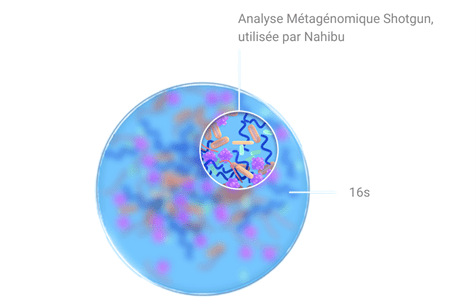
There are two main methods for studying the gut microbiota: shotgun metagenomics and 16S RNA sequencing. Why not simply culture the bacteria as in a traditional microbiology lab and observe what grows to study our gut flora? Many gut bacteria cannot live in our environment; they are accustomed to growing without oxygen. What's more, we have around 100,000 billion bacteria in our bodies—imagine the surface area needed to cultivate all these bacteria! There are also hundreds of species of bacteria, each requiring very specific conditions. This is why, in order to study the bacteria in the gut microbiota, we analyze their DNA so that we can identify which bacteria they belong to and then, after analyzing all the DNA in a sample, list the bacteria present.

Targeted fecal or respiratory tests do not study the microbiota as a whole.

Other techniques only measure certain parameters in the stool but do not sequence the genes of the microbiota. These techniques evaluate specific markers such as calprotectin or other compounds present in the feces. They can also target specific bacteria that are cultured in microbiology laboratories to detect their presence. This does not require a sequencing step and does not provide an understanding of the total composition of the intestinal flora, as they only study specific markers or bacteria and not this organ as a whole.

There are also breath tests that measure the exhalation of one or more gases before and after eating a sugary snack. The aim is to assess the body's gas production, but these tests do not allow the bacterial composition of the gut microbiota to be studied, as gut bacteria are present in the stomach and intestine and not in exhaled gases.

Despite the name microbiota test given to certain targeted fecal tests or breath tests, they do not provide a complete analysis of the composition of the gut microbiota, which is made up of hundreds of different species of bacteria. Only metagenomics provides a complete and accurate description of the bacterial composition of our flora.


What is 16S RNA?

16S RNA sequencing studies a gene present in all bacteria, the 16S RNA gene. This gene differs between bacterial genera; this technique therefore makes it possible to identify the bacterial composition of a sample by describing the main genera that compose it.


What is metagenomics?

Metagenomics, or environmental genomics, is a method for studying the overall genetic content of a sample in a complex environment, such as the intestine. It allows all the genes present in the sample to be analyzed.

Why choose shotgun metagenomic analysis?

Shotgun metagenomics, the technique chosen by Nahibu, allows the DNA of all bacteria present in the sample to be studied without bias. Click here to learn about the steps involved in Nahibu's analysis.
When the results are delivered, users receive key indicators such as the diversity or balance of the gut microbiota, a complete and accurate map, and the functional potential of the microbiota. Functional potential explains the role that the detected bacteria play in our bodies. However, we refer to potential because metagenomics analyzes the DNA of bacteria, and not all DNA is constantly expressed; some remains silent and is therefore not active.

Metagenomics targeting 16S RNA is not metagenomics in the strict sense, but metagenetics, as it does not analyze all the genes in the sample, but only a part of them. In fact, it targets only the 16S RNA gene of bacteria.

metagenomique

A more accurate description of bacteria

One of the advantages of shotgun metagenomics is that it provides a much more accurate description of the bacteria present in a sample.
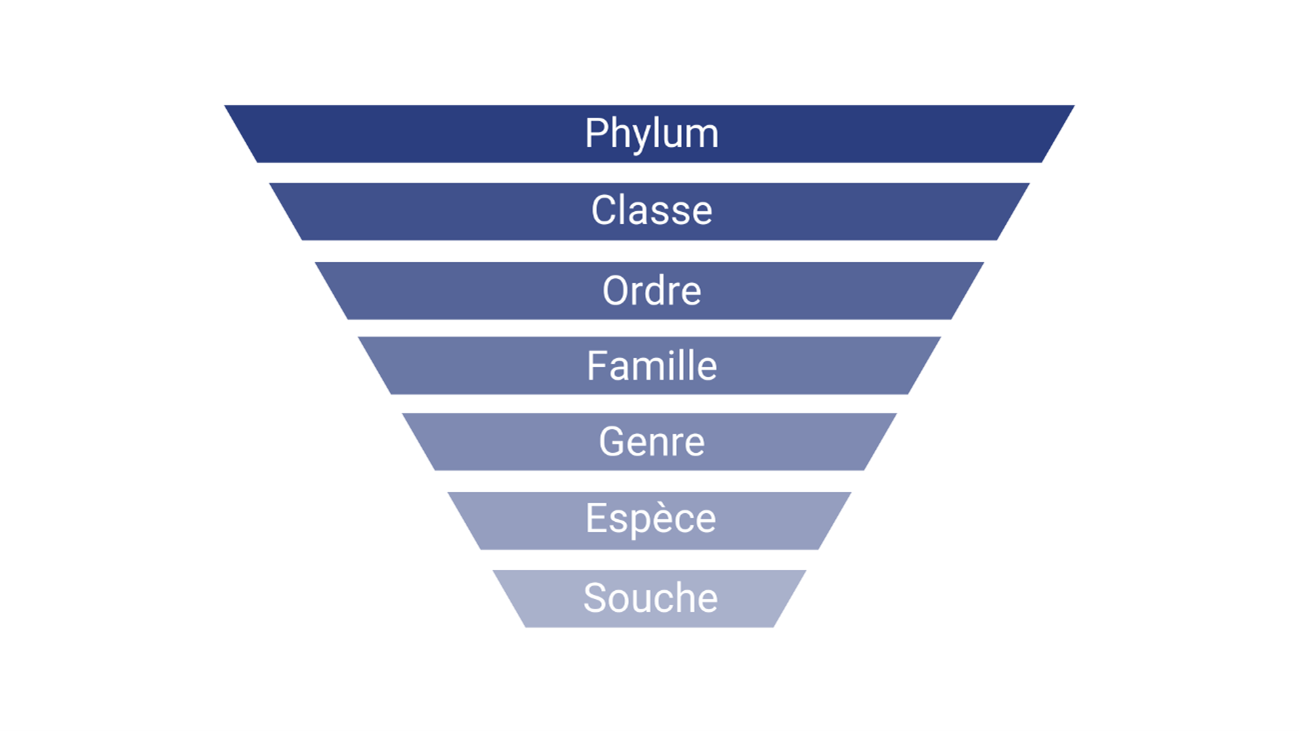
Taxonomy is the practice of classifying organisms. It is used to name and classify bacteria. Shotgun metagenomics has better taxonomic resolution, meaning that it defines bacteria more precisely than other approaches. Shotgun metagenomics can characterize bacteria at the species or even strain level, while 16S only describes them at the genus level, and more rarely at the species level.

However, different strains of bacteria have different functions, so it is important to measure these subtleties.

Nahibu

The potential role of the microbiota revealed by shotgun metagenomics

In addition, shotgun metagenomics makes it possible to describe the entire metagenome and thus explain the overall functioning of the microbiota. This allows us to extract the functional potential of the microbiota, which is impossible with an approach using 16S. Functional potential is the way in which the microbiota can hypothetically act on our metabolism and the functions of our body. Functional potential can be thought of as the role of each person in a household: cleaning, repairs, cooking, shopping, etc. Functional potential allows us to understand the role of each bacterium and which tasks an individual's microbiota will or will not be able to perform.

At Nahibu, we believe that providing you with a list of bacteria detected in a sample is not enough to enable you to understand the role your microbiota plays and identify its potential strengths and weaknesses. We have decided that microbiota analysis is part of a process of discovery and progress towards well-being. That's why we analyze your samples using shotgun metagenomics, a reliable, comprehensive, and unbiased approach that reveals the functional potential of your gut flora.

Nahibu's functional potential results are presented in categories with a score for each function. This allows you to clearly and accurately see which functions your microbiota has strong or weak potential for.

Next, how can you act and boost these functions? Foods or supplements are recommended to you on a personalized basis to improve your scores.

Nahibu

Shotgun metagenomics is a more expensive technique than 16S because it is comprehensive, generating files that take longer to analyze, but also providing much more complete results, a more accurate list of bacterial abundance, and an explanation of the functional potential of the microbiota, allowing you to understand its role in your body.

In conclusion, Nahibu's shotgun metagenomics analysis provides you with a comprehensive, accurate, easily understandable, and unbiased view of your gut microbiota to improve your well-being!

Discover more articles on the microbiota.

Take care of your microbiota with Nahibu.
How Microbiota and Immunity Shape Your Health

How Microbiota and Immunity Shape Your Health

Immunity Begins in Your Gut

Did you know that nearly 70% of your immune system's cells are found in your gut?

This figure alone illustrates the central link between the gut microbiota and the body's protection. A veritable ecosystem composed of billions of microorganisms, the microbiota not only aids digestion: it educates, modulates, and regulates immunity on a daily basis. When its balance is disrupted, a condition known as intestinal dysbiosis, the immune system can weaken or, conversely, become excessive and cause inflammation.
Understanding the link between microbiota and immunity is therefore essential for maintaining overall health. This is precisely what Nahibu analysis does, using shotgun metagenomic sequencing, the most advanced technology for exploring this invisible ecosystem and providing you with a roadmap to better intestinal well-being.

The gut: the command center of the immune system

The main role of the intestine is to ensure the absorption of nutrients from food into the bloodstream. Due to this constant contact with the external environment, it requires increased protection. This is why the intestine is the organ with the highest concentration of immune cells and the most active antibody production, making it a key organ for immunity.
It is lined with a specific immune tissue called GALT (Gut-Associated Lymphoid Tissue), which houses this high density of immune cells (lymphocytes, macrophages, etc.). The role of these cells is to continuously monitor what comes into contact with the body, whether nutrients, beneficial bacteria, or pathogens, and to respond appropriately.
In this context, the microbiota plays a decisive role:

  • It teaches the immune system to tolerate harmless microorganisms.
  • It triggers appropriate responses against pathogens.

This immune education begins at birth and continues throughout life.

microbiota-immunity-nahibu

The Intestinal Barrier: Highly Sophisticated Protection

To maintain this state of vigilance and tolerance, the intestine operates a defense system at various interconnected levels:

The Intestinal Epithelium (Selective Defense)

Intestinal cells (enterocytes) are connected to each other by tight junctions, ensuring selective permeability: only beneficial nutrients pass through. A disruption of this barrier (often called intestinal hyperpermeability) can allow toxic molecules to pass through and promote chronic inflammation.

The Mucosa and Mucus (Physical Defense)

Intestinal mucus forms a physical barrier rich in IgA antibodies and antimicrobial peptides. A balanced microbiota directly contributes to the quality of this protective layer, preventing unwanted bacteria from reaching the intestinal wall.

GALT (Immune Defense)

GALT immune cells receive information from the intestinal lining (particularly the microbiota) and epithelial cells. This dialogue triggers an appropriate immune response in the event of a pathogen invasion.

Commensal Microbiota (Biological Defense)

The 1013 beneficial microorganisms that make up the intestinal microbiota protect the body in two ways:

Barrier Effect:

They occupy space and compete with pathogens, preventing them from establishing themselves.

Production of Protective Substances:

They secrete bacteriocins and modulate pH, creating an environment that is hostile to unwanted microbes.

How the Microbiota Specifically Regulates Immunity

The dialogue between bacteria and immune cells is biochemical and relies on metabolites produced by our flora.

The Key Role of Short-Chain Fatty Acids (SCFAs)

Dietary fiber, which is not digested by our enzymes, is fermented by the microbiota. This process leads to the production of short-chain fatty acids (SCFAs), including butyrate, propionate, and acetate, which are essential for intestinal health.
SCFAs are crucial because they:

  • Nourish colon cells, for which they are the main source of energy.
  • Modulate the activity of immune cells.
  • Strengthen the intestinal barrier.

Butyrate, in particular, promotes the development of regulatory T cells (Tregs), which are responsible for maintaining immune tolerance and controlling inflammation.

Finding the Balance Between Tolerance and Defense

A healthy microbiota maintains a delicate balance between:

  • Anti-inflammatory Responses (Tolerance): Essential for preventing excessive reactions to food or beneficial bacteria. They play a protective role against allergies and autoimmune diseases.
  • Controlled Pro-inflammatory Responses: Necessary for eliminating pathogens.

This balance is fundamental to ensuring effective immunity without excess. A breakdown in this tolerance can lead to chronic inflammation, often linked to intestinal dysbiosis.

Intestinal Dysbiosis: When Immunity Goes Haywire

Intestinal dysbiosis is characterized by a loss of microbial diversity and an imbalance in favor of opportunistic species. This imbalance directly impacts the immune system by reducing the production of SCFA and altering the intestinal barrier.
Dysbiosis is strongly associated with (Source: AP-HP Research Foundation; COPMED):

Maintaining a diverse and balanced microbiota, particularly through a rich and varied diet, is therefore a major lever for supporting immunity and overall health.

How

Regulation is mainly based on metabolites produced by bacteria, such as Short-Chain Fatty Acids (SCFAs). These molecules act as signals for immune cells, promoting in particular the production of Regulatory T Cells (Tregs) which maintain tolerance and control inflammation.

What

Shotgun metagenomic sequencing is the technique used to measure the functional potential of your microbiota. For immunity, this means that Nahibu can assess your flora's ability to produce AGCCs (anti-inflammatory molecules) and strengthen the intestinal barrier, crucial information that cannot be obtained using basic analysis methods.

What

Signs include increased vulnerability to infections, chronic inflammation, allergies, or food intolerances. Intestinal dysbiosis can compromise the intestinal barrier and disrupt the balance between immune responses (tolerance vs. defense), requiring targeted action.

Nahibu: Understanding Your Immunity Through Metagenomic Sequencing

To effectively improve your gut health and, consequently, your immunity, it is essential to identify the weaknesses in your microbiota.
Nahibu uses shotgun metagenomic sequencing, the most comprehensive technology for analyzing the gut microbiota.
Unlike targeted analysis methods, shotgun technology allows:

  1. Identify bacteria down to the species level, providing the most comprehensive mapping possible.
  2. Analyze the biological functions that are actually present (production of SCFAs, vitamins, immunomodulatory metabolites).
  3. Assess the condition of your intestinal barrier and your inflammatory potential.

Why is Nahibu's expertise the key to your intestinal well-being?

  • 🔬 High Scientific Accuracy: Reliable results to understand the functional state of your flora.
  • 🇫🇷 French Expertise: Quality guarantees and rigorous protocols.
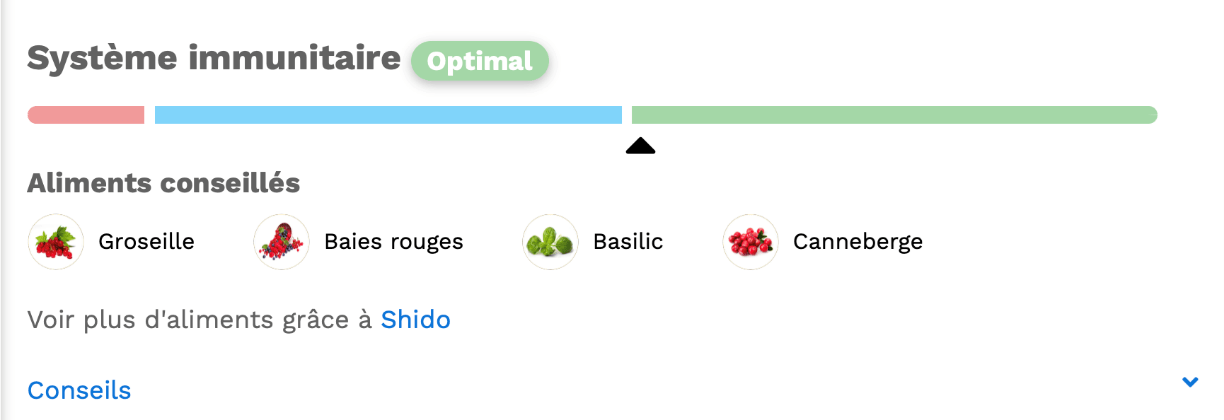
  • 🎯 Personalized Recommendations: We offer you a roadmap for tailored nutrition (via the Shido platform and our network of qualified professionals) to take concrete action on the balance of your microbiota and your defenses.

Take care of your microbiota with Nahibu.
Conclusion: Your Immunity Begins in Your Microbiota

The science is clear: a balanced microbiota is a fundamental pillar of immunity. By taking care of your gut health, you are directly influencing your natural defenses and preventing inflammatory diseases.
With Nahibu, you no longer have to guess: you understand the mechanisms that link your microbiota to your immune system. Thanks to our expertise in metagenomic sequencing, we give you the keys to move from theory to action.


Sources: 

  • Biocodex Microbiota Institute – Role of the gut microbiota in immune regulation
  • Lescuyer Laboratory – Microbiota and immunity
  • COPMED – Gut Microbiota and the Immune System
  • AP-HP Research Foundation – Gut microbiota and research
  • Medicine/Science – Microbiota-immunity interactions

Take care of your microbiota with Nahibu.
Discover more articles on the microbiota.

Take care of your microbiota with Nahibu.