Understanding your gut microbiota analysis report

Understanding your gut microbiota analysis report

Understanding the Nahibu analysis report

For each analysis, users can download a summary in PDF format. This simplified report from the Nahibu digital platform was designed by gut microbiota experts to make it easier for healthcare professionals to read. It consists of two main sections.

Introduction to the Nahibu analysis report

A general presentation of Nahibu, our objectives, and a brief description of what the gut microbiota is.

A description of how the results were generated. For the report, the user is automatically compared to Nahibu's healthy cohort. This cohort consists of individuals who have not reported any diagnosed chronic diseases or digestive disorders.

Presentation of the three result categories: Optimal, Average, and Room for Improvement. These results are obtained by comparing the user's value with that of the healthy cohort (ordered). Thus, an Improveable result is one that falls within the 5% of most extreme values (between 0 and the 5th percentile, and above the 95th percentile). The value is Average when it is within the 20% most extreme values of the cohort (between the 5th and 25th percentile, and between the 75th and 95th percentile). Finally, the result is optimal when it falls within the values of plus or minus 25% of the median (between the 25th and 75th percentile).

General information about the user. This information is extracted from the questionnaire previously completed by the user and allows you to view the information necessary to understand the user's lifestyle, medical history, and eating habits.

The results of the gut microbiota analysis

Richness

This refers to the number of bacteria detected in the analysis, which is an essential metric for assessing good health. Indeed, numerous studies show that a decrease in diversity can have an impact on our health. Therefore, the more fiber we consume, and the more different types of fiber we consume, the better it is for the diversity of our gut microbiota and our health. 

The enterotype

The aim of enterotypes is to stratify individuals based on their gut microbiota into a limited number of groups, each group being dominated by a particular bacterial genus. Unlike blood types, enterotypes do not have clear boundaries. Depending on the individuals studied and the methods used, the number of groups varies, generally ranging from two to four. The two most robust enterotypes, as found in the majority of analyses, appear to be Prevotella and Bacteroides. The third group originally defined, Ruminococcus, may, depending on the study, be merged with one of the first two or replaced by another group. The Bacteroides enterotype, associated with a diet rich in animal fats, is dominant in the Western world, while the Prevotella enterotype is more prevalent in rural societies with fiber-rich diets. While a short-term diet (less than one month) does not allow an individual to change their enterotype, it is not yet clear whether long-term diets can influence enterotypes.

Intestinal balance

This measures the presence or absence of dysbiosis within the microbiota. Dysbiosis, as opposed to eubiosis, is a term used to describe an altered microbiota with an unbalanced composition. Dysbiosis of the intestinal microbiota is characterized by a decrease in microbial diversity, a decline in the abundance of the Firmicutes phylum in favor of Bacteroidetes, and an increase in the abundance of potentially pathogenic species.

The distribution of phyla

More than 1,000 bacteria present in the gut microbiota have been identified. They are classified into groups at different levels of precision, including phyla. In the gut microbiota, there are three most abundant phyla, which make up about 90% of the adult gut microbiota: Firmicutes, Bacteroidetes, and Actinobacteria. There are other less abundant phyla, such as Proteobacteria and Verrucomicrobia, for example.
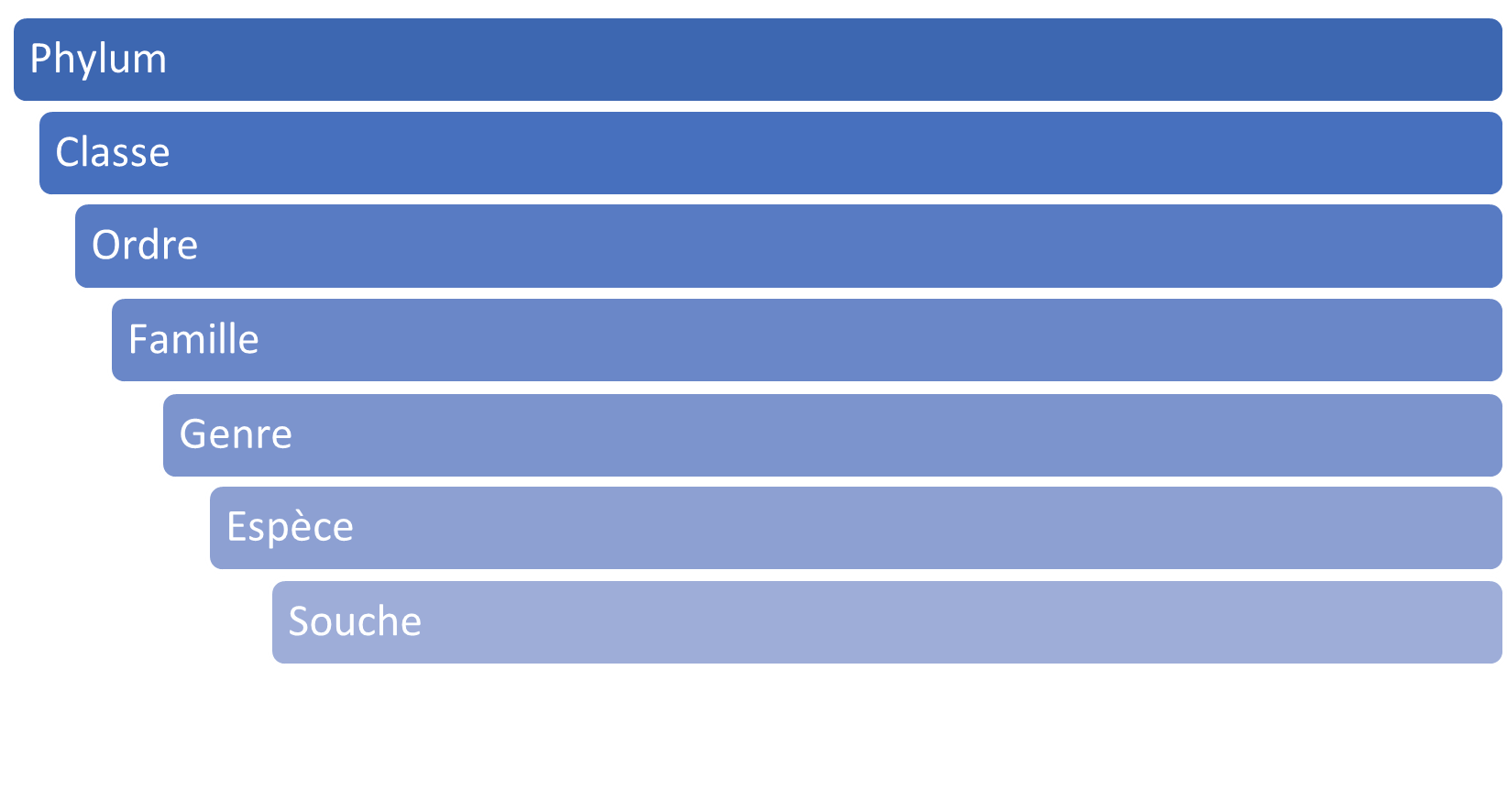
phylum

List of detected genera and bacteria

This is a selection made by Nahibu of genera and bacteria of interest based on scientific literature. This selection includes 4 genera of interest (Bifidobacterium, Dialister, Coprococcus, Lactobacillus) and 11 bacteria of interest (Akkermansia muciniphila, Faecalibacterium prausnitzii, [Eubacterium] hallii, Bacteroides thetaiotaomicron, Barnesiella intestinihominis, Bifidobacterium longum, Bilophila wadsworthia, Clostridioides difficile, Roseburia intestinalis, [Ruminococcus] gnavus, Veillonella atypica).

Short-chain fatty acid (SCFA) production

SCFA production is stimulated by the breakdown of fiber by bacteria in the gut microbiota. These SCFAs are absorbed by our bodies and have been shown to have several beneficial effects on health: they are a source of energy for colon cells, strengthen the intestinal barrier and immune system, improve colon transit, have an effect on cholesterol and blood sugar levels, reducing inflammation, regulating appetite, and preventing obesity and colorectal cancer, for example.

They therefore have a protective effect against colon diseases. The amount of SCFAs varies and their production can be increased by consuming foods rich in probiotics and fiber. The three main SCFAs are butyrate, acetate, and propionate.

Analysis of the functional potential of the microbiota

Nahibu's analysis of the gut microbiota, based on the quantification of bacterial genes detected in DNA extracted from a stool sample, allows its functional potential to be extrapolated.

The PDF report provides information on the nutritional quality of intake, diversity, prebiotic intake, and the level of intestinal inflammation. All this information is measured in relation to Nahibu's healthy cohort. In addition, the analysis of the functional potential of the microbiota includes a section on the tolerance and intolerance of bacteria to various complex sugars (FODMAPs).

Nahibu

The abundance table

Attached is a list of bacteria detected in significant quantities (>0.01%) in the sample. For each bacterium, the list indicates its classification and relative abundance as a percentage of all bacteria detected in the microbiota.

Discover more articles on the microbiota.

Take care of your microbiota with Nahibu.
The diversity of the gut microbiota: a key indicator of your health?

The diversity of the gut microbiota: a key indicator of your health?

The diversity of your gut microbiota: a key indicator of your health

What is microbiota diversity?

Diversity refers to the number of bacterial species present in your gut. These species may or may not be active. Significant bacterial diversity is often associated with the proper functioning of the body and helps to keep you healthy. Microbiota diversity helps to improve the immune system and ward off pathogens.

Why test your microbiota diversity?

According to Stanislav Dusko Ehrlich, Professor Emeritus of Microbiology at INRA, low gut microbiota diversity poses a threat to health: 

Recent scientific studies agree that there has been a loss of biodiversity in the gut microbiome in industrialized countries, which also threatens those countries that are in the process of becoming industrialized.

In healthy individuals, it is associated with the risk of developing serious chronic diseases, such as diabetes, liver disease, cardiovascular disease, and even certain types of cancer. But also asthma, allergies, chronic inflammatory bowel disease, autism, and other mental disorders.

Analysis of the gut microbiota to highlight its diversity.

Nahibu's microbiota analysis highlights the loss of diversity, which is the first essential step in combating it, preferably through appropriate nutrition for those at risk.

It thus lays the foundation for counteracting this largely unknown scourge that threatens us all. Nahibu's gut microbiota analysis highlights each individual's strengths and weaknesses, enabling them to take positive action through dietary advice.

By adapting your diet to the uniqueness of your microbiota and your needs, you can significantly improve certain digestive disorders, regulate your weight, prevent certain diseases, and strengthen your immune system.

Take care of your microbiota with Nahibu.
Discover more articles on the microbiota.

Take care of your microbiota with Nahibu.

Nahibu: steps for analyzing your stool sample

Nahibu: steps for analyzing your stool sample

Nahibu: the steps involved in analyzing your stool sample

How is your sample tested? Nahibu analyzes the genes of the bacteria contained in your stool sample, which requires several successive steps carried out by highly qualified technicians who are experienced in this type of procedure. What are these different steps and why are my results not instantly uploaded to the results platform upon receipt of my sample?

The

1) Receipt of your stool sample

Upon receipt of the sample by Nahibu, an initial quality control check is performed.

 It will then be sent for sequencing at our partner laboratory.

2) DNA extraction

Next, the bacterial DNA is extracted in a laboratory dedicated to this operation, following a delicate protocol. The manipulations are carried out with great care in a dedicated space so as not to contaminate the sample with DNA from external sources. This crucial step requires the utmost precision as it can impact the results.

The aim is to obtain the purest bacterial DNA in sufficient quantity for sequencing. The protocol consists of a series of steps involving different solutions and centrifugation. At the end of the extraction process, a quality control check is carried out again to ensure that there is enough DNA to provide reliable results.

Step

3) Preparing DNA libraries

DNA cannot be sequenced as is. It is therefore fragmented and DNA libraries are prepared (one library for each sample), which takes several days.

The purpose of this step is to obtain fragments of uniform size with adapters at their ends to ensure proper analysis. Once the libraries have been prepared, they undergo quality control and normalization.

4) Sequencing 

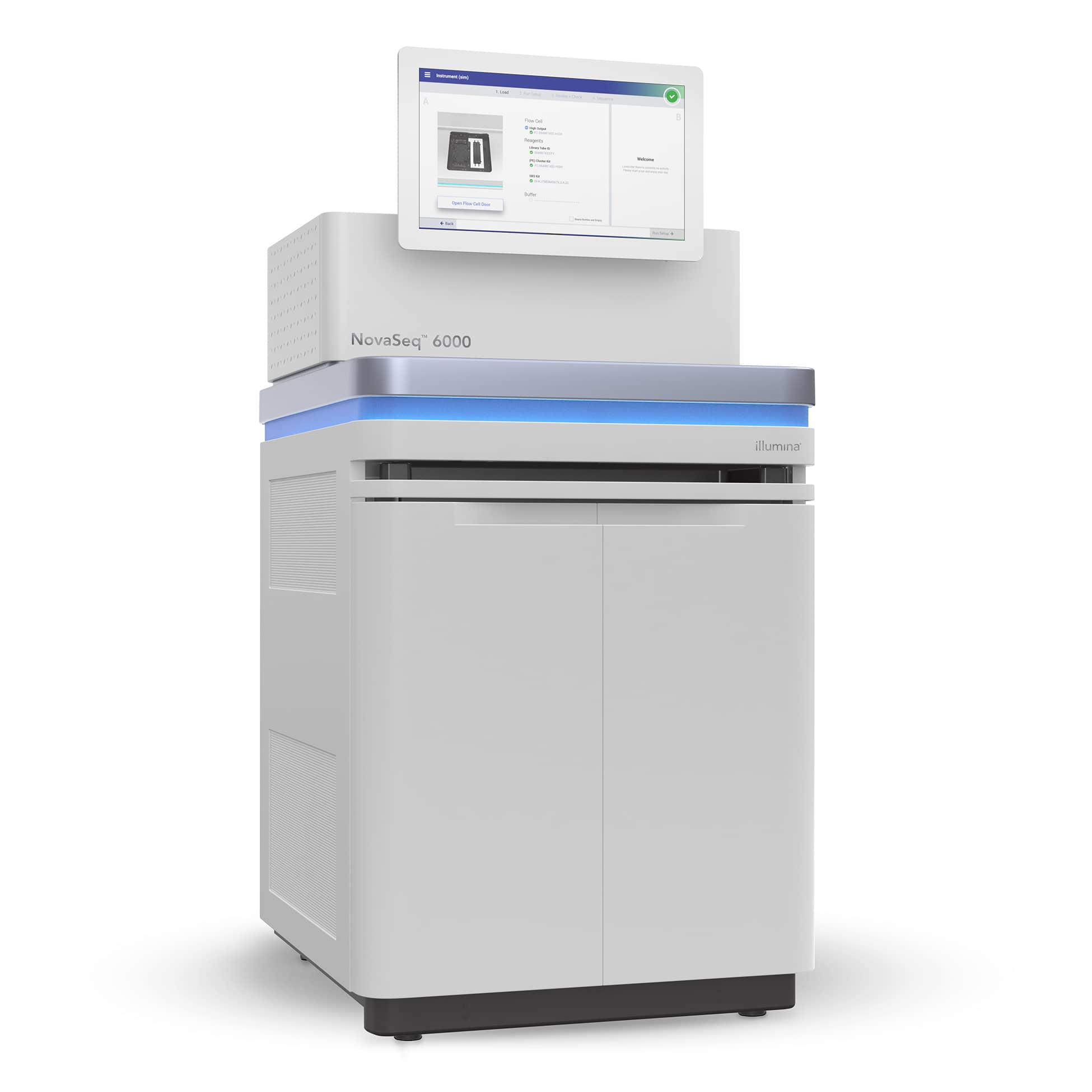
Next comes the sequencing of DNA fragments. This step uses high-tech machines called sequencers, which identify the nucleotides present on the DNA strands.

Nucleotides are the basic building blocks of DNA or RNA. There are four types of nucleotides in DNA: A, C, G, and T. Sequencing and library preparation are performed by qualified individuals trained in these procedures. The protocols are long and complex, and it takes practice to follow them correctly.

At the end of the sequencing process, DNA sequences are obtained, i.e., the sequence of different nucleotides. Nucleotides can be compared to words, whose sequence forms sentences, or sequences. The meaning of the sentences can be likened to genes.

Analysis

5) Interpretation of results

Once the sample has been sequenced, raw data is obtained: a sequence of A, T, C, or G constituting fragments (known as reads) of the microbiota metagenome. This data is stored in files that can weigh several gigabytes.

A pre-analysis is performed to check the quality of the sequencing. If the check is validated, the analysis continues. This analysis makes sense of these result files through bioinformatics processing, or data analysis. This consists of a series of steps that take several days to finally map the microbiota and interpret it in functional terms.

From the identified genes, we determine the species present in your microbiota; this is called taxonomic analysis. For this step, we use various software programs commonly used in metagenomic analysis. The results of this software allow us to calculate the richness (the number of different species present) as well as the enterotype (the type of bacteria most represented in your microbiota).

At Nahibu, we don't stop at simply listing the bacteria detected in your sample. We group the genes present in the microbiota into large functional families called functional modules according to their impact on the body's metabolic pathways. This allows us to explain yohttps://nahibu.com/microbiote-intestinal/e and thus identify its potential strengths and weaknesses.

Results

6) Receiving your analysis results

Once all these steps have been completed, your results will be available in your Nahibu personal space in the form of a report with a map of your microbiota and a functional analysis of it.

Take care of your microbiota with Nahibu.
Discover more articles on the microbiota.

Take care of your microbiota with Nahibu.
Nahibu: presentation of the sampling kit.

Nahibu: presentation of the sampling kit.

The

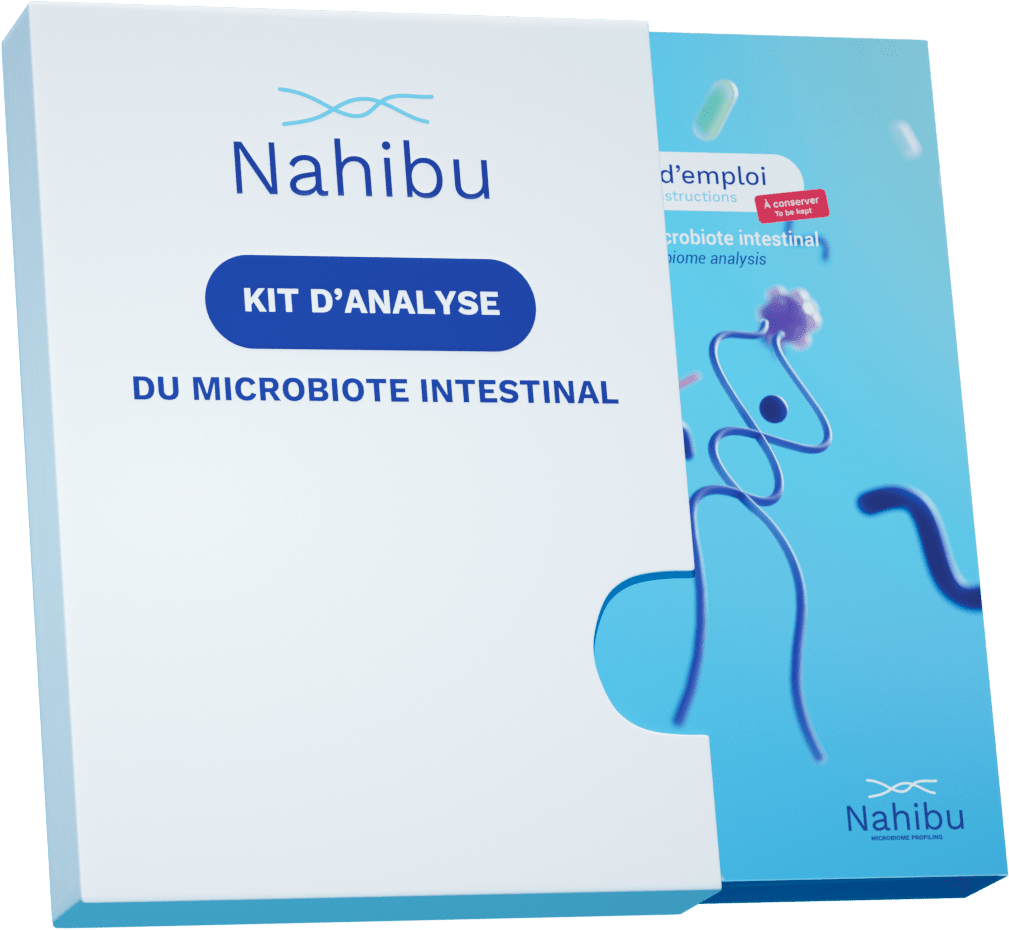
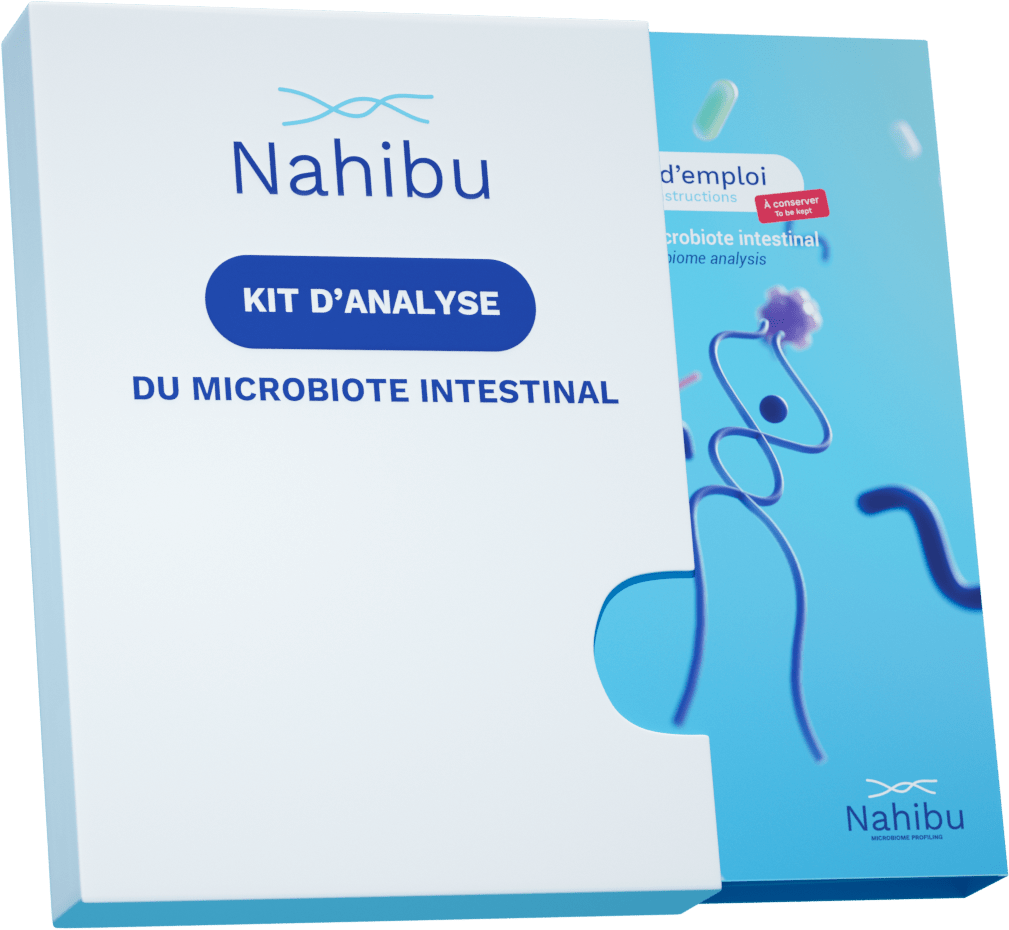
The Nahibu gut microbiota analysis kit.

The Nahibu kit is a fecal sample collection kit that can be used at home without any medical intervention. The contents of the kit and the collection method are described in a user manual provided in the Nahibu kit box. The kit consists of three items:

Kit

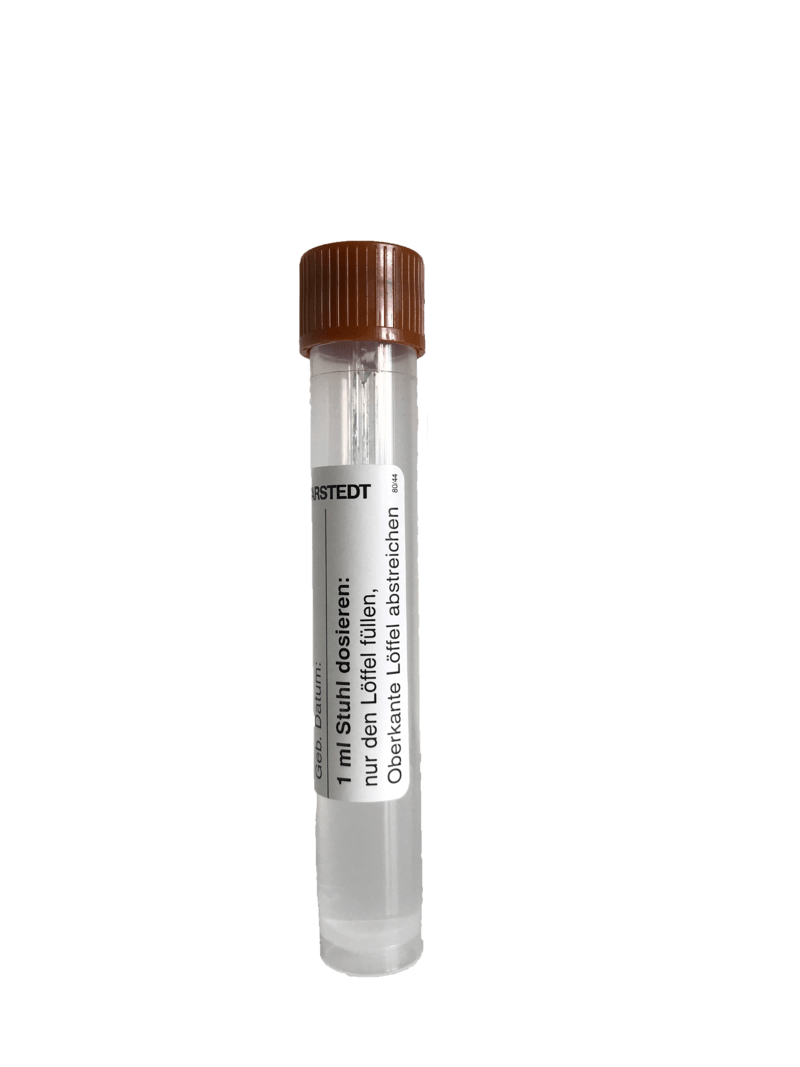
A tube: 

A tube with a screw cap. This is the tube used to collect the sample. A plastic spoon is attached to the lid, allowing approximately 1g of stool to be collected (the amount needed for sequencing). At the bottom of the tube are 4 ml of DNA stabilizer. This stabilizer ensures that the sample is properly preserved at room temperature.
It inactivates the viral load and limits the proliferation of fungi and bacteria.

Kit

Feces Catcher: 

The Feces Catcher (Stool Trap) is a hygienic, easy-to-use, biodegradable stool sample collection device consisting of a disposable piece of paper that is placed on the toilet seat. Instructions are printed directly on each stool catcher for ease of use. By placing the Feces Catcher on the toilet seat,
the sample is protected from possible sources of contamination, such as residual bleach, urine, etc.

Kit

Shuttlepuch:

Shuttlepuch is a plastic pouch containing absorbent paper. It allows the tube to be transported safely and securely. Once closed, if the tube opens or leaks, everything will be absorbed by the paper in the pouch.

Take care of your microbiota with Nahibu.

Discover more articles on the microbiota.

Take care of your microbiota with Nahibu.

Microbiologist Stanislav Dusko Ehrlich joins Nahibu

Microbiologist Stanislav Dusko Ehrlich joins Nahibu

Nahibu's scientific committee includes Stanislav Dusko Ehrich, Director of Research Emeritus at INRA.

Nahibu's

Professor Stanislav Dusko Ehrlich

Stanislav Dusko Ehrlich is the first scientist to propose the complete sequencing of the microbiota, leading the international MetaHIT consortium.  

The partnership between Nahibu and the Emeritus Research Director aims to advance the science of the gut microbiota.

It's very exciting to join Nahibu, which I believe offers the best in gut microbiota analysis. Together, we will be able to combine our strengths to advance the science of gut microbiota and bring its benefits to as many people as possible, said Stanislav Dusko Ehrlich. Nahibu uses high-definition sequencing, which is the most accurate method available today, as well as cutting-edge tools, and I will be able to contribute my vision and scientific advice to this promising company.

An organic chemistry engineer from the University of Zagreb, where he graduated at the top of his class, and a Doctor of Science in Biochemistry from Paris VII University, Stanislav Dusko Ehrlich founded and directed the Microbial Genetics Unit and the Microbiology Division at INRA and coordinated the European Commission's first major project on the microbiome, MetaHIT, which laid the foundations for the current characterization of the microbiome. At the same time, he co-founded the first start-up in the field of human microbiome, Enterome, in 2012.

He was also an associate of Professor Joshua Lederberg, winner of the Nobel Prize in Medicine, in the Department of Genetics at Stanford University School of Medicine.

Stanislav Dusko Ehrlich is a member of the Croatian Academy of Sciences and Arts, the French Academy of Agriculture, the European Molecular Biology Organization (EMBO), the American Academy of Microbiology, and the European Academy of Microbiology.

Awards:

 Winner of the INRA Award for Excellence in Agricultural Research, Winner of the Del Duca Scientific Grand Prize from the Institut de France, Knight of the Order of Merit and the Legion of Honor.

Take care of your microbiota with Nahibu.

Discover more articles on the microbiota.

Take care of your microbiota with Nahibu.
Acting on short-chain fatty acid production

Acting on short-chain fatty acid production

Acting on your production of short-chain fatty acids

The gut microbiota

Our health ally

The body evolves in symbiosis with the ecosystem it harbors in the digestive tract. It is composed of a multitude of microorganisms (viruses, bacteria, archaea, fungi) and forms the gut microbiota. Each of these bacteria plays a key role in many vital functions of the body and also in maintaining good health. However, if the balance is disrupted, bacteria that were initially beneficial to health can become harmful and lead to disorders such as neurodegenerative diseases (Alzheimer's, Parkinson's, etc.), metabolic diseases (diabetes, obesity), cancers, and allergies.

Factors that alter the gut microbiota 

The gut microbiota develops from birth until around the age of two and a half. After that, it is considered stable and its composition will only change due to certain factors such as illness, stress, medication, health, diet, geographical location, etc. Under the influence of these factors, the bacterial composition may change.

How can we influence the gut microbiota? 

Today, a link has been established between diet and the bacterial composition of the gut microbiota. It is therefore important to eat a varied and balanced diet in order to optimize your microbiota and enjoy its benefits. For example, it is recommended to increase your intake of dietary fiber at the expense of simple carbohydrates. In addition to being filling and beneficial for intestinal transit, fiber reduces the risk of diabetes, cancer, and cardiovascular disease. Finally, it also nourishes good intestinal bacteria. 


Diet

Carbohydrates, more commonly known as sugars, are molecules whose function is to provide energy to the body in the form of calories. There are two types of carbohydrates: simple (or monosaccharides) and complex (or polysaccharides). Simple carbohydrates such as glucose, fructose, and galactose are non-hydrolyzable molecules, meaning they cannot be broken down into smaller molecules.

Complex carbohydrates, on the other hand, are formed by the linking of simple carbohydrates. These include disaccharides such as lactose and sucrose, which are composed of two simple carbohydrates, and polysaccharides (starch, cellulose, glycogen, etc.), which are composed of more than two simple carbohydrates. Only simple carbohydrates and disaccharides in complex carbohydrates have sweetening power. Polysaccharides do not.


Diet

Dietary fiber is a complex carbohydrate of plant origin that is neither digested nor absorbed by the body. There are two types of fiber: soluble fiber and insoluble fiber. Fiber is naturally present in plant-based foods, but its distribution varies. Vegetables (artichokes, beets, carrots, broccoli, cabbage, etc.), legumes (beans, lentils, chickpeas, etc.), whole grains (oats, spelt, brown rice, etc.), fruits (apples, pears, oranges, grapefruit, etc.) and dried fruits (dates, prunes, etc.) are excellent sources.

Digestion of dietary fiber

Once ingested, dietary fiber passes through the digestive tract to the colon without being digested or absorbed. It is in the colon that it first undergoes hydrolysis (or dissociation) by enzymes and then fermentation by bacteria, releasing short-chain fatty acids. Some of these acids perform their functions in the intestine, while others migrate and act throughout the body. 


A

Short-chain fatty acids 


What are SCFAs? 

Short-chain fatty acids (SCFAs) are a subset of fatty acids synthesized by the gut microbiota during the fermentation of non-digestible polysaccharides such as dietary fiber. Put simply, they are molecules produced by good gut bacteria during the fermentation of food. There are several types, such as acetate, butyrate, lactate, propionate, and succinate, which vary in proportion and function. Acetate, butyrate, and propionate are the most common. Each plays an important role in maintaining health and in the development of disease.

Where do SCFAs act? 

Once produced, SCFAs can remain in the colon and be used by intestinal cells or be transported into the bloodstream to act on other organs. The production of SCFAs is influenced by various factors. It depends on the number of bacterial species present in the gut microbiota. The source of dietary fiber and transit time also play a role.

Take care of your microbiota with Nahibu.

What are the health effects of SCFAs? 

AGCCs are now recognized as mediators of the beneficial effects of dietary fiber and gut microbiota on host health. First, they play a key role in maintaining intestinal health. They improve the integrity of the intestinal barrier by regulating pH and mucus production and providing the energy necessary for epithelial cells to perform their functions. They also modulate inflammatory and immune responses.  They regulate immune cell function and lymphocyte differentiation. Lymphocytes are white blood cells that are part of the immune system and protect the body against attacks (bacteria, viruses, diseases, etc.). They also limit the proliferation of tumor cells. In addition, they act on skeletal muscles by modulating their function and exercise capacity. Finally, they prevent the risk of gastrointestinal disorders, hypertension, insulin resistance, obesity, cancer, and cardiovascular disease.

How can you find out your AGCC level? 

It is now possible to analyze your gut microbiota. In addition to detecting the depletion of bacterial biodiversity associated with the risk of dysbiosis, the analysis also detects short-chain fatty acids.

How can you increase your SCFA levels? 

As diet is the main factor influencing the amount of short-chain fatty acids, it is now essential to include fiber-rich foods in your diet to stimulate their production. The higher your fiber intake, the more SCFAs will be produced.

Focus

Focus on butyrate  

A fiber-rich diet is extremely beneficial to health. Increasing butyrate levels has several benefits. In addition to being the main source of energy for epithelial cells, it plays a key role in preventing cancer and inflammatory bowel disease. Furthermore, butyrate supplementation has been shown to reduce the risk of obesity.

Focus on succinate

Succinate, on the other hand, appears to have negative effects. High levels of succinate are found in the intestinal lumen in patients with dysbiosis or inflammatory bowel disease. However, its involvement remains to be confirmed.

In conclusion, it is essential to ensure sufficient dietary fiber intake to enable the microbiota to produce short-chain fatty acids and thus promote good health. In addition to their benefits for the microbiota, fibers are essential for the body. They act as our allies for optimal well-being and to limit the risk of developing certain diseases. Short-chain fatty acids are considered key mediators between diet, gut microbiota, and health. Nahibu, a player in the food industry of tomorrow, offers a gut microbiota analysis solution that measures its diversity and detects SCFAs.  


Sources:

Jian Tan, Craig McKenzie, Maria Potamitis, Alison N Thorburn, Charles R Mackay, Laurence Macia. The role of short-chain fatty acids in health and disease. 2014.

Sean M McNabney, Tara M Henagan. Short Chain Fatty Acids in the Colon and Peripheral Tissues: A Focus on Butyrate, Colon Cancer, Obesity and Insulin Resistance. 2014.

Yao Yao, Xiaoyu Cai, Weidong Fei, Yiqing Ye, Mengdan Zhao, Caihong Zheng. The role of short-chain fatty acids in immunity, inflammation and metabolism. 2020.

James Frampton, Kevin G Murphy, Gary Frost, Edward S Chambers. Short-chain fatty acids as potential regulators of skeletal muscle metabolism and function. 2020.

E E Blaak, E E Canfora, S Theis, G Frost, A K Groen, G Mithieux, A Nauta, K Scott, B Stahl, J van Harsselaar, R van Tol, E E Vaughan, K Verbeke. Short chain fatty acids in human gut and metabolic health. 2020.

Julia M W Wong, Russell de Souza, Cyril W C Kendall, Azadeh Emam, David J A Jenkins. Colonic health; fermentation and short chain fatty acids. 2006.

Sathish Sivaprakasam, Puttur D Prasad, Nagendra Singh. Benefits of short-chain fatty acids and their receptors in inflammation and carcinogenesis. 2016.


Discover more articles on the microbiota.

Take care of your microbiota with Nahibu.