
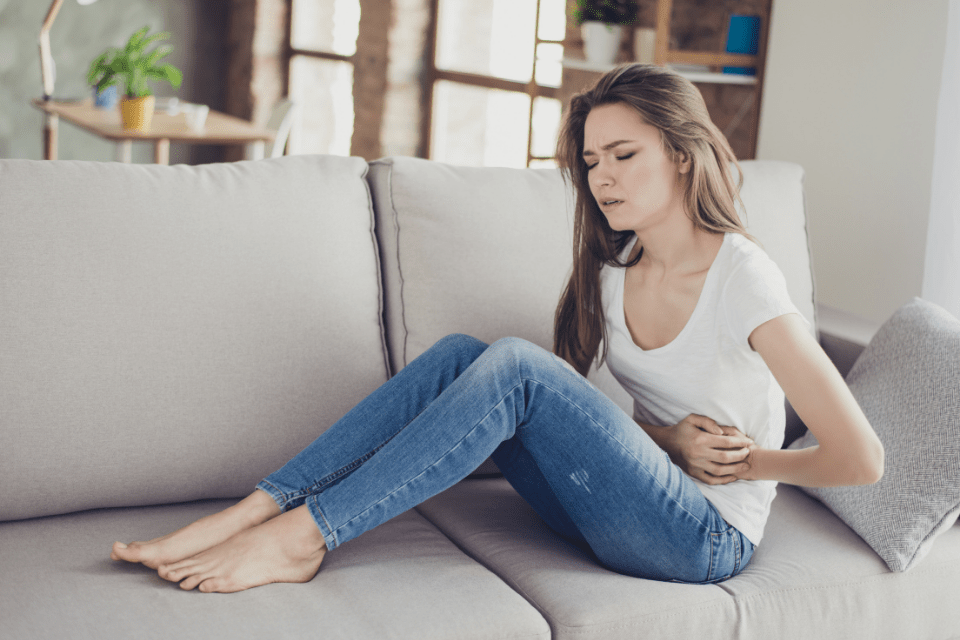
Can the microbiota cause constipation?
Constipation is one of the most common disorders in the population. In this article, you will learn about its causes and how to relieve it with a few simple tips. Slowing down transit time affects the bacteria in the gut microbiota and vice versa! You will learn how by reading this article. Finally, constipation does have an impact on health, so it is important to do everything possible to prevent it.
What is constipation?
Constipation is defined as having fewer than three bowel movements per week, often associated with hard stools, a feeling of incomplete evacuation, and abdominal pain.
There are two main types of constipation:
- Transit constipation: linked to a slowing down of stool movement in the colon.
- Terminal constipation: due to difficulties in evacuation at the rectum.
The role of gut microbiota in transit
The gut microbiota (sometimes called the gut microbiome) is a microbial community made up of billions of bacteria living in our intestines. Involved in many biological functions, it plays a key role in digestion, intestinal motility, and stool consistency. For example, it ensures the absorption of nutrients, participates in the synthesis of vitamins, and regulates certain metabolic pathways by influencing signals between the intestine and the brain via the gut-brain axis.
When this microbiota is out of balance, a condition known as dysbiosis, certain digestive functions can become disrupted. This can lead to disturbances in transit and thus cause or aggravate constipation.
Find out more: What is the gut microbiota?
Constipation and bacterial imbalance: what does science say?
Although the link between gut flora and constipation is not fully understood, numerous studies have highlighted significant differences between the microbiota of constipated individuals and that of healthy subjects. Here are a few observations:
- A reduction in bacterial diversity and richness. Bacterial richness is the number of different species present in an environment. Diversity is a more complex measure that takes into account the number of species but also the abundance of each species. These two measures are considered indicators of good microbiota health. In fact, the microbiota of sick people is generally less diverse, with a decrease in beneficial bacteria such as Bifidobacterium and Lactobacillus. This is particularly the case with constipation.
- An overrepresentation of certain species such as Clostridium, sometimes linked to a slowing of transit.
- Reduced production of short-chain fatty acids (such as butyrate), which are essential for stimulating peristalsis.
These imbalances can affect stool hydration, slow down intestinal motility, or influence sensitivity in the colon.
What are the symptoms of constipation?
Normal transit time, although variable, is between 30 and 40 hours. Constipation occurs when fecal matter does not move quickly enough through the colon, resulting in infrequent or hard stools, which cause difficulty in defecating.
In adults, constipation may be suspected when:
- the usual rhythm of bowel movements is disrupted, becoming abnormally slow
- stool consistency changes, becoming harder. It becomes difficult or even painful to go to the toilet. Stools may also be small in volume and seem incomplete when passed.
Discomfort, cramps, and abdominal bloating are often associated with constipation. People often have a swollen stomach.
This disorder can be occasional or chronic (lasting more than six months). So, after how many days without a bowel movement should you be concerned? If you have fewer than three bowel movements per week, you are considered constipated.
What is the mechanism of constipation?
After a meal, the food you eat passes through your stomach and small intestine and then reaches your colon. The small intestine and colon move food forward by contracting; this phenomenon is called intestinal motility. During digestion, the microbiota present in the colon and, to a lesser extent, the small intestine break down this food, causing natural fermentation and gas production.
In cases of constipation, food residues do not move quickly enough to the rectum and stagnate in the colon. The water they contain is absorbed, causing the stool to become hard. It can then accumulate and become difficult to pass.

What causes constipation?
Constipation has many causes and is often multifactorial. For most people, temporary constipation can be caused by a change in daily habits: travel, stress, immobilization, etc. Some people refrain from going to the bathroom because they are embarrassed (if they are at work or visiting friends, for example) or suffer from conditions that make defecation painful, such as hemorrhoids or anal fissures.
Lifestyle can also have a significant impact on intestinal transit speed. A diet low in fiber and poor hydration are often causes of constipation, as are lack of physical activity and a sedentary lifestyle. Certain medications can also cause constipation (cough suppressants, painkillers, antidepressants, or medications for stomach acid). Women are more prone to slow bowel movements; certain periods of the menstrual cycle can contribute to this, as can pregnancy and menopause.
The older we get, the more susceptible we are to constipation. People who have had normal bowel movements all their lives may become constipated as they age.
A low calorie intake can also cause constipation, for example in people suffering from anorexia nervosa.
Chronic constipation is also present in certain forms of functional bowel disorder, also known as irritable bowel syndrome. In this case, it is associated with abdominal pain and bloating.
Finally, much more rarely, slow bowel movements can be caused by a disease of the colon or rectum (diverticulosis, colorectal cancer, etc.) or other conditions such as diabetes, hypothyroidism, Parkinson's disease, among others.
Constipation is a disorder that affects a significant portion of the population: approximately 10-30% in Western countries, two-thirds of whom are women. It can cause pain, bloating, and many other discomforts.
How to treat constipation?
Half of patients with constipation are dissatisfied with currently available treatments such as laxatives, fiber supplements, and prescription medications. Laxatives cause the digestive system to become accustomed to them and should therefore not be used regularly.
So what can you do if you are constipated? In many cases, constipation can be relieved through simple dietary and lifestyle changes. However, there is no immediate remedy; instead, a change in habits is recommended. It is strongly recommended that you drink more water (1-1.5 liters per day) to hydrate your stool. Diet also plays a role in this disorder, which is why it is recommended to eat more fiber (found in fruits and vegetables, legumes, and whole grains). Dietary advice to improve your digestion is available with Shido, the personalized nutritional recommendation tool based on your Nahibu microbiota analysis.
Take care of your microbiota with Nahibu.
Probiotics and prebiotics: a natural aid?
Probiotics are live microorganisms (bacteria or yeast) that, when ingested in sufficient quantities, have positive effects on the health of the host (WHO). They can be found naturally in fermented foods such as yogurt, or consumed in the form of dietary supplements.
Numerous studies have shown the beneficial effects of certain probiotics on constipation:
- Bifidobacterium lactis and Lactobacillus plantarum have been shown to improve stool frequency and consistency
- Limosilactobacillus reuteri and Lactobacillus rhamnosus improved intestinal motility
- Lactobacillus casei promotes more regular bowel movements.
Prebiotics are indigestible, fermentable fibers that nourish and promote the growth of good bacteria in the microbiota. This is the case with inulin and FOS (fructo-oligosaccharides), which can also help improve intestinal flora and therefore digestive comfort.
Finally, engaging in daily physical activity, such as 30 minutes of brisk walking, can help prevent constipation.
In addition, you should go to the bathroom as soon as you feel the urge. When stool reaches the rectum, you feel the urge to pass it. If you hold it in, the stool will become even more dehydrated and more difficult to pass when you decide to go to the bathroom. If you hold it in regularly, you may even become desensitized to the urge to defecate when stool reaches the rectum.
All of these recommendations also apply when trying to prevent constipation.
Can the microbiota cause constipation?
In cases of functional constipation, i.e., constipation not associated with irritable bowel syndrome, there is currently no consensus on the involvement of the microbiota. Recently, some studies have revealed the presence of dysbiosis, an imbalance in the gut microbiota, in individuals with constipation. This dysbiosis can be detected through microbiota analysis, a reliable and useful tool for measuring the state of one's microbiota.
In stool samples, the abundance of Actinobacteria, Bacteroides, Lactococcus, and Roseburia correlates with shorter transit times, while the abundance of Faecalibacterium correlates directly with slower transit times. However, it is difficult to say whether dysbiosis is the cause or consequence of constipation.
The production of short-chain fatty acids following the assimilation of indigestible fiber by the microbiota is also disrupted in people with constipation.
Despite growing evidence, there is currently no consensus on the role of the gut microbiota in constipated individuals who do not suffer from irritable bowel syndrome.
However, scientists have proven that the microbiota plays an important role in intestinal motility (the involuntary movements of the intestine that move food residues and stool through the intestine). To do this, they compared mice without gut microbiota to normal mice and found that in mice without microbiota, gastric emptying and transit time were increased.
Finally, the gut microbiota plays a role in chronic constipation associated with irritable bowel syndrome (IBS-C).
Microbiota and constipation associated with irritable bowel syndrome.
Numerous studies have focused on patients with IBS-C and have shown changes in the composition of the gut microbiota. An increase in Veillonella species was observed in these individuals compared to healthy individuals. They also had a higher abundance of Firmicutes, particularly Clostridium species.
Several studies have also shown an increase in Enterobacteriaceae and lower levels of Bifidobacteria and Lactobacillus.
Studies have also found more Bacteroidetes in the mucosa of IBS-C patients, which could suppress intestinal motility.
Why analyze your microbiota if you are constipated?
An analysis of the gut microbiota allows you to monitor the state of the microbiota and thus detect potential dysbiosis. Thanks to the advanced shotgun sequencing technology used by Nahibu, it is possible to obtain:
- A complete map of the bacteria that make up the microbiota,
- An assessment of bacterial richness and diversity,
- An exploration of functional potential (vitamin production, gas and bloating, inflammation, etc.),
- And personalized nutritional recommendations based on the microbiotic profile.
This is a concrete way to regain control of your intestinal comfort by addressing the root cause of the problem.
What foods help with constipation?
To avoid constipation, you need to eat more fiber, which increases stool volume by retaining water in the intestine. Current recommendations are to consume at least 30 g per day, whereas we only consume 6 to 20 g on average.
How can you increase your fiber intake?
Fill up on vegetables and fruit at every meal, and replace starchy foods with their whole grain equivalents. Whole grain bread, pasta, and rice are available in supermarkets and small grocery stores. Avoid refined products such as white bread. Don't forget legumes such as chickpeas, lentils, and white or red beans. A minimally processed diet can help prevent or relieve constipation, as ready-made meals are often low in fiber.
One tip is to sprinkle oat bran on your meals: salads, rice, even homemade hamburgers—you can add a teaspoon or two to anything to increase your fiber intake without even noticing!
If your diet is very low in fiber, you can increase your intake gradually so that your intestines get used to it little by little. Finally, be sure to drink about 1.5 liters of water per day.
Probiotics, prebiotics, and constipation.
Prebiotics are indigestible fibers that promote the growth of probiotics (microorganisms) naturally present in our intestines. The use of pre- and probiotics has been tested in several studies to treat constipation.
Many strains of Lactobacilli and Bifidobacteria are used as probiotics. Strains such as Bifidobacterium lactis, Streptococcus thermophilus, and Lactobacillus plantarum have shown real effectiveness against constipation by improving stool frequency and consistency in IBS-C patients. Contradictory results have been reported for Lactobacillus casei Shirota. In children, L. casei rhamnosus Lcr35 has shown a positive effect. Synbiotics (a combination of prebiotics and probiotics) also have beneficial effects.
Learn more about probiotics and prebiotics.
Although more and more clinical studies are being conducted, most studies are based on animal models rather than humans. We will therefore have to wait a little longer to confirm the effects of probiotics on humans and determine the doses, strains, treatment durations, and mechanisms of action.
Conclusion:
To prevent or cure constipation, there is nothing better than adopting a healthy lifestyle: eat fiber-rich foods, exercise regularly, stay hydrated, and listen to your body; if you feel the urge to go to the bathroom, go!
You can also find out about the state of your microbiota and detect potential dysbiosis by analyzing your intestinal flora with Nahibu. The results of the analysis will tell you about the balance of your flora and its functional potential.
Sources:
Ameli.fr
Systematic review of randomized controlled trials: Probiotics for functional constipation. Anna Chmielewska and Hania Szajewska.
The effect of probiotics on functional constipation in adults: a systematic review and meta-analysis of randomized controlled trials. Eirini Dimidi, Stephanos Christodoulides, Konstantinos C Fragkos, S Mark Scott, and Kevin Whelan.
Gut Microbiota and Chronic Constipation: A Review and Update. Toshifumi Ohkusa, Shigeo Koido, Yuriko Nishikawa, and Nobuhiro Sato.
Mechanisms of Action of Probiotics and the Gastrointestinal Microbiota on Gut Motility and Constipation. Eirini Dimidi, Stephanos Christodoulides, S Mark Scott, and Kevin Whelan.
Take care of your microbiota with Nahibu.
Discover more articles on the microbiota.
Is an unbalanced microbiota the cause of obesity?
According to the WHO, 41 million children under the age of 5 were overweight or obese in 2016. It is said that an "obesogenic" microbiota develops from birth. So what role does the microbiota play in obesity?
Irritable bowel syndrome: a disease of the microbiota?
In this article, we explain irritable bowel syndrome, its symptoms, causes, and its link to the microbiota and diet.
What are inflammatory bowel diseases?
Chronic inflammatory bowel diseases affect 250,000 people in France and are characterized by inflammation of the digestive tract.
Take care of your microbiota with Nahibu.