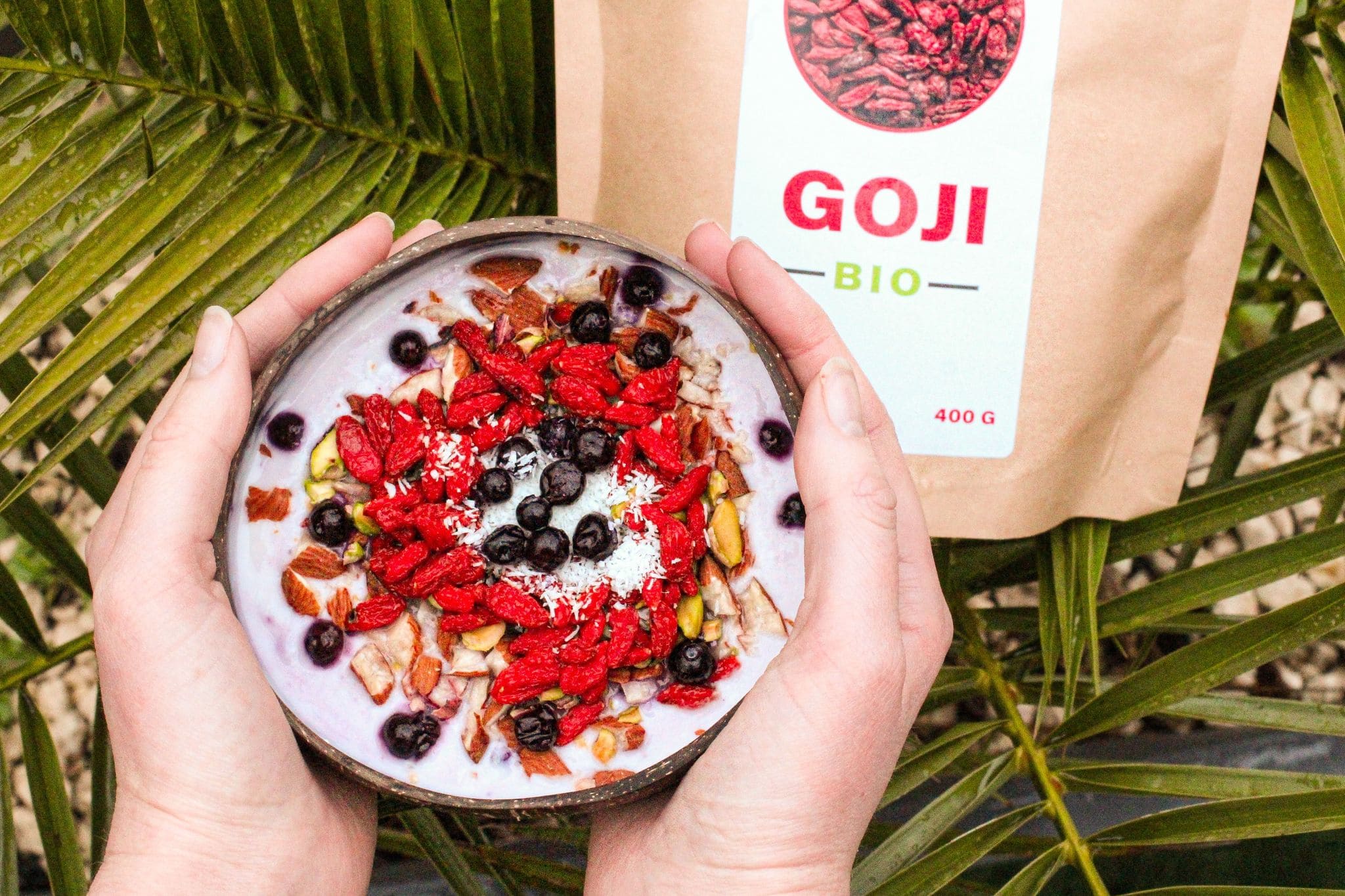
Get your fill of omega-3 and fiber with this easy-to-make dish. A healthy, balanced recipe to boost your gut flora.
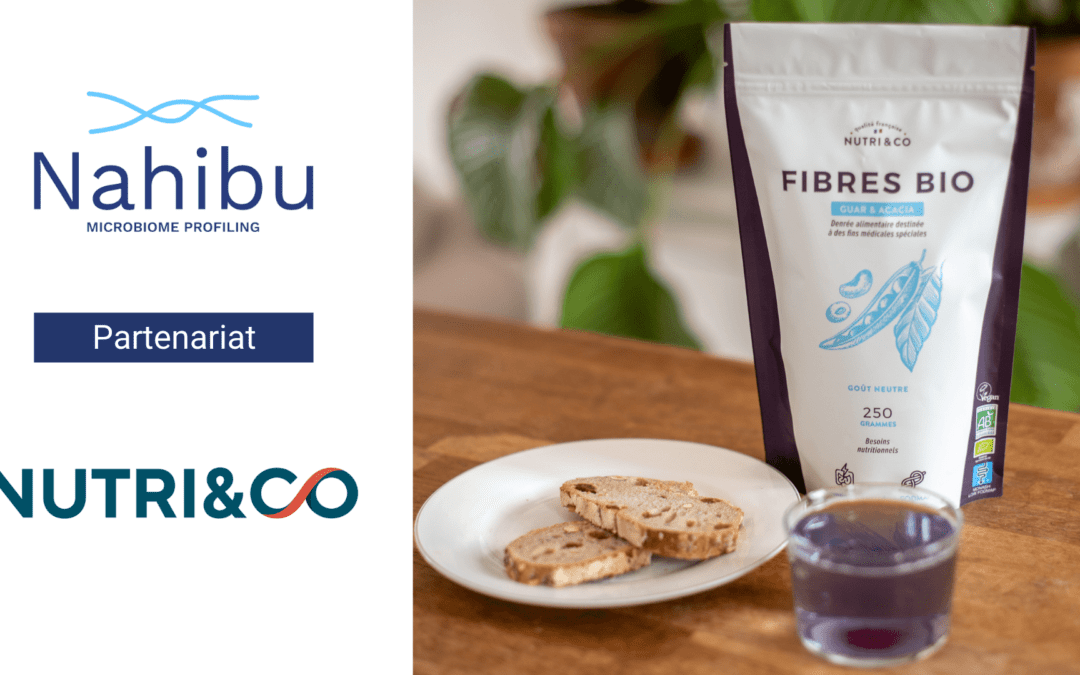
Partnership between Nutri&Co; and Nahibu
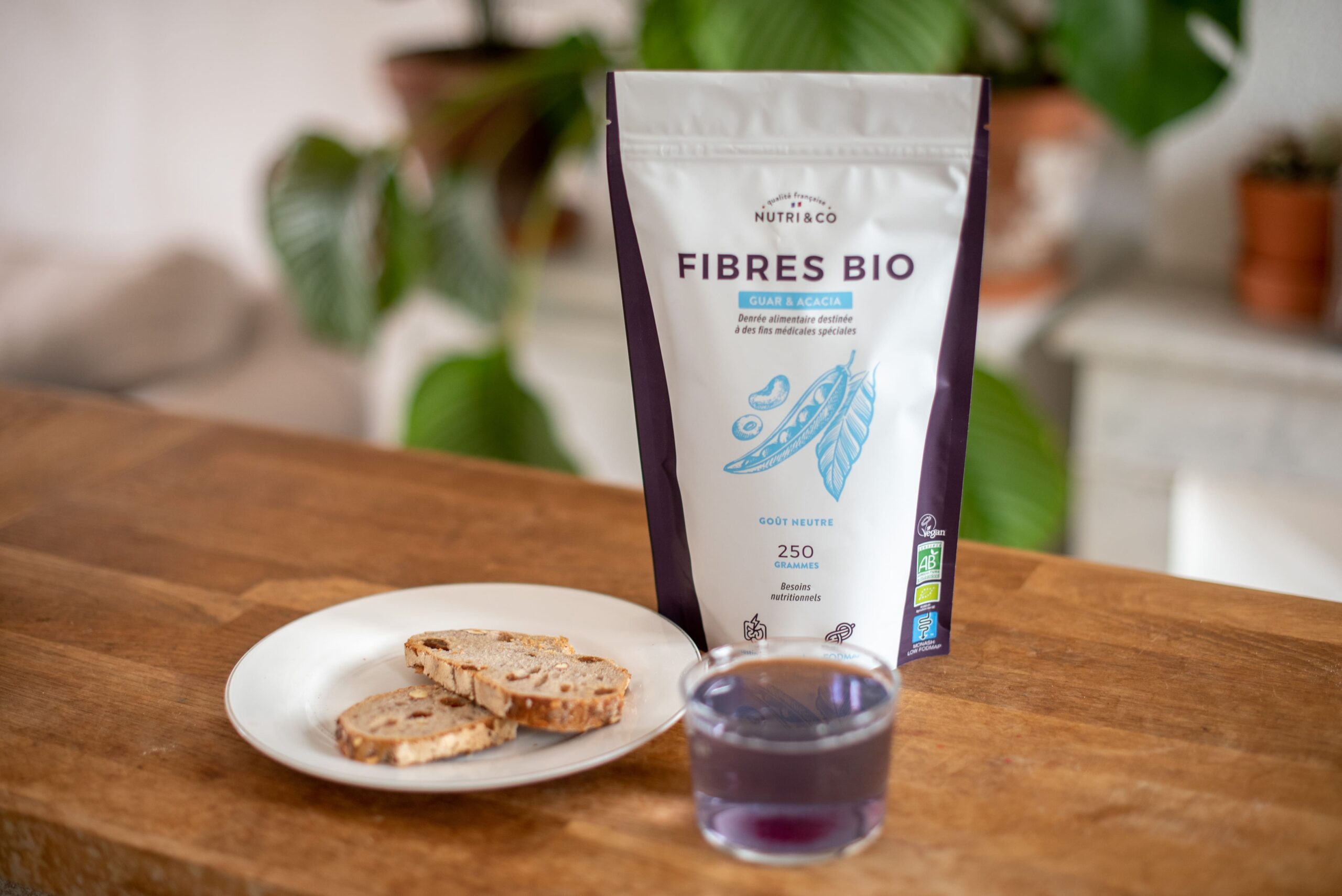
Bio Fibers, the first ingredient developed by Nutri&Co, certified vegan and low-FODMAP!
Can you tell us about Nutri&Co?
Nutri&Co is a young French company founded in 2017 that strives to legitimize the key role of nutraceuticals in preventive healthcare. Nutraceuticals is the generic name for the dietary supplement industry. These two words are actually just the regulatory designation. Our job is to develop high-quality formulas and promote them through communication and marketing, the latter of which is currently exclusively digital. Today, Nutri&Co employs more than 30 people in Aix-en-Provence and has developed 14 formulas, all of which have become must-haves. In total, more than 600,000 bottles have been sold since the company was founded.
Can you tell us about your product?
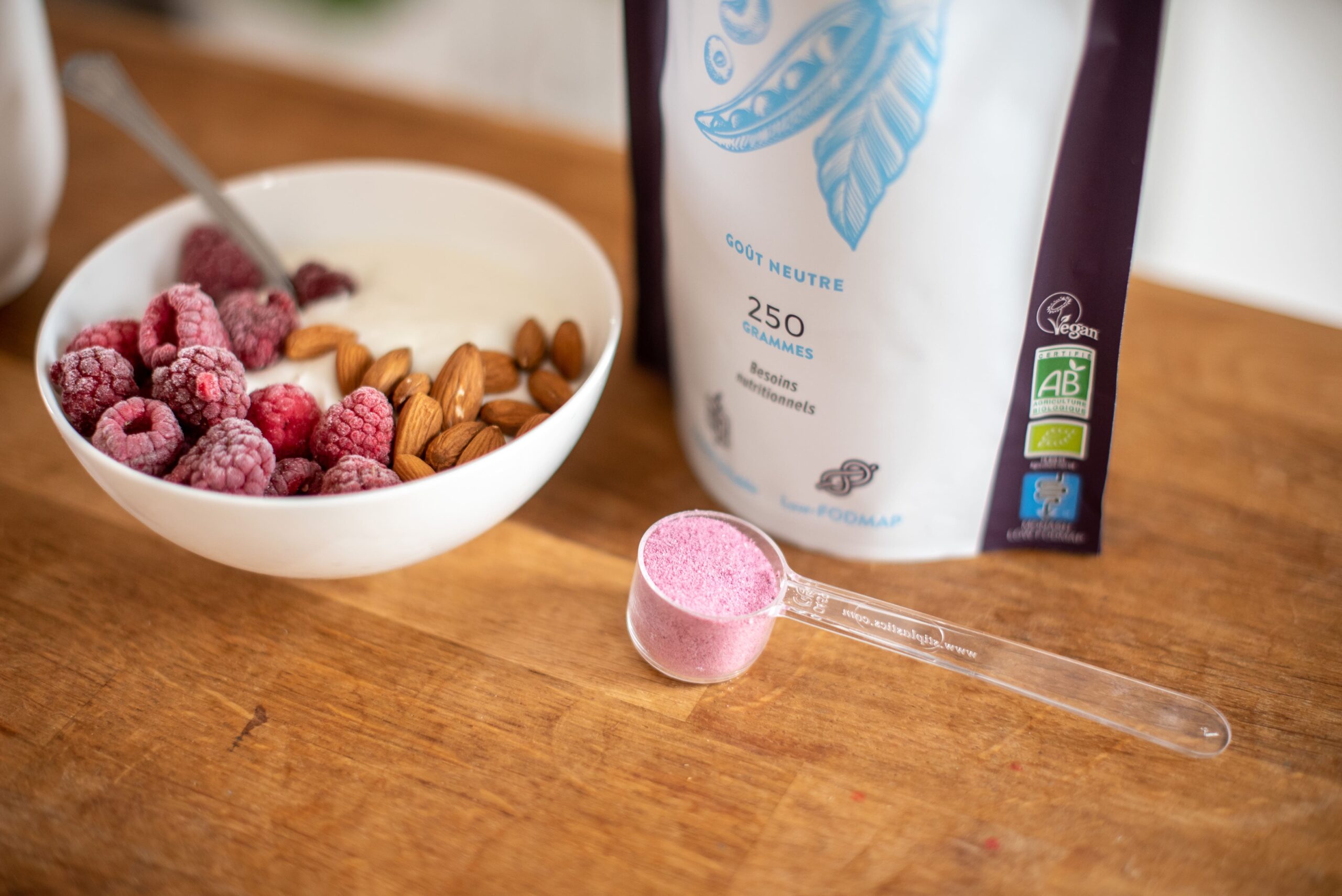
Our Organic Fiber Mix is a combination of soluble organic guar gum and acacia fibers designed to provide an easy source of dietary fiber. It has been specially developed for people suffering from IBS (Irritable Bowel Syndrome) who generally limit their fiber intake or rigorously select the fibers they consume and favor a low-FODMAP diet, which is difficult to follow strictly.
Our mix combines effectiveness and practicality: with approximately 5.3g of fiber per serving, it is tasteless and odorless, perfectly soluble in hot or cold drinks and yogurt, and can be easily incorporated into cakes and cooked dishes. We have even published a recipe book to make it easier, more fun, and more appetizing to include in your daily diet. The challenge in developing the product was to find the optimal granulation to ensure the mix was soluble and easy to use in your daily preparations.
Our formula is Low-FODMAP certified: Certified Low-FODMAP by Monash University (a leader in FODMAP research), our Organic Fiber formula is specifically designed using clinically documented dietary fibers to allow people with IBS to consume more fiber without experiencing discomfort.
Presentation:
In a 250g doypack bag. With measuring scoop.
- 1 scoop = 5.3g of fiber. 1 to 5 scoops per day.
- For 1 scoop/day: sachet lasts 1.5 months
- For 5 scoops/day: the bag will last 9 days
What are the health and wellness benefits of consuming these fibers?
Our eating habits have changed significantly, and above all, they have changed very quickly. One of the publications resulting from the analysis of NutriNet Santé data (scientific work studying the eating habits of French people) is very clear: out of a total of more than 100,000 participants monitored between 2009 and 2019, the consumption of ultra-processed and ultra-formulated products (high in energy and low in nutritional value) is at the expense of fiber consumption [1]. This is logical, since the industrialization of food has led to a decrease in the consumption of products that undergo little or no processing: raw fruits, vegetables, and whole grain products.
These behaviors and food choices automatically lead to a decrease in fiber consumption. In France, ANSES has established that a sufficient intake of dietary fiber for adults is 30g/day. At the European level (EFSA), the recommendation is around 25g/day. The latest French INCA survey [2], conducted in 2017, revealed insufficient daily fiber intake, with an average of only 19.6g. Analysis of food consumption in the NutriNet Santé cohort confirms these values, concluding that fiber intake is around 19.5g/day [3]. Insufficient fiber intake has also been reported in other developed countries, suggesting that this is a truly global problem [4].
The importance of fiber in daily life
In general, the health benefits of high-fiber diets are well established and are correlated with: [14–16]:
- Fewer intestinal disorders,
- Better weight control: increased food volume and slower digestion (satiating effect),
- Better blood sugar control (blood glucose levels): slowing down sugar absorption (limiting blood sugar spikes) and reducing the tendency to store excess sugar as fat,
- Better cholesterol control (LDL levels in the blood): capture of cholesterol that can be eliminated in the stool.
Take care of your microbiota with Nahibu.
Fiber and irritable bowel syndrome
The World Gastroenterology Organization (WGO) defines irritable bowel syndrome (IBS), irritable colon, or functional colopathy as a functional intestinal disorder in which abdominal pain or discomfort is associated with defecation and/or a change in bowel habits. IBS is a fairly common disorder that affects approximately 11% of the adult population worldwide and nearly 5% in France. Its prevalence varies between countries and affects three times more women than men [18–20]. Several causes or triggers are suspected. In all cases, it would appear that the origin is multifactorial:
- Diet
- Psychological factors (such as stress)
- Infections
- Microbiota health (richness and diversity)
- Genetic factors
Fiber is difficult to digest for people with irritable bowel syndrome. It can cause characteristic digestive problems such as gas, bloating, constipation, diarrhea, etc. [21]. As a result, people with IBS avoid dietary fiber because of the discomfort it causes, even though it is essential for their health. Furthermore, less fiber has an impact on their microbiota, which becomes poorer, which can aggravate their IBS, creating a vicious circle.
It should be noted here that there are two categories of fiber depending on their solubility: soluble fiber and insoluble fiber. When it comes to diets for people with irritable bowel syndrome (IBS), there is a consensus that a low-FODMAP diet may be considered on a temporary basis (especially if general advice on diet and lifestyle proves ineffective).
In practice, people with irritable bowel syndrome will seek to limit their consumption of foods rich in FODMAPs. But how can FODMAP-type fibers be excluded without sacrificing all dietary fiber?
Our Low-FODMAP Organic Fiber Mix has been formulated to:
- increase fiber intake simply and effectively,
- meet fiber needs and, more specifically, address the pronounced deficiencies in people with irritable bowel syndrome.
For this formula, we have selected two soluble fibers whose physicochemical properties (including optimal viscosity) allow them to be slowly fermented by the gut microbiota:
- Partially hydrolyzed guar gum fiber (galactomannan),
- Acacia gum fiber (arabinogalactan).
Clinical data on our selected fibers for IBS
Acacia fiber [22] and partially hydrolyzed guar fiber [23,24] have been studied in the context of irritable bowel syndrome. They have shown good tolerance in people with irritable bowel syndrome, indicating that they can be taken as a daily supplement to compensate for fiber deficiency.
Recommendations
- Our Organic Fibers are not defined as a formulation to directly reduce the symptoms of irritable bowel syndrome.
- Our Organic Fibers help compensate for potential fiber deficiency in cases of irritable bowel syndrome.
This is why our Organic Fibers duo is suitable for a low-FODMAP diet and should be incorporated into a structured diet under the supervision of a doctor/dietitian in cases of IBS.
How did the concept come about?
In Europe, and more specifically in France, this preventive approach is new, as our view of health is culturally very curative. To put it simply, until now we waited until we got sick to seek treatment. But the health wave coming from the Nordic countries is spreading across the old continent, and the perspective gained on our modern lifestyles is leading us to adopt this proactive approach earlier and earlier. It is in this context that Edouard, a 27-year-old bodybuilding enthusiast and practitioner, became interested in nutrition. He realized that Western diets are deficient in certain key nutrients such as vitamin D, magnesium, and omega-3 fatty acids. He therefore turned his attention to nutraceuticals, but came to a bitter realization: French people are not proud to consume this type of product, which is still too closely associated with medicine, and there is widespread skepticism about their effectiveness. Added to this is the fact that the products on offer do not at all encourage personal responsibility and that the customer experience is neglected:
Product information is technical and fragmented, even for a pharmacist!
Prices vary by up to 100%, leading to a lack of confidence.
There is no transparency about products that appear at first glance to be highly processed (when in fact they are not).
Finally, the sterile aesthetics derived from laboratory culture leave no room for emotion.
Nutri&Co was therefore founded with the aim of giving nutraceuticals their rightful place in preventive health care, by establishing them as part of everyday life. This mission is embodied above all in a quest for the greatest possible effectiveness, made accessible to all. Our approach responds to the deepest aspirations of human beings: to learn and live more intensely.
The three pillars that set us apart:
Back to efficacy
We make no concessions when it comes to the efficacy of our formulas. At N&C, we don't buy environmental awareness with a kraft bottle that protects nothing, or free from products with excessive labeling… With us, what you buy is first and foremost efficacy. This is particularly evident in our bio-identical approach, which avoids the fanaticism of total vegetarianism and reconciles science and nature.
A guiding brand
The second strong element of the brand is our desire to support the need for self-care (i.e., taking charge of one's health, not self-medication). This involves carefully crafted educational content that is accessible to all, as well as a firm belief that preventive health care takes precedence over curative care. This brand pillar is reflected in our product infographics, our ability to simplify scientific discourse, our videos, and certain posts on social media.
Aesthetics to make people proud
Because dietary supplements have been marketed as medicines for too long, their consumption is taboo. To remove the stigma and promote the image of prevention as something socially valuable, we focus on aesthetics inspired by the codes of cosmetics: elegant, colorful bottles, carefully designed galenics (Licaps, etc.), and above all, positive semantics (Nutra, bottles, capsules, etc.).
What is your area of expertise?
Absolute product mastery
- 100% in-house formulation: we don't just take products off the shelf from manufacturers, we launch pre-clinical studies
- Control of the production chain thanks to our volumes = direct negotiation of strategic ingredients and maintenance of good prices.
- Regulatory engineering: promoting new, promising ingredients.
- Quality control: pushed to the level of large dietary supplement laboratories (rare in the start-up world).
A 2.0 customer experience
- Interactive and fun omnichannel experience: eShop, e-Marketplace, prescribers, pharma, etc.
- True transparency: names of ingredient producers, prices, and analyses.
- Ultra-responsive, accurate, and internalized after-sales service: telephone and social media.
- Refined aesthetics: to create an emotional connection around the act of consumption, fostering pride and loyalty.
- Honest personalization: after the purchase process and in terms of dosage.
Product labels

Sources:
Beslay, M.; Srour, B.; Méjean, C.; Allès, B.; Fiolet, T.; Debras, C.; Chazelas, E.; Deschasaux, M.; Wendeu-Foyet, M.G.; Hercberg, S.; et al. Ultra-Processed Food Intake in Association with BMI Change and Risk of Overweight and Obesity: A Prospective Analysis of the French NutriNet-Santé Cohort. PLOS Med. 2020, 17, e1003256, doi:10.1371/journal.pmed.1003256.
- ANSES National Individual Study of Food Consumption 3 (INCA 3). ANSES opinion. Collective expert report; 2017; p. 566;.
- Partula, V.; Deschasaux, M.; Druesne-Pecollo, N.; Latino-Martel, P.; Desmetz, E.; Chazelas, E.; Kesse-Guyot, E.; Julia, C.; Fezeu, L.K.; Galan, P.; et al. Associations between Consumption of Dietary Fibers and the Risk of Cardiovascular Diseases, Cancers, Type 2 Diabetes, and Mortality in the Prospective NutriNet-Santé Cohort. Am. J. Clin. Nutr. 2020, 112, 195–207, doi:10.1093/ajcn/nqaa063.
- Stephen, A.M.; Champ, M.M.-J.; Cloran, S.J.; Fleith, M.; van Lieshout, L.; Mejborn, H.; Burley, V.J. Dietary Fiber in Europe: Current State of Knowledge on Definitions, Sources, Recommendations, Intakes, and Relationships to Health. Nutr. Res. Rev. 2017, 30, 149–190, doi:10.1017/S095442241700004X.
- Anderson, J.W.; Baird, P.; Davis Jr, R.H.; Ferreri, S.; Knudtson, M.; Koraym, A.; Waters, V.; Williams, C.L. Health Benefits of Dietary Fiber. Nutr. Rev. 2009, 67, 188–205, doi:10.1111/j.1753-4887.2009.00189.x.
- Slavin, J. Fiber and Prebiotics: Mechanisms and Health Benefits. Nutrients 2013, 5, 1417–1435, doi:10.3390/nu5041417.
- Mattea Müller; Emanuel Canfora; Ellen Blaak Gastrointestinal Transit Time, Glucose Homeostasis and Metabolic Health: Modulation by Dietary Fibers. Nutrients 2018, 10, 275, doi:10.3390/nu10030275.
- Lovell, R.M.; Ford, A.C. Global Prevalence of and Risk Factors for Irritable Bowel Syndrome: A Meta-Analysis. Clin. Gastroenterol. Hepatol. 2012, 10, 712-721.e4, doi:10.1016/j.cgh.2012.02.029.
- Canavan, C.; West, J.; Card, T. The Epidemiology of Irritable Bowel Syndrome. Clin. Epidemiol. 2014, 71, doi:10.2147/CLEP.S40245.
- SNFGE Irritable Bowel Syndrome Available online: https://www.snfge.org/content/syndrome-de-lintestin-irritable.
- Zisimopoulou, S.; Guessous, I. Irritable Bowel Syndrome: A Diagnosis of Exclusion? Rev. Médicale Suisse 2012, 1821–1825.
- Min, Y.W. Effect of Composite Yogurt Enriched with Acacia Fiber and Bifidobacterium Lactis. World J. Gastroenterol. 2012, 18, 4563, doi:10.3748/wjg.v18.i33.4563.
- Niv, E.; Halak, A.; Tiommny, E.; Yanai, H.; Strul, H.; Naftali, T.; Vaisman, N. Randomized Clinical Study: Partially Hydrolyzed Guar Gum (PHGG) versus Placebo in the Treatment of Patients with Irritable Bowel Syndrome. Nutr. Metab. 2016, 13, 10, doi:10.1186/s12986-016-0070-5.
- Yasukawa, Z.; Inoue, R.; Ozeki, M.; Okubo, T.; Takagi, T.; Honda, A.; Naito, Y. Effect of Repeated Consumption of Partially Hydrolyzed Guar Gum on Fecal Characteristics and Gut Microbiota: A Randomized, Double-Blind, Placebo-Controlled, and Parallel-Group Clinical Trial. Nutrients 2019, 11, 2170, doi:10.3390/nu11092170.
Discover more articles on the microbiota.
Shrimp ceviche
The diversity of the gut microbiota: a key indicator of your health?
A high diversity of gut microbiota is often associated with the proper functioning of the body and helps to stay healthy.
Guacamole
Fancy something sweet to accompany your aperitif in a healthy way? Guacamole is just the thing. Enjoy it with some corn chips and top it off with some crunchy vegetables.
Take care of your microbiota with Nahibu.