The diversity of the gut microbiota: a key indicator of your health?

The diversity of the gut microbiota: a key indicator of your health?

The diversity of your gut microbiota: a key indicator of your health

What is microbiota diversity?

Diversity refers to the number of bacterial species present in your gut. These species may or may not be active. Significant bacterial diversity is often associated with the proper functioning of the body and helps to keep you healthy. Microbiota diversity helps to improve the immune system and ward off pathogens.

Why test your microbiota diversity?

According to Stanislav Dusko Ehrlich, Professor Emeritus of Microbiology at INRA, low gut microbiota diversity poses a threat to health: 

Recent scientific studies agree that there has been a loss of biodiversity in the gut microbiome in industrialized countries, which also threatens those countries that are in the process of becoming industrialized.

In healthy individuals, it is associated with the risk of developing serious chronic diseases, such as diabetes, liver disease, cardiovascular disease, and even certain types of cancer. But also asthma, allergies, chronic inflammatory bowel disease, autism, and other mental disorders.

Analysis of the gut microbiota to highlight its diversity.

Nahibu's microbiota analysis highlights the loss of diversity, which is the first essential step in combating it, preferably through appropriate nutrition for those at risk.

It thus lays the foundation for counteracting this largely unknown scourge that threatens us all. Nahibu's gut microbiota analysis highlights each individual's strengths and weaknesses, enabling them to take positive action through dietary advice.

By adapting your diet to the uniqueness of your microbiota and your needs, you can significantly improve certain digestive disorders, regulate your weight, prevent certain diseases, and strengthen your immune system.

Take care of your microbiota with Nahibu.
Discover more articles on the microbiota.
Partnership between Bio-Recherche and Nahibu

Partnership between Bio-Recherche and Nahibu

Bio-Recherche Laboratories specialize in researching and marketing high-value-added dietary supplements whose effectiveness has been proven by clinical studies, most of which justify prescription by doctors.
Take care of your microbiota with Nahibu.

What is the difference between probiotics and prebiotics?

What is the difference between probiotics and prebiotics?

What is the difference between probiotics, prebiotics, synbiotics, and postbiotics?

summary


Probiotics, prebiotics, synbiotics, and postbiotics modulate the composition of the gut microbiota and prevent the risk of dysbiosis. They are a promising therapeutic alternative whose beneficial effects have already been demonstrated by scientific studies.

The gut microbiota 

What is the gut microbiota?

The digestive tract, consisting of the stomach and intestines, is colonized by numerous microorganisms (viruses, bacteria, archaea, and fungi). This ecosystem constitutes the gut microbiota, which evolves in concert with its host. It is involved in many of the body's functions. For example, it protects the body by defending it against pathogens. It is also involved in producing nutrients for the host and in immune responses.

What causes dysbiosis of the gut microbiota? 

An imbalance in the gut microbiota, more commonly known as dysbiosis, contributes to the onset of certain diseases such as neurodegenerative diseases (Alzheimer's, Parkinson's, etc.), metabolic diseases (diabetes, obesity, etc.), cancers, allergies, etc. This is why restoring its balance is now essential for the host to improve their health.

How can dysbiosis be prevented? 

A diet enriched with probiotics, prebiotics, synbiotics, and postbiotics is beneficial for the composition and diversity of the gut microbiota, as well as its balance with the body. It limits the risk of dysbiosis.

probiotic

What are probiotics, prebiotics, synbiotics, and postbiotics?

The term biotic, from the Latin bioticius meaning pertaining to life, refers to all factors related to the activity of living beings. Probiotics, prebiotics, synbiotics, and postbiotics modulate the composition of the ecosystem and its activity. They are naturally present in certain foods and are beneficial to those who consume them. They can also be taken as dietary supplements.

probiotics

What is a probiotic?


Definition of probiotics 

Probiotics are live microorganisms that, when ingested in sufficient quantities, have beneficial effects on the individual. They combat the colonization and development of pathogenic microorganisms in the intestine.

How to choose your probiotics? 

A compound is considered a probiotic if and only if it meets a number of criteria. It must be gastro-resistant, meaning that it must not break down before reaching the colon, where it performs its functions. In addition, its effectiveness on health must have been scientifically studied and cannot be generalized to all strains of the same species.

Health benefits of probiotics 

Probiotics have many health benefits. First, they promote the growth of good bacteria at the expense of pathogenic bacteria from the environment or diet and improve the effectiveness of the immune system.

They play a role in certain conditions such as inflammatory bowel disease and irritable bowel syndrome by reducing symptoms. They may also reduce the incidence of colon cancer. They have positive effects on episodes of diarrhea, particularly on their duration. They improve the digestion of lactose and sucrose in cases of lactose and sucrose intolerance. Finally, certain products of their metabolism may have antibiotic, anti-carcinogenic, and immunosuppressive properties.

Which probiotic should you take to rebuild your intestinal flora?

Among the most effective probiotics for rebuilding your intestinal flora are bacteria such as Lactobacillus, Bifidobacterium, Streptococcus, Bacillus, Enterococcus, and yeasts such as Saccharomyces boulardii, which can be found in various foods such as dairy products, kefir, kombucha, soy products, sauerkraut, brewer's yeast, etc.

healthy

Shido recommends probiotics tailored to your gut microbiota.

Personalized

Health benefits of prebiotics 

Prebiotics are extremely beneficial to the host. First, they promote the growth of good intestinal bacteria such as Bifidobacteria, Lactobacilli, etc., to the detriment of pathogenic bacteria. In addition, their positive effects have been demonstrated in stimulating the immune system, increasing nutrient absorption, reducing blood cholesterol levels, and preventing carcinogenesis.

Examples of prebiotics 

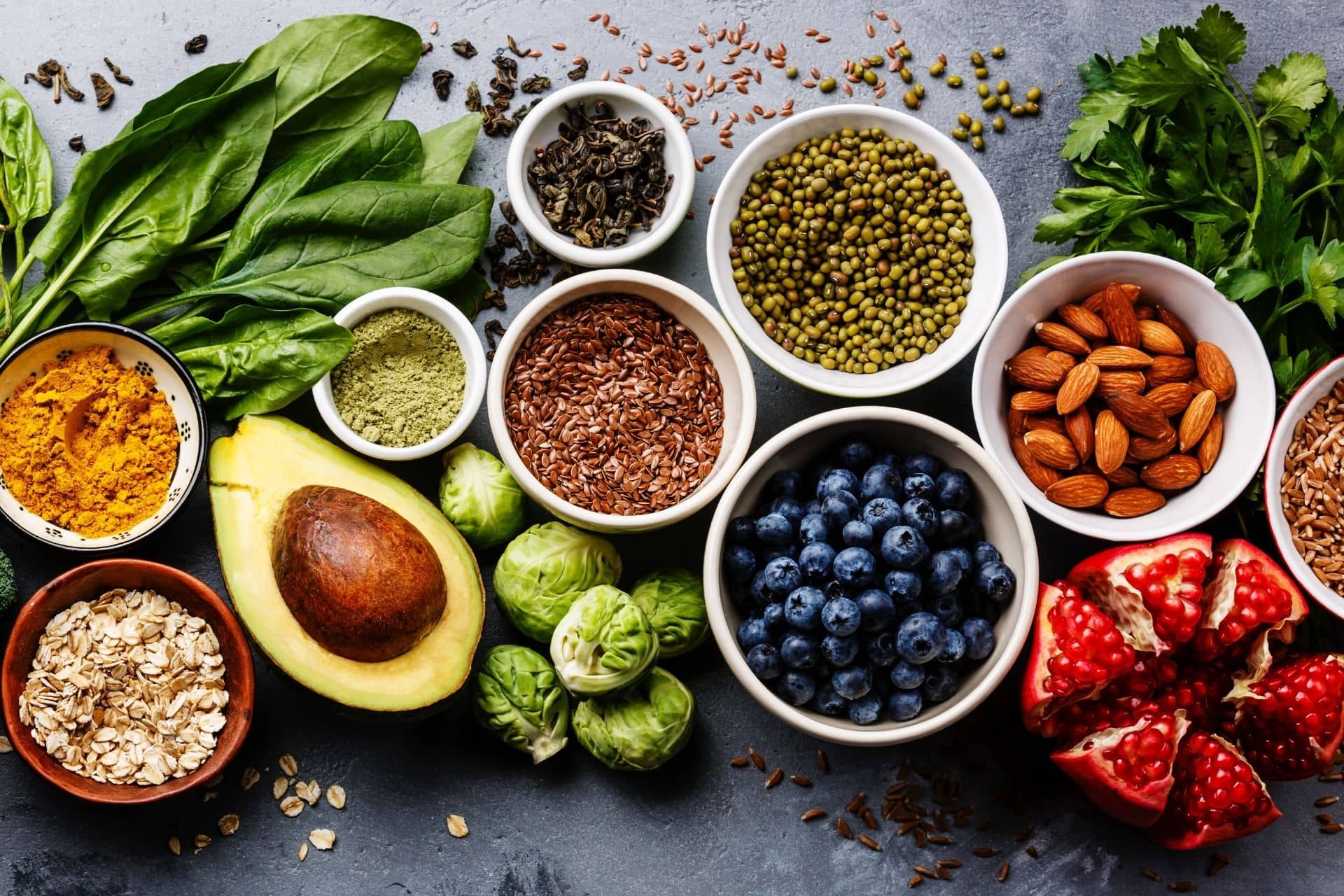
There are various sources of prebiotics, such as inulin, FOS (fructo-oligosaccharides), GOS (galacto-oligosaccharides), and fructans, which can be found in vegetables (garlic, artichokes, asparagus, beets, broccoli, cabbage, leeks, endives, fennel, green beans, tomatoes, etc.), legumes (flageolet beans, black beans, red beans, lentils, chickpeas, etc.), fruits (bananas, apples, dried fruit, dates, figs, grapefruit, pears, etc.), roots (chicory, parsnips, and Jerusalem artichokes), oilseeds (almonds, walnuts, pistachios, etc.), and seeds (oats, whole wheat, flax, barley, and rye).

dietary

What is a symbiotic?

Definition of synbiotics 

Symbiotics are substances that contain both a probiotic and a prebiotic that work synergistically. The prebiotic component selectively stimulates the growth of the probiotic microorganism and enables it to survive in the digestive tract.

How to choose your symbiotics?

When choosing a symbiotic, there are a number of criteria to consider. First, it is important to pay attention to the diversity of strains and the quantity of microorganisms ingested. Finally, it is essential that they are gastro-resistant in order to colonize the colon.

Health benefits of synbiotics 

In the case of symbiotic substances, the combination of prebiotics and probiotics allows the probiotics to survive and increase their health benefits for the host. Symbiotics combine the benefits of probiotics and prebiotics. Finally, it is important to note that synbiotics do not have a specific effect on overall health. The benefits of synbiotics are rather associated with the specific combination of probiotics and prebiotics found in a synbiotic supplement.

Examples of synbiotics 

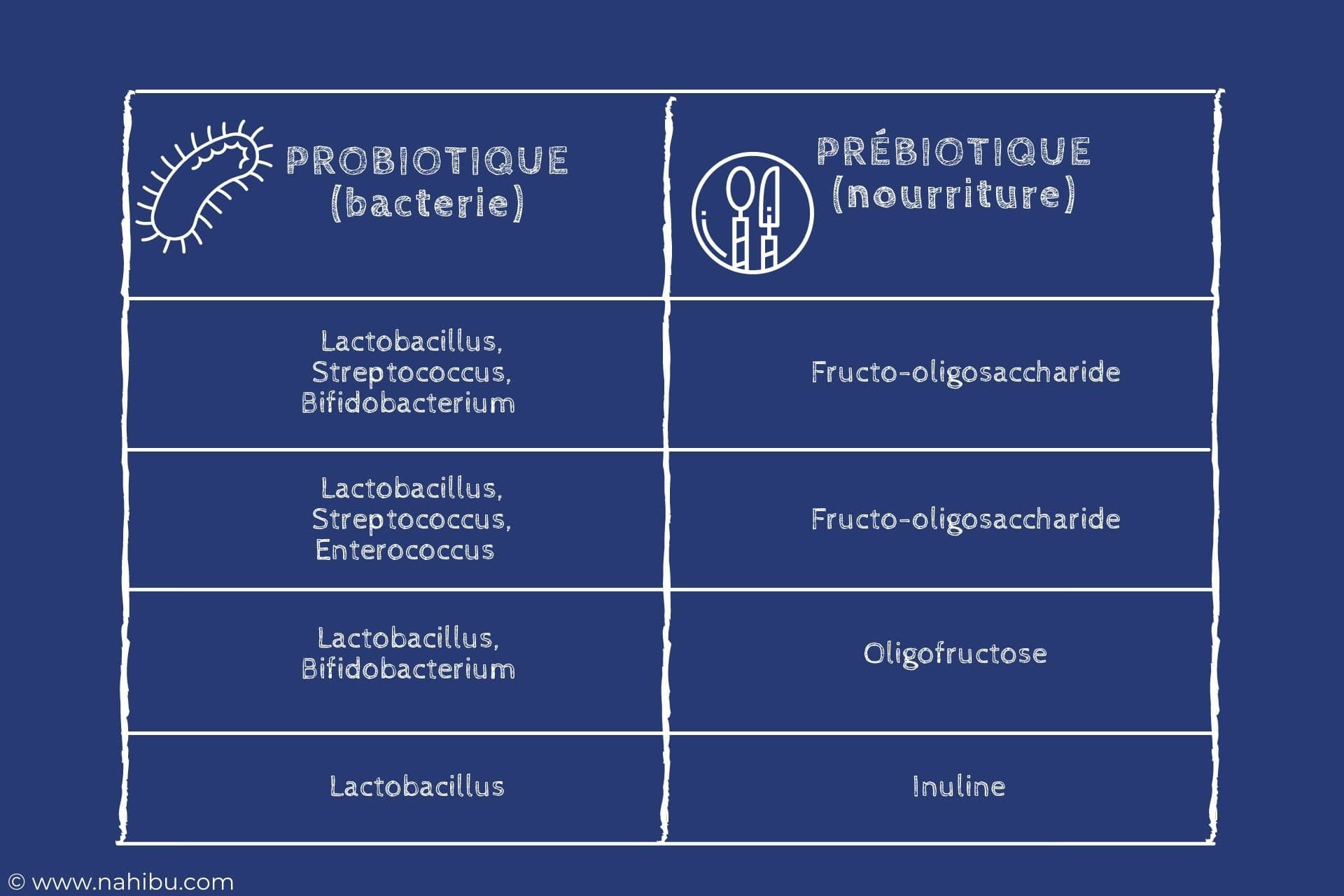
Among the most commonly used symbiotics in human nutrition are the combinations listed in the table below:

example

What is a postbiotic?

Definition of postbiotics

Finally, postbiotics are compounds produced by the activity of microorganisms. The metabolization of prebiotics by probiotics generates metabolites such as short-chain fatty acids (SCFAs), enzymes, and substrates that are extremely beneficial to the body.

Enzyme: a molecule that contributes to the progress of a biochemical reaction

Substrate: substance on which the enzyme acts during the biochemical reaction

Fatty acid: a component of lipids (or fats)

Health benefits of postbiotics

In addition to improving overall health, postbiotics are effective in preventing and limiting the symptoms of several diseases. They are most commonly used in infants to reduce colic and in people with severe inflammatory bowel disease such as Crohn's disease or ulcerative colitis. They are also effective in cases of atopic dermatitis (or atopic eczema). However, they are currently only used in specific clinical contexts.

Nahibu

Conclusion

In conclusion, probiotics, prebiotics, synbiotics, and postbiotics offer numerous health benefits. They prevent the risk of dysbiosis and therefore the disorders that can be associated with it. To reap the full benefits, it is essential to eat a healthy and varied diet rich in probiotic and prebiotic foods (Shido) or to take dietary supplements enriched with these nutrients.

Sources:

Paulina Markowiak, Katarzyna Slizewska. Effects of Probiotics, Prebiotics, and Synbiotics on Human Health. Nutrients. 2017. 

Carrie A. M. Wegh, Sharon Y. Geerlings, Jan Knol, Guus Roeselers, Clara Belzer. Postbiotics and Their Potential Applications in Early Life Nutrition and Beyond. Internal Journal of Molecular Sciences. 2019.

S.M. Schneider. Probiotics. Medicine of Metabolic Diseases. 2008

Géraldine Favre. Prebiotics and probiotics: do they have real health benefits? The role of pharmacists in advising customers in pharmacies. Pharmaceutical Sciences. 2004.

Ravi Mangal Patel, MD and Patricia Wei Denning, MD. Therapeutic Use of Prebiotics, Probiotics, and Postbiotics to Prevent Necrotizing Enterocolitis: What is the Current Evidence? Clin Perinatol. 2013.

Discover more articles on the microbiota.

Partnership between Bio-Recherche and Nahibu

Bio-Recherche Laboratories specialize in researching and marketing high-value-added dietary supplements whose effectiveness has been proven by clinical studies, most of which justify prescription by doctors.

Take care of your microbiota with Nahibu.

Nahibu: steps for analyzing your stool sample

Nahibu: steps for analyzing your stool sample

Nahibu: the steps involved in analyzing your stool sample

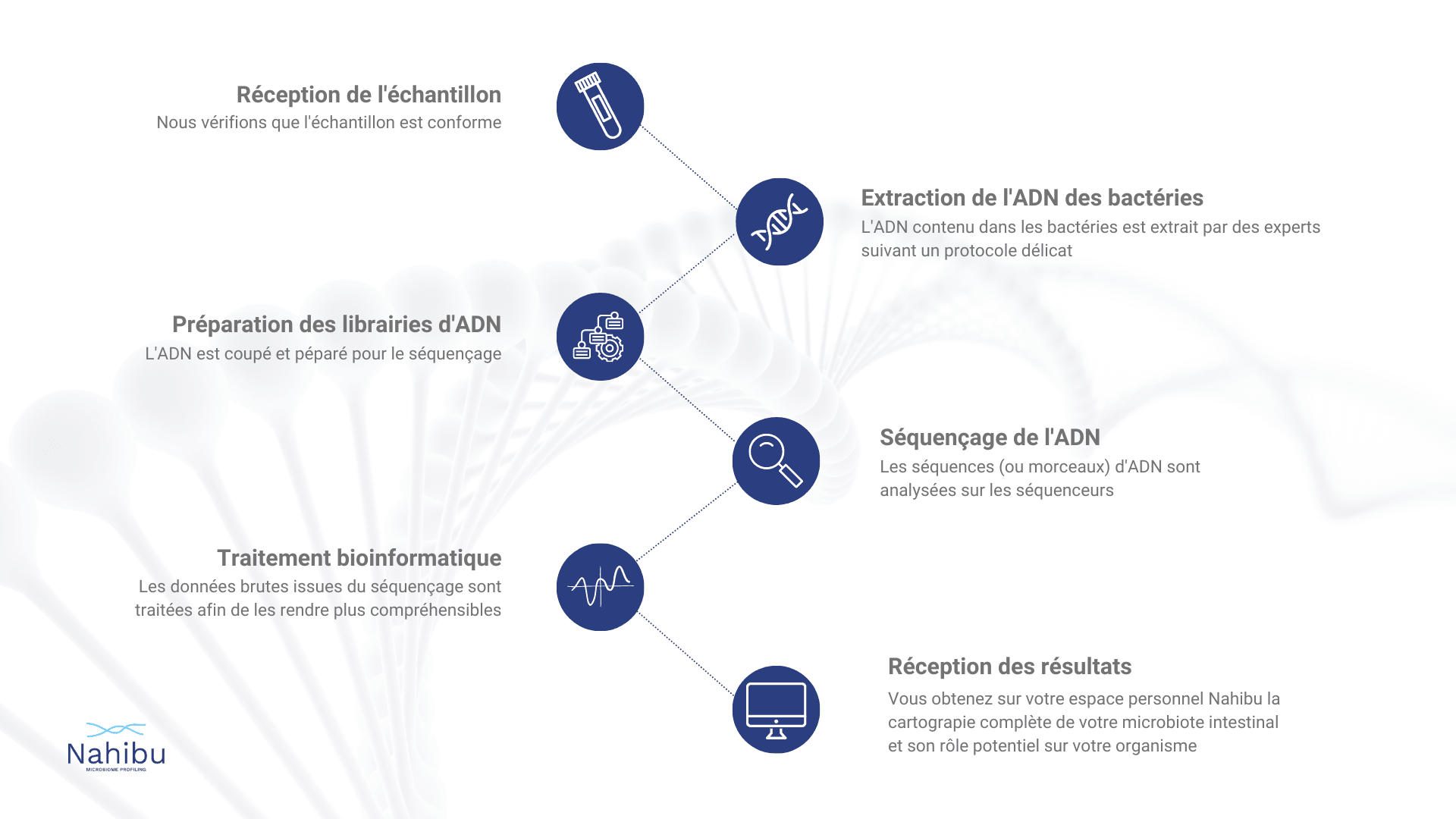
How is your sample tested? Nahibu analyzes the genes of the bacteria contained in your stool sample, which requires several successive steps carried out by highly qualified technicians who are experienced in this type of procedure. What are these different steps and why are my results not instantly uploaded to the results platform upon receipt of my sample?

The

1) Receipt of your stool sample

Upon receipt of the sample by Nahibu, an initial quality control check is performed.

 It will then be sent for sequencing at our partner laboratory.

2) DNA extraction

Next, the bacterial DNA is extracted in a laboratory dedicated to this operation, following a delicate protocol. The manipulations are carried out with great care in a dedicated space so as not to contaminate the sample with DNA from external sources. This crucial step requires the utmost precision as it can impact the results.

The aim is to obtain the purest bacterial DNA in sufficient quantity for sequencing. The protocol consists of a series of steps involving different solutions and centrifugation. At the end of the extraction process, a quality control check is carried out again to ensure that there is enough DNA to provide reliable results.

Step

3) Preparing DNA libraries

DNA cannot be sequenced as is. It is therefore fragmented and DNA libraries are prepared (one library for each sample), which takes several days.

The purpose of this step is to obtain fragments of uniform size with adapters at their ends to ensure proper analysis. Once the libraries have been prepared, they undergo quality control and normalization.

4) Sequencing 

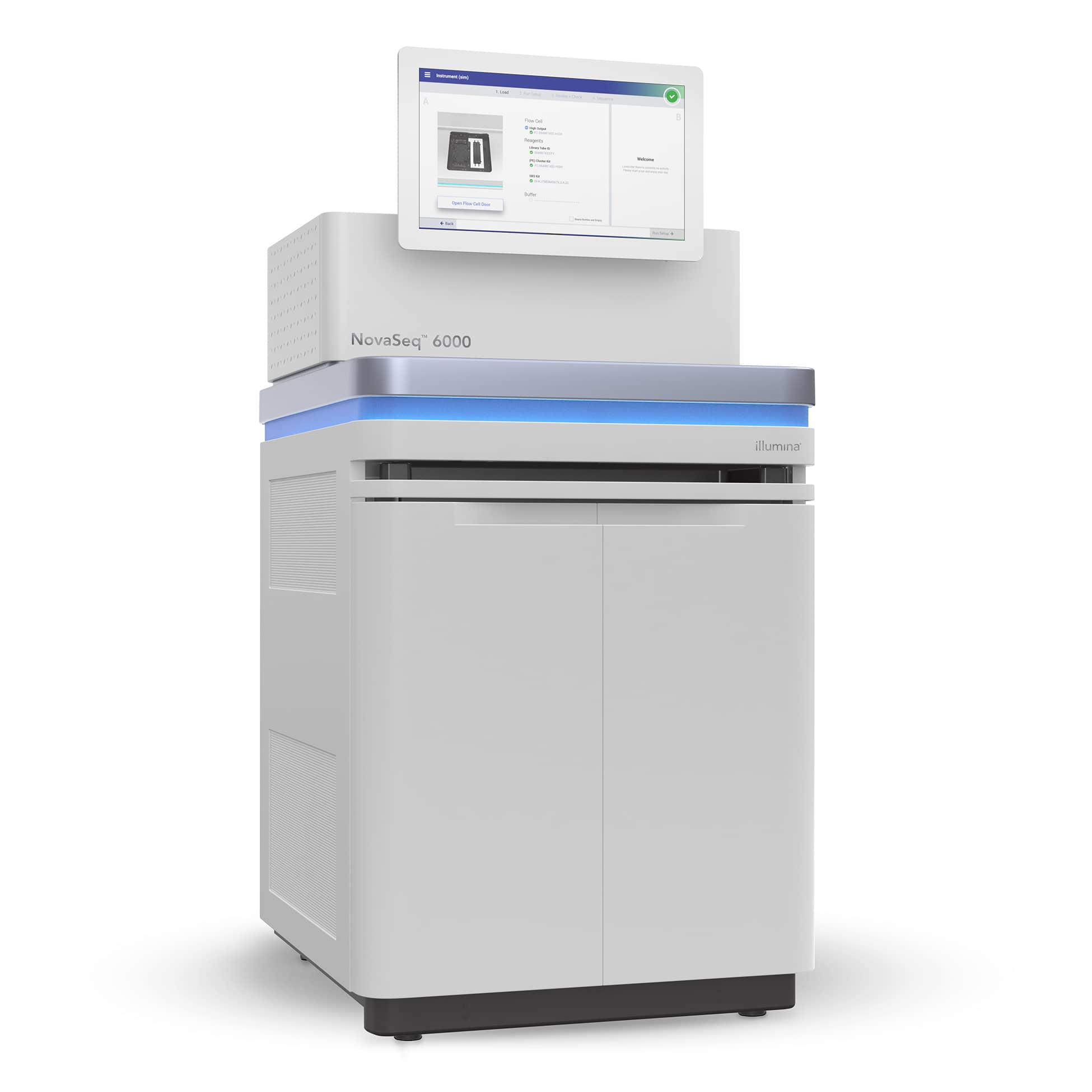
Next comes the sequencing of DNA fragments. This step uses high-tech machines called sequencers, which identify the nucleotides present on the DNA strands.

Nucleotides are the basic building blocks of DNA or RNA. There are four types of nucleotides in DNA: A, C, G, and T. Sequencing and library preparation are performed by qualified individuals trained in these procedures. The protocols are long and complex, and it takes practice to follow them correctly.

At the end of the sequencing process, DNA sequences are obtained, i.e., the sequence of different nucleotides. Nucleotides can be compared to words, whose sequence forms sentences, or sequences. The meaning of the sentences can be likened to genes.

Analysis

5) Interpretation of results

Once the sample has been sequenced, raw data is obtained: a sequence of A, T, C, or G constituting fragments (known as reads) of the microbiota metagenome. This data is stored in files that can weigh several gigabytes.

A pre-analysis is performed to check the quality of the sequencing. If the check is validated, the analysis continues. This analysis makes sense of these result files through bioinformatics processing, or data analysis. This consists of a series of steps that take several days to finally map the microbiota and interpret it in functional terms.

From the identified genes, we determine the species present in your microbiota; this is called taxonomic analysis. For this step, we use various software programs commonly used in metagenomic analysis. The results of this software allow us to calculate the richness (the number of different species present) as well as the enterotype (the type of bacteria most represented in your microbiota).

At Nahibu, we don't stop at simply listing the bacteria detected in your sample. We group the genes present in the microbiota into large functional families called functional modules according to their impact on the body's metabolic pathways. This allows us to explain yohttps://nahibu.com/microbiote-intestinal/e and thus identify its potential strengths and weaknesses.

Results

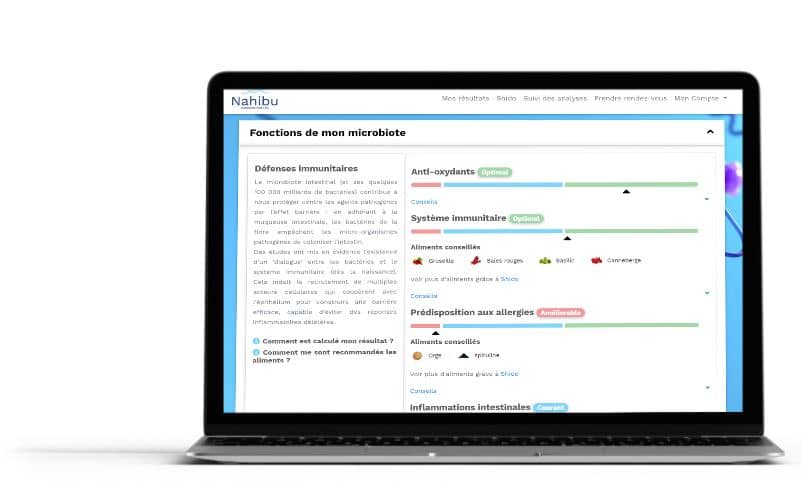
6) Receiving your analysis results

Once all these steps have been completed, your results will be available in your Nahibu personal space in the form of a report with a map of your microbiota and a functional analysis of it.

Take care of your microbiota with Nahibu.

Discover more articles on the microbiota.

Partnership between Bio-Recherche and Nahibu

Partnership between Bio-Recherche and Nahibu

Bio-Recherche Laboratories specialize in researching and marketing high-value-added dietary supplements whose effectiveness has been proven by clinical studies, most of which justify prescription by doctors.

Take care of your microbiota with Nahibu.

Nahibu: presentation of the sampling kit.

Nahibu: presentation of the sampling kit.

The

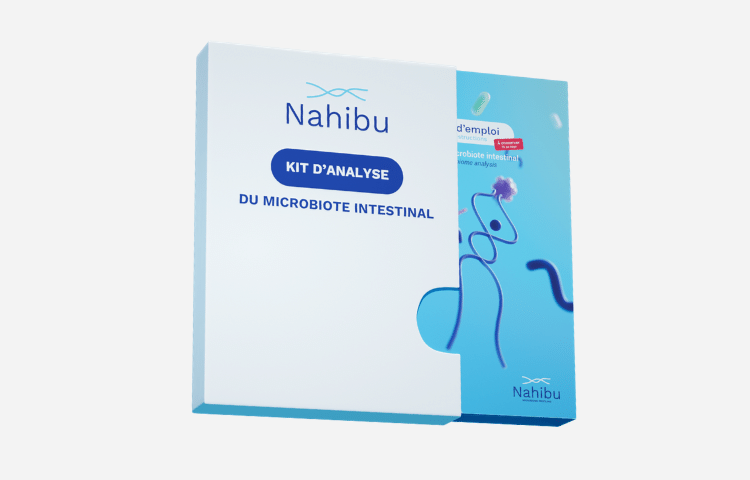
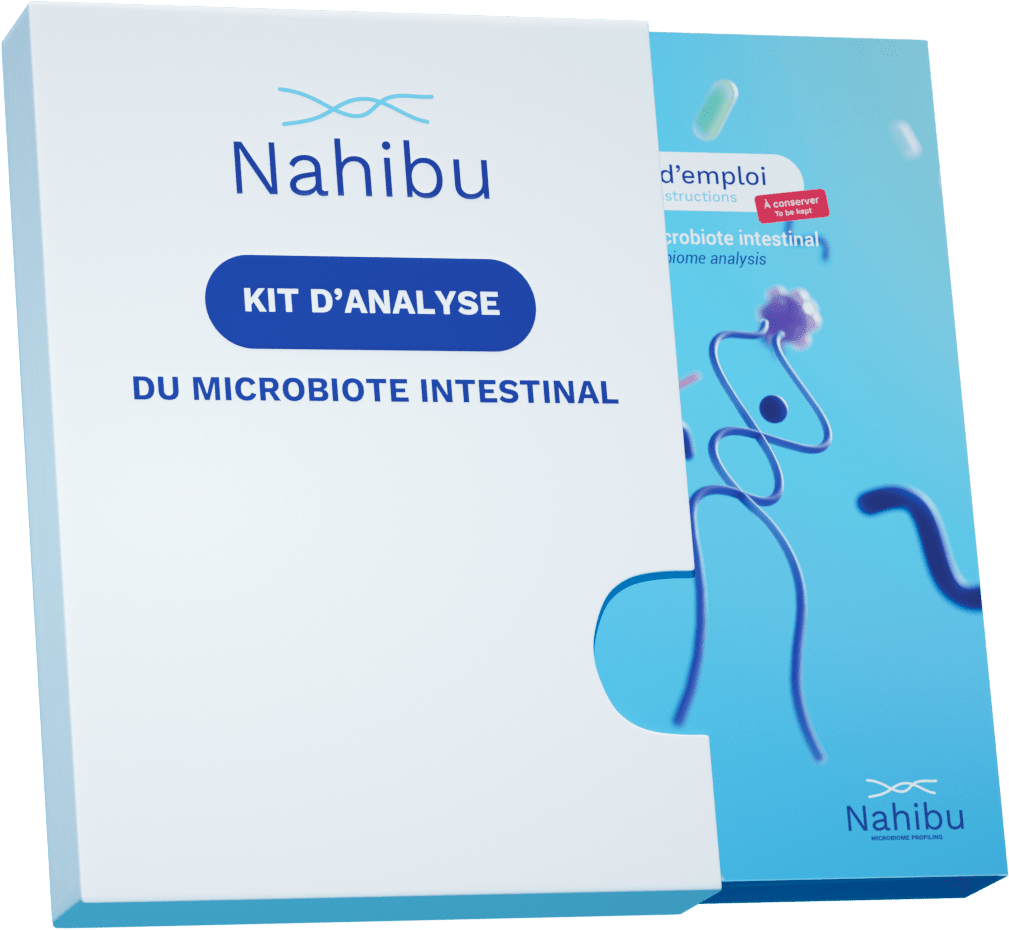
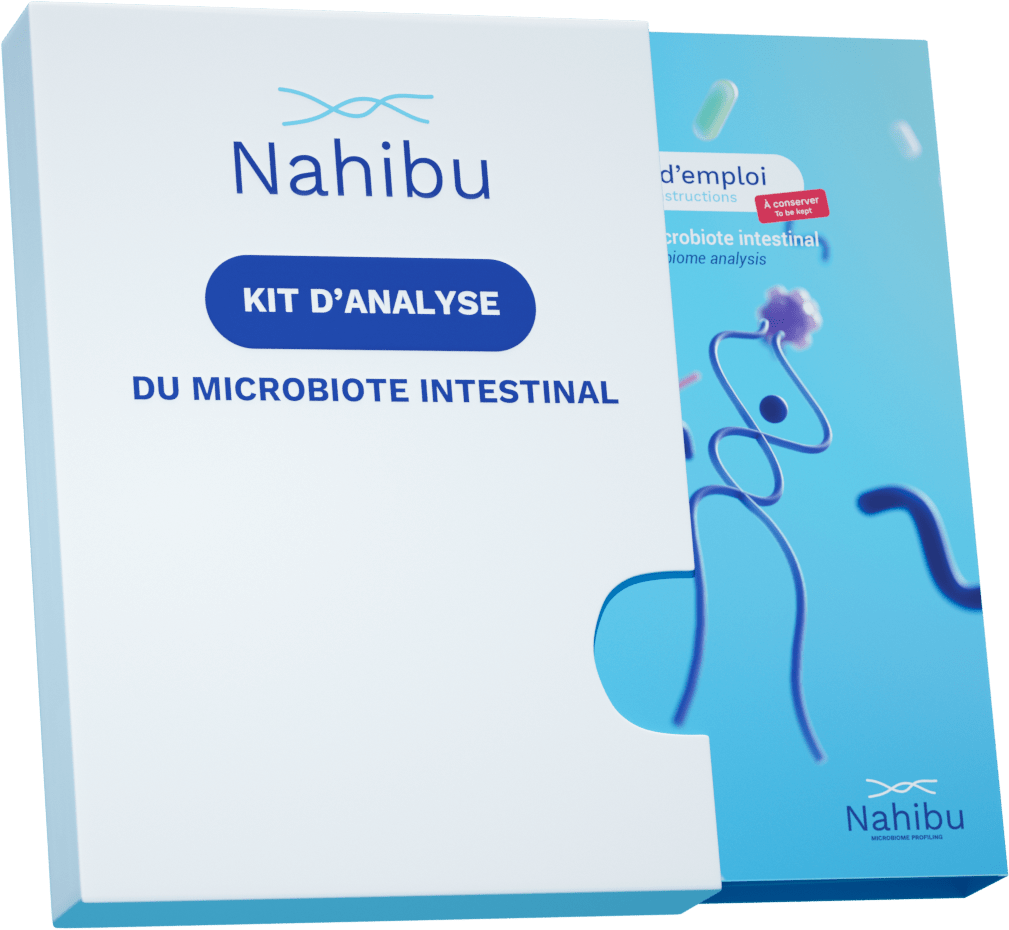
The Nahibu gut microbiota analysis kit.

The Nahibu kit is a fecal sample collection kit that can be used at home without any medical intervention. The contents of the kit and the collection method are described in a user manual provided in the Nahibu kit box. The kit consists of three items:

Kit

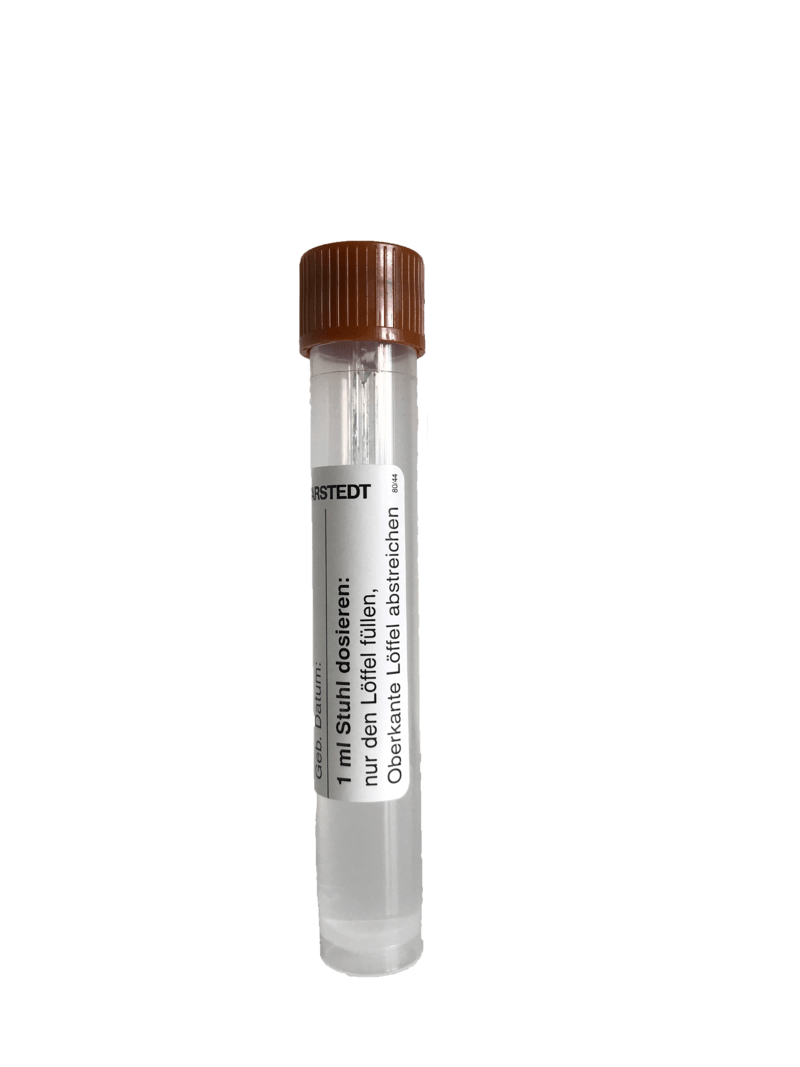
A tube: 

A tube with a screw cap. This is the tube used to collect the sample. A plastic spoon is attached to the lid, allowing approximately 1g of stool to be collected (the amount needed for sequencing). At the bottom of the tube are 4 ml of DNA stabilizer. This stabilizer ensures that the sample is properly preserved at room temperature.
It inactivates the viral load and limits the proliferation of fungi and bacteria.

Kit

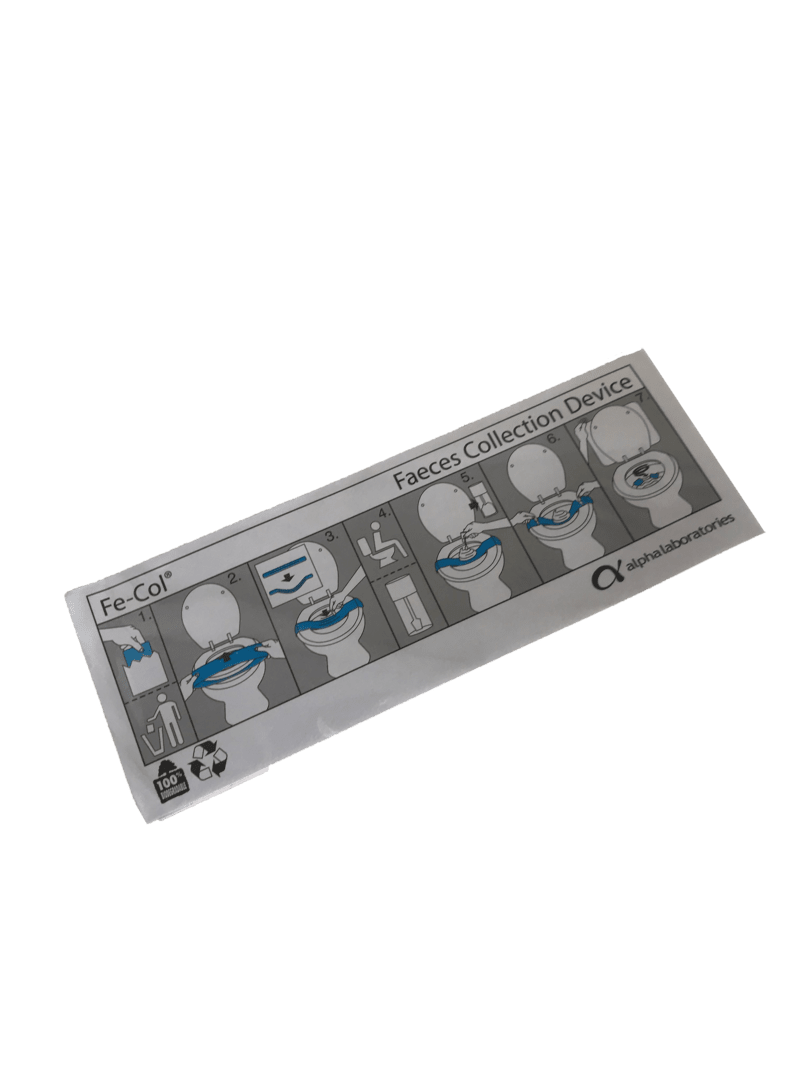
Feces Catcher: 

The Feces Catcher (Stool Trap) is a hygienic, easy-to-use, biodegradable stool sample collection device consisting of a disposable piece of paper that is placed on the toilet seat. Instructions are printed directly on each stool catcher for ease of use. By placing the Feces Catcher on the toilet seat,
the sample is protected from possible sources of contamination, such as residual bleach, urine, etc.

Kit

Shuttlepuch:

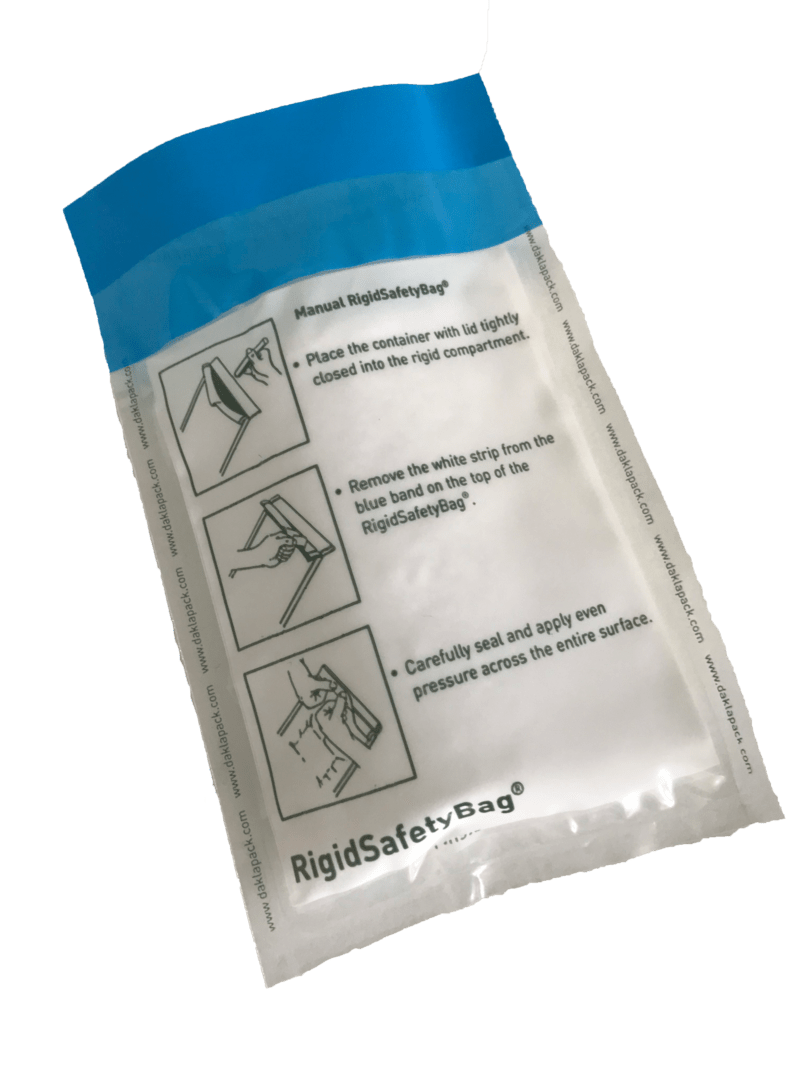
Shuttlepuch is a plastic pouch containing absorbent paper. It allows the tube to be transported safely and securely. Once closed, if the tube opens or leaks, everything will be absorbed by the paper in the pouch.

Take care of your microbiota with Nahibu.
Discover more articles on the microbiota.

Partnership between Bio-Recherche and Nahibu

Partnership between Bio-Recherche and Nahibu

Bio-Recherche Laboratories specialize in researching and marketing high-value-added dietary supplements whose effectiveness has been proven by clinical studies, most of which justify prescription by doctors.

Take care of your microbiota with Nahibu.
Microbiologist Stanislav Dusko Ehrlich joins Nahibu

Microbiologist Stanislav Dusko Ehrlich joins Nahibu

Nahibu's scientific committee includes Stanislav Dusko Ehrich, Director of Research Emeritus at INRA.

Nahibu's

Professor Stanislav Dusko Ehrlich

Stanislav Dusko Ehrlich is the first scientist to propose the complete sequencing of the microbiota, leading the international MetaHIT consortium.  

The partnership between Nahibu and the Emeritus Research Director aims to advance the science of the gut microbiota.

It's very exciting to join Nahibu, which I believe offers the best in gut microbiota analysis. Together, we will be able to combine our strengths to advance the science of gut microbiota and bring its benefits to as many people as possible, said Stanislav Dusko Ehrlich. Nahibu uses high-definition sequencing, which is the most accurate method available today, as well as cutting-edge tools, and I will be able to contribute my vision and scientific advice to this promising company.

An organic chemistry engineer from the University of Zagreb, where he graduated at the top of his class, and a Doctor of Science in Biochemistry from Paris VII University, Stanislav Dusko Ehrlich founded and directed the Microbial Genetics Unit and the Microbiology Division at INRA and coordinated the European Commission's first major project on the microbiome, MetaHIT, which laid the foundations for the current characterization of the microbiome. At the same time, he co-founded the first start-up in the field of human microbiome, Enterome, in 2012.

He was also an associate of Professor Joshua Lederberg, winner of the Nobel Prize in Medicine, in the Department of Genetics at Stanford University School of Medicine.

Stanislav Dusko Ehrlich is a member of the Croatian Academy of Sciences and Arts, the French Academy of Agriculture, the European Molecular Biology Organization (EMBO), the American Academy of Microbiology, and the European Academy of Microbiology.

Awards:

 Winner of the INRA Award for Excellence in Agricultural Research, Winner of the Del Duca Scientific Grand Prize from the Institut de France, Knight of the Order of Merit and the Legion of Honor.

Take care of your microbiota with Nahibu.

Discover more articles on the microbiota.

Partnership between Bio-Recherche and Nahibu

Partnership between Bio-Recherche and Nahibu

Bio-Recherche Laboratories specialize in researching and marketing high-value-added dietary supplements whose effectiveness has been proven by clinical studies, most of which justify prescription by doctors.

Take care of your microbiota with Nahibu.