

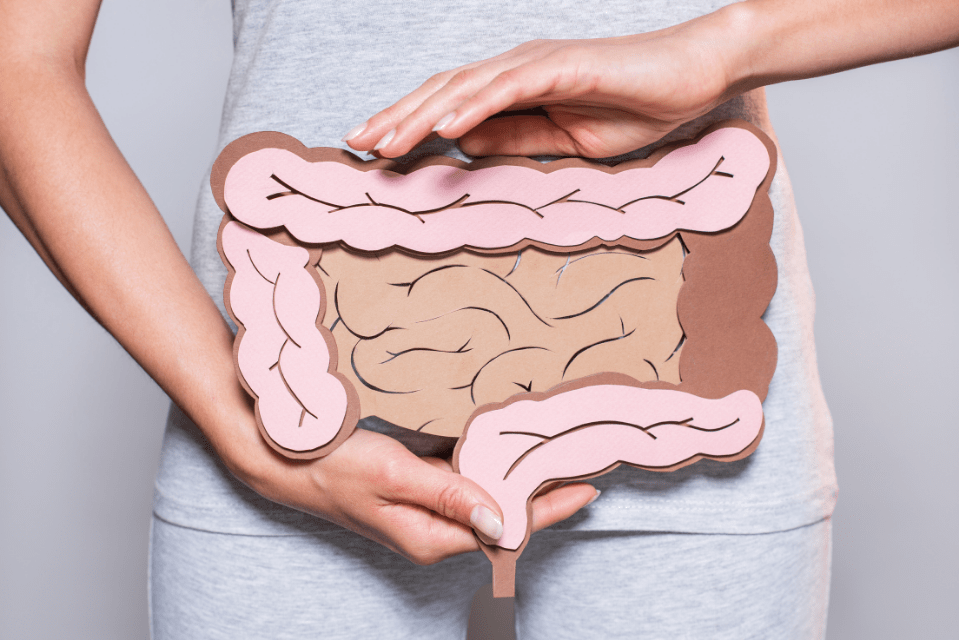
What is the gut microbiota?
What is the microbiota?
General definition of microbiota
Microbiota is a collection of microorganisms (viruses, bacteria, archaea, fungi) living in a specific environment. There are different types of microbiota in the human body: skin, vaginal, intestinal, pulmonary, etc.
General definition of the intestinal microbiota
The intestinal microbiota, or intestinal flora, refers to the microorganisms found in the digestive tract: the stomach and intestines. It is the largest microbiota in terms of population, comprising 1014 (10,000 billion) microorganisms, which is 10 times more than the number of cells in the body, and weighs 2 kilograms.
What is the gut microbiota?
What is the composition of the gut microbiota?
The digestive microbiota is composed of 90% bacteria. The composition of the microbiota varies from person to person, however, four phyla (or bacterial groups) are found in all individuals: Firmicutes, Bacteroidetes, Proteobacteria, and Actinobacteria. They constitute the common core.
How does the gut microbiota develop?
The development of microbiota throughout life
The gut microbiota develops at birth. From the moment it develops and throughout an individual’s life, it is influenced by several factors that disrupt its bacterial composition. First, at birth, the composition depends on the mode of delivery of the newborn, i.e., whether the delivery is vaginal or by C-section, and on the gestational age. During a normal birth, the newborn comes into contact with the mother’s vaginal microbiota.
These bacteria are therefore the first to colonize the newborn’s digestive tract. In an assisted birth, however, the newborn first comes into contact with the skin microbiota and therefore never comes into contact with vaginal bacteria. Differences then arise depending on the newborn’s diet, whether they are fed breast milk or formula.
This disparity leads to differences in bacterial composition. Weaning also marks a change in the bacterial composition of the gut microbiota. From birth to weaning, which is usually around the age of 2.5 years, the digestive microbiota is very unstable and therefore very vulnerable.
Factors that influence the gut microbiota
It is believed that after 2.5 years of age, the microbiota becomes stable and similar to that of an adult. However, it continues to evolve throughout life if exposed to certain factors such as: antibiotic use, illness, stress, diet, geographical location, health status, etc.
For example, taking antibiotics significantly reduces the bacterial diversity of the microbiota and leads to a decrease in the defense mechanisms that protect the body against pathogens.
Alteration of the intestinal flora, more commonly known as dysbiosis, is associated with conditions such as neurodegenerative diseases (Alzheimer’s, Parkinson’s, etc.), metabolic diseases (diabetes, obesity, etc.), cancers, allergies, etc. Dysbiosis results in an imbalance in the intestinal microbiota and is caused by a reduction in bacterial diversity, to the benefit of pathogenic species.
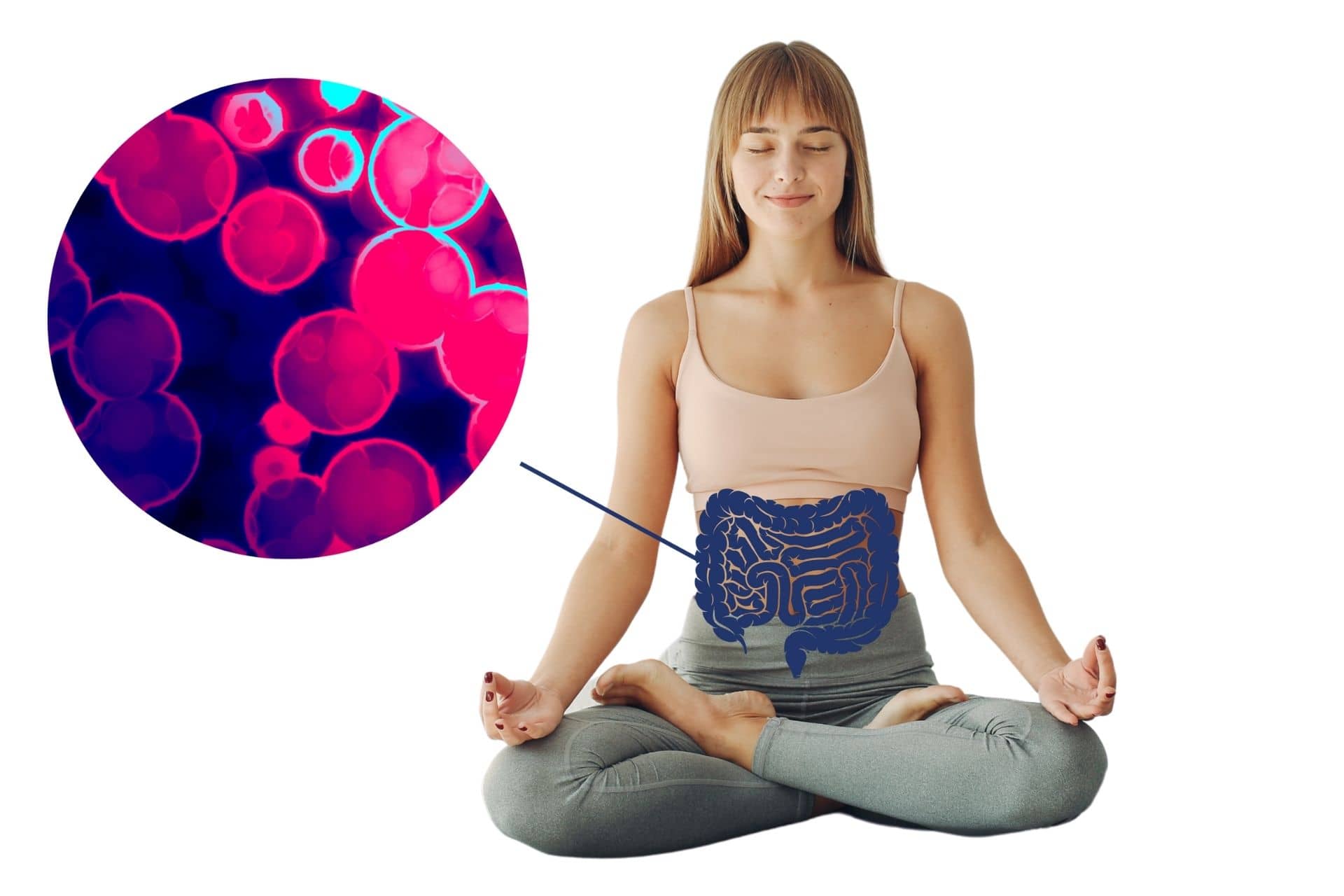
What are the roles of the gut microbiota?
The gut microbiota performs a number of vital functions in the human body. First, it plays a role in protecting the body by defending it against pathogens. It is also involved in metabolic functions, enabling the absorption and production of nutrients. Finally, it plays a key role in the immune system.
There is therefore a real symbiosis between the microorganisms of the gut microbiota and the host, ensuring good health; the host and the gut flora cannot evolve without each other.
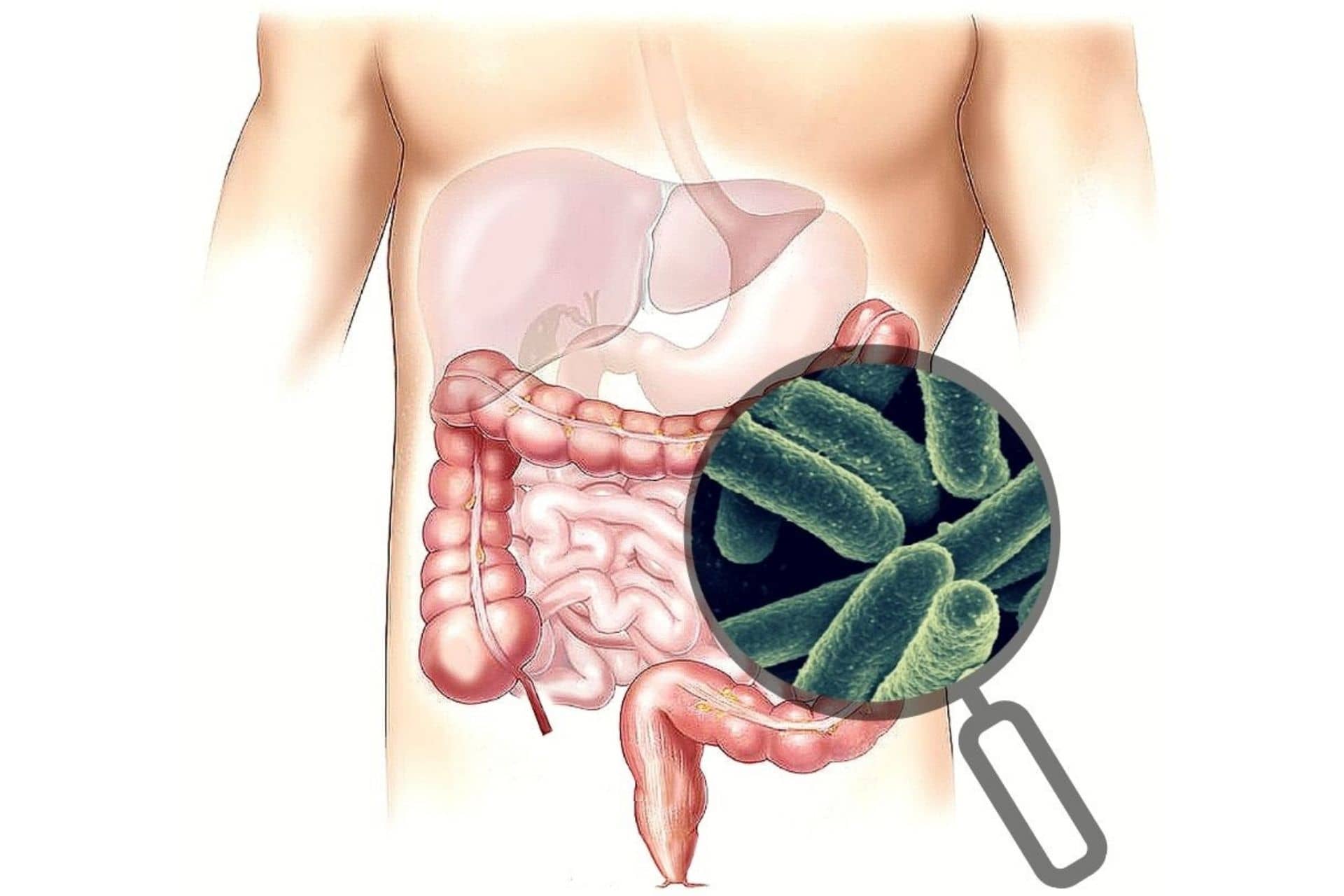
How can we analyze our microbiota?
Today, we can analyze the genes present in bacteria from a stool sample to determine the composition of an individual’s gut microbiota. Metagenomic analysis, which groups together all bacterial genomes, can then be used to determine bacterial richness, an individual’s enterotype, the balance of the intestinal flora, the distribution of phyla (or bacterial groups), the production of short-chain fatty acids, etc.
Take care of your microbiota with Nahibu.
How can we influence the microbiota?
Due to its key role in maintaining a healthy balance in the body, the microbiota must be preserved. Diet is a major factor in influencing its composition and thus preserving its bacterial diversity and balance with the body. Today, there are various alternatives for protecting and maintaining the microbiota.
A varied and balanced diet
Firstly, a varied, balanced diet that is particularly rich in fiber promotes bacterial diversity. In addition, fiber consumption protects against the risk of cardiovascular disease and certain cancers such as colorectal or esophageal cancer.
A diet rich in prebiotics
Consuming prebiotics is beneficial for the host because they are non-digestible substances that promote the development and activity of good intestinal bacteria. There are various sources of prebiotics, such as inulin, FOS (fructo-oligosaccharides), GOS (galacto-oligosaccharides), and fructans, which can be found in vegetables (artichokes, broccoli, leeks, tomatoes, etc.), legumes (red beans, lentils, chickpeas, etc.), fruits (bananas, apples, dried fruit, etc.), roots (chicory, parsnips, Jerusalem artichokes) and even oilseeds (almonds, walnuts, pistachios).
A diet rich in probiotics
A diet containing probiotics also helps to enrich the gut microbiota. Probiotics are live microorganisms that have beneficial effects on the individual by fighting against the colonization of the gut by pathogenic microorganisms. Probiotics include bacteria (lactobacilli, bifidobacteria, streptococci) and yeasts found in various foods such as milk, kefir, sauerkraut, etc.
Fecal transplants
Finally, fecal transplants can be performed by a doctor for a limited number of conditions. They involve introducing stool from a donor into the digestive tract of a recipient with the aim of rebuilding the altered intestinal flora. Fecal transplants are performed under strict medical supervision as they carry serious health risks.
Conclusion
In conclusion, the gut microbiota is an organ in its own right that must be preserved in order for it to perform its functions and ensure good overall health. When the microbiota malfunctions, dysbiosis sets in. It is now possible to prevent this risk of dysbiosis by addressing certain factors such as diet. Today, microbiota analysis, as offered by Nahibu, is commonly used to detect depletion of the gut microbiota in order to remedy it through personalized nutritional support. A varied and balanced diet helps maintain the diversity of the microbiota.
Sources:
Special edition – Pour la science No. 109. The real powers of microbiota on our health. November 2020.
Francisca Joly Gomez, Isabel Gomez Dubest. Feeding our gut well. Marabout. 2016.
Ting-Chin David Shen. Diet and Gut Microbiota in Health and Disease. 2017.
Daria A. Kashtanova, Anna S. Popenko. Association between the gut microbiota and diet: Fetal life, early childhood, and further life. 2016.
Discover more articles on the microbiota.
Take care of your microbiota with Nahibu.
Reading time: 5 min · Thank you for reading this article.
Discover the composition of your microbiome.
At-home test - Results within 4 to 8 weeks - Personalised scientific report