Top antioxidant-rich foods

Top antioxidant-rich foods

Top antioxidant-rich foods

What are antioxidants used for?

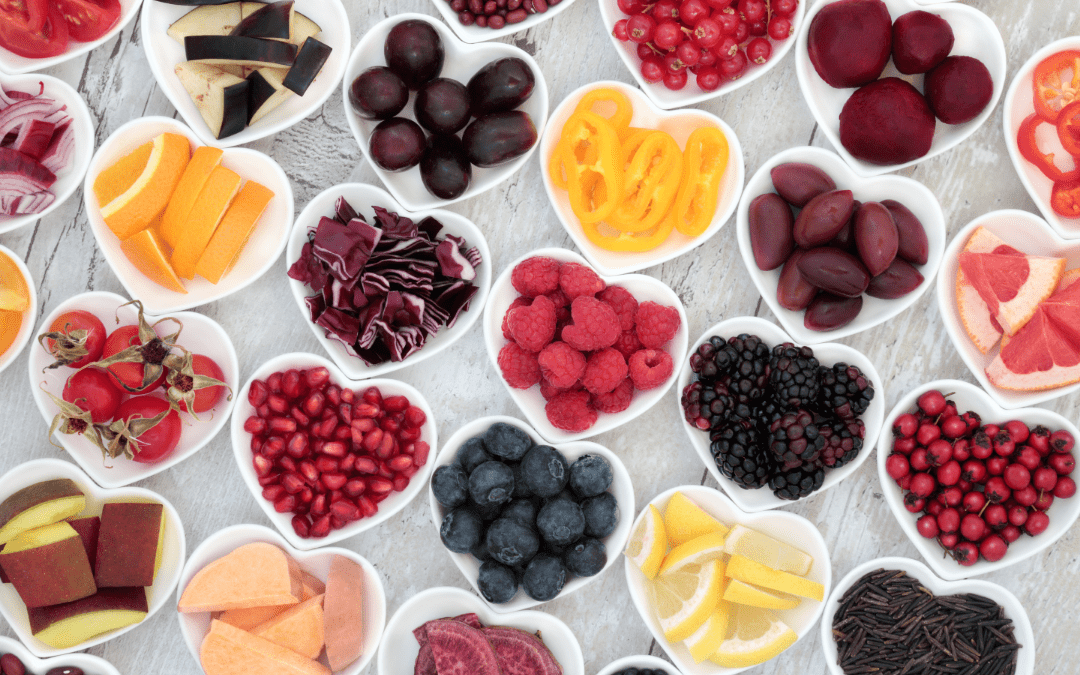
Antioxidants protect the body from free radicals. They capture free radicals and reduce the damage they cause to the body. Oxidative stress generated by free radicals is implicated in many diseases such as cancer, cardiovascular disease, and neurodegenerative diseases. In addition, free radicals are partly responsible for accelerating cellular aging. The body has developed systems to eliminate these free radicals, but they are not sufficient to eradicate them all. Among the foods we eat, fruits and vegetables are excellent sources of antioxidants. The nutrients they contain, such as vitamin C, vitamin E, carotenoids, polyphenols, selenium, and zinc, have remarkable antioxidant properties. These nutrients can limit the damage caused by free radicals in the body. 

What are our antioxidant requirements?

To determine the antioxidant activity of foods, the ORAC (Oxygen Radical Absorbance Capacity) index was developed by the Human Nutrition Research Center of the U.S. Department of Agriculture. It measures the ability of food to absorb free radicals. It is expressed in units per 100 grams. It is now recommended to eat between 3,000 and 5,000 ORAC units per day.
3-2-

Where can antioxidants be found?

a) Fruit

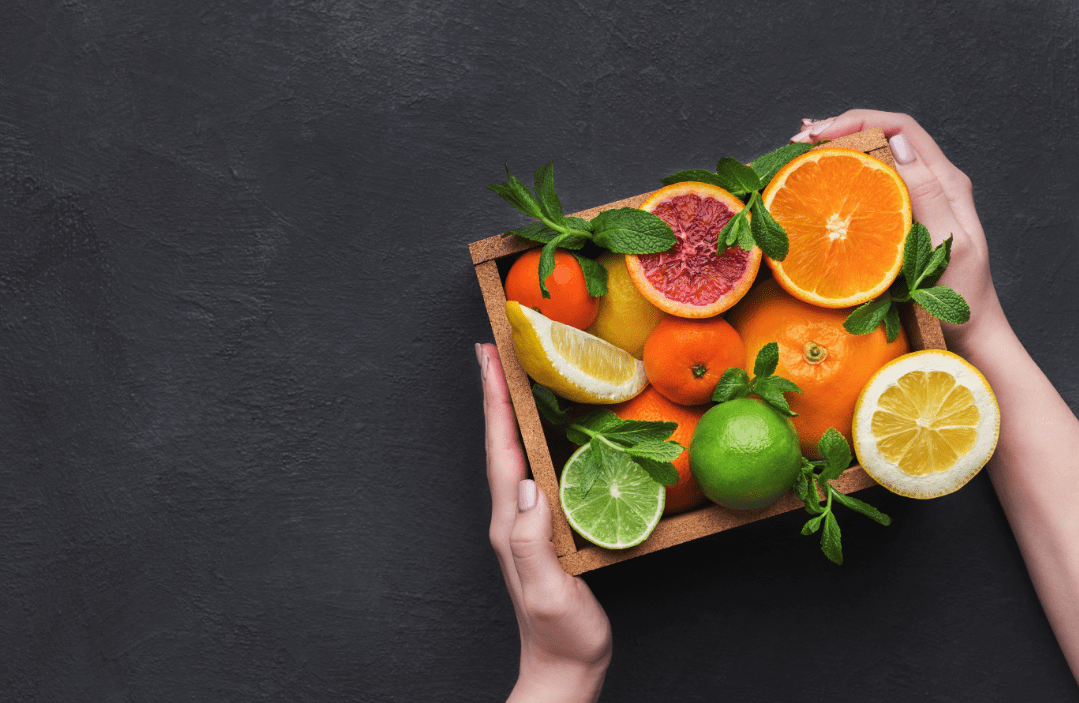
Among the foods richest in antioxidants, fruit ranks at the top, especially red fruit. Acai berries contain 102,700 ORAC units per 100 grams, elderberries 14,697, blueberries 9,621, cranberries 9,090, and finally, prunes 8,059 ORAC units per 100 grams. In addition, they contain significant amounts of vitamins and minerals. They are also excellent sources of fiber and low in calories.


b) Vegetables

Vegetables are also very rich in antioxidants. They are closely followed by fruits. Artichokes contain 9,416 ORAC units per 100 grams, red beans 8,606, lentils 7,282, soybeans 5,409, and red cabbage 2,496 ORAC units per 100 grams. In addition, they provide vitamins, minerals, and fiber while being low in calories. The fiber they contain improves digestion and promotes a feeling of fullness.


c) Herbs and spices

Herbs and spices also provide antioxidants. Cloves provide 290,283 ORAC units per 100 grams, dried oregano 175,295, dried rosemary 165,280, dried thyme 157,380, and ground cinnamon 131,420 ORAC units per 100 grams. However, it is rare to consume 100 grams of these. It is thanks to vegetables and fruits that our needs are met, whereas herbs and spices generally do not provide sufficient amounts.
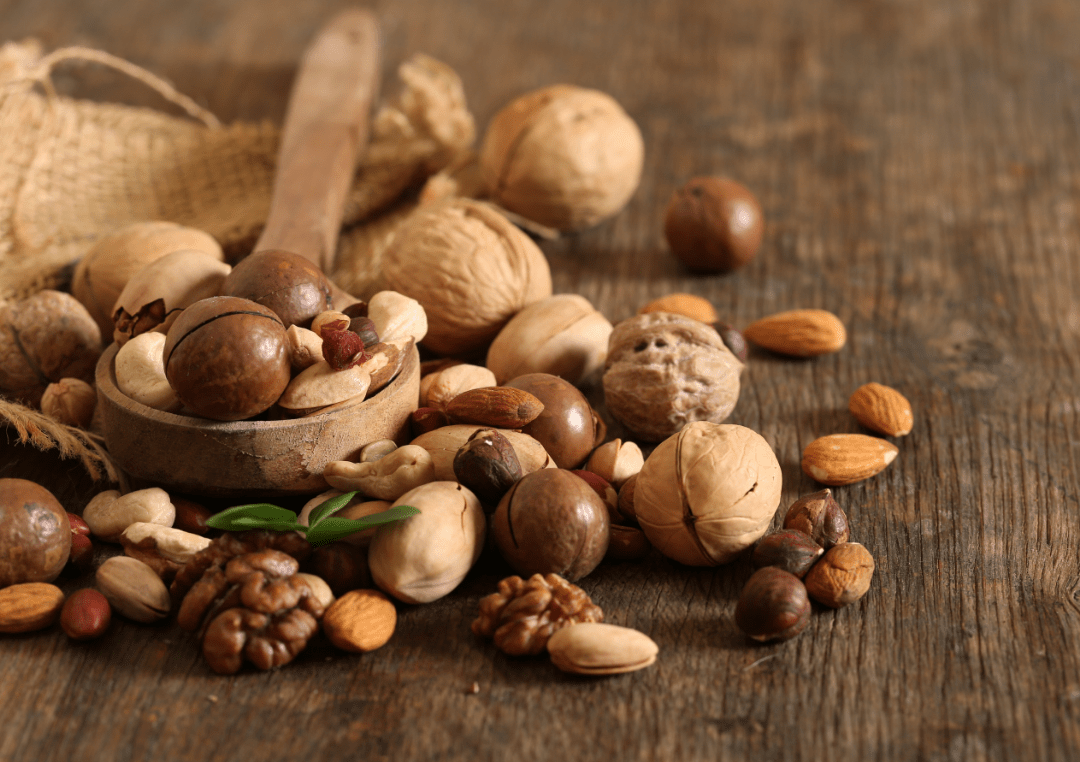
Nuts

d) Nuts

Nuts are a source of antioxidants. Pecans contain 17,940 ORAC units per 100 grams, hazelnuts 9,645, pistachios 7,675, almonds 4,454, and peanuts 3,166 ORAC units per 100 grams. They are also rich in minerals, vitamins, and omega-3 fatty acids. Eating nuts is associated with lower cholesterol and a reduced risk of cardiovascular disease.


e) Cocoa

Due to the nutrients it contains, dark chocolate has 20,816 ORAC units per 100 grams. It therefore also has a real antioxidant effect. Cocoa is also rich in minerals (copper, zinc, potassium, magnesium) and vitamins (A, B1, B2, B3, C, E).

Conclusion

Antioxidants play a major role in protecting the body against free radicals, premature aging, and age-related diseases. To ensure maximum protection for the body, it is essential to eat a diet rich in fruits and vegetables, as these are the richest sources of antioxidants.

Sources:

David B. Haytowitz, Seema Bhagwat. USDA Database for the Oxygen Radical Absorbance Capacity (ORAC) of Selected Food, Release 2. U.S Department of Agriculture. May 2010.

Discover more articles on the microbiota.

Partnership between Nutri&Co; and Nahibu

Partnership between Nutri&Co; and Nahibu

Certified Low-FODMAP by Monash University (a leader in FODMAP research), the Organic Fiber formula developed by Nutri&Co. is specifically designed using clinically documented dietary fibers to enable people with IBS to consume more fiber without experiencing discomfort.

Partnership between Quan Sports and Nahibu

Partnership between Quan Sports and Nahibu

Quan Sports is an agency that supports sports professionals in various areas: mental preparation (QuanLife), physical performance optimization (QuanBest), image management and communication (MyQuan), and preparation for the future (QuanFutur).

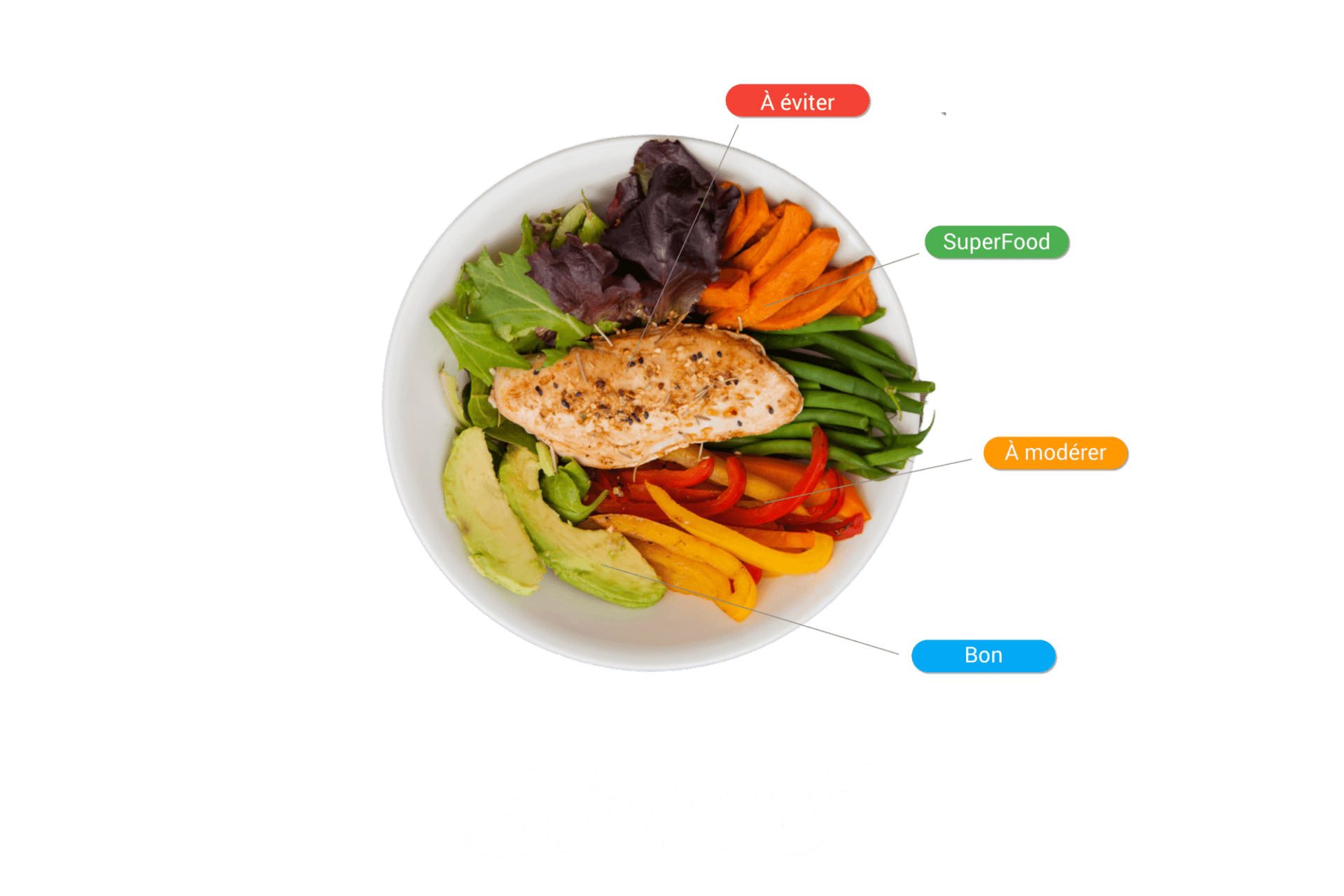
Take control of your diet with Shido.
A

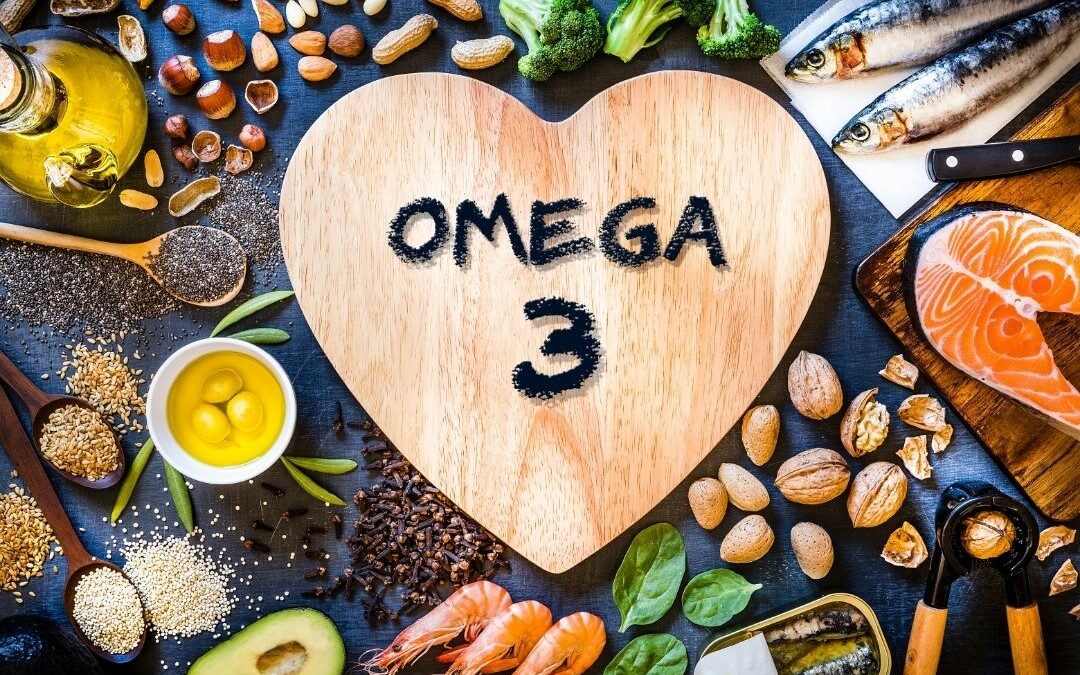
Top foods richest in omega-3

Top foods richest in omega-3

Top foods richest in omega-3

What are omega-3s used for?

Lipids are more commonly known as fats and are essential for the body to function properly. Lipids include unsaturated fatty acids, which break down into omega-3 (linolenic acid), omega-6 (linoleic acid), and omega-9 (oleic acid). Omega-3 and omega-9 are beneficial, while omega-6, if consumed in excess, can impact the functioning of omega-3 and omega-9. Omega-3 is essential for the development and proper functioning of the nervous system. In addition, they are associated with lower blood pressure, reduced triglyceride levels, and a lower risk of cardiovascular disease.

2-

What are our omega-3 requirements?

The AFSSA recommends that omega-6 should account for 4% of total energy intake and omega-3 for 1%. The omega-6/omega-3 ratio should not exceed 5. The ideal ratio is between 2 and 5, i.e. 3 omega-6 molecules for every omega-3 molecule. As today's diet is particularly rich in omega-6, foods rich in omega-3 should be favored.

3-

Where can you find omega-3?

a) Seeds and oils

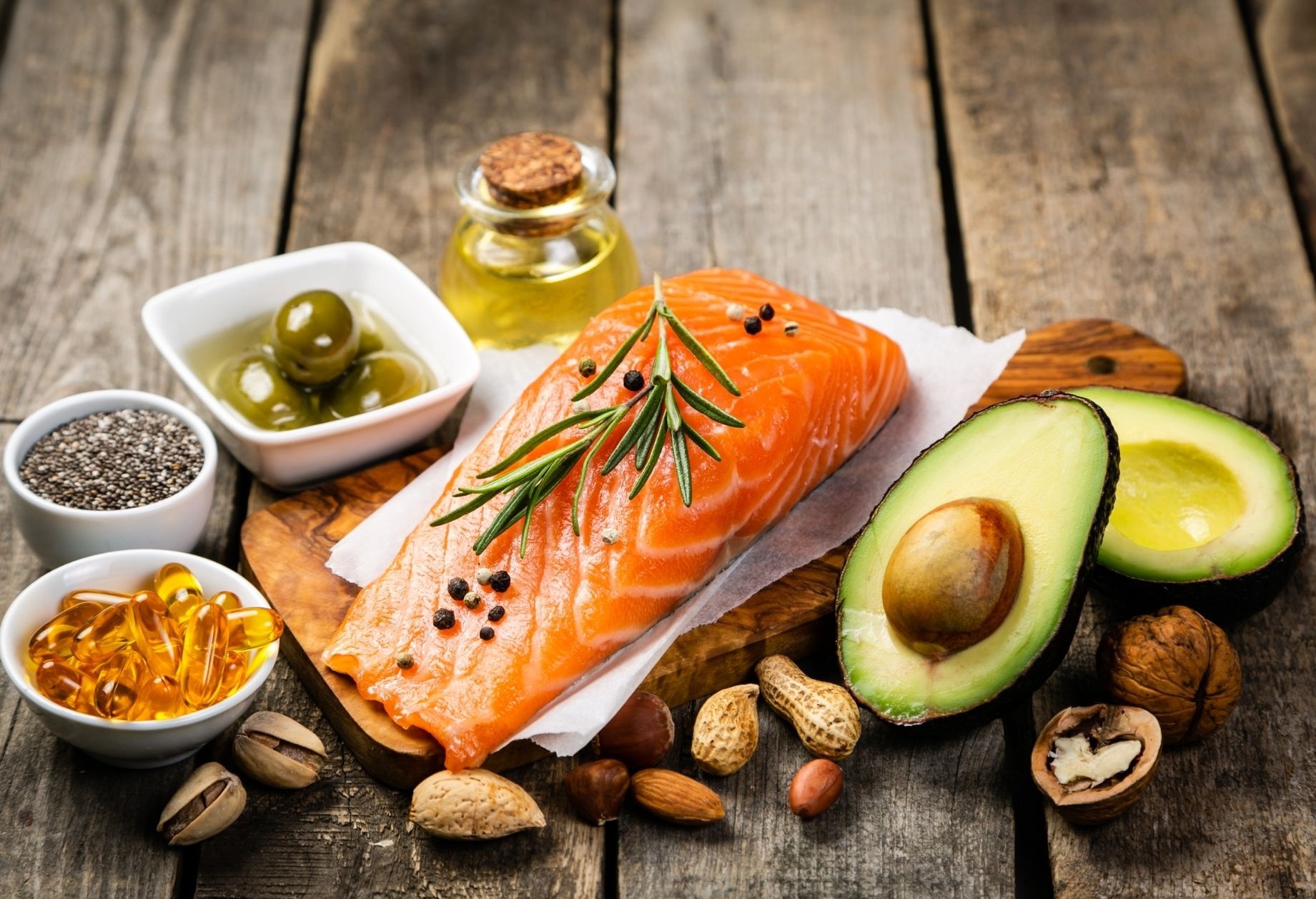
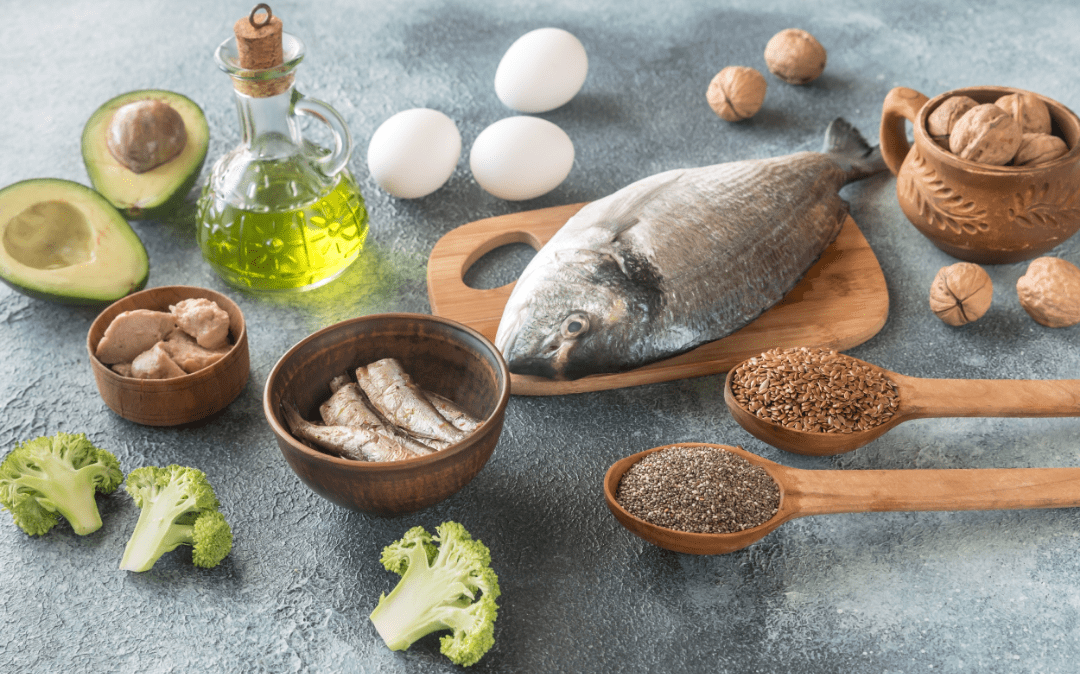
Seeds and the oils extracted from them are excellent sources of omega-3. Flaxseed oil is the food richest in omega-3, containing 53.3 grams per 100 grams. Flaxseeds contain 21 grams per 100 grams and chia seeds contain 17.8 grams. Seeds are also sources of nutrients, protein, and fiber. Chia seeds are rich in B vitamins and minerals such as calcium, phosphorus, potassium, and magnesium. They are associated with a reduction in blood cholesterol and cardiovascular disease. They promote digestion and help the body fight free radicals. Flax seeds are also rich in fiber, protein, and minerals such as iron and selenium. To fully enjoy their benefits, it is advisable to blend them to facilitate absorption.

b) Nuts and oils

Nuts (walnuts, cashews, pecans, hazelnuts, almonds, etc.) and some of their oils are also rich in omega-3. Walnut oil contains 11.9 grams of omega-3 per 100 grams, while pecan oil contains 7.5 grams per 100 grams. In addition, nuts are excellent sources of fiber, vitamins, minerals, and antioxidants. They provide vitamins B, A, and E, calcium, phosphorus, magnesium, manganese, iron, copper, zinc, and potassium. They are associated with lower cholesterol and a reduced risk of cardiovascular disease.

c) Rapeseed oil

Rapeseed oil contains 7.54 grams of omega-3 per 100 grams. Consuming rapeseed oil is associated with a reduction in cholesterol and the risk of cardiovascular disease. To fully benefit from its nutritional properties, it is recommended to consume extra virgin oil, obtained by cold pressing.

d) Fish

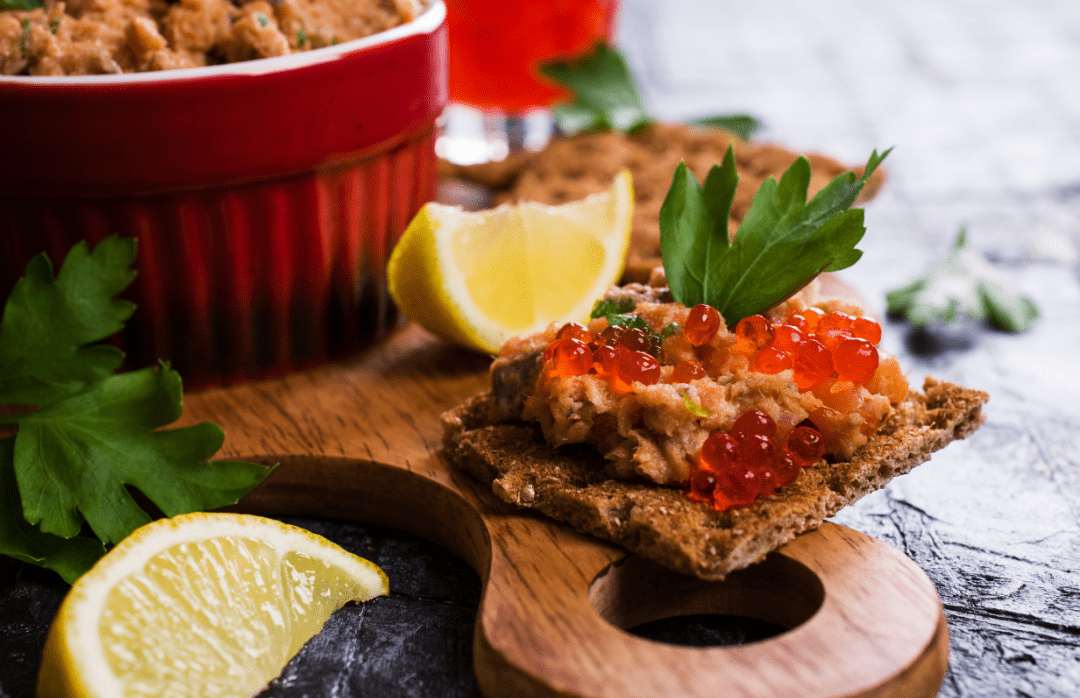
Oily fish are also good sources of omega-3. Mackerel contains 0.83 grams and sardines 0.47 grams. Fish are also rich in protein, vitamins (A, B, D, E, etc.) and minerals (phosphorus, selenium, zinc, etc.). Crab rillettes contain 1.18 grams of omega-3 per 100 grams and salmon rillettes contain 0.98 grams.

salmon

e) Vegetables and legumes

Vegetables such as spinach, broccoli, cauliflower, kale, and avocado are also sources of omega-3. Spinach contains 0.37 grams of omega-3 per 100 grams, broccoli 0.13, cauliflower and avocado 0.15, and kale 0.4 grams per 100 grams. It is therefore important not to overlook them. They are also rich in vitamins such as vitamins A and B and minerals such as calcium and potassium. They are also high in dietary fiber. White beans contain 0.37 grams of omega-3 per 100 grams.

Conclusion

Omega-3s are true allies to good health. It is therefore important to ensure that you consume enough of them to reap their benefits. If you consume too much omega-6, omega-3s can no longer function properly. Omega-6 limits the use of omega-3, so it is important to balance your intake of these two fats.


Discover more articles on the microbiota.

Partnership between Nutri&Co; and Nahibu

Partnership between Nutri&Co; and Nahibu

Certified Low-FODMAP by Monash University (a leader in FODMAP research), the Organic Fiber formula developed by Nutri&Co. is specifically designed using clinically documented dietary fibers to enable people with IBS to consume more fiber without experiencing discomfort.

Partnership between Quan Sports and Nahibu

Partnership between Quan Sports and Nahibu

Quan Sports is an agency that supports sports professionals in various areas: mental preparation (QuanLife), physical performance optimization (QuanBest), image management and communication (MyQuan), and preparation for the future (QuanFutur).

Take control of your diet with Shido.
A

Pot-au-feu

Pot-au-feu

Pot-au-feu

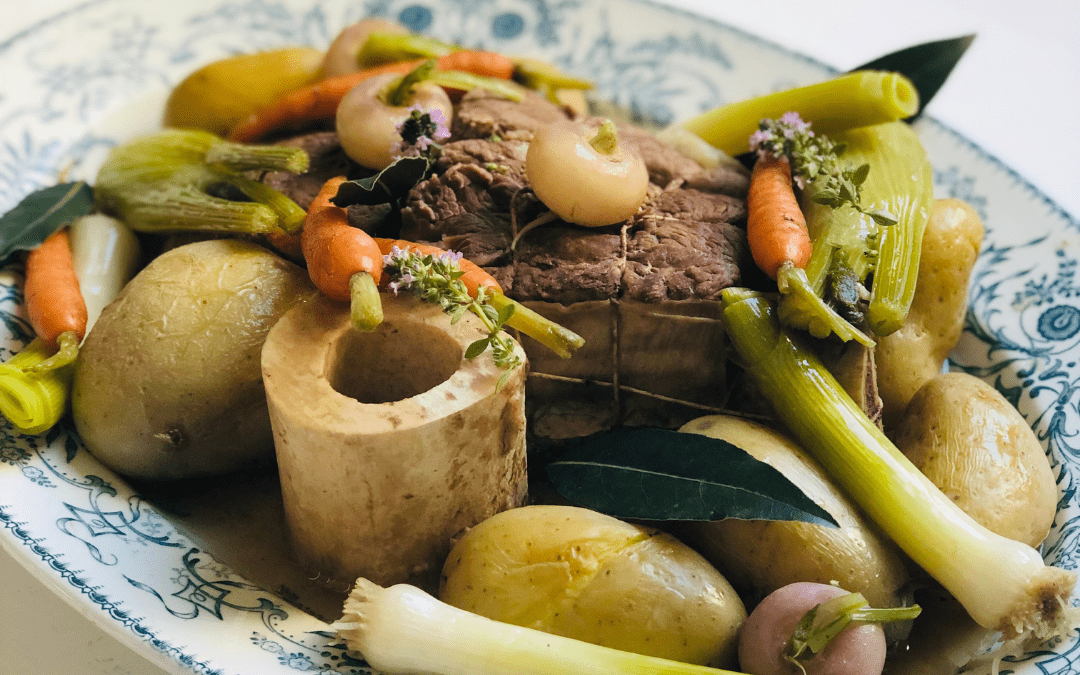
Chef Alexandra Beauvais has created a special 'Microbiota' wellness recipe that contains ingredients that are good for your gut flora.

This traditional French recipe is packed with vitamins thanks to the variety of vegetables it contains.

A

4 hours

A

Recipe for 6 to 8 people

A

Dish

🥕 Ingredients:

✔️ 1.5 kg of local beef prepared by your butcher

(Example: chuck, shoulder, rib, shank)

✔️ 2 onions

✔️ 1 large bouquet garni (bay leaf, thyme, etc.)

✔️ 6 cloves

✔️ 3 leeks

✔️ 1 stalk of celery

✔️ 3 turnips

✔️ 2 mini fennel bulbs

✔️ 8 potatoes

✔️ Coarse gray salt

✔️ Black peppercorns

👨‍🍳 Preparation:

  1. Peel and wash the vegetables. Leave them whole.
  2. Place the potatoes in a bowl of cold water.
  3. Prick the onions with the cloves.
  4. Place the pieces of meat in a large pot, add cold water until it is 2/3 full, season with coarse salt and pepper.
  5. Heat over medium heat until boiling, skimming regularly.
  6. After 40 minutes, add the onions, carrots, leeks, fennel, celery, and bouquet garni.
  7. Lower the heat and simmer for 1 hour 30 minutes.
  8. Then add the potatoes and continue cooking for 1 hour over low heat. If necessary, add water and check the seasoning.

Suggestion: With the leftovers, I suggest a recipe for beef meatballs with seaweed. You can also make croquettes or a shepherd's pie. The juice can be enjoyed as broth, so nothing goes to waste.


Download the FREE seasonal fruit and vegetable calendar.

Discover more healthy and balanced recipes.

Partnership between Nutri&Co; and Nahibu

Partnership between Nutri&Co; and Nahibu

Certified Low-FODMAP by Monash University (a leader in FODMAP research), the Organic Fiber formula developed by Nutri&Co. is specifically designed using clinically documented dietary fibers to enable people with IBS to consume more fiber without experiencing discomfort.

Partnership between Quan Sports and Nahibu

Partnership between Quan Sports and Nahibu

Quan Sports is an agency that supports sports professionals in various areas: mental preparation (QuanLife), physical performance optimization (QuanBest), image management and communication (MyQuan), and preparation for the future (QuanFutur).

Take control of your diet with Shido.
A

Apple pie

Apple pie

Apple pie

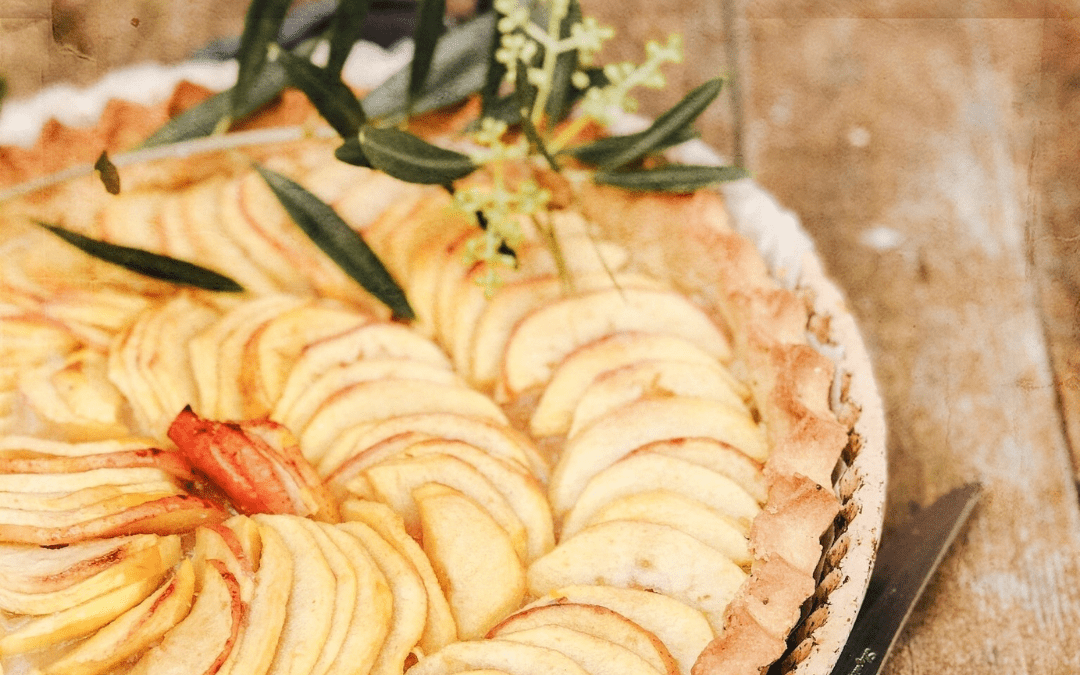
Chef Alexandra Beauvais has created a special Microbiota wellness recipe that contains ingredients that are good for your gut flora.

Apple pie is a classic dessert or snack. Choose organic apples to get all the benefits: fiber, vitamins C and K, antioxidants, manganese, and more. 😊

A

1 hour 20

A

Recipe for 4 people

A

Dessert

🍎 Ingredients:

✔️ 250 g rice flour

✔️ 50 g cornstarch

✔️ 125 g very cold lightly salted butter

✔️ 30 g cane sugar

✔️ 1 kg Cox's Orange Pippin or Reinette d'Armorique apples

✔️ 10 g lightly salted butter

✔️ 20 g light brown sugar

👨‍🍳 Preparation:

  1. Cut the butter into cubes.
  2. In a mixing bowl, combine the flour and cornstarch, add the diced butter and 30 g of sugar, mix with your fingertips and add a little water to form a smooth dough.
  3. Form into a ball, cover with plastic wrap, and refrigerate for at least 30 minutes.
  4. Remove the dough, knead again if necessary, then roll out, place in a pie dish, and prick the bottom and edges with a fork. Refrigerate.
  5. Set aside 2 to 3 nice apples for garnishing.
  6. Peel, core, and cut the other apples into pieces.
  7. Place the apple pieces in a saucepan with a little water, without adding sugar. Cover and cook for 10-15 minutes over low heat.
  8. Blend or mash them.
  9. While the compote is cooking, peel, core, and slice the rest of the apples into rounds, as shown in the photo. Peel, core, and cut the other apples into pieces.
  10. Preheat the oven to 210°C.
  11. Pour the compote onto the pie crust, smooth it out, and arrange the apple slices in a spiral pattern.
  12. Melt the butter with the sugar. Using a brush, coat the tart with this mixture.
  13. Place in the oven and bake for 10 minutes at 210°C, then lower the temperature to 180°C and continue baking for 30 minutes. Keep an eye on the baking.
  14. Serve warm or cold.

Download the FREE seasonal fruit and vegetable calendar.

Discover more healthy and balanced recipes.

Partnership between Nutri&Co; and Nahibu

Partnership between Nutri&Co; and Nahibu

Certified Low-FODMAP by Monash University (a leader in FODMAP research), the Organic Fiber formula developed by Nutri&Co. is specifically designed using clinically documented dietary fibers to enable people with IBS to consume more fiber without experiencing discomfort.

Partnership between Quan Sports and Nahibu

Partnership between Quan Sports and Nahibu

Quan Sports is an agency that supports sports professionals in various areas: mental preparation (QuanLife), physical performance optimization (QuanBest), image management and communication (MyQuan), and preparation for the future (QuanFutur).

Take control of your diet with Shido.
A

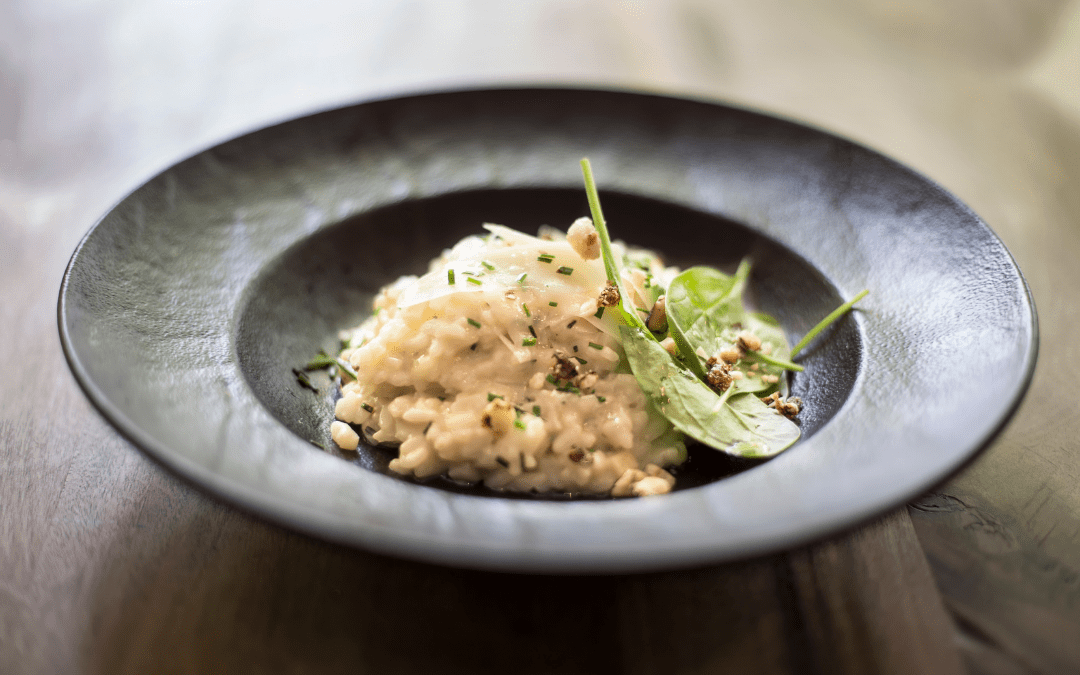
Celeriac risotto

Celeriac risotto

Celeriac Risotto

Here is a recipe for celeriac risotto! Hazelnuts add crunch to this melt-in-the-mouth dish. 🌰🤤

A

30 minutes

A

Recipe for 4 people

A

Dish

🍚 Ingredients:

✔️ 1/2 celeriac

✔️ 500 g button mushrooms

✔️ 400 ml heavy cream

✔️ 100 g Parmesan cheese

✔️40 g hazelnuts

✔️ Olive oil

✔️ Salt

✔️ Pepper

👨‍🍳 Preparation:

  1. Peel the celeriac and cut it into pieces.
  2. Blend the celeriac pieces until finely chopped.
  3. Wash and slice the mushrooms.
  4. Crush the hazelnuts.
  5. Heat the cream in a saucepan over low heat with 400 ml of water and, if desired, half a vegetable stock cube. Season with salt and pepper.
  6. When the cream comes to a boil, add the celeriac pieces to the saucepan and mix well. Cover and cook for about 8 minutes over very low heat.
  7. Pour a drizzle of olive oil into a hot frying pan. Sauté the mushrooms for 5 minutes. Season with salt and pepper.
  8. Turn off the heat under the saucepan when the celery is cooked. Add the Parmesan cheese and mix. Serve the celery risotto with the mushrooms and hazelnuts!

Download the FREE seasonal fruit and vegetable calendar.

Discover more healthy and balanced recipes.

Partnership between Nutri&Co; and Nahibu

Partnership between Nutri&Co; and Nahibu

Certified Low-FODMAP by Monash University (a leader in FODMAP research), the Organic Fiber formula developed by Nutri&Co. is specifically designed using clinically documented dietary fibers to enable people with IBS to consume more fiber without experiencing discomfort.

Partnership between Quan Sports and Nahibu

Partnership between Quan Sports and Nahibu

Quan Sports is an agency that supports sports professionals in various areas: mental preparation (QuanLife), physical performance optimization (QuanBest), image management and communication (MyQuan), and preparation for the future (QuanFutur).

Take control of your diet with Shido.
A