
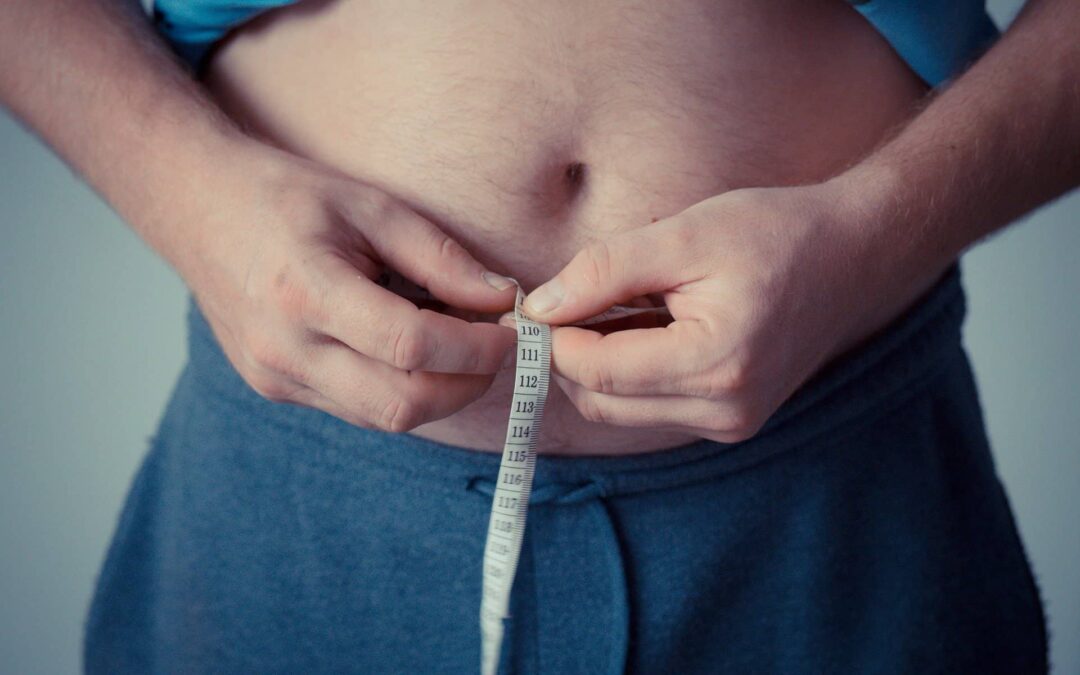
Is an unbalanced microbiota the cause of obesity?
How significant is obesity worldwide?
According to the World Health Organization (WHO), in 2016, 1.9 billion people were overweight and more than 2.8 million people die each year as a result of being overweight or obese. After affecting high-income countries, the so-called obesity epidemic is now also affecting low- and middle-income countries.
Body Mass Index (BMI), an indicator of body size, is the most commonly used measure to define obesity and overweight. It is calculated by dividing weight in kilograms by the square of height in meters. A BMI between 25 and 30 is considered overweight; above 30 is considered obese. Excess body fat poses numerous health risks, especially if the fat is abdominal.
There are different degrees of obesity, with the health risks increasing accordingly. Many chronic diseases such as type 2 diabetes, cardiovascular disease, and cancer have overweight and obesity as risk factors. This is why maintaining a healthy weight (BMI between 18.5 and 25) is a major public health issue.
Despite preventive measures and existing therapeutic solutions (diet, surgery, psychological support, etc.), obesity has been steadily increasing for several decades, with figures almost tripling worldwide since 1975. It is a complex disease, the causes of which sometimes lie elsewhere than in eating habits.
An imbalance in the gut microbiota in obese people.
According to the WHO, 41 million children under the age of 5 were overweight or obese in 2016. It is said that an obesogenic microbiota develops from birth. The gut microbiota is the collection of microorganisms present in the intestine that contribute to digestion and our overall health. So what role does the microbiota play in obesity?
According to numerous scientific studies, there is now a clear link between microbiota and weight gain. The intestinal flora of an obese person is significantly different from that of a person of normal weight.
One of the first scientific studies on the link between obesity and microbiota observed that mice lacking intestinal microbiota since birth were thinner than normal mice, despite a higher calorie intake. This is explained by the ability of our bacteria to extract additional calories from food, allowing us to get the most out of our diet. Furthermore, the characteristics of obesity were transferable to mice without intestinal flora by transplanting microbes from obese mice into them. This means that the presence of obese microbiota in mice that previously had no intestinal bacteria caused obesity. These results suggest a close link between obesity and microbiota. However, these experiments were conducted on mice, and the microbiota transplant was performed on mice that did not have microbiota. No human is devoid of gut microbes…
In humans and animals, obesity is associated with lower microbial diversity. In addition, in obese individuals, the proportion of the Firmicutes phylum increases while the Bacteroidetes phylum tends to decrease. This would make it easier to extract energy from food and increase the storage of calories as fat in adipose tissue. Deficits in Akkermansia muciniphila, a bacterium with beneficial effects on the gut, have also been observed in overweight individuals.
Today, there is a clear link between altered microbiota and weight gain.
Is the microbiota the cause of obesity?
Changes in the intestinal microbial composition of overweight or obese people have been observed. So, is the microbiota responsible for weight gain? It's not that simple. The development of obesity is multifactorial, and it is impossible to identify a single cause. It is the result of complex interactions between genetic and environmental factors and the intestinal microbiota.
Take care of your microbiota with Nahibu.
How does the microbiota regulate food intake?
Intestinal bacteria produce compounds when digesting food residues in the colon. These compounds, or metabolites, have an effect on our tissues but also on the brain, either directly or indirectly by acting via nerve fibers such as the vagus nerve, which connects the intestine and the brain. They influence metabolism, appetite, and food intake.
The gut microbiota produces neurotransmitters such as serotonin and GABA (gamma-aminobutyric acid) which regulate appetite. Serotonin suppresses appetite by modulating melanocortin neurons, which control body weight maintenance. GABA, on the other hand, stimulates food intake and is essential for regulating energy balance.
Other important metabolites, short-chain fatty acids (acetate, butyrate, and propionate), are also produced by bacterial fermentation. They can alter the release of hormones from the gut into the bloodstream and thus regulate appetite.

Probiotics for weight loss?
The imbalance in the microbiota found in obese people is not irreversible. A study has shown that the changes observed in the microbiota (increase in Firmicutes and decrease in Bacteroidetes) were reduced following a change in diet aimed at losing weight and fat mass in obese people.
Can we modify our intestinal flora to lose weight? The ability to modulate the gut microbiota and its link to excess weight opens up new treatment opportunities. One of the most promising options is to modify its composition. The presence or absence of certain bacteria in the gut microbiota appears to play a significant role in weight gain.
Probiotics, living microorganisms that, when administered in adequate amounts, confer a beneficial effect on the host, offer treatment possibilities. Bifidobacterium and Lactobacillus species are among the most commonly used in probiotics and are thought to have anti-obesity effects. Akkermansia muciniphila may also have beneficial effects by reversing the metabolic effects of obesity. However, most studies testing these probiotics have been conducted on rodents, so it is currently impossible to conclude on the effectiveness of a particular bacterium in preventing or treating obesity in humans.
Prebiotics, on the other hand, are non-digestible compounds which, after being metabolized by intestinal microorganisms, modulate the composition of the microbiota, its activity, or both, generating positive effects on the host.
A diet rich in fiber, and therefore rich in prebiotics naturally present in food, increases the abundance of beneficial bacteria such as certain species of Bifidobacterium and Lactobacillus. It is therefore better to view the microbiota as an ally against obesity.
Conclusion:
It is difficult to determine whether the microbiota is the cause of obesity because many environmental and genetic factors are involved in the development of this disease. An imbalance in the microbiota and changes in the abundance of certain species have been observed in obese individuals compared to healthy individuals. Obesity and overweight are therefore associated with an altered microbial signature. However, the biological mechanisms that regulate weight gain, appetite, and satiety are complex, and it seems difficult to identify a bacterium that will cure obesity.
At present, it is preferable to focus on preventive measures such as regular physical activity, a balanced diet, and monitoring the balance of one's gut microbiota. The presence of a variety of fibers in the diet not only increases the richness of the gut microbiota, but also increases the feeling of satiety, improves the production of short-chain fatty acids, and regulates fat absorption. It is therefore recommended to eat sufficient amounts of fruits, vegetables, and legumes (at least five servings per day) to best combat excess weight. Regular physical activity burns calories and also promotes microbiota diversity. Finally, an imbalance in the gut flora, possibly linked to excess weight, can be revealed by a microbiota analysis.
Discover more articles on the microbiota.
Irritable bowel syndrome: a disease of the microbiota?
In this article, we explain irritable bowel syndrome, its symptoms, causes, and its link to the microbiota and diet.
What are inflammatory bowel diseases?
Chronic inflammatory bowel diseases affect 250,000 people in France and are characterized by inflammation of the digestive tract.

Does the gut microbiota play a role in colorectal cancer?
Colorectal cancer, colon cancer? We explain everything you need to know about symptoms, risk factors, diet, and how gut microbiota plays a role in this disease.
Take care of your microbiota with Nahibu.