Which foods are highest in fiber?
Fiber is a complex carbohydrate of plant origin that is neither digested nor absorbed by the body. There are two types of fiber: soluble fiber and insoluble fiber.

What is fiber good for?
Insoluble fiber increases stool volume and stimulates intestinal transit. It promotes satiety. Soluble fiber lowers cholesterol levels and improves carbohydrate absorption. It also reduces blood sugar and insulin levels after meals. Finally, they stimulate the growth of good intestinal bacteria and are associated with a reduced risk of cardiovascular disease.
What are our fiber requirements?
ANSES recommends consuming 30 grams of fiber per day, equally for men and women. On average, adults consume 17.5 grams of fiber per day. It is therefore important to include fiber-rich foods in your diet to increase your fiber intake.
Where can fiber be found?
Fiber is naturally present in food, but some types of food contain more than others.
Grains and seeds
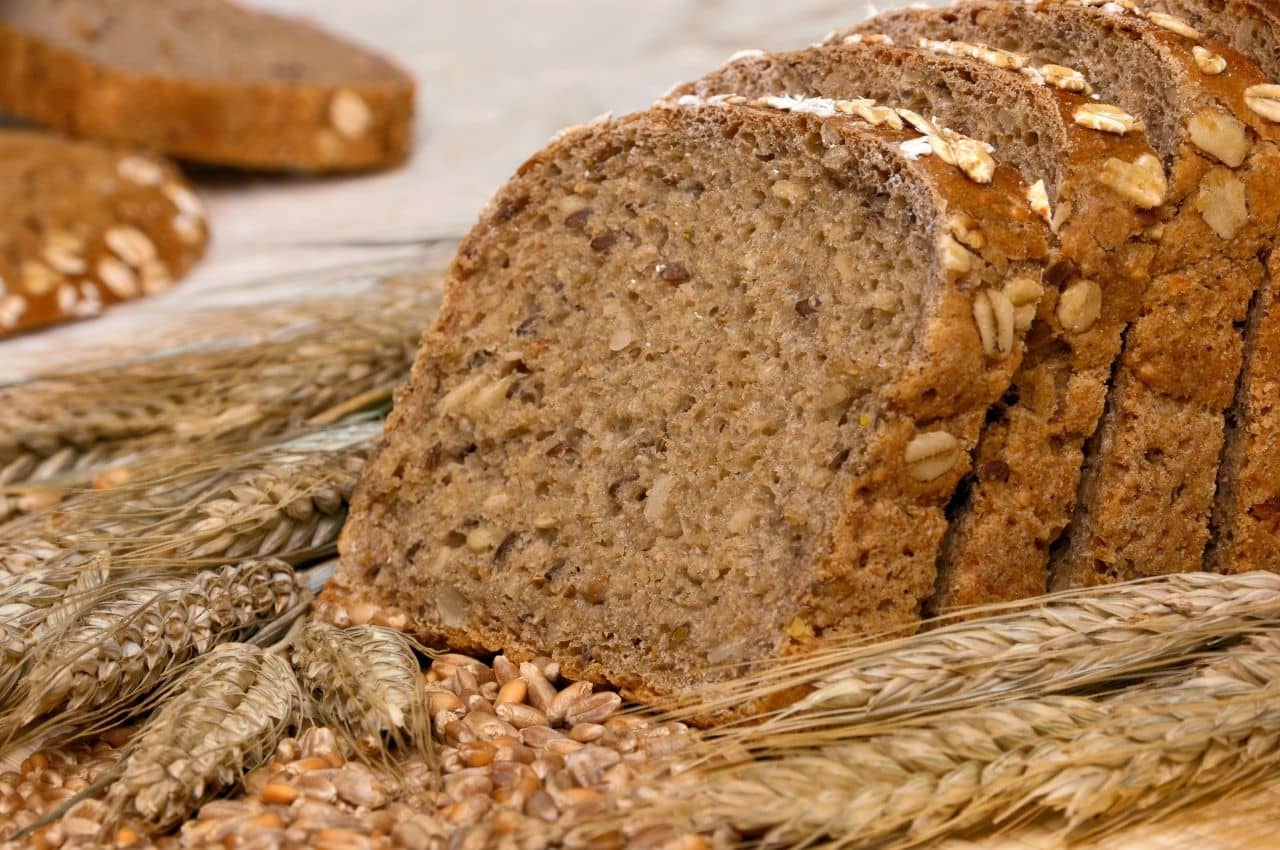
Cereals and seeds are excellent sources of fiber. Corn bran contains 79 grams of fiber per 100 grams and wheat bran contains 42 grams. There is also rice bran (21 grams per 100 grams), oat bran (16.7 per 100 grams), etc. Chia seeds contain 34.4 grams and flax seeds contain 27.3 grams per 100 grams. Bran and other whole grains such as rice and wheat are sources of insoluble fiber and quickly make you feel full by swelling with water during digestion. Oats and barley provide soluble fiber, which helps lower cholesterol. Grains are also important sources of nutrients, carbohydrates, protein, and minerals. They are a significant source of energy for our bodies.
Spices and herbs
Spices and herbs are also important sources of fiber. Curry, cinnamon, oregano, coriander, and herbes de Provence provide more than 40 grams of fiber per 100 grams. They are rich in minerals, vitamins, and antioxidants such as polyphenols and curcumin, which protect the body against premature cell aging and the risk of certain cancers. Finally, they promote satiety and have anti-inflammatory properties. Don't hesitate to add them to your dishes.
Legumes
When cooked in water, legumes (red beans, white beans, lentils, etc.) contain an average of 15 grams of fiber per 100 grams. They are rich in vegetable protein, vitamins, and minerals such as iron, magnesium, phosphorus, and potassium. Legumes are commonly used as a partial substitute for meat in meat-free diets.
Dried fruit
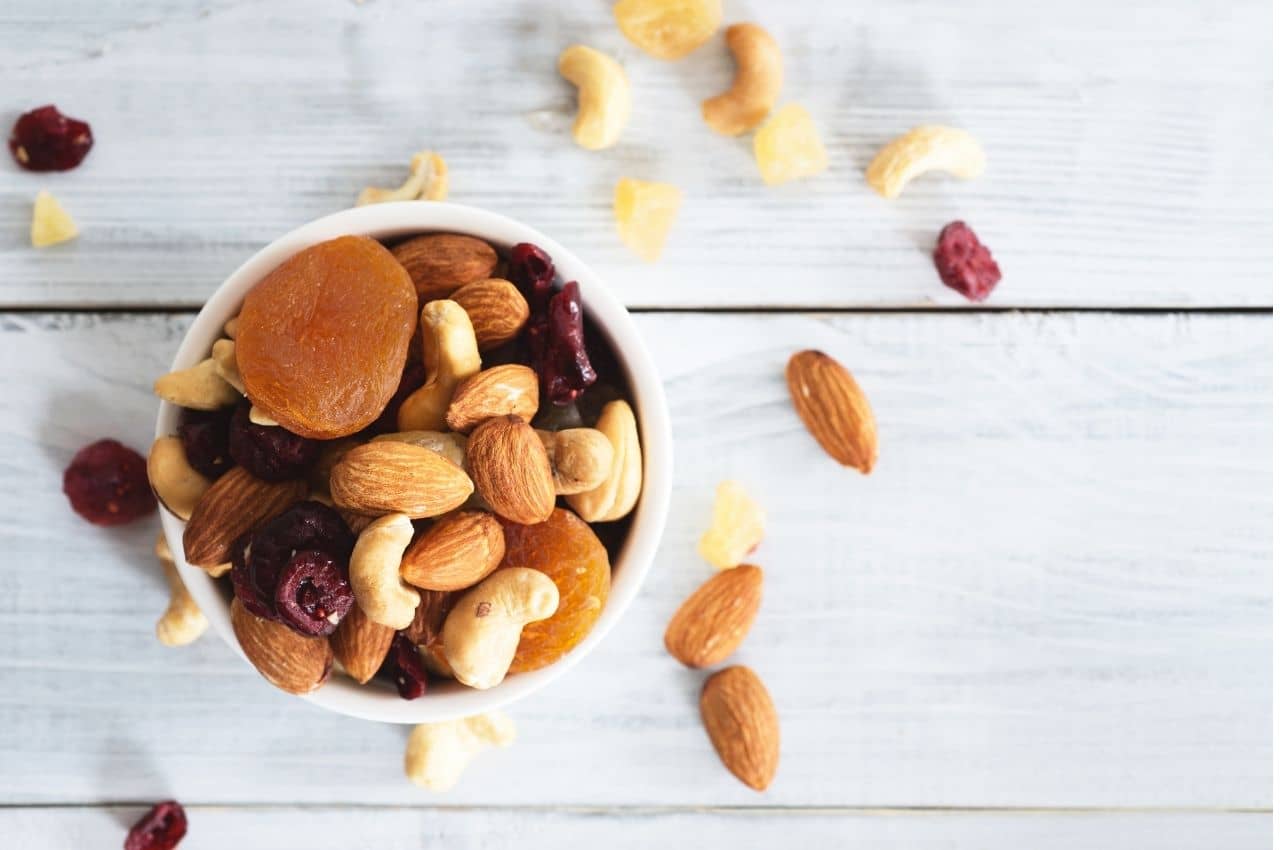
Nuts (almonds, hazelnuts, walnuts, pistachios, etc.) are also particularly rich in fiber, with an average content of 11 grams of fiber per 100 grams. They provide nutrients, healthy fats, vitamins, minerals, and antioxidants. Last but not least, they are associated with a reduction in cholesterol and the risk of cardiovascular disease. They are an excellent choice for snacks.
Fruits and vegetables
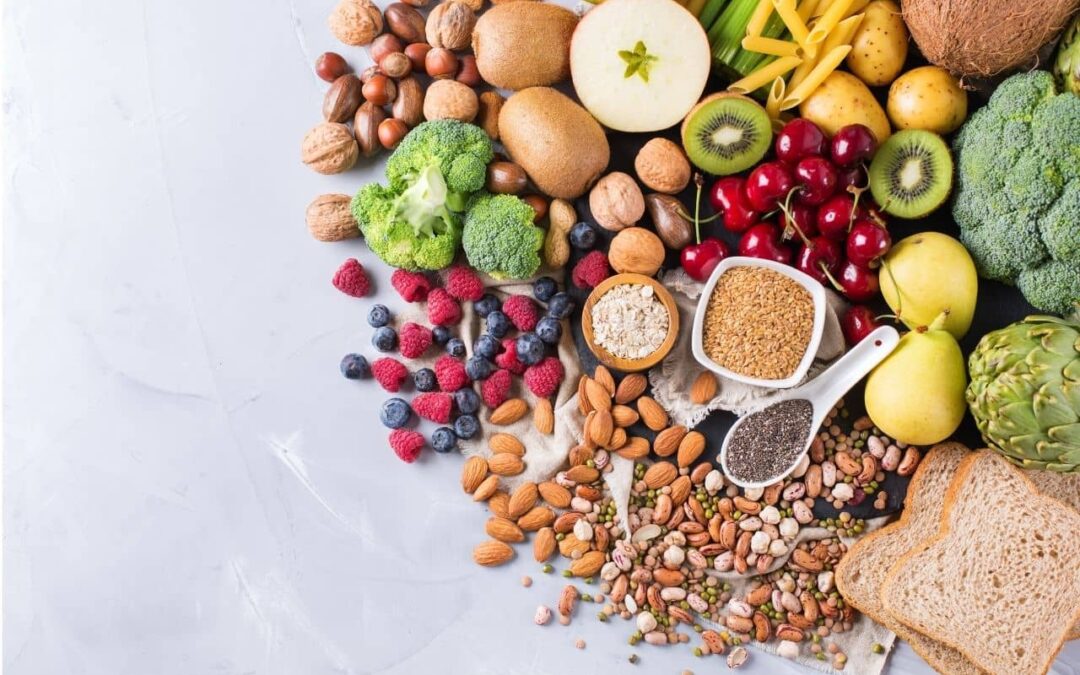
Finally, fruits and vegetables are significant sources of soluble and insoluble fiber. Among the vegetables richest in fiber are peas (5.5g/100g), spinach (3.5g/100g), green beans (3.3g/100g), celery (2.6g/100g), turnips (2.2g/100g), cauliflower (2g/100g) and, for fruit, raspberries (4.3g/100g), strawberries (3.8g/100g), apples (2.9g/100g), pears (2.9g/100g) and bananas (2.7g/100g). In addition to fiber, fruits and vegetables are also excellent sources of minerals and vitamins that are essential for the body.
Conclusion
In conclusion, fiber is a real health ally that is important to include in your diet. You should increase your intake gradually. However, you should not overdo it, as excess fiber can cause digestive problems such as flatulence, bloating, diarrhea, etc. It is therefore important to find the right balance.
Sources:
Dietary fiber. ANSES. Available at: https://agriculture.gouv.fr/sites/minagri/files/documents/pdf/Recommandation_GTFibres_VF_cle44b3dd.pdf
Ciqual. Food composition table. ANSES. Available at: https://ciqual.anses.fr/#/constituants/34100/fibres-alimentaires-(g-100-g)
Nutritional references for protein, fat, carbohydrates, and fiber (adults and seniors). CERIN. https://www.cerin.org/rapports/references-nutritionnelles-proteines-lipides-glucides-fibres-adultes-personnes-agees/

Discover more articles on the microbiota.

What is the difference between probiotics and prebiotics?
Everything you need to know about probiotics. Probiotics modulate the composition of the gut microbiota and prevent the risk of dysbiosis.
Acting on short-chain fatty acid production
Synthesized by the gut microbiota during food fermentation, short-chain fatty acids play a role in maintaining health and preventing disease.

What is a healthy and balanced diet?
Eating a balanced diet means eating well and in quantities that allow the body to function properly.
Take control of your diet with Shido.