Microéquilibre is a French laboratory specializing in micronutrition that develops and markets dietary supplements recommended by healthcare professionals.
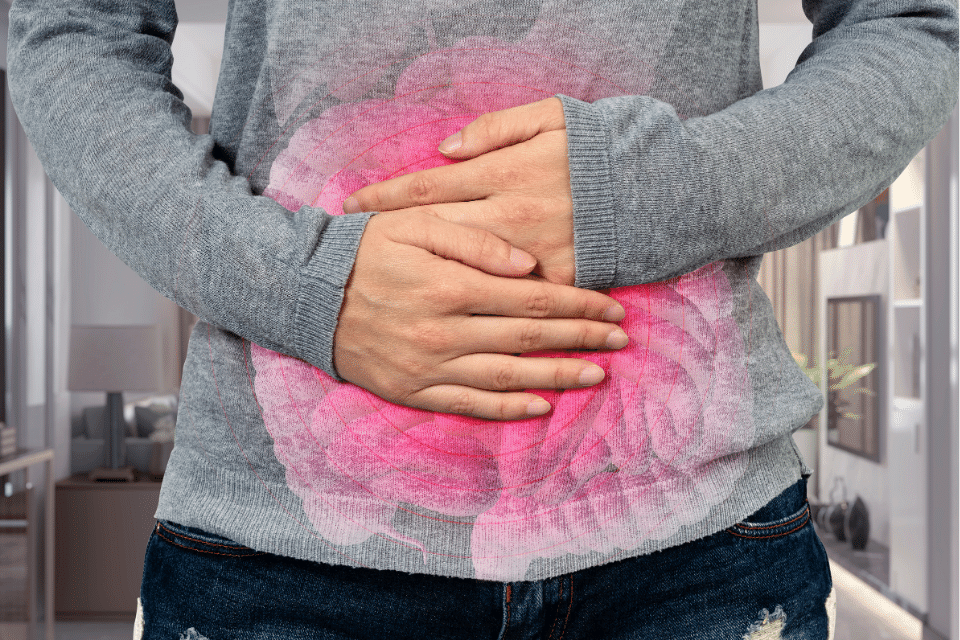
What are inflammatory bowel diseases?
In this article, you will learn how to recognize chronic inflammatory bowel diseases. IBD includes ulcerative colitis and Crohn's disease. You will discover the symptoms of these chronic intestinal disorders, their potential causes, and the role of microbiota in their development.
What are chronic inflammatory bowel diseases?
Chronic inflammatory bowel disease (IBD) affects 10 million people worldwide, 3 million in Europe, including 250,000 in France. According to the Association François Aupetit (AFA), 8,000 new cases are diagnosed each year, and this trend is on the rise. The peak age for diagnosis is between 15 and 35 years old. IBD is particularly prevalent in Western countries and Northern Europe.
The term IBD covers Crohn's disease (CD) and ulcerative colitis (UC). Both are characterized by inflammation of the lining of part of the digestive tract, due to hyperactivation of the enteric immune system. They are therefore considered autoimmune diseases. Genetic and environmental factors and an imbalance in the intestinal flora are among the identified causes of these inflammatory diseases. However, the exact origin of these conditions remains unknown and no cure has yet been developed.
Crohn's disease and ulcerative colitis: what are the differences?
Both diseases affect men and women equally, with onset most commonly occurring between the ages of 20 and 40. CD can affect all parts of the digestive tract, from the mouth to the anus, while UC can affect the rectum and colon (either entirely or partially), but never affects the anus or small intestine. Both diseases progress in flare-ups: phases of more or less severe symptoms alternate with phases of remission without symptoms.

What are the symptoms of IBD?
The symptoms of these diseases are varied and debilitating: often severe abdominal pain, the urge to go to the bathroom up to fifteen times a day, which is urgent and impossible to control. Patients may experience diarrhea, sometimes with blood. These symptoms may be accompanied by extreme fatigue, loss of appetite, weight loss, etc. Complications can also affect the anal region (fissures, fistulas, abscesses).
IBD can be associated with rheumatoid arthritis affecting the joints of the limbs (ankles, knees, wrists, etc.) or the spine (spondylitis), mouth ulcers, erythema nodosum (hard, red, painful swellings the size of a walnut on the legs and forearms), uveitis (inflammation of the central part of the eyes), or inflammation of the bile ducts.
The symptoms, particularly pain and diarrhea, complicate patients' lives: work meetings, outings, using public transportation, classes, and other social activities become difficult to participate in. This can affect patients' psychological well-being and lead to withdrawal and feelings of loneliness.
How is IBD diagnosed?
People with symptoms of IBD should consult a doctor, who will review their medical history, use of nonsteroidal anti-inflammatory drugs and antibiotics, and perform an examination. Infectious causes, such as those acquired while traveling abroad, must be ruled out. Following a consultation with a gastroenterologist, a colonoscopy, a visual examination of the colon using a probe, showing changes in the villi of the intestine, can confirm the diagnosis. Unlike irritable bowel syndrome, the structure of the intestine is damaged in IBD patients. Colonoscopy can also confirm the extent of the changes.
A blood test may reveal anemia and thrombocytosis (increased number of circulating platelets), which are common in cases of IBD. Hypoalbuminemia and vitamin deficiencies may indicate associated malnutrition.

What causes IBD?
The causes of these diseases are not fully understood. Genetic and environmental factors contribute to the inflammatory process. Although these diseases are not hereditary, people with a parent, sibling, or child with IBD are five times more likely to develop the disease themselves. More than 200 genetic mutations are linked to the development of these conditions.
Environmental factors, particularly diet, appear to play an important role in the development of IBD. A diet high in saturated fats and processed meat is associated with a higher risk, while a high-fiber diet reduces the risk of developing IBD. Medications that disrupt the gut microbiota (antibiotics, statins, etc.) can also increase the risk of developing these diseases. The host's immune response is involved in the development of IBD, as are disturbances in the intestinal barrier. Two main hypotheses could explain, at least in part, the onset of IBD.
The hygiene hypothesis
In modern Western societies, children are increasingly less exposed to microbes in the environment. This is due to the extensive use of household disinfectants and a predominantly urban lifestyle. This insufficient exposure to various microbes during childhood could prevent the optimal development of immune defenses and microbiota. In fact, a child exposed to infectious agents will strengthen their immune system and, as an adult, will have a better immunological response to new antigens. The hygiene hypothesis proposes that the increase in immunological disorders in adults is partly caused by a lack of exposure to a wide variety of microorganisms during childhood. As IBDs are immune diseases, the sanitized environment in which we live could be linked to their development.
Diet and IBD
A low-fiber diet reduces the production of short-chain fatty acids (SCFAs) and the presence of SCFA-producing bacteria. However, SCFAs, mainly butyrate, may play a key role in IBD because they modulate the immune response. SFA-producing bacteria are found in lower quantities in IBD patients, and lower levels of SFA have been found in the stools of children with IBD. All of this seems to indicate that there is a link between diet and the development of IBD, through the action of SFA.
What foods should be avoided? Processed foods can reduce the diversity of the microbiota and affect the impermeability of the intestinal barrier, so it is recommended to avoid them in order to maintain a healthy intestinal balance. The same applies to alcohol, which, when consumed regularly, reduces the biodiversity of your intestines. However, there is no guarantee that a diet low in processed foods or alcohol will prevent the onset of IBD.
What are the treatments for IBD?
Currently available drug treatments do not cure the disease but can reduce the intensity, duration, and recurrence of flare-ups.
Surgery is sometimes necessary for certain patients. Twenty to thirty percent of patients with ulcerative colitis undergo surgery during their lifetime. As for Crohn's disease, half of patients undergo surgery within 10 years of diagnosis.
Patients with UC have an increased risk of developing colon cancer, so regular colonoscopies are necessary to monitor this risk. Since the introduction of corticosteroid treatments, the life expectancy of patients with UC is similar to that of healthy individuals. Patients with CD have a slightly higher mortality rate than the healthy population (1.3 to 1.5 times higher), depending on the area affected (small intestine, colon, or both) and the occurrence of complications such as colorectal cancer, anemia, and malnutrition.
What role does the microbiota play in immune diseases such as IBD?
Dysbiosis, or an imbalance in the gut microbiota, appears to play a role in IBD. A decrease in the diversity of the gut flora has been correlated with the development of these diseases. There is a predominantly observed decrease in the Firmicutes population and an increase in Proteobacteria and Bacteroidetes. This can decrease the production of SCFAs and alter the host's immune response. There is also an increase in bacteria that feed on mucins, such as Proteobacteria, which affects the intestinal barrier and overall bacterial composition.
The bacterium Faecalibacterium prausnitzii has an anti-inflammatory effect thanks to its production of butyrate from ingested food. However, this bacterium is found in lower quantities in patients with Crohn's disease. Reduced levels of this bacterium have also been observed in patients with ulcerative colitis during their period of remission, but a return to normal levels is associated with the maintenance of remission.
Adherent and invasive Escherichia coli (AIEC) bacteria are more abundant in patients with CD. They adhere to the intestinal wall and increase intestinal permeability and microbiota composition, inducing an inflammatory response.
Sulfate-degrading bacteria such as Desulfovibrio are more numerous in IBD patients, which increases the production of hydrogen sulfate, damaging cells and inducing intestinal inflammation.
All these data tend to prove the role of the composition of the intestinal microbiota in the development of IBD.
Take care of your microbiota with Nahibu.
Can probiotics cure IBD?
Some probiotics have been shown to be effective in cases of UC. E. coli Nissle 1917, for example, has been shown to be as effective as salicylate-based drug treatment in maintaining remission. VSL#3, a mixture of four strains of Lactobacillus, has the most beneficial effects in patients with ulcerative colitis, inducing and maintaining remission in patients with mild to moderate forms of the disease. Another strain, Lactobacillus GG, has been shown to be more effective than mesalazine treatment in maintaining remission. For CD, however, probiotics have not been proven effective.
Conclusion: living with IBD
To live healthily and take care of your gut and its microbes, we recommend eating fiber-rich fruits, vegetables, and legumes and varying your sources of fiber. This will optimize your SCFA production and promote the colonization of the digestive tract by SCFA-producing bacteria. Microbiota disturbances are present in patients with IBD, and dysbiosis, or microbiota imbalance, plays an important role in the associated inflammatory processes. However, other factors contribute to the development of these diseases.
If you have IBD, you will need to undergo regular medical check-ups to monitor the progression of your symptoms. IBD is a long-term disease with no cure, requiring comprehensive and often multidisciplinary care. It has a significant impact on quality of life, and doctors must take all aspects of these conditions into consideration when supporting patients.
How can you improve your quality of life if you have IBD? Since smoking is linked to the severity of symptoms, it is essential that you quit if you are a smoker. In addition, smoking has a deleterious effect on many other diseases such as cancer, cardiovascular and respiratory diseases.
Stress can aggravate symptoms, so try to reduce your stress levels using relaxation techniques such as meditation, sophrology, or yoga. This may help to reduce your pain.
Finally, physical activity adapted to the severity of your flare-ups can also relieve your symptoms and improve your overall well-being.
What can you eat if you have IBD? Consult your gastroenterologist, who can recommend a specific diet, especially during flare-ups. Also, listen to your body. If you think a food is aggravating your symptoms, eliminate it from your diet to see if it provides relief.
In conclusion, more and more studies point to a key role for the gut microbiota in these diseases, and modulating the gut flora will certainly offer treatment possibilities in the coming years, if only to relieve symptoms or shorten flare-ups. Dysbiosis is found in IBD patients, but also in other diseases. Analyzing the composition of your gut flora allows you to detect dysbiosis, or bacterial imbalance, and to identify the bacteria present in your gut. If an imbalance, or dysbiosis, is present, it indicates that it is time to pamper your gut microbes with a suitable diet and a healthier lifestyle to improve your well-being!
Sources:
Intestinal microbiota and the development of chronic inflammatory bowel diseases Oumaira Rahmouni, Laurent Dubuquoy, Pierre Desreumaux, Christel Neut, 2016: https://www.medecinesciences.org/en/articles/medsci/pdf/2016/11/medsci20163211p968.pdf
http://www.observatoire-crohn-rch.fr/les-mici-cest-quoi/
Ameli.fr
Gut microbiome structure and metabolic activity in inflammatory bowel disease. Eric A. Franzosa et al. 2019, Nature Microbiology.
Gut microbiota in the pathogenesis of inflammatory bowel disease. Atsushi Nishida, Ryo Inoue, Osamu Inatomi, Shigeki Bamba, Yuji Naito, and Akira Andoh. 2018, Clinical Journal of Gastroenterology.
Microbiota-derived butyrate regulates intestinal inflammation: Focus on inflammatory bowel disease
Mafalda R. Couto, Pedro Gonçalves, Fernando Magro, Fatima Martel, 2020, Pharmacological Research.
Inflammatory Bowel Disease: Presentation and Diagnosis. Sean Flynn and Samuel Eisenstein. 2019, Surgical Clinics of North America.
An Update on Inflammatory Bowel Disease. Tomoko Sairenji, Kimberly L. Collins, and David V. Evans. 2017, Primary Care: Clinics in Office Practice.
Role of antibiotics for treatment of inflammatory bowel disease. Nitzan O, Elias M, Peretz A, et al. 2016, World J Gastroenterol.
Enteric Salmonella or Campylobacter infections and the risk of inflammatory bowel disease. Jess T, Simonsen J, Nielsen NM, et al. 2011, Gut.
Acute gastroenteritis is followed by an increased risk of inflammatory bowel disease. Rodríguez LAG, Ruigómez A, Panés J. 2006, Gastroenterology.
Environmental risk factors for inflammatory bowel disease. Molodecky NA, Kaplan GG. 2010, Gastroenterol Hepatol.
Preclinical disease and preventive strategies in IBD: perspectives, challenges, and opportunities. Torres J, Burisch J, Riddle M, et al. 2016, Gut.
The opportunistic pathogen Listeria monocytogenes: pathogenicity and interaction with the mucosal immune system. Schuppler M, Loessner MJ. 2010, Int J Inflam.
Intestinal microbes in inflammatory bowel diseases. Sartor RB, Mazmanian SK. 2012, Am J Gastroenterol.
Discover more articles on the microbiota.

Partnership between Microequilibre and Nahibu
Partnership between Bio-Recherche and Nahibu
Bio-Recherche Laboratories specialize in researching and marketing high-value-added dietary supplements whose effectiveness has been proven by clinical studies, most of which justify prescription by doctors.
Partnership between BioSavor and Nahibu
Nutritionally rich, BioSavor Superfoods are 100% natural foods that promote well-being and energy.
Take care of your microbiota with Nahibu.