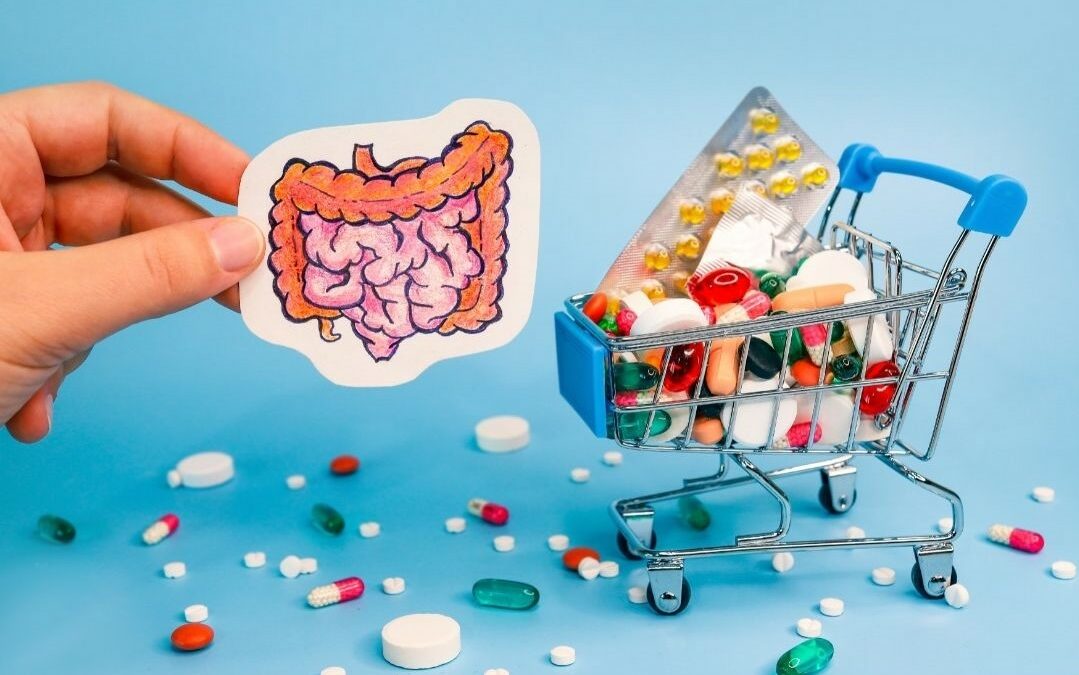
Everything you need to know about probiotics. Probiotics modulate the composition of the gut microbiota and prevent the risk of dysbiosis.
What is the difference between probiotics and prebiotics?
What is the difference between probiotics, prebiotics, synbiotics, and postbiotics?

Probiotics, prebiotics, synbiotics, and postbiotics modulate the composition of the gut microbiota and prevent the risk of dysbiosis. They are a promising therapeutic alternative whose beneficial effects have already been demonstrated by scientific studies.
The gut microbiota
What is the gut microbiota?
The digestive tract, consisting of the stomach and intestines, is colonized by numerous microorganisms (viruses, bacteria, archaea, and fungi). This ecosystem constitutes the gut microbiota, which evolves in concert with its host. It is involved in many of the body's functions. For example, it protects the body by defending it against pathogens. It is also involved in producing nutrients for the host and in immune responses.
What causes dysbiosis of the gut microbiota?
An imbalance in the gut microbiota, more commonly known as dysbiosis, contributes to the onset of certain diseases such as neurodegenerative diseases (Alzheimer's, Parkinson's, etc.), metabolic diseases (diabetes, obesity, etc.), cancers, allergies, etc. This is why restoring its balance is now essential for the host to improve their health.
How can dysbiosis be prevented?
A diet enriched with probiotics, prebiotics, synbiotics, and postbiotics is beneficial for the composition and diversity of the gut microbiota, as well as its balance with the body. It limits the risk of dysbiosis.
What are probiotics, prebiotics, synbiotics, and postbiotics?
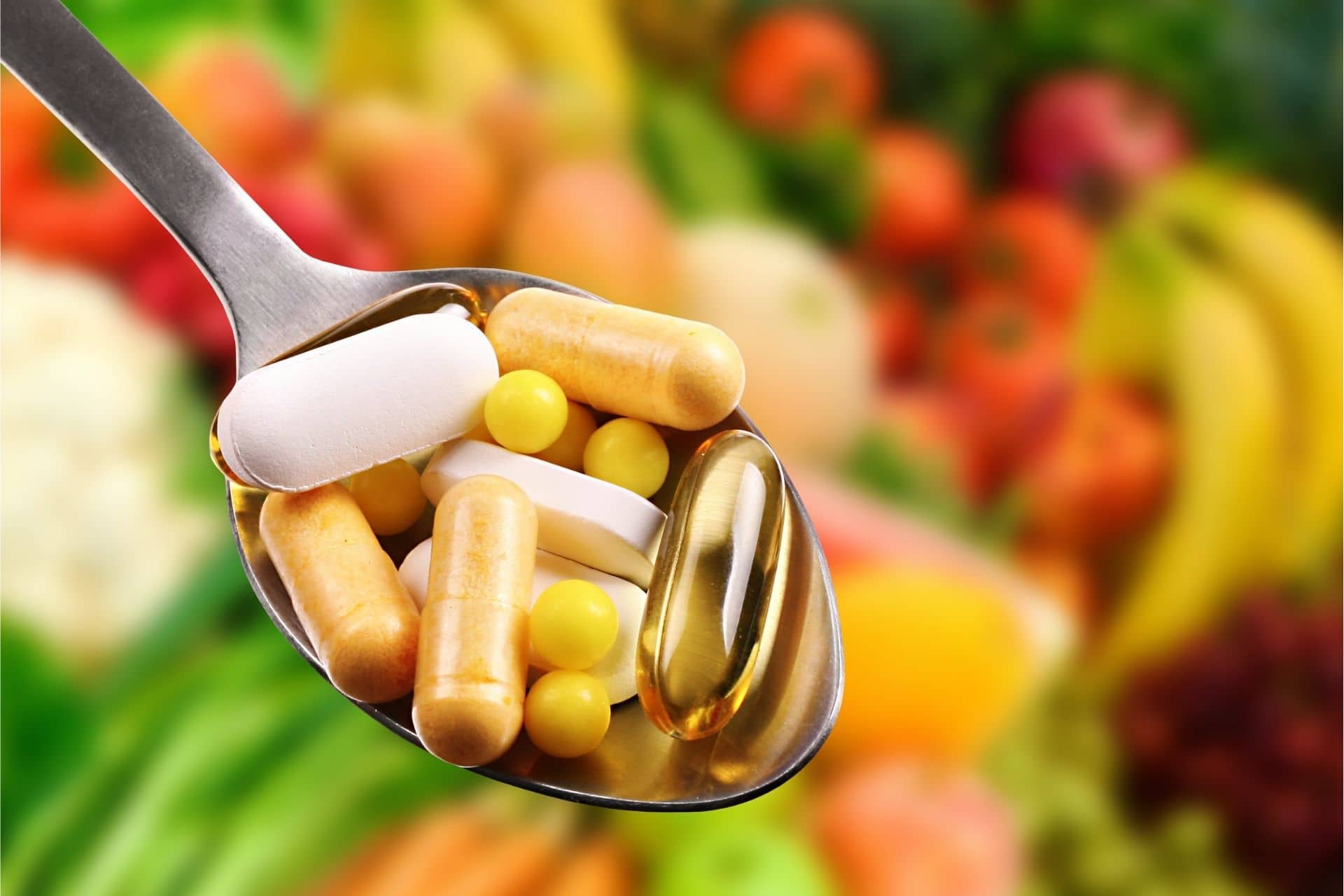
The term biotic, from the Latin bioticius meaning pertaining to life, refers to all factors related to the activity of living beings. Probiotics, prebiotics, synbiotics, and postbiotics modulate the composition of the ecosystem and its activity. They are naturally present in certain foods and are beneficial to those who consume them. They can also be taken as dietary supplements.
What is a probiotic?
Definition of probiotics
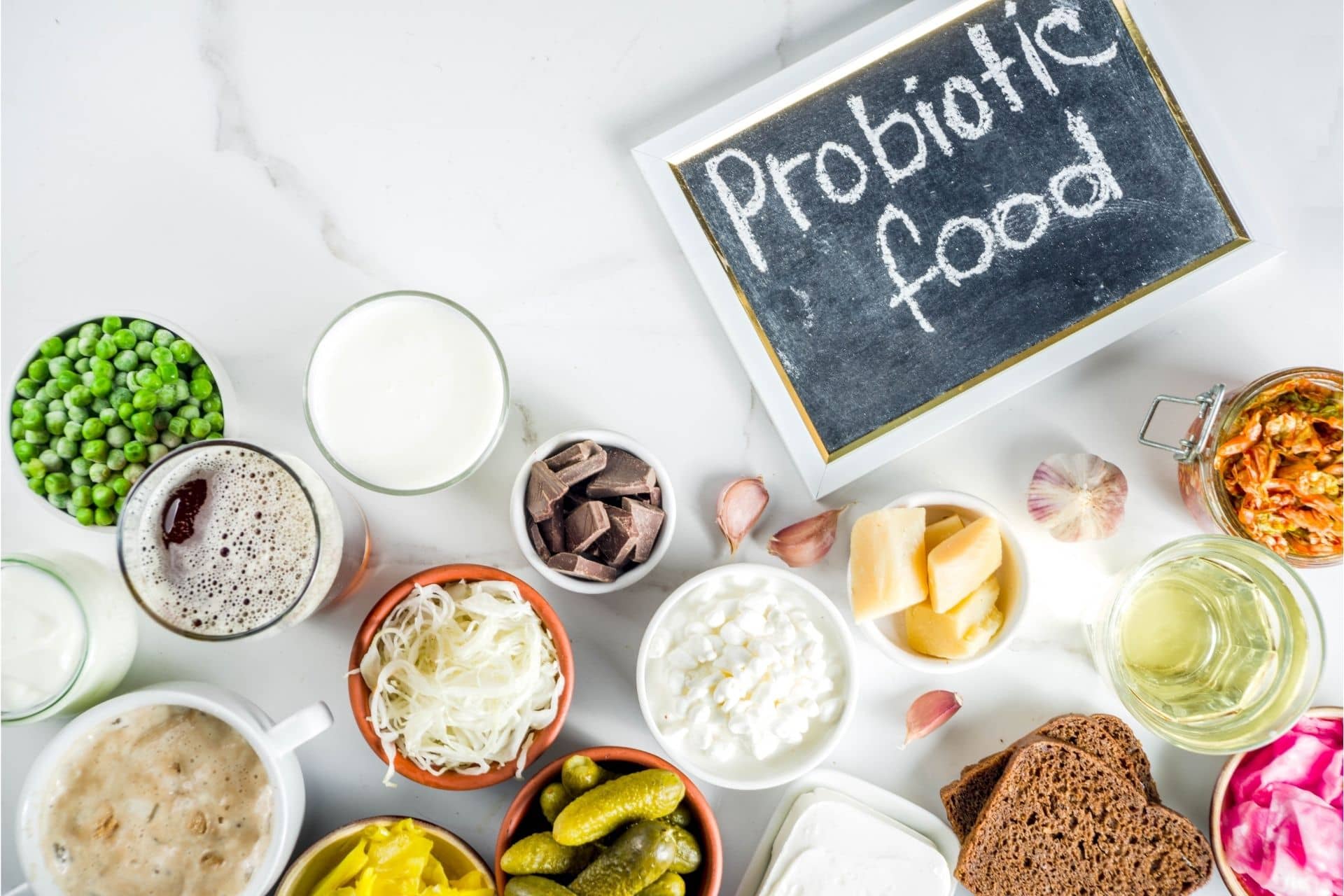
Probiotics are live microorganisms that, when ingested in sufficient quantities, have beneficial effects on the individual. They combat the colonization and development of pathogenic microorganisms in the intestine.
How to choose your probiotics?
A compound is considered a probiotic if and only if it meets a number of criteria. It must be gastro-resistant, meaning that it must not break down before reaching the colon, where it performs its functions. In addition, its effectiveness on health must have been scientifically studied and cannot be generalized to all strains of the same species.
Health benefits of probiotics
Probiotics have many health benefits. First, they promote the growth of good bacteria at the expense of pathogenic bacteria from the environment or diet and improve the effectiveness of the immune system.
They play a role in certain conditions such as inflammatory bowel disease and irritable bowel syndrome by reducing symptoms. They may also reduce the incidence of colon cancer. They have positive effects on episodes of diarrhea, particularly on their duration. They improve the digestion of lactose and sucrose in cases of lactose and sucrose intolerance. Finally, certain products of their metabolism may have antibiotic, anti-carcinogenic, and immunosuppressive properties.
Which probiotic should you take to rebuild your intestinal flora?
Among the most effective probiotics for rebuilding your intestinal flora are bacteria such as Lactobacillus, Bifidobacterium, Streptococcus, Bacillus, Enterococcus, and yeasts such as Saccharomyces boulardii, which can be found in various foods such as dairy products, kefir, kombucha, soy products, sauerkraut, brewer's yeast, etc.
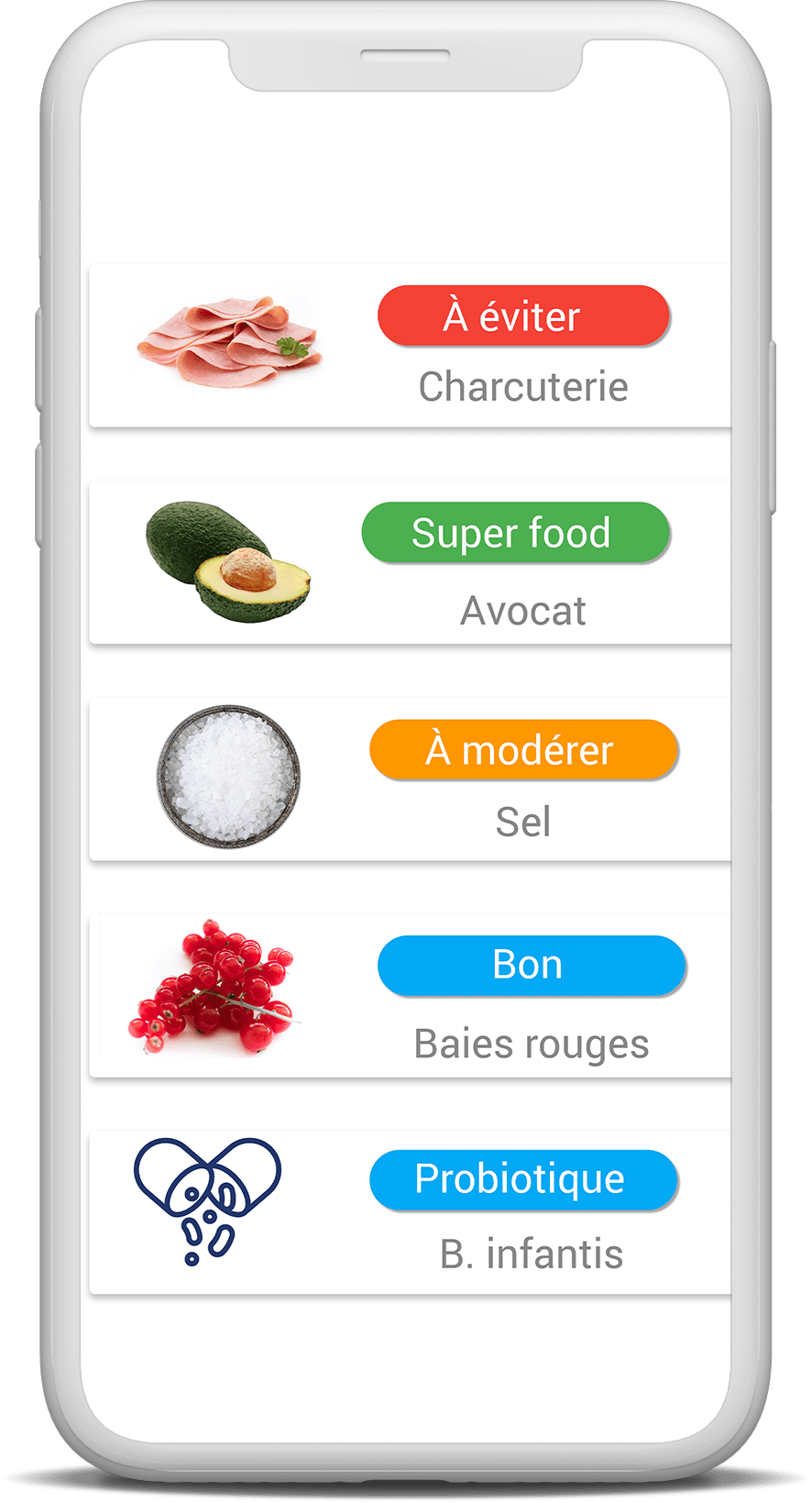
Shido recommends probiotics tailored to your gut microbiota.
Health benefits of prebiotics
Prebiotics are extremely beneficial to the host. First, they promote the growth of good intestinal bacteria such as Bifidobacteria, Lactobacilli, etc., to the detriment of pathogenic bacteria. In addition, their positive effects have been demonstrated in stimulating the immune system, increasing nutrient absorption, reducing blood cholesterol levels, and preventing carcinogenesis.
Examples of prebiotics
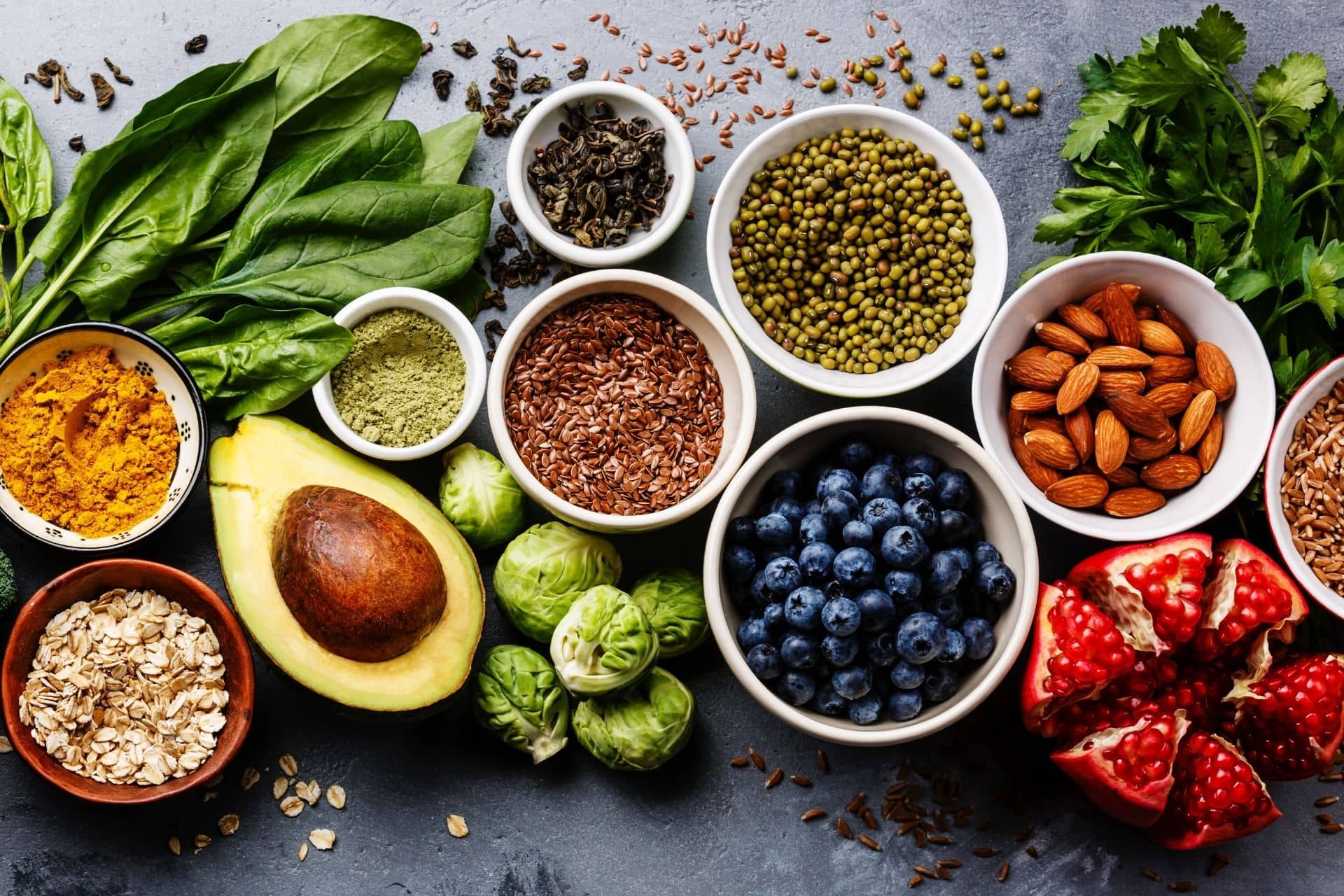
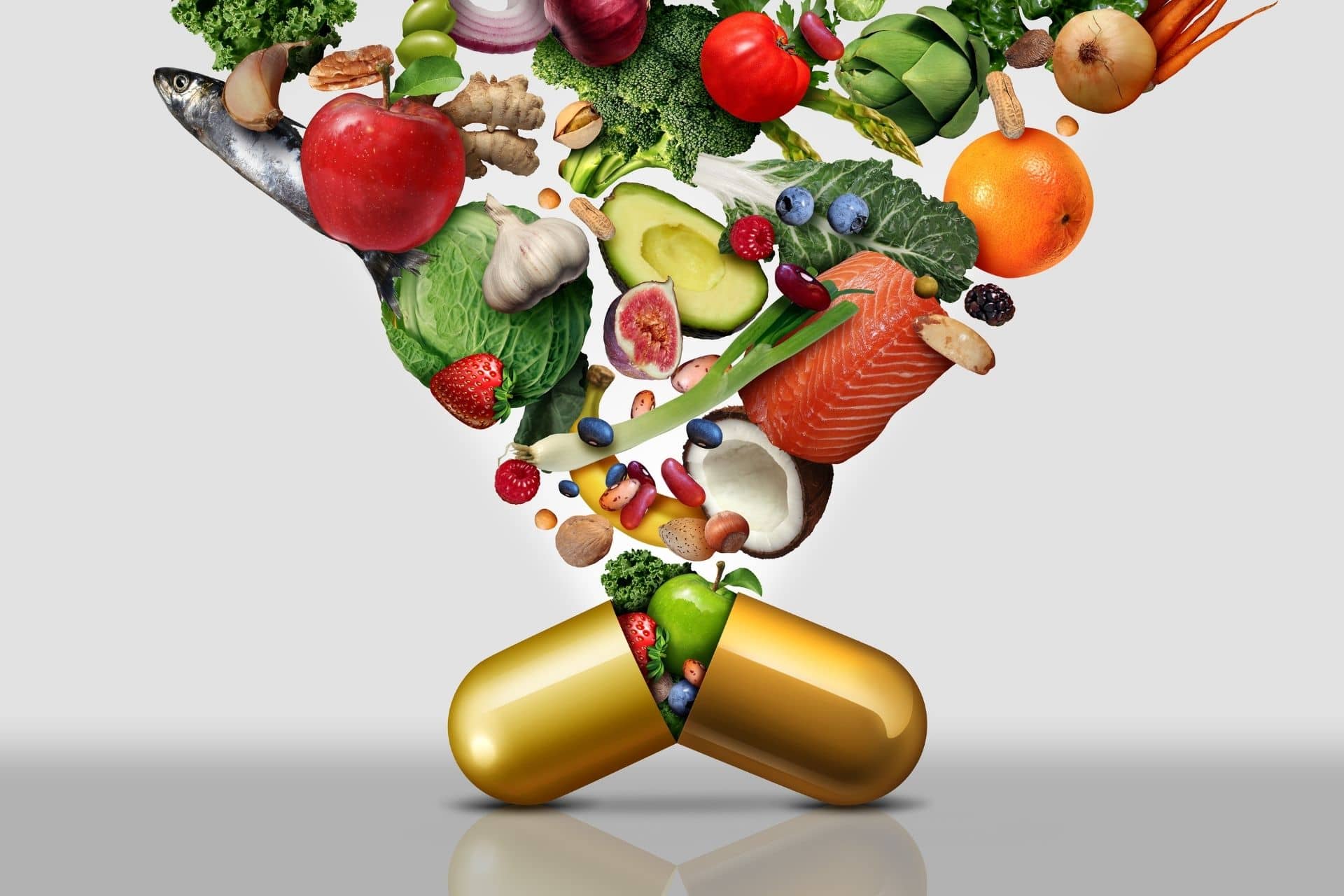
There are various sources of prebiotics, such as inulin, FOS (fructo-oligosaccharides), GOS (galacto-oligosaccharides), and fructans, which can be found in vegetables (garlic, artichokes, asparagus, beets, broccoli, cabbage, leeks, endives, fennel, green beans, tomatoes, etc.), legumes (flageolet beans, black beans, red beans, lentils, chickpeas, etc.), fruits (bananas, apples, dried fruit, dates, figs, grapefruit, pears, etc.), roots (chicory, parsnips, and Jerusalem artichokes), oilseeds (almonds, walnuts, pistachios, etc.), and seeds (oats, whole wheat, flax, barley, and rye).
What is a symbiotic?
Definition of synbiotics
Symbiotics are substances that contain both a probiotic and a prebiotic that work synergistically. The prebiotic component selectively stimulates the growth of the probiotic microorganism and enables it to survive in the digestive tract.
How to choose your symbiotics?
When choosing a symbiotic, there are a number of criteria to consider. First, it is important to pay attention to the diversity of strains and the quantity of microorganisms ingested. Finally, it is essential that they are gastro-resistant in order to colonize the colon.
Health benefits of synbiotics
In the case of symbiotic substances, the combination of prebiotics and probiotics allows the probiotics to survive and increase their health benefits for the host. Symbiotics combine the benefits of probiotics and prebiotics. Finally, it is important to note that synbiotics do not have a specific effect on overall health. The benefits of synbiotics are rather associated with the specific combination of probiotics and prebiotics found in a synbiotic supplement.
Examples of synbiotics
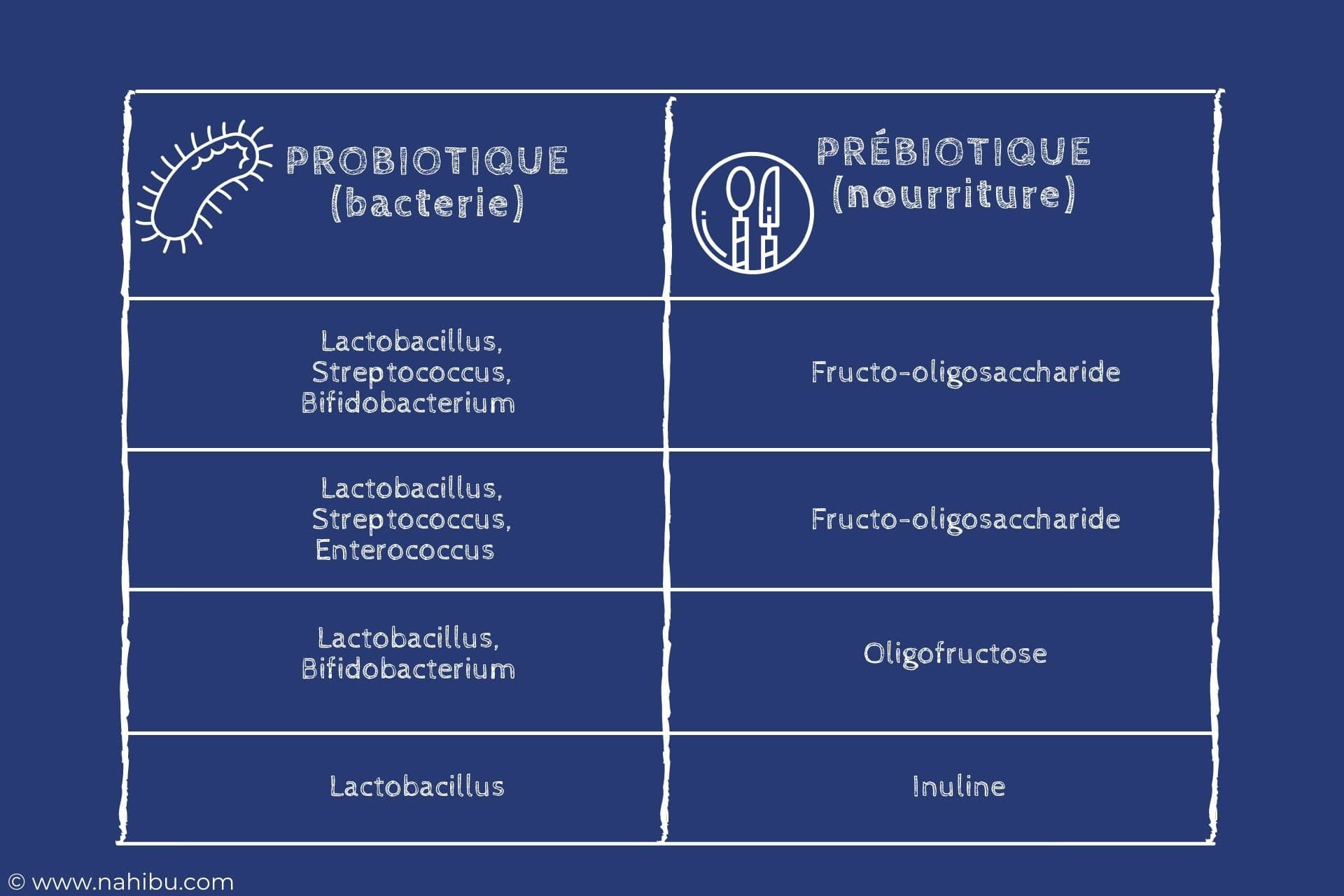
Among the most commonly used symbiotics in human nutrition are the combinations listed in the table below:
What is a postbiotic?
Definition of postbiotics
Finally, postbiotics are compounds produced by the activity of microorganisms. The metabolization of prebiotics by probiotics generates metabolites such as short-chain fatty acids (SCFAs), enzymes, and substrates that are extremely beneficial to the body.
Enzyme: a molecule that contributes to the progress of a biochemical reaction
Substrate: substance on which the enzyme acts during the biochemical reaction
Fatty acid: a component of lipids (or fats)
Health benefits of postbiotics
In addition to improving overall health, postbiotics are effective in preventing and limiting the symptoms of several diseases. They are most commonly used in infants to reduce colic and in people with severe inflammatory bowel disease such as Crohn's disease or ulcerative colitis. They are also effective in cases of atopic dermatitis (or atopic eczema). However, they are currently only used in specific clinical contexts.
Conclusion
In conclusion, probiotics, prebiotics, synbiotics, and postbiotics offer numerous health benefits. They prevent the risk of dysbiosis and therefore the disorders that can be associated with it. To reap the full benefits, it is essential to eat a healthy and varied diet rich in probiotic and prebiotic foods (Shido) or to take dietary supplements enriched with these nutrients.
Sources:
Paulina Markowiak, Katarzyna Slizewska. Effects of Probiotics, Prebiotics, and Synbiotics on Human Health. Nutrients. 2017.
Carrie A. M. Wegh, Sharon Y. Geerlings, Jan Knol, Guus Roeselers, Clara Belzer. Postbiotics and Their Potential Applications in Early Life Nutrition and Beyond. Internal Journal of Molecular Sciences. 2019.
S.M. Schneider. Probiotics. Medicine of Metabolic Diseases. 2008
Géraldine Favre. Prebiotics and probiotics: do they have real health benefits? The role of pharmacists in advising customers in pharmacies. Pharmaceutical Sciences. 2004.
Ravi Mangal Patel, MD and Patricia Wei Denning, MD. Therapeutic Use of Prebiotics, Probiotics, and Postbiotics to Prevent Necrotizing Enterocolitis: What is the Current Evidence? Clin Perinatol. 2013.
Discover more articles on the microbiota.
Take care of your microbiota with Nahibu.