Does diet affect our mood?

Does diet affect our mood?

Gut-Brain Axis:

How Food Affects Your Mood

Is Happiness on Your Plate?

Have you ever noticed that your mood influences your food choices?

When you're feeling blue, you often crave something sweet. This is not surprising, as eating foods high in sugar, salt, or fat stimulates the release of dopamine in the brain and activates the reward circuit.
But did you know that the opposite is also true?

What you eat can have a direct impact on your stress, anxiety, and mental clarity.
This biological link is largely based on the gut microbiota, an ecosystem of billions of microorganisms living in our intestines. Nutritional psychiatry, a rapidly growing field, confirms that the health of what is known as our second brain is closely linked to our nutrition. A diet tailored to your microbiota can therefore become your best ally for lasting intestinal and emotional well-being.

The Gut-Brain Axis: A Highway of Communication

The gut and the brain communicate constantly, both through nerve pathways, particularly via the vagus nerve, and through biochemical mechanisms involving neurotransmitters. This two-way relationship, known as the gut-brain axis, influences our mood, emotions, and even our daily motivation.

Serotonin: The Happiness Hormone is Produced in the Gut

Serotonin is a neurotransmitter that is essential for cognitive well-being. It plays a role in regulating mood, stress, and sleep. Although it plays a central role in the brain, its production depends largely on our gut: nearly 95% of the serotonin in our body is synthesized there. This production is directly linked to the balance of the gut microbiota, certain bacteria of which are involved in converting nutrients into serotonin precursors.
Therefore, a suitable diet promotes good gut health and contributes to better emotional balance. Conversely, intestinal dysbiosis can disrupt this production, leading to irritability, anxiety, or sleep disorders.
happiness-mood-nahibu

Mediterranean Diet vs. Western Diet: The Mood Match

Not all calories have the same impact on mental health. Scientific studies show that the type of diet directly influences the risk of depressive disorders and emotional well-being.

The Western Diet: The Inflammation Trap

Rich in ultra-processed foods and refined sugars and low in fiber, the Western diet promotes several imbalances:

  • Intestinal dysbiosis, marked by a loss of bacterial diversity.
  • Chronic inflammation disrupting gut-brain communication.
  • Low mood associated with persistent fatigue.

The Mediterranean Diet: Fuel for Well-being

Based on fruits, vegetables, legumes, nuts, and olive oil, the Mediterranean diet is a pillar of intestinal health:

  • It provides the fiber and polyphenols essential for microbial diversity.
  • It supports a balanced and resilient microbiota.
  • It naturally stabilizes mood over the long term.

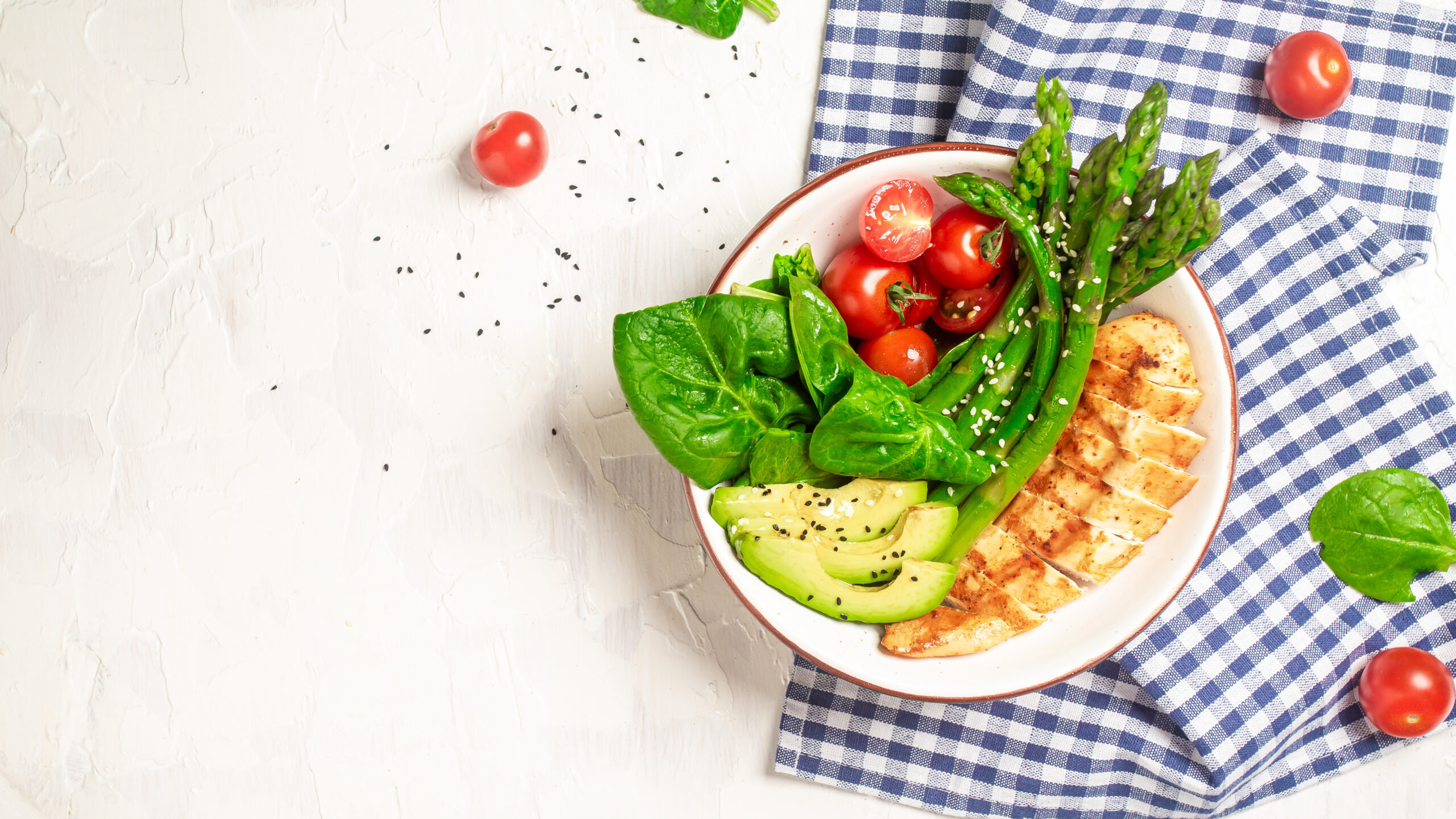
Nahibu tip: Focus on diversity to support both your microbiota and your mood: the more colorful your plate, the more varied your sources of fiber and polyphenols.

healthy-food-sante-nahibu

The Power of SCFAs: The Molecules of Serenity

When we consume fiber, it is fermented by our gut bacteria into short-chain fatty acids (SCFAs): mainly butyrate, propionate, and acetate. These molecules play a key role in the gut-brain balance. Their effects on the brain are significant:

  1. Anti-inflammatory: They protect the nervous system by limiting inflammation.
  2. Regulatory: They participate in the production and modulation of soothing neurotransmitters.
  3. Protective: They strengthen the intestinal barrier, preventing pro-inflammatory molecules from passing into the bloodstream.

By feeding your good bacteria, you promote intestinal balance that provides lasting support for brain serenity.

Why Analyze Your Microbiome with Nahibu?

Every microbiota is unique. To optimize the link between diet and mood, it is essential to know precisely the composition and functioning of your intestinal flora.

Shotgun Metagenomic Sequencing: Absolute Precision

Nahibu uses shotgun metagenomic sequencing technology, which is currently the most advanced technology for microbiota analysis. It allows us to:

  • Identify the bacterial species present with great precision.
  • Determine their actual functions (what they do for you).
  • Assess their ability to produce key molecules, such as butyrate or serotonin precursors.

With this data, we can offer you personalized nutritional recommendations to tailor your diet to your emotional needs.

FAQ


Can

Diet is not a substitute for medical or psychological care. However, sufficient fiber and omega-3 intake supports gut health, reduces brain inflammation, and helps stabilize mood naturally.

What

Psychobiotics are foods that affect mood via the microbiota. Focus on fiber (leeks, onions, bananas), polyphenols (red fruits, dark chocolate, green tea), and fermented foods (kefir, kombucha, sauerkraut).

How

Chronic digestive problems (bloating, irregular bowel movements, etc.) combined with mental fatigue or irritability can be signs of dysbiosis. A Nahibu test can accurately check for this.
alimentation-nahibu-microbiote

Conclusion: Take care of your gut to free your mind

Diet is the primary lever for emotional balance. By nourishing your microbiota with a varied, high-quality diet, you promote the production of serotonin and AGCC, which are key to regulating mood.
With Nahibu, you can move from intuition to science. Analyze your microbiota accurately and receive tailored nutritional advice to boost your morale.


Sources and references:

  • Cryan JF, Dinan TG. Mind-altering microorganisms: the impact of the gut microbiota on brain and behavior. Nat Rev Neurosci.
  • Dalile B, et al. The role of short-chain fatty acids in microbiota-gut-brain communication. Nat Rev Gastroenterol Hepatol.
  • Sánchez-Villegas A, et al. Mediterranean diet and depression risk: meta-analysis. Mol Psychiatry.
  • Nahibu. Scientific documentation and protocol for the gut microbiota analysis kit. 2025.

Take care of your microbiota with Nahibu.
Discover more articles on the microbiota.

More than 200 healthcare professionals have joined forces with Nahibu, the European expert in gut microbiota analysis.

More than 200 healthcare professionals have joined forces with Nahibu, the European expert in gut microbiota analysis.

In order to provide healthcare professionals with the best possible support in understanding the gut microbiota and interpreting Nahibu analysis reports, the company has been offering free training courses since January 2021. The aim is to help healthcare professionals develop their knowledge of the gut microbiota and thus enhance the healthcare experience for their patients.

Take care of your microbiota with Nahibu.
How Microbiota and Immunity Shape Your Health

How Microbiota and Immunity Shape Your Health

Immunity Begins in Your Gut

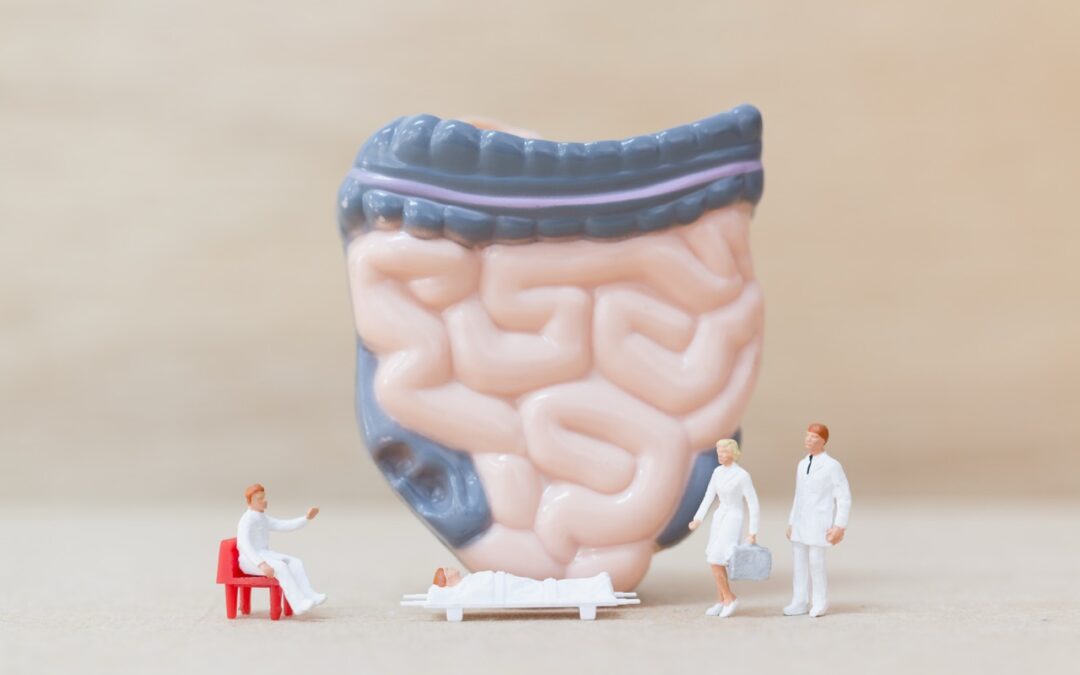
Did you know that nearly 70% of your immune system's cells are found in your gut?

This figure alone illustrates the central link between the gut microbiota and the body's protection. A veritable ecosystem composed of billions of microorganisms, the microbiota not only aids digestion: it educates, modulates, and regulates immunity on a daily basis. When its balance is disrupted, a condition known as intestinal dysbiosis, the immune system can weaken or, conversely, become excessive and cause inflammation.
Understanding the link between microbiota and immunity is therefore essential for maintaining overall health. This is precisely what Nahibu analysis does, using shotgun metagenomic sequencing, the most advanced technology for exploring this invisible ecosystem and providing you with a roadmap to better intestinal well-being.

The gut: the command center of the immune system

The main role of the intestine is to ensure the absorption of nutrients from food into the bloodstream. Due to this constant contact with the external environment, it requires increased protection. This is why the intestine is the organ with the highest concentration of immune cells and the most active antibody production, making it a key organ for immunity.
It is lined with a specific immune tissue called GALT (Gut-Associated Lymphoid Tissue), which houses this high density of immune cells (lymphocytes, macrophages, etc.). The role of these cells is to continuously monitor what comes into contact with the body, whether nutrients, beneficial bacteria, or pathogens, and to respond appropriately.
In this context, the microbiota plays a decisive role:

  • It teaches the immune system to tolerate harmless microorganisms.
  • It triggers appropriate responses against pathogens.

This immune education begins at birth and continues throughout life.

microbiota-immunity-nahibu

The Intestinal Barrier: Highly Sophisticated Protection

To maintain this state of vigilance and tolerance, the intestine operates a defense system at various interconnected levels:

The Intestinal Epithelium (Selective Defense)

Intestinal cells (enterocytes) are connected to each other by tight junctions, ensuring selective permeability: only beneficial nutrients pass through. A disruption of this barrier (often called intestinal hyperpermeability) can allow toxic molecules to pass through and promote chronic inflammation.

The Mucosa and Mucus (Physical Defense)

Intestinal mucus forms a physical barrier rich in IgA antibodies and antimicrobial peptides. A balanced microbiota directly contributes to the quality of this protective layer, preventing unwanted bacteria from reaching the intestinal wall.

GALT (Immune Defense)

GALT immune cells receive information from the intestinal lining (particularly the microbiota) and epithelial cells. This dialogue triggers an appropriate immune response in the event of a pathogen invasion.

Commensal Microbiota (Biological Defense)

The 1013 beneficial microorganisms that make up the intestinal microbiota protect the body in two ways:

Barrier Effect:

They occupy space and compete with pathogens, preventing them from establishing themselves.

Production of Protective Substances:

They secrete bacteriocins and modulate pH, creating an environment that is hostile to unwanted microbes.

How the Microbiota Specifically Regulates Immunity

The dialogue between bacteria and immune cells is biochemical and relies on metabolites produced by our flora.

The Key Role of Short-Chain Fatty Acids (SCFAs)

Dietary fiber, which is not digested by our enzymes, is fermented by the microbiota. This process leads to the production of short-chain fatty acids (SCFAs), including butyrate, propionate, and acetate, which are essential for intestinal health.
SCFAs are crucial because they:

  • Nourish colon cells, for which they are the main source of energy.
  • Modulate the activity of immune cells.
  • Strengthen the intestinal barrier.

Butyrate, in particular, promotes the development of regulatory T cells (Tregs), which are responsible for maintaining immune tolerance and controlling inflammation.

Finding the Balance Between Tolerance and Defense

A healthy microbiota maintains a delicate balance between:

  • Anti-inflammatory Responses (Tolerance): Essential for preventing excessive reactions to food or beneficial bacteria. They play a protective role against allergies and autoimmune diseases.
  • Controlled Pro-inflammatory Responses: Necessary for eliminating pathogens.

This balance is fundamental to ensuring effective immunity without excess. A breakdown in this tolerance can lead to chronic inflammation, often linked to intestinal dysbiosis.

Intestinal Dysbiosis: When Immunity Goes Haywire

Intestinal dysbiosis is characterized by a loss of microbial diversity and an imbalance in favor of opportunistic species. This imbalance directly impacts the immune system by reducing the production of SCFA and altering the intestinal barrier.
Dysbiosis is strongly associated with (Source: AP-HP Research Foundation; COPMED):

Maintaining a diverse and balanced microbiota, particularly through a rich and varied diet, is therefore a major lever for supporting immunity and overall health.

How

Regulation is mainly based on metabolites produced by bacteria, such as Short-Chain Fatty Acids (SCFAs). These molecules act as signals for immune cells, promoting in particular the production of Regulatory T Cells (Tregs) which maintain tolerance and control inflammation.

What

Shotgun metagenomic sequencing is the technique used to measure the functional potential of your microbiota. For immunity, this means that Nahibu can assess your flora's ability to produce AGCCs (anti-inflammatory molecules) and strengthen the intestinal barrier, crucial information that cannot be obtained using basic analysis methods.

What

Signs include increased vulnerability to infections, chronic inflammation, allergies, or food intolerances. Intestinal dysbiosis can compromise the intestinal barrier and disrupt the balance between immune responses (tolerance vs. defense), requiring targeted action.

Nahibu: Understanding Your Immunity Through Metagenomic Sequencing

To effectively improve your gut health and, consequently, your immunity, it is essential to identify the weaknesses in your microbiota.
Nahibu uses shotgun metagenomic sequencing, the most comprehensive technology for analyzing the gut microbiota.
Unlike targeted analysis methods, shotgun technology allows:

  1. Identify bacteria down to the species level, providing the most comprehensive mapping possible.
  2. Analyze the biological functions that are actually present (production of SCFAs, vitamins, immunomodulatory metabolites).
  3. Assess the condition of your intestinal barrier and your inflammatory potential.

Why is Nahibu's expertise the key to your intestinal well-being?

  • 🔬 High Scientific Accuracy: Reliable results to understand the functional state of your flora.
  • 🇫🇷 French Expertise: Quality guarantees and rigorous protocols.
  • 🎯 Personalized Recommendations: We offer you a roadmap for tailored nutrition (via the Shido platform and our network of qualified professionals) to take concrete action on the balance of your microbiota and your defenses.

Take care of your microbiota with Nahibu.

Conclusion: Your Immunity Begins in Your Microbiota

The science is clear: a balanced microbiota is a fundamental pillar of immunity. By taking care of your gut health, you are directly influencing your natural defenses and preventing inflammatory diseases.
With Nahibu, you no longer have to guess: you understand the mechanisms that link your microbiota to your immune system. Thanks to our expertise in metagenomic sequencing, we give you the keys to move from theory to action.


Sources: 

  • Biocodex Microbiota Institute – Role of the gut microbiota in immune regulation
  • Lescuyer Laboratory – Microbiota and immunity
  • COPMED – Gut Microbiota and the Immune System
  • AP-HP Research Foundation – Gut microbiota and research
  • Medicine/Science – Microbiota-immunity interactions

Take care of your microbiota with Nahibu.

Discover more articles on the microbiota.

More than 200 healthcare professionals have joined forces with Nahibu, the European expert in gut microbiota analysis.

More than 200 healthcare professionals have joined forces with Nahibu, the European expert in gut microbiota analysis.

In order to provide healthcare professionals with the best possible support in understanding the gut microbiota and interpreting Nahibu analysis reports, the company has been offering free training courses since January 2021. The aim is to help healthcare professionals develop their knowledge of the gut microbiota and thus enhance the healthcare experience for their patients.

Take care of your microbiota with Nahibu.
What to do (and avoid) before the gut microbiota test

What to do (and avoid) before the gut microbiota test

Preparing for a microbiome test: the essentials

The gut microbiota is a fragile ecosystem: its composition is strongly influenced by our lifestyle and, more specifically, our diet.
When undergoing a microbiota test, what you eat or take in the days leading up to your sample collection can have a significant impact on the results.

It is therefore essential to prepare well in order to maximize the quality of the sample and make the analysis as representative as possible. In this article, find out what to do (and what to avoid) before taking your at-home microbiota test with the Nahibu gut microbiota analysis kit. With this guide, you will optimize the reliability of your gut assessment and ensure that the results reflect the true state of your microbiota.

Why preparation matters

Microbiome tests are essentially based on the analysis of a stool sample at a given moment in time: it is a snapshot of your gut flora.
Certain foods, supplements, or medications can alter the composition of the microbiota in the short or long term, or directly interfere with the analysis. For example, probiotics, antibiotics, and laxatives can alter the results.
Therefore, neglecting to prepare properly can affect the accuracy of the test and make the nutritional recommendations less relevant.

What to avoid before the sample is taken

Here are the main pitfalls to avoid in the days (or weeks) leading up to your test:

Test-microbiote-nahibu

Antibiotics, antifungals, antiparasitics

The role of antibiotics, antifungals, and antiparasitics is to eliminate pathogenic microorganisms responsible for infections. However, by targeting these infectious agents, they inevitably impact the commensal flora.
Taking antimicrobials is therefore a major bias in the analysis of the microbiota. It is therefore preferable to wait a certain amount of time after treatment before taking a sample. It takes about 2 to 3 months for the microbiota to return to complete balance. Nevertheless, to obtain results that are already representative, a period of 4 to 6 weeks after the end of treatment is recommended.

Use of medications

Many non-antimicrobial medications can also disrupt the microbiota. This is the case with certain anti-inflammatory drugs (NSAIDs), proton pump inhibitors (PPIs), antidiabetic drugs (metformin), laxatives, psychotropic drugs, etc.
It is generally recommended to wait 2 to 3 weeks before taking a sample.
For long-term treatments, do not stop your treatment without medical advice. Repeated enemas can also be
aggressive for the microbiota. Again, a delay of at least 4 weeks may be necessary before performing the test.

Probiotics and prebiotics

Biotic substances (probiotics, prebiotics, postbiotics, and synbiotics) aim to support the balance of the microbiota by optimizing its ecosystem. Consuming them therefore has a natural effect on its composition.
If you want to know the state of your microbiota without the recent influence of these biotic substances, it is recommended that you stop taking them 1 to 2 weeks before the sample is taken.
However, if your goal is to evaluate their effects on the microbiota, you can continue to use them.
Foods rich in probiotics (yogurt, kefir, sauerkraut, kimchi, kombucha, etc.) can also alter the microbial composition, so it is best to avoid consuming them in the days leading up to the sample collection.


Drastic dietary changes

Avoid making drastic changes to your diet just before the test, such as a very cleansing diet or prolonged fasting. It is advisable to maintain your usual diet, even if it is specific (low FODMAP, ketogenic, etc.), for at least one week before the sample is taken.
If you have recently moved, returned from a trip abroad, or changed your eating habits, this may disrupt your microbiota and make the sample less representative.

microbiota-intestinal-probiotic

What to do (good habits) before the test

Maintain your usual habits (as far as possible)

Keep up your eating habits and make sure you drink enough water: staying well hydrated promotes bowel movements and makes the sample collection easier.
Continue taking your medication or supplements if necessary; never stop a regular treatment without medical advice.

Track your symptoms and diet

It may be helpful to note your diet, digestive symptoms, and activities for 1 to 2 weeks prior to the test. This information makes it easier to interpret the results and helps connect certain habits to your microbial profile.

The quality of the sample directly affects the quality of the analysis. Proper preparation ensures an accurate picture of your microbiota, without bias related to diet, supplements, or recent treatments.

Follow the test protocol

Following the collection instructions is essential to ensure that the sample is compliant and, therefore, that the results are reliable.
Carefully read the instructions provided in the kit: use of the tube, stool collector (feces catcher), packaging, shipping time, etc. Nahibu provides all the necessary materials and precise instructions in its gut microbiota test kit.
Choose a quiet moment when you are relaxed to take the sample. A calm environment reduces the risk of error and contamination.
Pack the sample correctly in the items provided (shuttle pouch, prepaid envelope, etc.) to ensure its safety and stability during shipping.
The tube provided in the Nahibu kit contains a DNA stabilizer that allows the sample to be stored at room temperature until it is received by our laboratory. It is essential not to empty the tube.

When should you postpone your test?

Here are some situations in which it is best not to take the sample immediately, but to postpone it:

  • You have an acute intestinal infection, diarrhea, or severe digestive symptoms
  • You have just undergone medical treatment: wait long enough (e.g., 4–6 weeks for antibiotics) to allow your microbiota to recover.
  • You have had a colonoscopy
  • You have recently made significant changes to your diet (new diet, fasting, supplementation, etc.): it is best to return to your normal diet for a few days so that the sample is representative.
  • You have recently traveled, especially abroad, or undergone significant changes in your routine: your microbiota may be out of its usual routine.

Specific features of the Nahibu kit

The Nahibu gut microbiota analysis kit is designed for home sampling and includes a stool collector (feces catcher), a tube with DNA stabilizer, and a prepaid envelope for shipping.
Nahibu uses shotgun metagenomic sequencing, which allows for a very detailed analysis of your microbiota. To ensure reliable results, it is essential that the sample is of good quality.
If you are undergoing treatment or taking supplements, it may be useful to consult a professional or contact the Nahibu team to find out if any adjustments are necessary before the test. You can then enter this information in the online questionnaire.

Take care of your microbiota with Nahibu.
FAQ

Should I stop taking probiotics before my test?

Yes, usually 1 to 2 weeks before taking the test, but it depends on the protocol. Some laboratories require you to stop, while others tolerate regular intake if it is part of your routine.

How long should you wait after taking antibiotics before taking the test?

It is generally recommended to wait 4 to 6 weeks after your last antibiotic, to give your microbiota time to recover.

Can I take the test if I travel or change my diet often?

It is best to postpone the test if you have recently changed your eating habits, returned from a trip, or if your routine has changed significantly: these disruptions can make the sample less representative.

How can I ensure that my sample is not contaminated?

Use the items provided in the kit, follow the instructions carefully (do not let the tube touch the toilet water, pack the sample securely), and return it quickly according to the instructions.

Can my usual medications affect the test results?

Certain medications (anti-inflammatories, laxatives, etc.) can affect the microbiota or the sample. Check the instructions in the kit and, if necessary, ask a professional or the Nahibu team for advice.

Conclusion:

Proper preparation is essential for obtaining a reliable and useful microbiota analysis. By avoiding interferences such as antibiotics, probiotics, or drastic dietary changes, and by following the kit's protocol (collection, packaging, shipping), you can ensure the quality of your sample.
With the Nahibu gut microbiota test, which includes a home collection kit and analysis based on shotgun metagenomic sequencing technology, you get an accurate and comprehensive analysis. 📊
Take action now: carefully prepare your sample, send it in, and then use your report to better understand your microbiota and benefit from Nahibu's personalized nutritional recommendations.

Sources and references used: 

This article is based on recommendations from several laboratories specializing in gut microbiota analysis and best practices for sampling:

  • Vibrant Wellness – Gut Zoomer test preparation instructions
  • MyMicroZoo – Recommendations before a microbiome test
  • HealthPath – Sample collection guide for gut tests
  • Amanda Nutrition – Tips for the Complete Microbiome Stool Test
  • The Health Feed – General information on at-home microbiota testing
  • Lepivits – Overview of the Nahibu kit, including collector and DNA stabilization
  • Nahibu – Documentation on shotgun metagenomic sequencing and the kit protocol

Take care of your microbiota with Nahibu.

Discover more articles on the microbiota.

More than 200 healthcare professionals have joined forces with Nahibu, the European expert in gut microbiota analysis.

More than 200 healthcare professionals have joined forces with Nahibu, the European expert in gut microbiota analysis.

In order to provide healthcare professionals with the best possible support in understanding the gut microbiota and interpreting Nahibu analysis reports, the company has been offering free training courses since January 2021. The aim is to help healthcare professionals develop their knowledge of the gut microbiota and thus enhance the healthcare experience for their patients.

Take care of your microbiota with Nahibu.