

What is sleep?
Sleep, which takes up almost a third of our lives, is a vital need for the body. It plays a role in many biological functions and allows the body to recharge after a period of wakefulness. It is essential for good physical and mental health. In addition to being vital, it is universal and shared by most animal and plant species.
Work, transportation, screens…sleep is increasingly being neglected today, with sleep time decreasing and the frequency of sleep disorders increasing. According to a study by Santé Publique France, French people are sleeping less and less and sleeping worse and worse. Sleep is now a major public health issue in the face of declining sleep in favor of leisure and work. Providing information about sleep and promoting ways to improve it are now the most relevant approaches to promoting good rest and thus preventing the emergence of related chronic diseases.
Sleep
What is sleep?
Sleep is a physiological state of the body that occurs between two phases of wakefulness, resulting in a reversible loss of alertness and a decrease in muscle tone and responsiveness to external stimuli. Sleep consists of successive cycles occurring throughout the night, which are themselves divided into three phases: light slow-wave sleep, deep slow-wave sleep, and REM sleep. Each cycle lasts approximately 90 minutes.
What are the different phases of sleep?
After a period of wakefulness, sleep cycles begin. First, slow-wave sleep leads to REM sleep, which then allows the body to return to a state of wakefulness.
Slow-wave sleep
Slow-wave sleep is subdivided into three phases. First, there is a transition state between wakefulness and sleep, known as falling asleep. This is followed by light slow-wave sleep and then deep sleep. Slow-wave sleep is characterized by a decrease in brain metabolism, a weakening of muscle tone, and a loss of eye movement.
REM sleep
Next comes REM sleep, during which the nervous system is active and eye movements are rapid and numerous. Muscle tone is abolished. Brain activity is similar to that found in the waking phase. This is the phase most conducive to dreaming.
How does sleep change?
Sleep varies throughout the night. At the beginning of the night, deep slow-wave sleep is more prevalent in sleep cycles, while at the end of the night, REM sleep predominates.
Sleep also varies throughout life with age. Up to the age of 20, REM sleep and deep slow-wave sleep are predominant, while they become less prevalent beyond that age. With aging, the proportion of light slow-wave sleep increases at the expense of the other two types.
What is the purpose of sleep?
Sleep plays a central role in restoring the body after periods of wakefulness. It is also involved in other biological functions. In particular, it plays a role in memory processes. It is thanks to sleep that we strengthen our memories. During sleep, the areas of the brain linked to learning are reactivated, allowing memory to consolidate and retain memories for longer. It has now been shown that sleep deprivation impacts the ability to encode new memories.
In addition, sleep is involved in metabolic and hormonal functions. Sleep deprivation reduces glucose tolerance and insulin sensitivity. Insulin is a hormone released by the pancreas after a meal to reduce blood sugar levels. It also affects hormonal functions. This leads to an increase in ghrelin release and a decrease in leptin, which in turn leads to an increase in appetite. Ghrelin stimulates appetite, while leptin is the satiety hormone. Sleep is being implicated in the rise in obesity. Reduced sleep could increase the risk of weight gain and obesity, contributing to the obesity epidemic that is now coming to light in our societies. In addition to its role in memory and metabolism, sleep greatly promotes overall good health by limiting physiological and psychological disorders.
How is sleep studied?
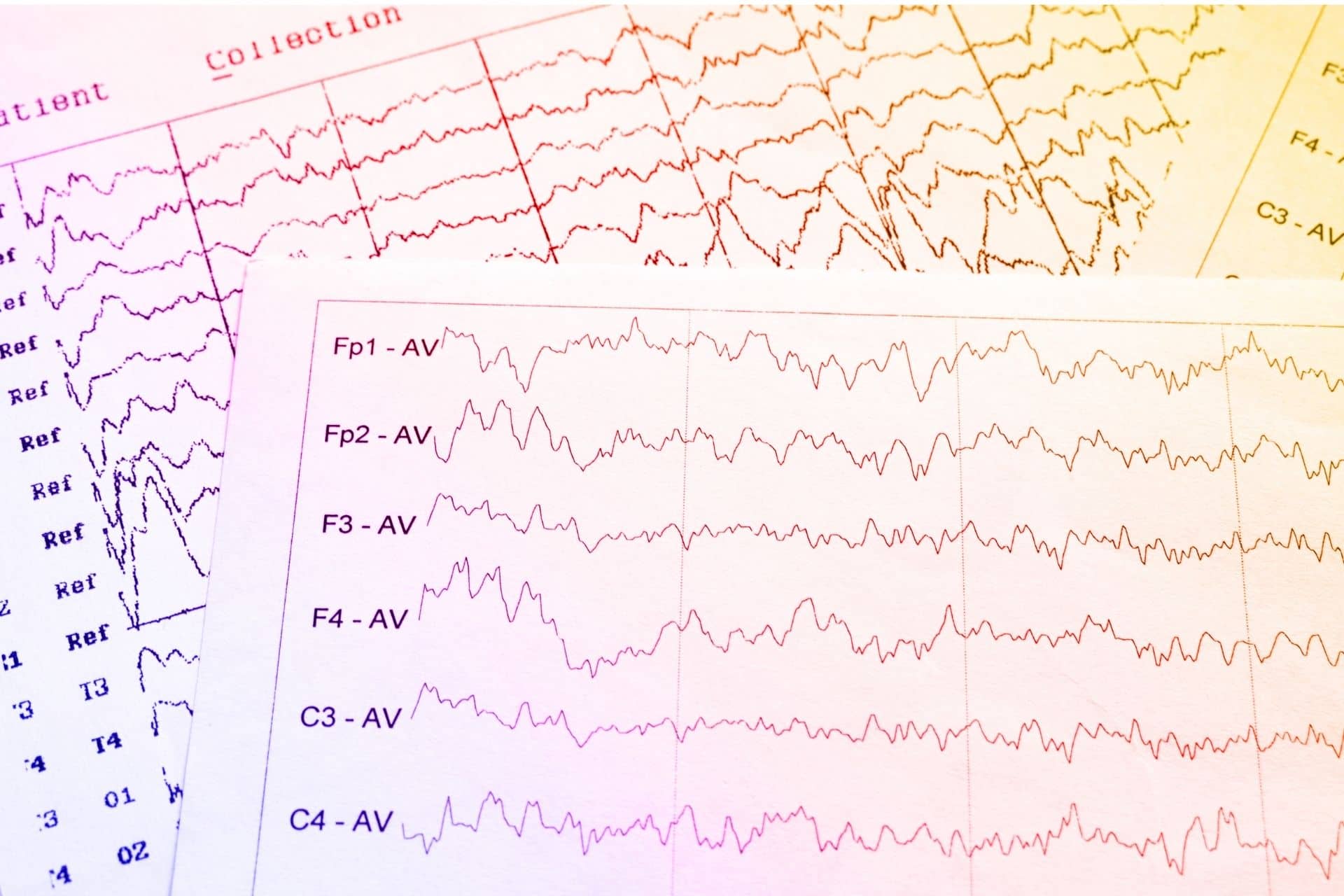
To study sleep, a polysomnography (PSG) is performed. This is the standard medical test that analyzes sleep cycles and identifies sleep disorders such as sleep apnea. PSG is performed at night and consists of recording a multitude of different physiological parameters. To do this, electrodes are placed on the individual to measure muscle activity in the arms, legs, and chin (electromyogram), eye activity (electrooculogram), brain activity (electroencephalography), and heart activity (electrocardiography).
The biological clock
Many biological functions such as sleep, heartbeat, and hormone synthesis are subject to the body’s circadian rhythm. The circadian rhythm is an endogenous biological rhythm that spans 24 hours and is orchestrated by an internal biological clock that has its own rhythm. There is a conductor in the brain that regulates biological functions by innervating the associated structures.
Located in the hypothalamus in humans, the internal clock, composed of the suprachiasmatic nucleus (SCN), regulates biological rhythms. The SCN consists of a ventral part that integrates information from the external environment and a dorsal part that transmits information to other regions of the brain and body, thereby imposing biological rhythms such as hormone secretion, the sleep/wake cycle, and body temperature. The activity of the internal clock is regulated by the cyclical expression of clock genes. These enable it to generate 24-hour cycles independently of external activities.
Circadian rhythms can modulate their period under the influence of environmental factors such as light, temperature, food, etc. These factors, which are time donors, then act on the internal clock, allowing it to resynchronize to a 24-hour rhythm. Blind people have synchronizers other than light.
Light is the most powerful synchronizer of the biological clock. It is first captured by the retina and then travels up to the suprachiasmatic nucleus. The alternation between exposure to light and darkness then allows the internal clock to resynchronize its cycle to 24 hours. In addition to this, the same signal is also transmitted to other brain structures that play a role in sleep or memory.
There are also secondary clocks in the rest of the body. This allows the internal clock, via the suprachiasmatic nucleus, to impose circadian rhythms on organs such as the liver, blood cells, intestines, pituitary gland, kidneys, and others, thereby regulating the functioning of these organs.
Take care of your microbiota with Nahibu.
Melatonin
The sleep/wake cycle is also closely linked to the production of melatonin, or the sleep hormone. Melatonin is a hormone synthesized by the pineal gland, located in the brain, according to circadian and seasonal rhythms. Melatonin secretion then changes with the alternation of light and darkness. Melatonin is synthesized if and only if the retina is not stimulated by light. Secretion is also influenced by the seasons. More melatonin is produced in winter than in summer.
The pineal gland, with its release of melatonin, is involved in several biological functions of the body and plays a major role in regulating the 24-hour circadian biological cycle that manages the sleep-wake system. It informs the body about periods of day and night. In addition, it prepares the body for sleep. Before falling asleep, melatonin secretion increases and promotes sleep until it peaks in the middle of the night. It then decreases until it becomes almost zero during the day. However, melatonin production over a 24-hour period can be affected if the body is exposed to light during the night or evening, for example.
Sleep disorders
The importance of sleep for health is well established. Sleep is essential for various biological functions. However, sleep is now often relegated to the background and no longer considered a vital need for maintaining good overall health. In 2006, one in three French people suffered from sleep disorders, and today that number continues to rise. Only a minority of these disorders are treated. In addition to the fatigue they cause, they lead to numerous physical and psychological disorders. They also contribute to the development of certain conditions such as obesity.
What is a sleep disorder?
Sleep disorders result from a malfunction of the sleep cycles and generally manifest as a disturbance in the duration and quality of sleep. There are several types (insomnia, hypersomnia, obstructive sleep apnea, parasomnias, etc.), each with its own specific symptoms.
What causes sleep disorders?
There are various causes of sleep disorders. Some may be related to anxiety or depression. Consuming substances such as alcohol, coffee, or medication can also make it difficult to fall asleep, as can working shift work. Finally, various illnesses can contribute to sleep disorders.
What are sleep disorders?
Insomnia is one of the most common sleep disorders. According to a 2010 INPES study, 20% of women and 12% of men in the French population suffered from insomnia. Insomnia is characterized by a lack of sleep or poor sleep quality. There are two types of insomnia: transient and chronic. Transient insomnia occurs due to reversible causes such as stress or the environment, while chronic insomnia is more often linked to medical conditions (particularly painful or inflammatory conditions), psychological disorders (anxiety, depression, etc.) and more serious sleep problems. Depending on its severity, insomnia can have short- and long-term consequences. In the short term, it causes fatigue and drowsiness, and in the longer term, it can contribute to certain medical conditions and lead to accidents and difficulties in professional life.
Hypersomnia is characterized by an excessive need for sleep and results in longer nights, daytime sleepiness, and chronic exhaustion.
Obstructive sleep apnea is a respiratory sleep disorder that affects 10% of people over 65 and 5% of the general population. It manifests as repeated episodes of asphyxia due to partial or complete obstruction of the upper airway for at least 10 seconds.
Parasomnias, on the other hand, are sleep disorders that are regularly observed in children. They only become pathological when they recur. Parasomnias can occur during deep slow-wave sleep (sleepwalking, night terrors, and confusional arousals) and REM sleep (nightmares, paradoxical behavior disorders, sleep paralysis).
Sleepwalking is relatively common in children. Sleepwalkers exhibit motor activity while asleep.
Night terrors occur after falling asleep and are characterized by intense anxiety, which the child has no memory of upon waking unless they are awakened during the episode.
Confusional arousal occurs in children and adults and manifests as disoriented behavior while the person is fully awake.
Nightmares are sleep disorders that occur at the end of the night. They are very common in children. They most often occur following traumatic events. The person wakes up in the early morning and remembers their nightmare.
Behavioral disorders most often occur in men over the age of 50. These men exhibit aggressive behavior during REM sleep.
Finally, sleep paralysis is a disorder that occurs during REM sleep. The person feels awake and tries to get out of bed but is unable to move.
How can you improve your sleep through diet?
The health benefits of a varied and balanced diet are now well established. It helps maintain good overall health and reduces the risk of cardiovascular disease and cancer, and it also plays a role in regulating sleep.
Numerous studies now show that the gut microbiota and sleep are closely linked. The gut microbiota is a source of signals that promote sleep. If you would like to learn more about microbiota, read our article on gut flora. An imbalance in the gut microbiota can therefore lead to sleep disorders. For example, a study conducted on rodents showed that butyrate, a short-chain fatty acid synthesized by the gut microbiota during the fermentation of dietary fiber, could improve sleep.
Other studies have demonstrated the association between gut microbiota diversity and sleep physiology in humans. For example, sleep efficiency and total sleep duration appear to be dependent on the bacterial diversity of the gut microbiota. The abundance of Bacteroidetes and Firmicutes is also correlated with sleep efficiency. There are therefore clear links between the composition of the gut microbiota and sleep, which may be worth considering in order to improve sleep through changes to the gut microbiota.
To promote sleep, it is advisable to be mindful of your activity levels and adopt good eating habits before bedtime. It is strongly recommended to eat at least two hours before going to bed and to opt for a meal that is easy to digest so that digestion does not interfere with sleep. It is also preferable to eat starchy foods in the evening to avoid feeling hungry during the night, as well as slow-release sugars. Slow-release sugars promote the secretion of melatonin and thus help you fall asleep. It is also important to eat foods rich in tryptophan, such as eggs, nuts, cereals, legumes, etc., because they prepare you for sleep. It is also essential to limit your intake of stimulants (caffeine, nicotine) and alcohol before bedtime.
In conclusion, sleep is a vital need that must not be neglected. Sleep plays a role in many biological functions and, more importantly, ensures the body’s physiological and psychological health.
Sources:
Björn Rasch, Jan Born. About sleep’s role in memory. 2013
James N Cousins, Guillén Fernández. The impact of sleep deprivation on declarative memory. 2019
Rachel Leproult, Eve Van Cauter. Role of sleep and sleep loss in hormonal release and metabolism. 2010
Szentirmai E, Millican NS, Massie AR et al. Butyrate, a metabolite of intestinal bacteria, enhances sleep. Scientific Reports. 2019
Sleep. Inserm. Available at: https://www.inserm.fr/information-en-sante/dossiers-information/sommeil
Chronobiology. Inserm. Available at: https://www.inserm.fr/information-en-sante/dossiers-information/chronobiologie
Audrey Pelé. Sleep disorders: definition, symptoms, treatment. Sciences et Avenir. Available at: https://www.sciencesetavenir.fr/sante/sommeil/troubles-du-sommeil-definition-symptomes-traitement_18807
Sleep and Nutrition. National Institute for Sleep and Vigilance. Available at: https://institut-sommeil-vigilance.org/sommeil-et-alimentation/
https://solidarites-sante.gouv.fr/IMG/pdf/dossier_de_presse-5.pdf
Discover more articles on the microbiota.
Take care of your microbiota with Nahibu.
Reading time: 10 min · Thank you for reading this article.
Discover the composition of your microbiome.
At-home test - Results within 4 to 8 weeks - Personalised scientific report