
Top 10 foods richest in vitamin C.

What is vitamin C used for?
Vitamins are essential for the body, enabling it to function properly. Once obtained from food, they play a role in many functions. Among them, vitamin C, or ascorbic acid, plays a major role in protecting the body against viral and bacterial infections and free radicals. It also plays a role in protecting blood vessels and in healing processes. Finally, it promotes the absorption of iron from plants by the body.
What are our vitamin C requirements?
According to ANSES, the daily intake of vitamin C should be 110 mg for adults, equally for men and women.
Where can you find vitamin C?
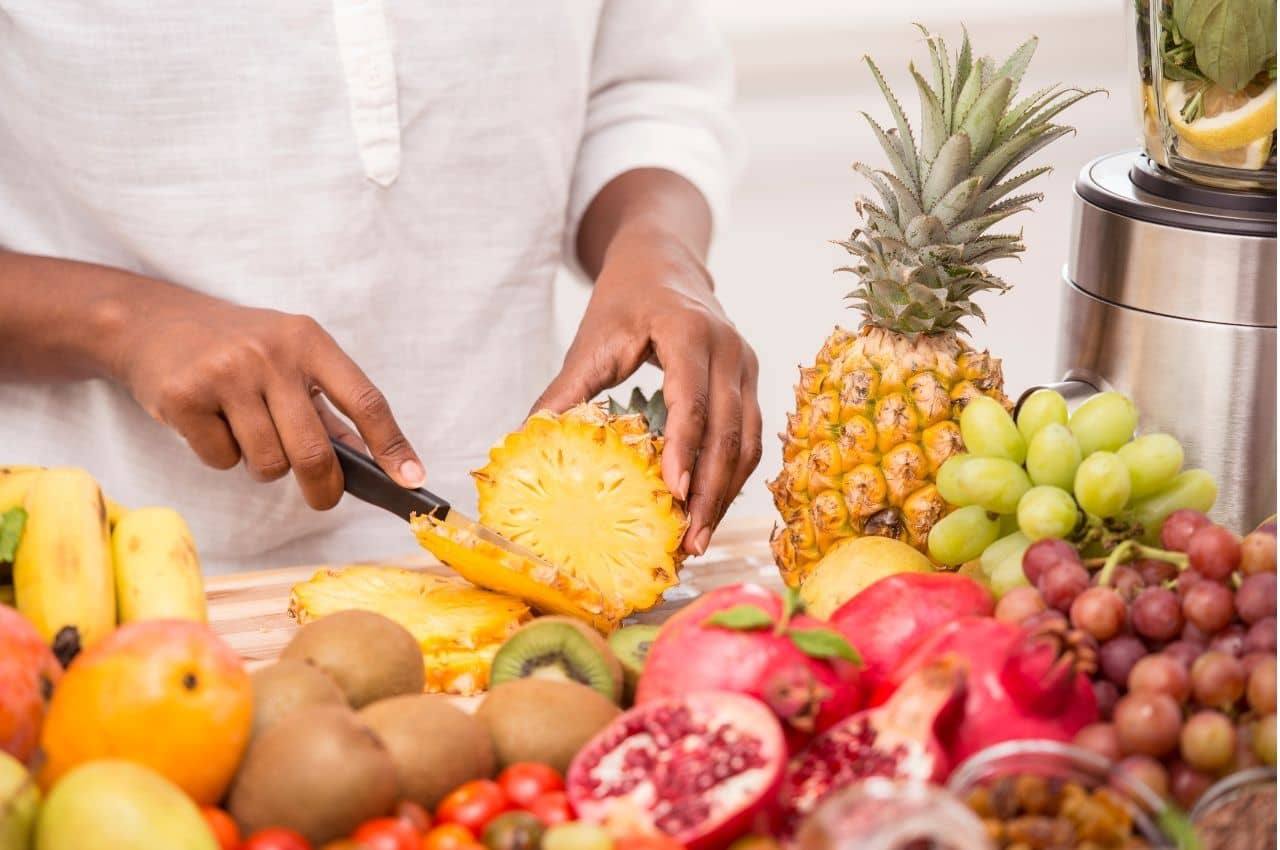
Plants contain vitamin C. Therefore, regular consumption of fruits and vegetables generally covers your vitamin C needs.
It is also found in certain industrial products under the name ascorbic acid or E300, where it is used as a preservative.
The 10 plants with the highest vitamin C content include:
Acerola cherry
The acerola cherry, more commonly known as the West Indian cherry or acerola, is a plant that comes from Latin America and tropical regions. Acerola produces red cherry berries that are very rich in vitamin C (2850 mg per 100 g). It also contains vitamins B and A and other minerals such as magnesium, potassium, phosphorus, iron, and calcium. In addition to the fruit, it can be found in powdered supplement form, which is made by dehydrating acerola cherry juice.
Guava
Guava is a fruit from the guava tree that contains an average of 228 mg of vitamin C per 100 g of fruit. It is also rich in vitamin A and polyphenols, which give it antioxidant properties. These three elements combined enable it to significantly protect the body against free radicals and the aging they cause. Finally, due to its high fiber content, guava ensures good digestion.
Blackcurrant
Blackcurrants, the fruit of the blackcurrant bush, are also a significant source of vitamin C. Blackcurrants contain 181 mg of vitamin C per 100 g. They are also a source of vitamin E and minerals such as potassium. The fiber, cellulose, hemicellulose, lignin, and pectin it contains stimulate digestion, promote satiety, and are associated with a reduction in bad cholesterol in the blood. Finally, its low glycemic index does not cause a rapid increase in blood sugar.
Chili pepper
Chili peppers come from a plant in the Solanaceae family. There are several varieties, depending on their color and flavor, which can be more or less pronounced. Among these, we also find sweet peppers. Beyond their spicy flavor, chili peppers have high nutritional value. They are rich in vitamins C, A, B6, E, and K, as well as trace elements such as copper, iron, manganese, magnesium, and potassium. They contain 155 mg of vitamin C per 100 g. Finally, their flavonoid content protects the body against free radicals, while their capsaicin content has a beneficial effect on digestion, inflammation, and infections. They are also associated with increased satiety.
Bell pepper
Whether raw or cooked, bell peppers are also nutritionally beneficial. In addition to being low in calories, they are a source of vitamins A, K, C, and B, minerals, antioxidants, and fiber. This allows them to stimulate the body's immune defenses and, thanks to their fiber content, facilitate digestion. However, when eaten raw, bell peppers can cause reflux and bloating. They contain 126 mg of vitamin C per 100 g.
Brussels sprouts
Brussels sprouts contain 103 mg of vitamin C per 100 g, in addition to remarkable amounts of vitamins B and K and minerals such as calcium and potassium. They also contain antioxidants and fiber. They combat the effects of aging caused by free radicals.
Kiwi
Kiwis are also a source of vitamins C, K, B9, and E, as well as copper and potassium. They contain 81.9 mg of vitamin C per 100 g of fruit. They can therefore play a role in protecting the body against infections and free radicals. In addition, each fruit has a fiber content of approximately 2.4 g.
Strawberry
Strawberries are the ultimate summer fruit with numerous health benefits. In addition to being low in calories (38.6 kcal per 100 g of fruit), they are rich in water and fiber. They stimulate intestinal transit and reduce bloating. They also contain vitamins C (54 mg per 100 g) and B9, as well as minerals such as manganese. Finally, they are a significant source of flavonoids, which give them important antioxidant properties.
Kale
Kale contains 41 mg of vitamin C per 100 g. In addition to being low in calories, it is also rich in minerals, antioxidants, and fiber (4.9 g per 100 g). It promotes digestion and is a real health ally for the body.
Broccoli
Broccoli is packed with vitamins B, C (23.9 mg per 100 g), E, and K, as well as minerals such as potassium, calcium, magnesium, copper, iron, and zinc. It is also rich in antioxidants and fiber, which help regulate digestion and promote satiety. Finally, it contains nearly 90% water and is low in calories.

It is important to note that vitamin C is fragile. It deteriorates quickly when exposed to water, heat, air, and light. To fully enjoy its benefits, it is recommended to consume fruits and vegetables that are as fresh as possible and to avoid long cooking times.
Sources:
Vitamin C or ascorbic acid. ANSES. Available at: https://www.anses.fr/fr/content/vitamine-c-ou-acide-ascorbique
Ciqual. Food composition table. ANSES. Available at: https://ciqual.anses.fr/

Discover more articles on the microbiota.

What is the difference between probiotics and prebiotics?
Everything you need to know about probiotics. Probiotics modulate the composition of the gut microbiota and prevent the risk of dysbiosis.
Acting on short-chain fatty acid production
Synthesized by the gut microbiota during food fermentation, short-chain fatty acids play a role in maintaining health and preventing disease.

What is a healthy and balanced diet?
Eating a balanced diet means eating well and in quantities that allow the body to function properly.
Take control of your diet with Shido.