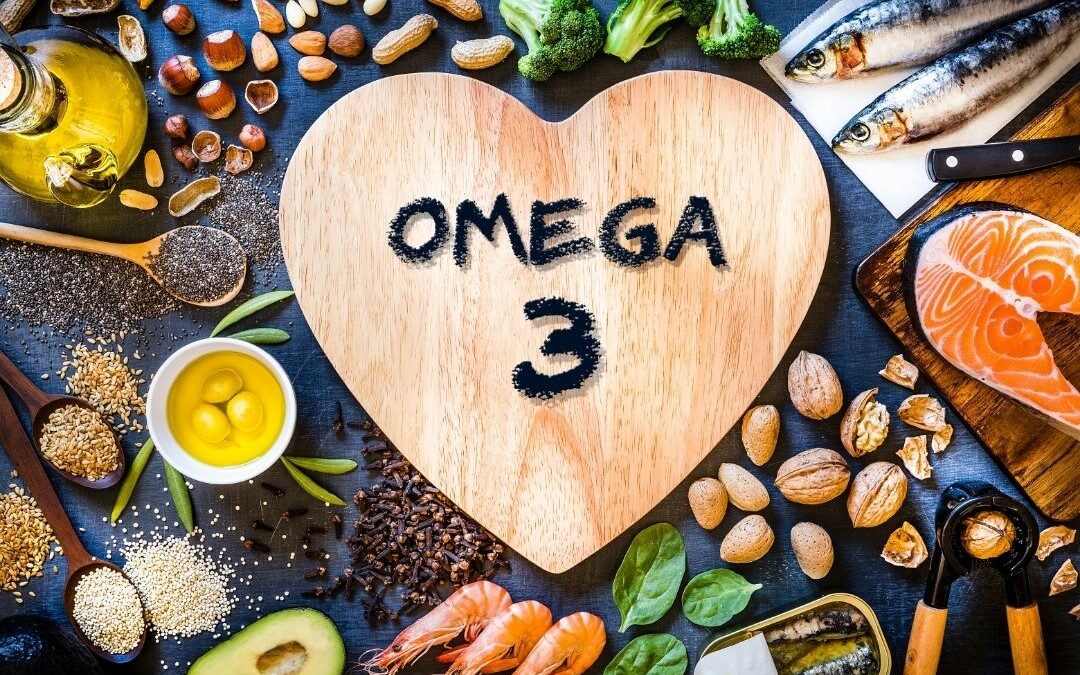
Top foods richest in omega-3
What are omega-3s used for?
Lipids are more commonly known as fats and are essential for the body to function properly. Lipids include unsaturated fatty acids, which break down into omega-3 (linolenic acid), omega-6 (linoleic acid), and omega-9 (oleic acid). Omega-3 and omega-9 are beneficial, while omega-6, if consumed in excess, can impact the functioning of omega-3 and omega-9. Omega-3 is essential for the development and proper functioning of the nervous system. In addition, they are associated with lower blood pressure, reduced triglyceride levels, and a lower risk of cardiovascular disease.
What are our omega-3 requirements?
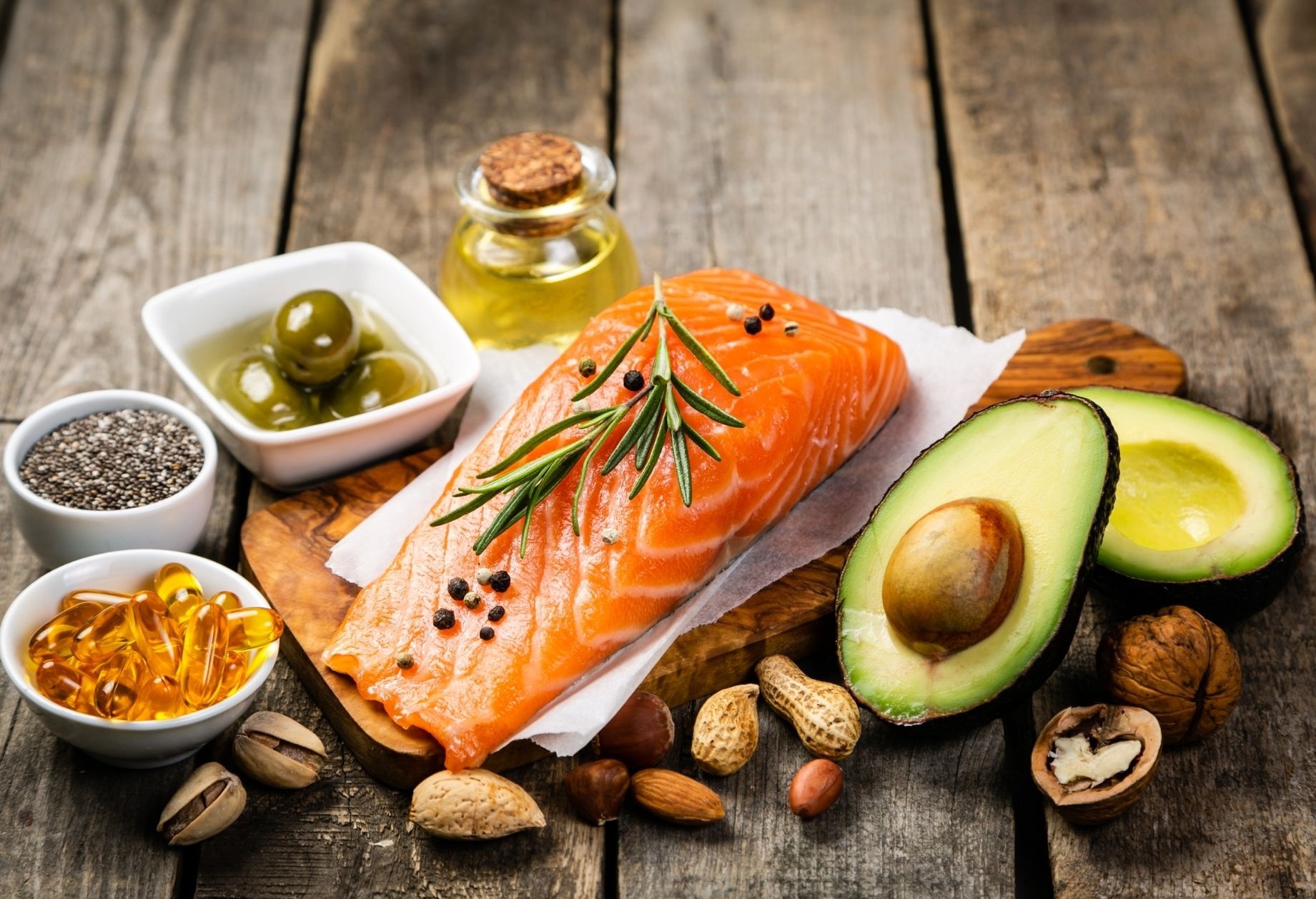
The AFSSA recommends that omega-6 should account for 4% of total energy intake and omega-3 for 1%. The omega-6/omega-3 ratio should not exceed 5. The ideal ratio is between 2 and 5, i.e. 3 omega-6 molecules for every omega-3 molecule. As today's diet is particularly rich in omega-6, foods rich in omega-3 should be favored.
Where can you find omega-3?
a) Seeds and oils
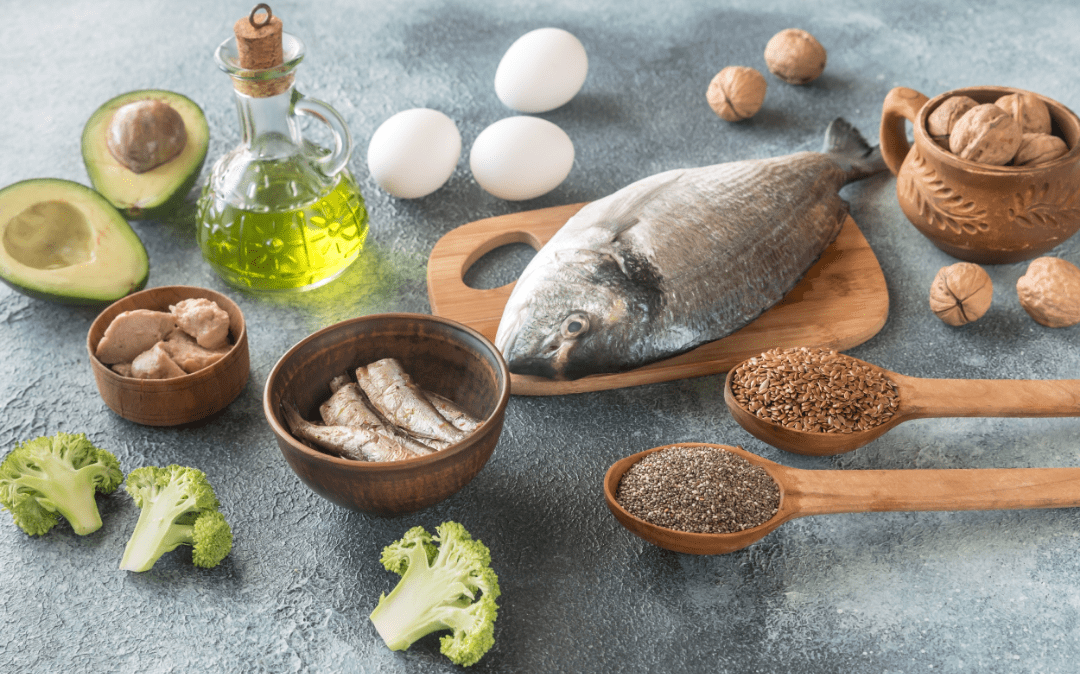
Seeds and the oils extracted from them are excellent sources of omega-3. Flaxseed oil is the food richest in omega-3, containing 53.3 grams per 100 grams. Flaxseeds contain 21 grams per 100 grams and chia seeds contain 17.8 grams. Seeds are also sources of nutrients, protein, and fiber. Chia seeds are rich in B vitamins and minerals such as calcium, phosphorus, potassium, and magnesium. They are associated with a reduction in blood cholesterol and cardiovascular disease. They promote digestion and help the body fight free radicals. Flax seeds are also rich in fiber, protein, and minerals such as iron and selenium. To fully enjoy their benefits, it is advisable to blend them to facilitate absorption.
b) Nuts and oils
Nuts (walnuts, cashews, pecans, hazelnuts, almonds, etc.) and some of their oils are also rich in omega-3. Walnut oil contains 11.9 grams of omega-3 per 100 grams, while pecan oil contains 7.5 grams per 100 grams. In addition, nuts are excellent sources of fiber, vitamins, minerals, and antioxidants. They provide vitamins B, A, and E, calcium, phosphorus, magnesium, manganese, iron, copper, zinc, and potassium. They are associated with lower cholesterol and a reduced risk of cardiovascular disease.
c) Rapeseed oil
Rapeseed oil contains 7.54 grams of omega-3 per 100 grams. Consuming rapeseed oil is associated with a reduction in cholesterol and the risk of cardiovascular disease. To fully benefit from its nutritional properties, it is recommended to consume extra virgin oil, obtained by cold pressing.
d) Fish
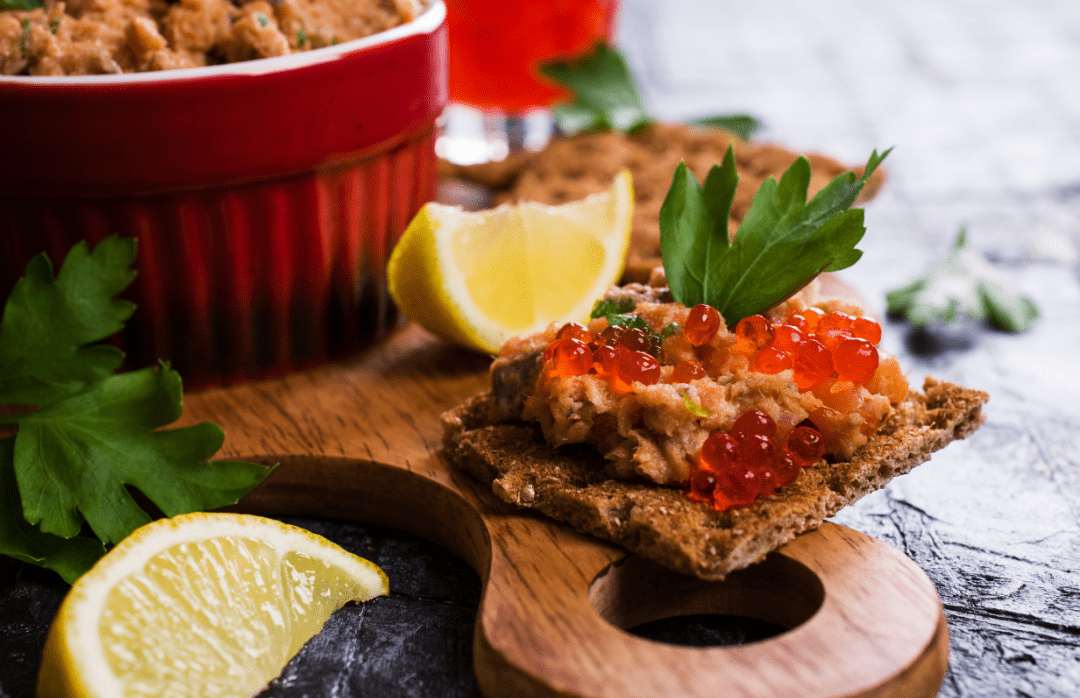
Oily fish are also good sources of omega-3. Mackerel contains 0.83 grams and sardines 0.47 grams. Fish are also rich in protein, vitamins (A, B, D, E, etc.) and minerals (phosphorus, selenium, zinc, etc.). Crab rillettes contain 1.18 grams of omega-3 per 100 grams and salmon rillettes contain 0.98 grams.
e) Vegetables and legumes
Vegetables such as spinach, broccoli, cauliflower, kale, and avocado are also sources of omega-3. Spinach contains 0.37 grams of omega-3 per 100 grams, broccoli 0.13, cauliflower and avocado 0.15, and kale 0.4 grams per 100 grams. It is therefore important not to overlook them. They are also rich in vitamins such as vitamins A and B and minerals such as calcium and potassium. They are also high in dietary fiber. White beans contain 0.37 grams of omega-3 per 100 grams.
Conclusion
Omega-3s are true allies to good health. It is therefore important to ensure that you consume enough of them to reap their benefits. If you consume too much omega-6, omega-3s can no longer function properly. Omega-6 limits the use of omega-3, so it is important to balance your intake of these two fats.

Discover more articles on the microbiota.

What is the difference between probiotics and prebiotics?
Everything you need to know about probiotics. Probiotics modulate the composition of the gut microbiota and prevent the risk of dysbiosis.
Acting on short-chain fatty acid production
Synthesized by the gut microbiota during food fermentation, short-chain fatty acids play a role in maintaining health and preventing disease.

What is a healthy and balanced diet?
Eating a balanced diet means eating well and in quantities that allow the body to function properly.
Take control of your diet with Shido.