Top 5 meat alternatives

Top 5 meat alternatives

Top 5 meat alternatives

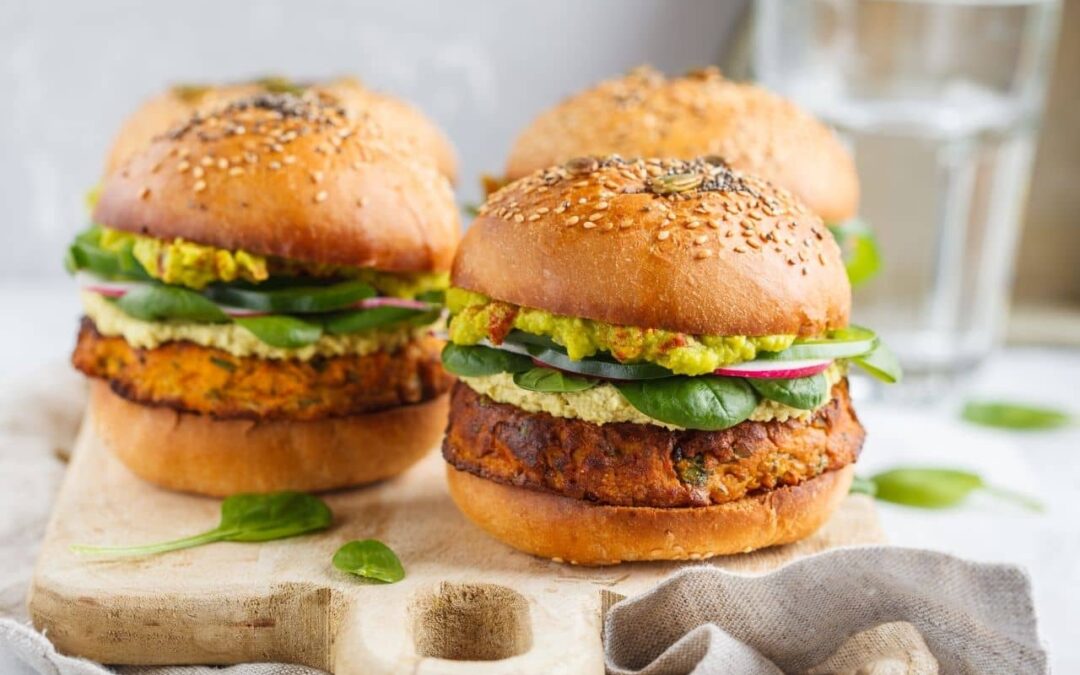
Meat alternatives are experiencing rapid growth. Tofu, tempeh, seitan, plant-based meat, steak… these foods are becoming increasingly common on supermarket shelves and are no longer consumed only by vegans or vegetarians. Today, many people are reducing their meat consumption for environmental, animal welfare, or health reasons.  

What nutrients does meat provide? 

In addition to providing protein, meat is also a significant source of trace elements, minerals, and vitamins. Meat is rich in heme iron, which is easily absorbed by the body. Finally, it is a source of vitamin B12.

proteins

What are our needs?

Proteins, which are made up of amino acids, including eight essential ones, are essential for the body because they enable it to perform structural, metabolic, and immune functions. ANSES recommends a daily protein intake of 0.83 grams per kilogram, or 49.8 grams for a person weighing 60 kilograms. Iron is mainly used in the production of hemoglobin, which enables oxygen to be transported in the blood.

It is recommended that you consume around 11 milligrams (16 mg for women with heavy periods) per day to meet the body's needs. Finally, vitamin B12, as a coenzyme (a molecule that catalyzes an enzymatic reaction), performs functions in the blood and neurons. According to ANSES, the daily requirement for vitamin B12 is approximately 2.4 micrograms for adults.
eggs

What foods can replace meat?

Eggs

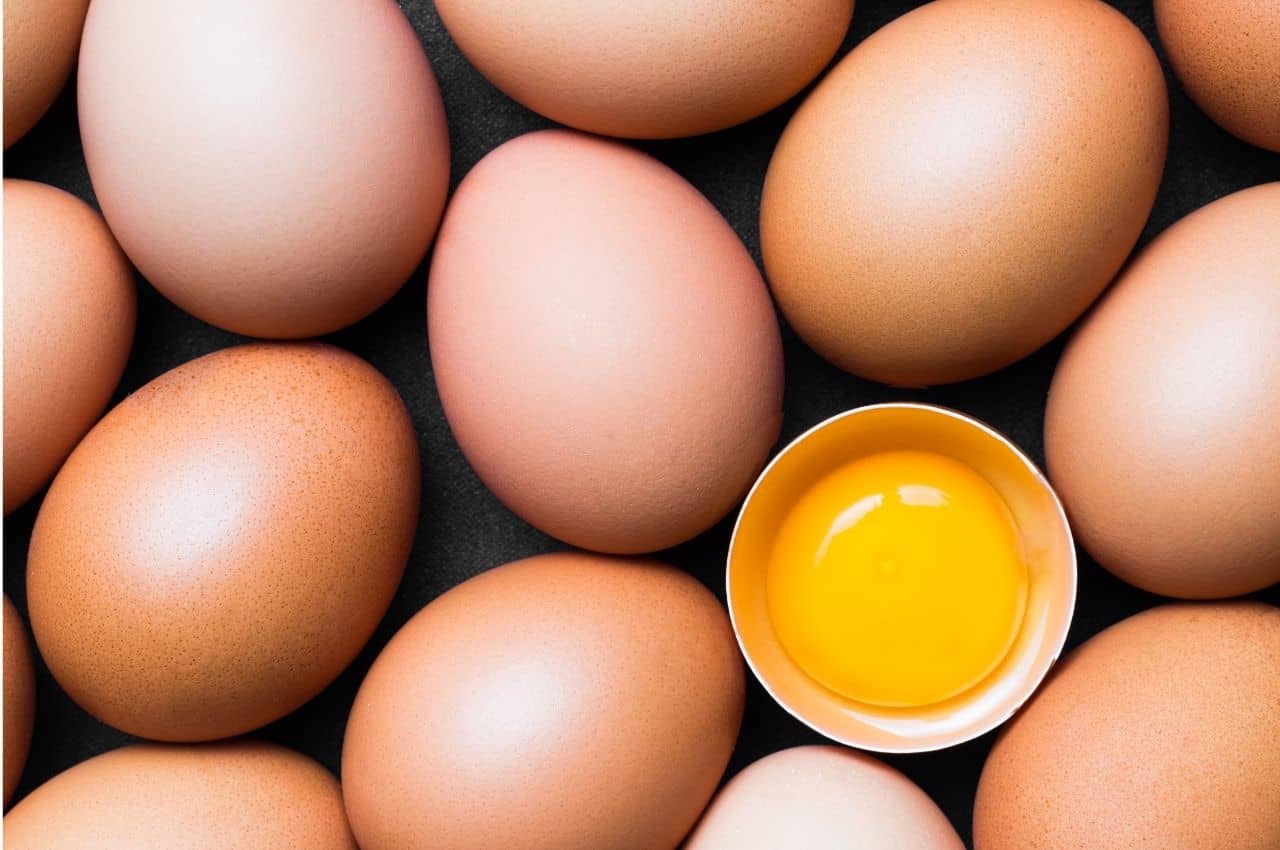
Eggs contain 13.5 grams of protein per 100 grams and provide the body with the essential amino acids it needs to function. They are rich in omega-3 fatty acids, minerals (iron, selenium, zinc, phosphorus), and vitamins (A, B1, B3, B12, E, D). The cholesterol they contain has no effect on blood cholesterol levels because very little is absorbed by the intestine. Finally, they are low in calories, with 100 grams of eggs containing only 134 kilocalories. 

Tofu

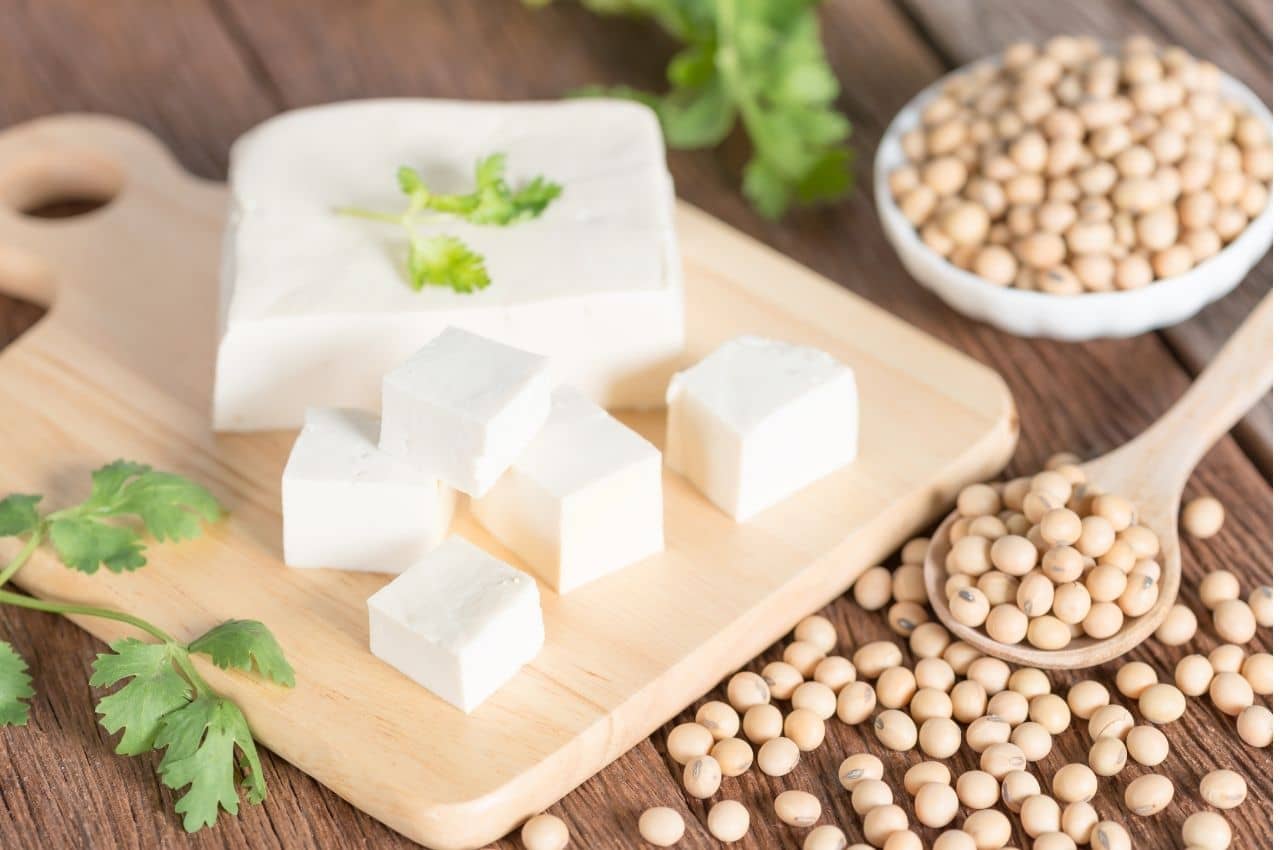
Tofu is made from soybeans. Rich in protein (13.4 per 100 grams), it is regularly consumed in meat-free diets and has also been eaten in Asian countries for a very long time. It is also a source of omega-3, minerals (calcium, iron, zinc), and B vitamins. In addition, tofu is low in calories (148 kilocalories per 100 grams) and free of unhealthy fats.
tofu

Seitan

Seitan is made from rehydrated wheat gluten. Rich in protein (20.6 grams per 100 grams), iron, and free of saturated fat, it is an interesting alternative to meat. In addition to being low in calories (134 kilocalories per 100 grams), its high fiber content facilitates intestinal transit and promotes a feeling of fullness.
spirulina

Microalgae

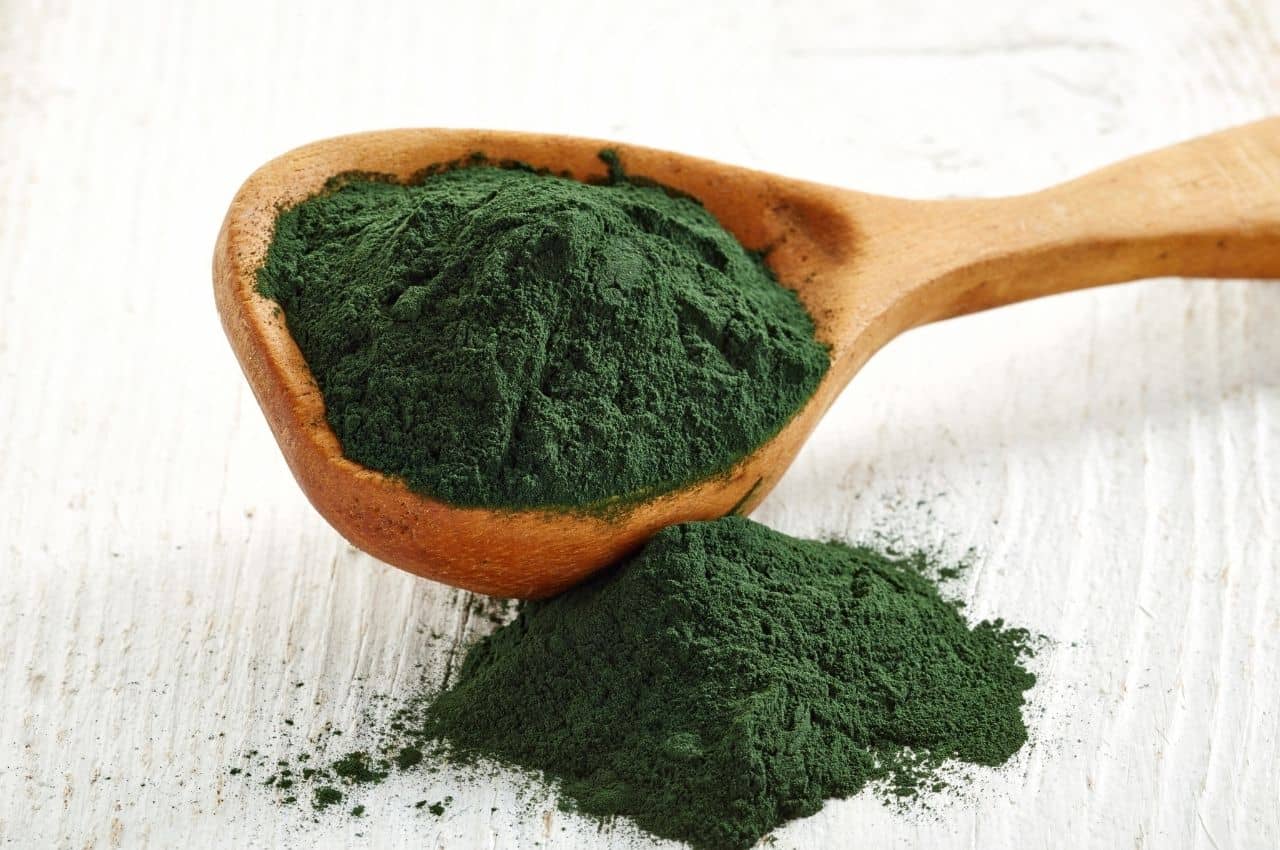
Microalgae such as chlorella and spirulina are packed with health benefits and are also excellent sources of protein (57.5 grams of protein per 100 grams of spirulina). They are rich in essential amino acids, minerals (iron, copper, magnesium, zinc, sodium, phosphorus, potassium, selenium, manganese) and vitamin B12. They also contain compounds with antioxidant, anti-inflammatory, hypolipidemic, and hypoglycemic properties. Spirulina is particularly associated with reducing blood cholesterol and inflammation.
legumes

Legumes

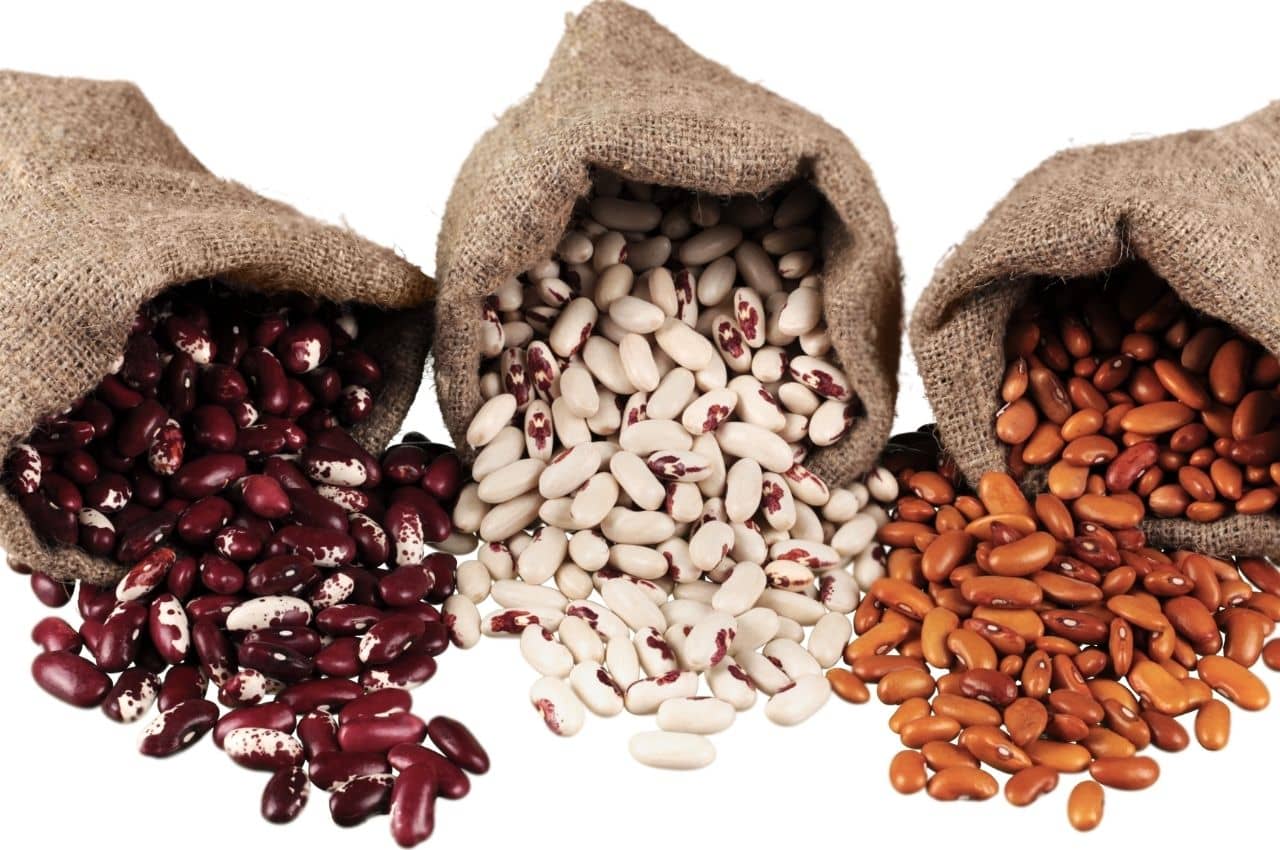
Finally, legumes are among the foods rich in protein. Red beans contain 9.63 grams of protein per 100 grams, chickpeas 8.31 grams, lentils about 10 grams, and split peas 8.6 grams per 100 grams. In addition to protein, they are sources of vitamin B and minerals such as iron, calcium, potassium, magnesium, and zinc. They make you feel full, and the iron they contain helps the body transport oxygen. They are low in fat and have a low glycemic index.

Today, there are several alternatives to meat that provide the nutrients the body needs. However, it is important to be mindful of industrial alternatives, which can be high in sodium and other food additives.

Sources:

Proteins. ANSES. Available at: https://www.anses.fr/fr/content/les-prot%C3%A9ines

Iron. ANSES. Available at: https://www.anses.fr/fr/content/le-fer

Ciqual. Food composition table. ANSES. Available at: https://ciqual.anses.fr/

Discover more articles on the microbiota.

Partnership between Bio-Recherche and Nahibu

Partnership between Bio-Recherche and Nahibu

Bio-Recherche Laboratories specialize in researching and marketing high-value-added dietary supplements whose effectiveness has been proven by clinical studies, most of which justify prescription by doctors.
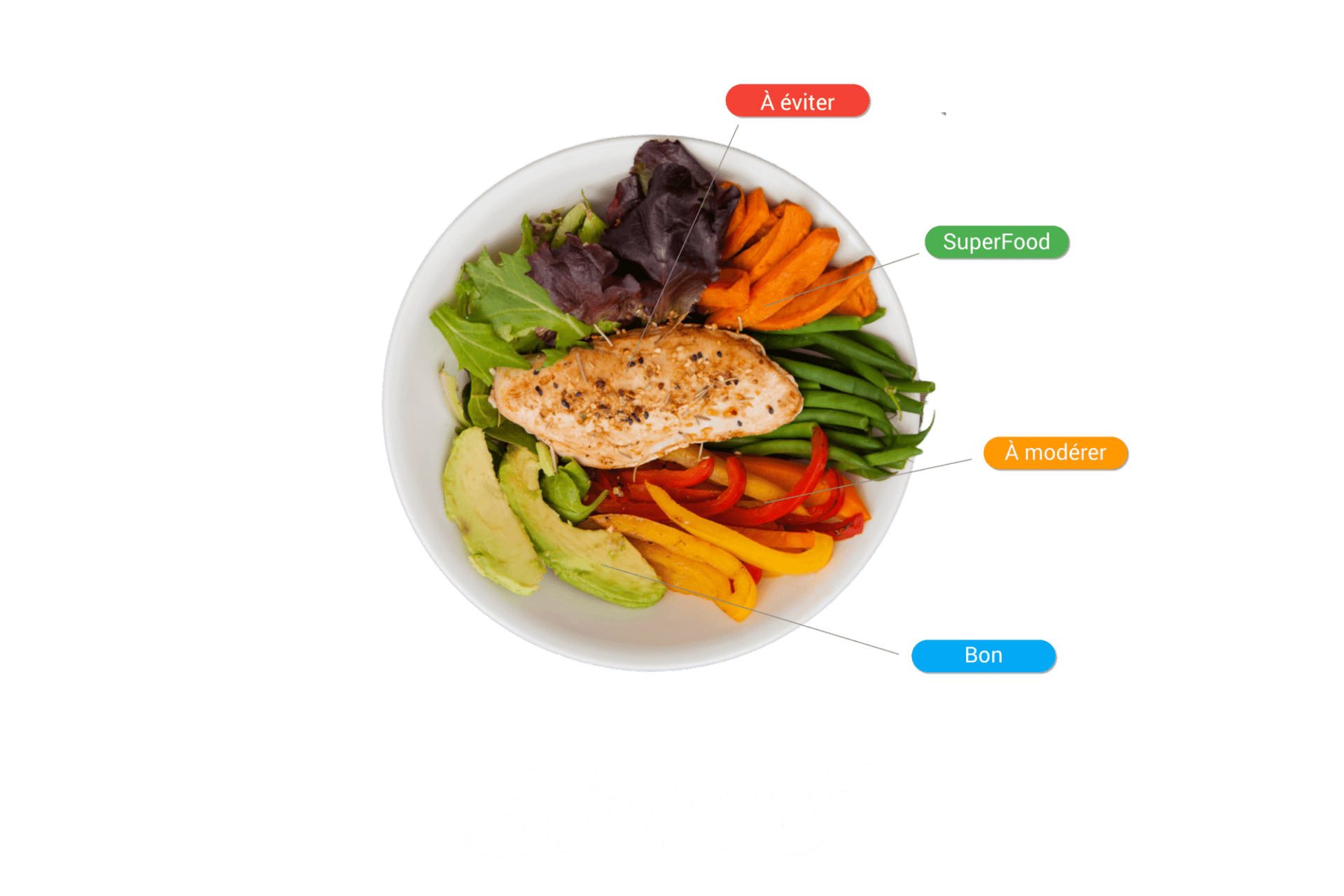
Take control of your diet with Shido.
A

Top antioxidant-rich foods

Top antioxidant-rich foods

Top antioxidant-rich foods

What are antioxidants used for?

Antioxidants protect the body from free radicals. They capture free radicals and reduce the damage they cause to the body. Oxidative stress generated by free radicals is implicated in many diseases such as cancer, cardiovascular disease, and neurodegenerative diseases. In addition, free radicals are partly responsible for accelerating cellular aging. The body has developed systems to eliminate these free radicals, but they are not sufficient to eradicate them all. Among the foods we eat, fruits and vegetables are excellent sources of antioxidants. The nutrients they contain, such as vitamin C, vitamin E, carotenoids, polyphenols, selenium, and zinc, have remarkable antioxidant properties. These nutrients can limit the damage caused by free radicals in the body. 

What are our antioxidant requirements?

To determine the antioxidant activity of foods, the ORAC (Oxygen Radical Absorbance Capacity) index was developed by the Human Nutrition Research Center of the U.S. Department of Agriculture. It measures the ability of food to absorb free radicals. It is expressed in units per 100 grams. It is now recommended to eat between 3,000 and 5,000 ORAC units per day.

3-2-

Where can antioxidants be found?

a) Fruit

Among the foods richest in antioxidants, fruit ranks at the top, especially red fruit. Acai berries contain 102,700 ORAC units per 100 grams, elderberries 14,697, blueberries 9,621, cranberries 9,090, and finally, prunes 8,059 ORAC units per 100 grams. In addition, they contain significant amounts of vitamins and minerals. They are also excellent sources of fiber and low in calories.


b) Vegetables

Vegetables are also very rich in antioxidants. They are closely followed by fruits. Artichokes contain 9,416 ORAC units per 100 grams, red beans 8,606, lentils 7,282, soybeans 5,409, and red cabbage 2,496 ORAC units per 100 grams. In addition, they provide vitamins, minerals, and fiber while being low in calories. The fiber they contain improves digestion and promotes a feeling of fullness.


c) Herbs and spices

Herbs and spices also provide antioxidants. Cloves provide 290,283 ORAC units per 100 grams, dried oregano 175,295, dried rosemary 165,280, dried thyme 157,380, and ground cinnamon 131,420 ORAC units per 100 grams. However, it is rare to consume 100 grams of these. It is thanks to vegetables and fruits that our needs are met, whereas herbs and spices generally do not provide sufficient amounts.

Nuts

d) Nuts

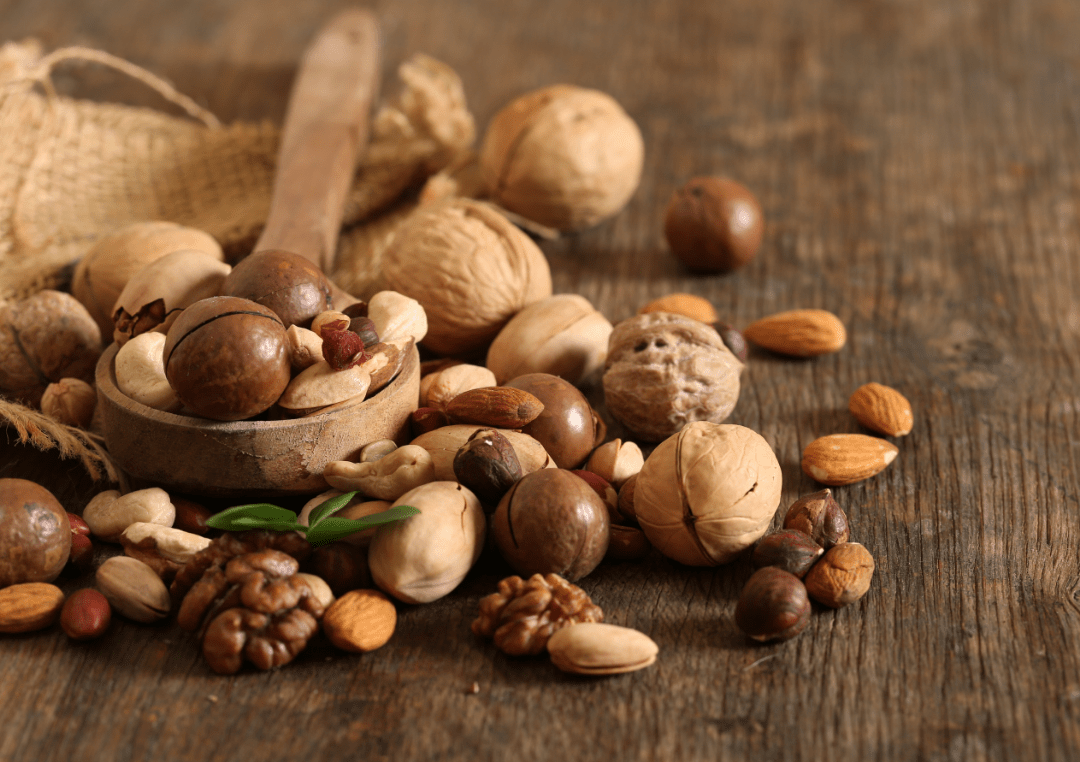
Nuts are a source of antioxidants. Pecans contain 17,940 ORAC units per 100 grams, hazelnuts 9,645, pistachios 7,675, almonds 4,454, and peanuts 3,166 ORAC units per 100 grams. They are also rich in minerals, vitamins, and omega-3 fatty acids. Eating nuts is associated with lower cholesterol and a reduced risk of cardiovascular disease.


e) Cocoa

Due to the nutrients it contains, dark chocolate has 20,816 ORAC units per 100 grams. It therefore also has a real antioxidant effect. Cocoa is also rich in minerals (copper, zinc, potassium, magnesium) and vitamins (A, B1, B2, B3, C, E).

Conclusion

Antioxidants play a major role in protecting the body against free radicals, premature aging, and age-related diseases. To ensure maximum protection for the body, it is essential to eat a diet rich in fruits and vegetables, as these are the richest sources of antioxidants.

Sources:

David B. Haytowitz, Seema Bhagwat. USDA Database for the Oxygen Radical Absorbance Capacity (ORAC) of Selected Food, Release 2. U.S Department of Agriculture. May 2010.

Discover more articles on the microbiota.

Partnership between Bio-Recherche and Nahibu

Partnership between Bio-Recherche and Nahibu

Bio-Recherche Laboratories specialize in researching and marketing high-value-added dietary supplements whose effectiveness has been proven by clinical studies, most of which justify prescription by doctors.

Take control of your diet with Shido.
A

Top foods richest in omega-3

Top foods richest in omega-3

Top foods richest in omega-3

What are omega-3s used for?

Lipids are more commonly known as fats and are essential for the body to function properly. Lipids include unsaturated fatty acids, which break down into omega-3 (linolenic acid), omega-6 (linoleic acid), and omega-9 (oleic acid). Omega-3 and omega-9 are beneficial, while omega-6, if consumed in excess, can impact the functioning of omega-3 and omega-9. Omega-3 is essential for the development and proper functioning of the nervous system. In addition, they are associated with lower blood pressure, reduced triglyceride levels, and a lower risk of cardiovascular disease.

2-

What are our omega-3 requirements?

The AFSSA recommends that omega-6 should account for 4% of total energy intake and omega-3 for 1%. The omega-6/omega-3 ratio should not exceed 5. The ideal ratio is between 2 and 5, i.e. 3 omega-6 molecules for every omega-3 molecule. As today's diet is particularly rich in omega-6, foods rich in omega-3 should be favored.

3-

Where can you find omega-3?

a) Seeds and oils

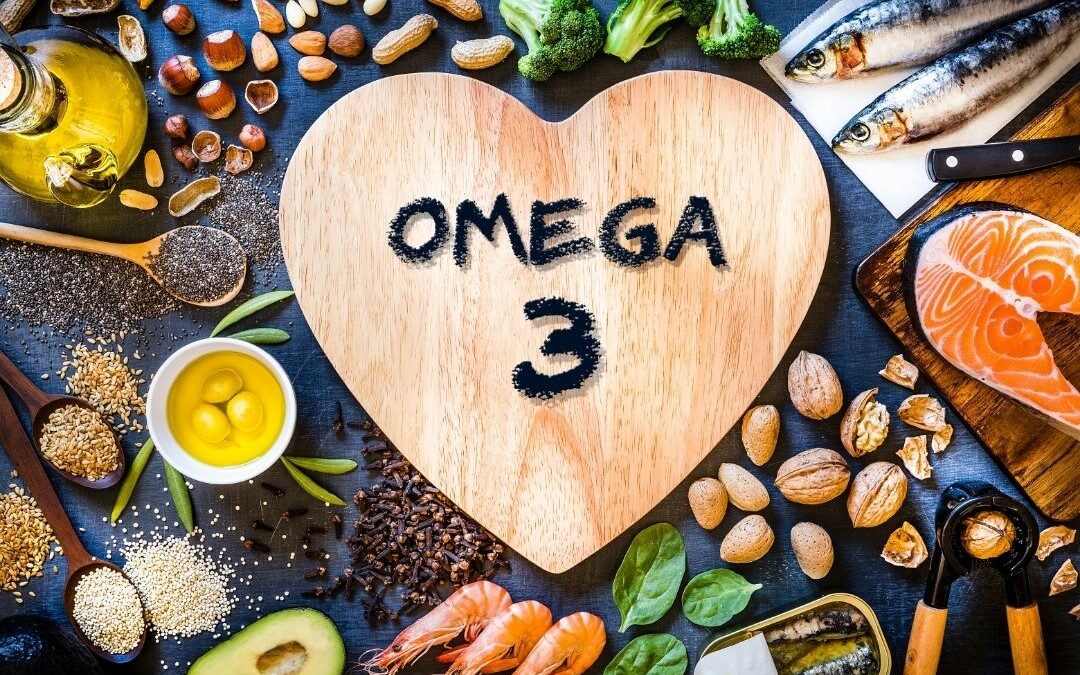
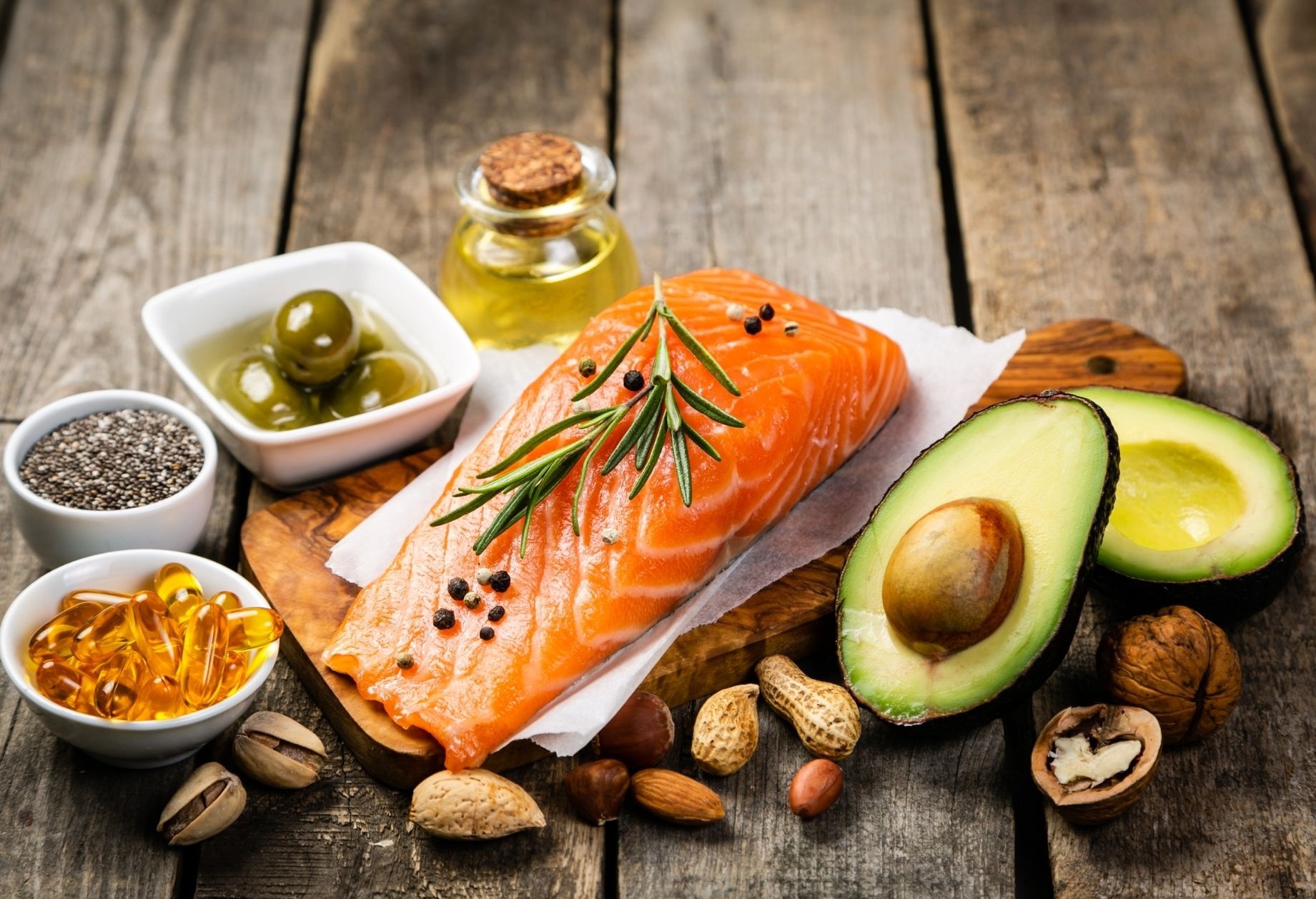
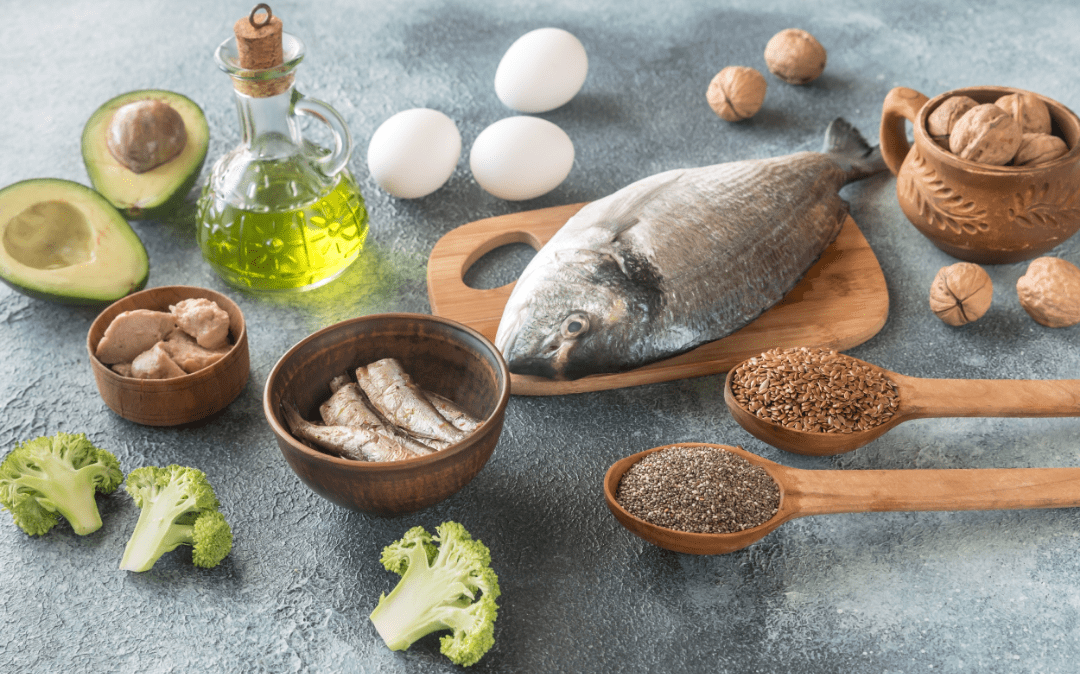
Seeds and the oils extracted from them are excellent sources of omega-3. Flaxseed oil is the food richest in omega-3, containing 53.3 grams per 100 grams. Flaxseeds contain 21 grams per 100 grams and chia seeds contain 17.8 grams. Seeds are also sources of nutrients, protein, and fiber. Chia seeds are rich in B vitamins and minerals such as calcium, phosphorus, potassium, and magnesium. They are associated with a reduction in blood cholesterol and cardiovascular disease. They promote digestion and help the body fight free radicals. Flax seeds are also rich in fiber, protein, and minerals such as iron and selenium. To fully enjoy their benefits, it is advisable to blend them to facilitate absorption.

b) Nuts and oils

Nuts (walnuts, cashews, pecans, hazelnuts, almonds, etc.) and some of their oils are also rich in omega-3. Walnut oil contains 11.9 grams of omega-3 per 100 grams, while pecan oil contains 7.5 grams per 100 grams. In addition, nuts are excellent sources of fiber, vitamins, minerals, and antioxidants. They provide vitamins B, A, and E, calcium, phosphorus, magnesium, manganese, iron, copper, zinc, and potassium. They are associated with lower cholesterol and a reduced risk of cardiovascular disease.

c) Rapeseed oil

Rapeseed oil contains 7.54 grams of omega-3 per 100 grams. Consuming rapeseed oil is associated with a reduction in cholesterol and the risk of cardiovascular disease. To fully benefit from its nutritional properties, it is recommended to consume extra virgin oil, obtained by cold pressing.

d) Fish

Oily fish are also good sources of omega-3. Mackerel contains 0.83 grams and sardines 0.47 grams. Fish are also rich in protein, vitamins (A, B, D, E, etc.) and minerals (phosphorus, selenium, zinc, etc.). Crab rillettes contain 1.18 grams of omega-3 per 100 grams and salmon rillettes contain 0.98 grams.

salmon

e) Vegetables and legumes

Vegetables such as spinach, broccoli, cauliflower, kale, and avocado are also sources of omega-3. Spinach contains 0.37 grams of omega-3 per 100 grams, broccoli 0.13, cauliflower and avocado 0.15, and kale 0.4 grams per 100 grams. It is therefore important not to overlook them. They are also rich in vitamins such as vitamins A and B and minerals such as calcium and potassium. They are also high in dietary fiber. White beans contain 0.37 grams of omega-3 per 100 grams.

Conclusion

Omega-3s are true allies to good health. It is therefore important to ensure that you consume enough of them to reap their benefits. If you consume too much omega-6, omega-3s can no longer function properly. Omega-6 limits the use of omega-3, so it is important to balance your intake of these two fats.


Discover more articles on the microbiota.

Partnership between Bio-Recherche and Nahibu

Partnership between Bio-Recherche and Nahibu

Bio-Recherche Laboratories specialize in researching and marketing high-value-added dietary supplements whose effectiveness has been proven by clinical studies, most of which justify prescription by doctors.

Take control of your diet with Shido.
A